15 STEM Field Trip Ideas Perfect for Curious Students
Discover 15 exciting STEM field trip ideas that spark curiosity and inspire future scientists. Perfect destinations for students!
Textbooks can only take students so far before the magic of hands-on discovery needs to ignite their scientific curiosity for real. STEM field trips transform abstract concepts into tangible experiences that students remember decades after forgetting which chapter covered which formula. When students watch robots assemble cars, peer through powerful telescopes, or extract DNA in real laboratories, education leaps from theoretical to transformational in ways classroom instruction rarely achieves alone. These experiences plant seeds that grow into engineering careers, medical breakthroughs, and technological innovations that change the world eventually. The challenge lies in finding destinations that genuinely engage students rather than simply checking educational boxes that administrators require from field trip justifications. Whether your students gravitate toward biology, technology, engineering, or mathematics, perfect STEM destinations exist that speak directly to their developing interests passionately. Ready to discover fifteen field trip ideas that transform curious students into future scientists?
1. Science and Technology Museums
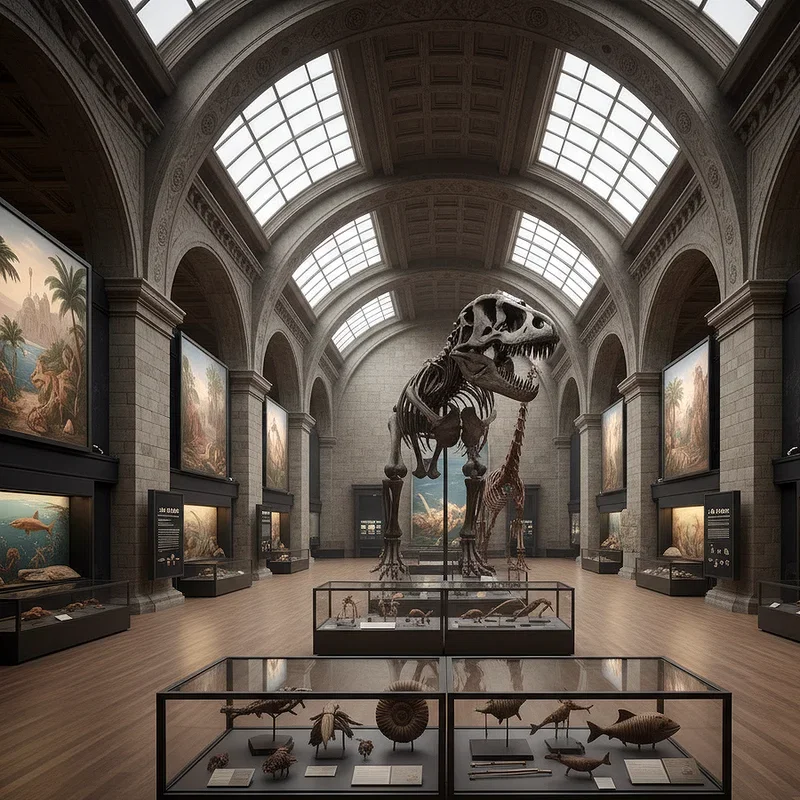
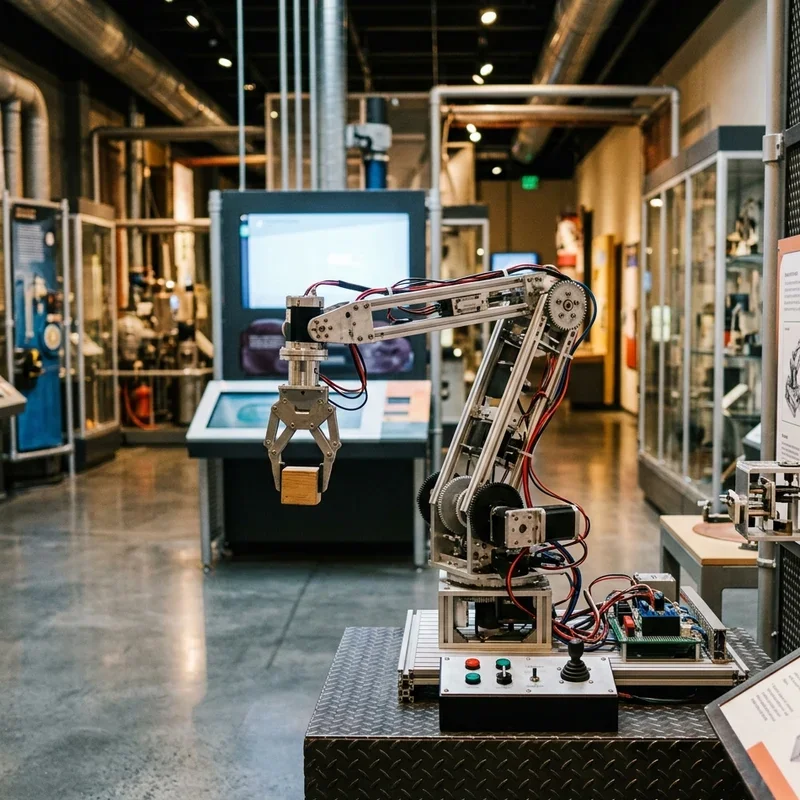
Step into science museums where interactive exhibits transform complex concepts into hands-on experiences that students actually remember and reference throughout academic careers. Major institutions like the Exploratorium, Museum of Science and Industry, and California Science Center design exhibits specifically for educational engagement rather than passive observation. Students can build structures, conduct experiments, explore physics principles, and manipulate technology in ways that textbooks describe but cannot demonstrate effectively. Many museums offer educational programs led by trained staff who guide students through curriculum-aligned experiences that teachers can connect to classroom learning. The variety within single museums means diverse interests find satisfaction: robotics enthusiasts explore one wing while biology buffs examine another simultaneously. These institutions invest millions in exhibit design, creating educational experiences that individual schools could never afford developing independently. Your museum visit condenses countless learning opportunities into single field trip days that students discuss for years afterward.
2. NASA Space Centers
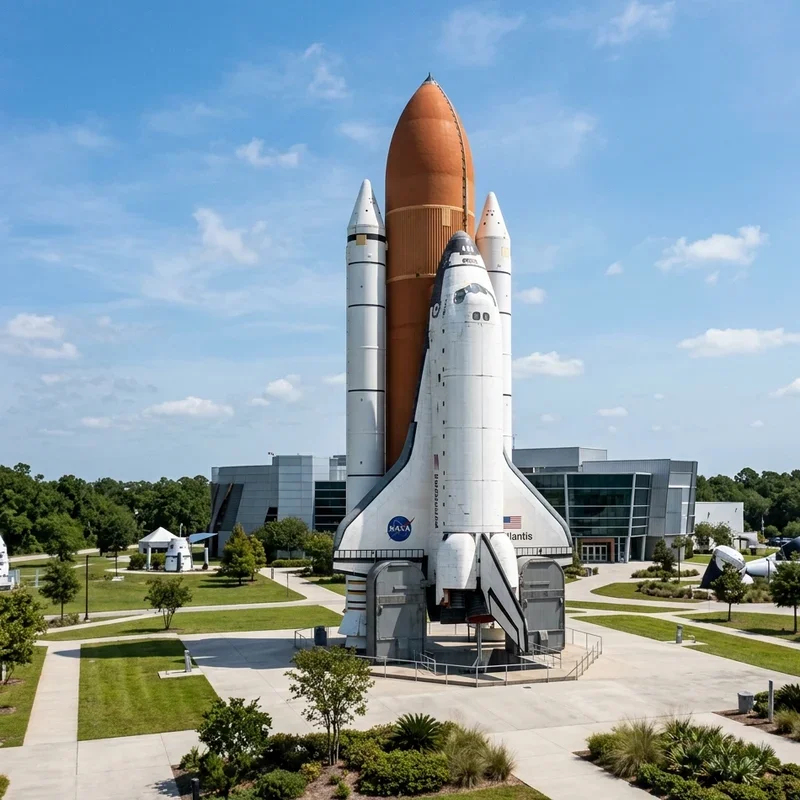
Inspire astronomical ambitions through NASA visitor centers where space exploration history and future missions come alive for students dreaming beyond Earth's atmosphere. The Kennedy Space Center, Johnson Space Center, and Jet Propulsion Laboratory all offer educational programs tailored for student groups seeking authentic space science experiences. Students can touch actual moon rocks, see spacecraft that traveled to other planets, and learn from engineers who design missions currently exploring our solar system. The scale of rockets, the complexity of mission control, and the dedication of NASA employees all communicate that extraordinary achievements require extraordinary commitment. Many centers offer simulation experiences where students practice astronaut training activities that real space explorers complete before missions. The connection between classroom physics, chemistry, and mathematics becomes obvious when students see those subjects applied to actual spacecraft engineering. Your NASA visit transforms space from distant abstraction into achievable destination for students willing to pursue demanding STEM education.
3. Planetarium and Observatory Visits
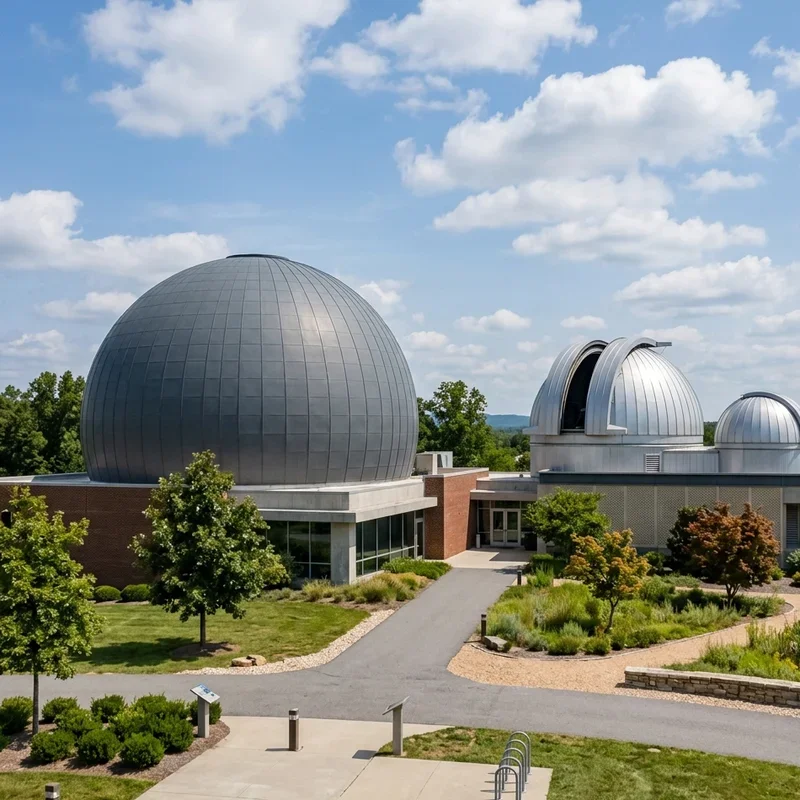
Transport students beyond Earth through planetarium shows and observatory visits that reveal universe scales impossible to comprehend through textbook descriptions alone. Planetarium domes project immersive experiences where students travel through galaxies, witness star formation, and explore planetary systems that orbit distant suns. Evening observatory visits allow students to peer through powerful telescopes at celestial objects they've only seen in photographs previously. Many planetariums offer educational programs that connect astronomical observations to physics, chemistry, and mathematics that students study in classrooms. The darkness required for quality astronomical viewing creates atmospheric conditions that enhance wonder and focus attention on celestial subjects. Professional astronomers at major observatories often participate in educational programming, sharing research that students might someday continue or expand. Your astronomical visit provides perspective that only viewing the cosmos firsthand can truly deliver to developing minds.
4. Botanical Gardens and Greenhouses
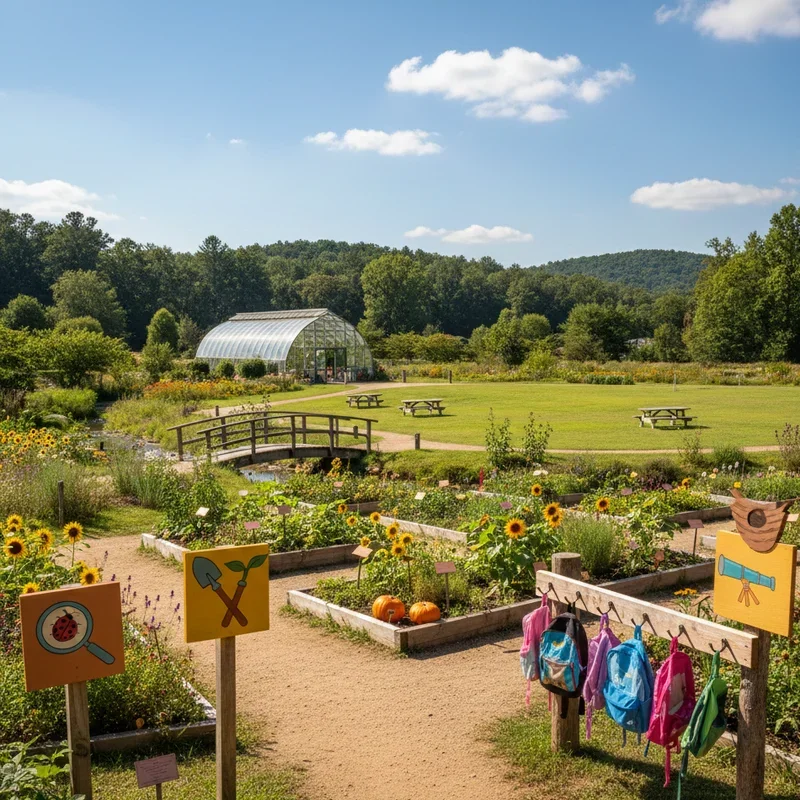
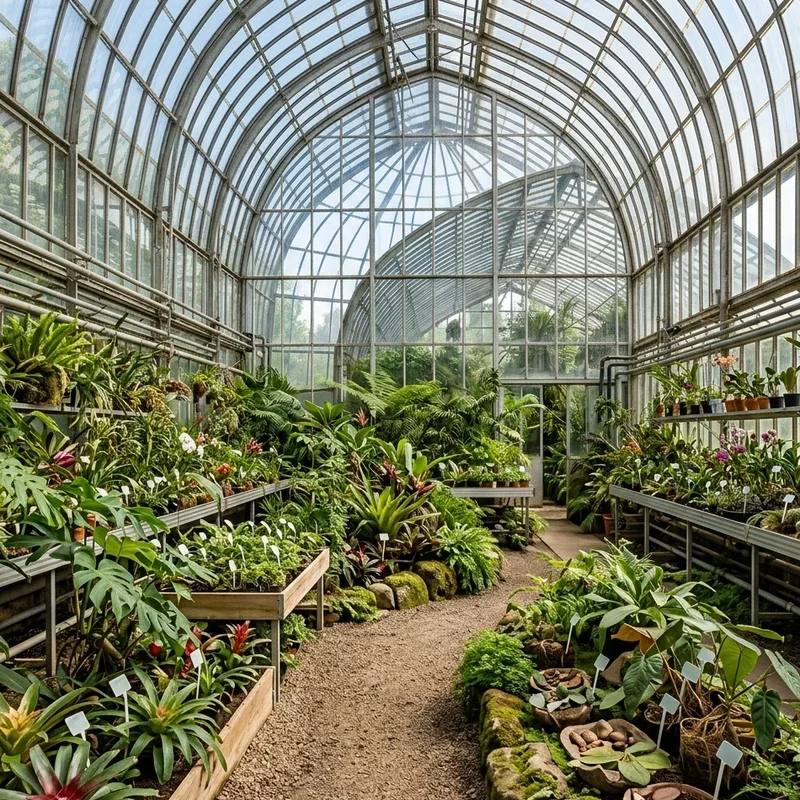
Explore living laboratories where plant science, ecology, and environmental studies grow visibly before students' eyes throughout carefully curated garden collections. Botanical gardens organize plants by taxonomy, geography, or ecology, creating natural classrooms for lessons about biodiversity, adaptation, and ecosystem relationships. Many gardens feature specialized environments: desert greenhouses, tropical rainforest domes, and aquatic plant collections that demonstrate how environmental conditions shape plant evolution. Educational programs teach pollination biology, photosynthesis, plant anatomy, and ethnobotany through specimens that students can examine directly rather than through photographs. The conservation mission of many botanical gardens connects plant science to environmental challenges that future scientists will need to address professionally. The peaceful garden environment creates calm conditions that enhance learning for students overwhelmed by more stimulating field trip destinations. Your botanical visit grounds biology education in living specimens that make abstract concepts tangible and memorable.
5. Zoological Research Facilities
Venture beyond public zoo spaces into research facilities where scientists study animal behavior, conservation biology, and veterinary medicine that students rarely witness publicly. Many zoos operate research programs that contribute genuinely to scientific understanding and conservation efforts beyond their entertainment functions. Students can observe veterinary procedures, learn about breeding programs for endangered species, and understand how scientific data collection informs animal care decisions. The research context transforms zoo visits from passive observation into understanding of scientific methods applied to zoological questions. Conservation messages resonate more powerfully when students meet researchers dedicating careers to preserving species that face extinction pressures globally. Many facilities offer behind-the-scenes tours specifically for educational groups seeking experiences beyond standard visitor offerings available to general public. Your research facility visit reveals the science supporting zoological institutions that students might otherwise perceive as merely entertainment venues.
6. Manufacturing Plant Tours
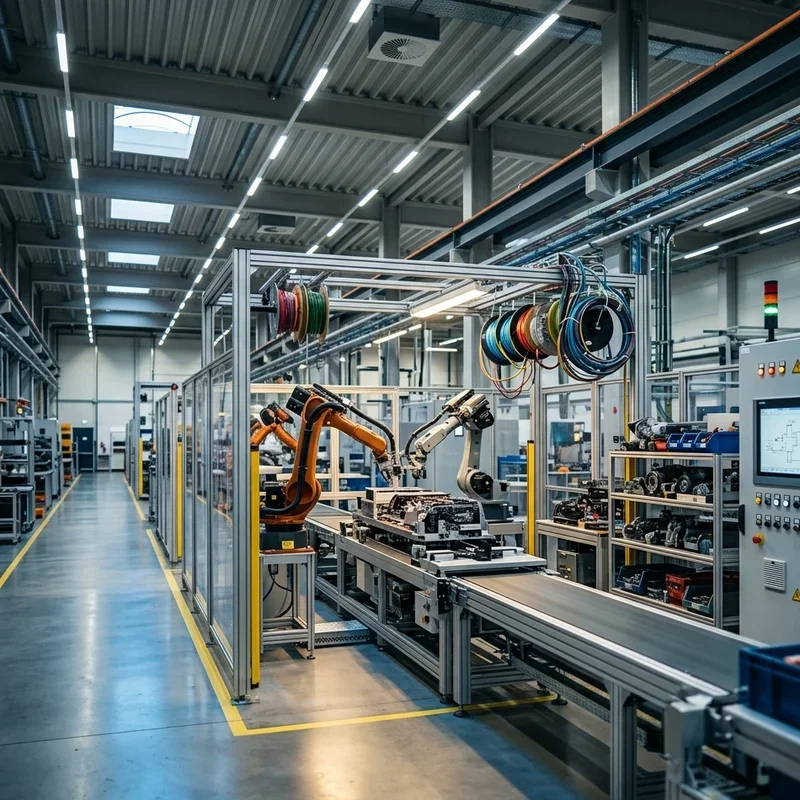
Witness engineering principles applied at industrial scale through manufacturing plant tours that transform abstract concepts into tangible production processes. Automotive plants, food processing facilities, aerospace manufacturers, and technology companies all offer educational tours demonstrating how products move from design to delivery. Students observe automation, robotics, quality control, and logistics that manufacturing careers require understanding for professional success eventually. The scale of industrial operations impresses students accustomed to classroom projects that produce single items rather than thousands of identical products daily. Safety protocols, engineering challenges, and workforce coordination all become visible during plant tours that connect classroom STEM to economic productivity. Many manufacturers specifically design educational programs that connect their production processes to curriculum standards teachers can reference in subsequent lessons. Your manufacturing tour demonstrates that STEM careers create tangible products that people use daily throughout their lives.
7. Environmental Science Centers
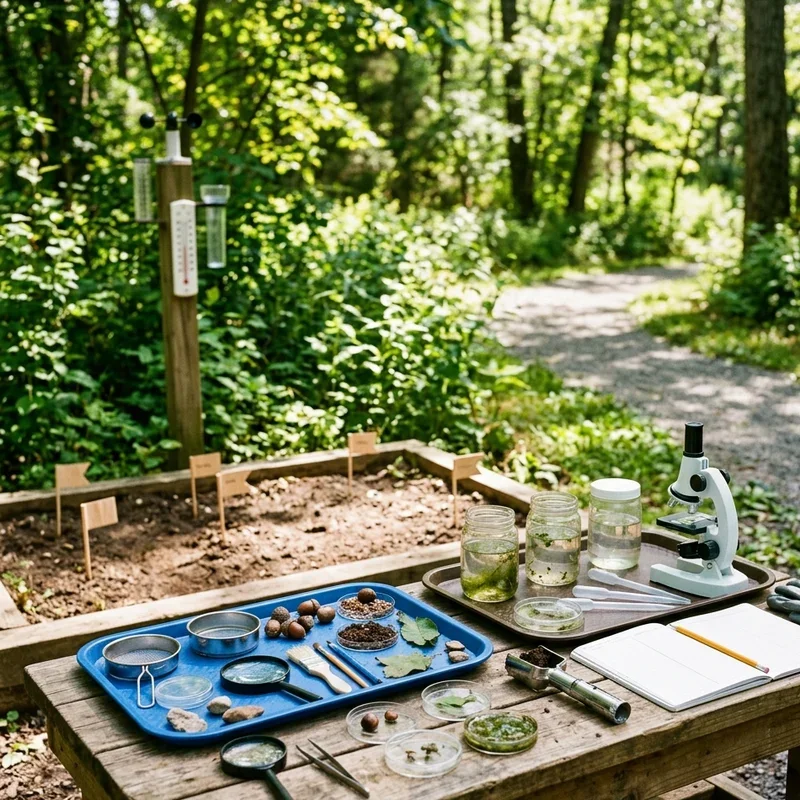
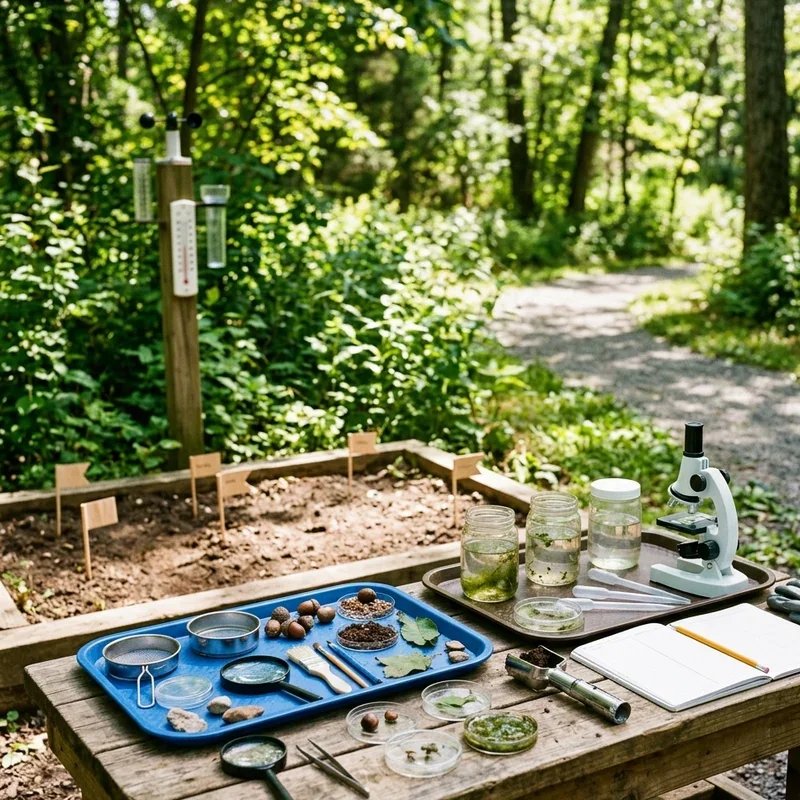
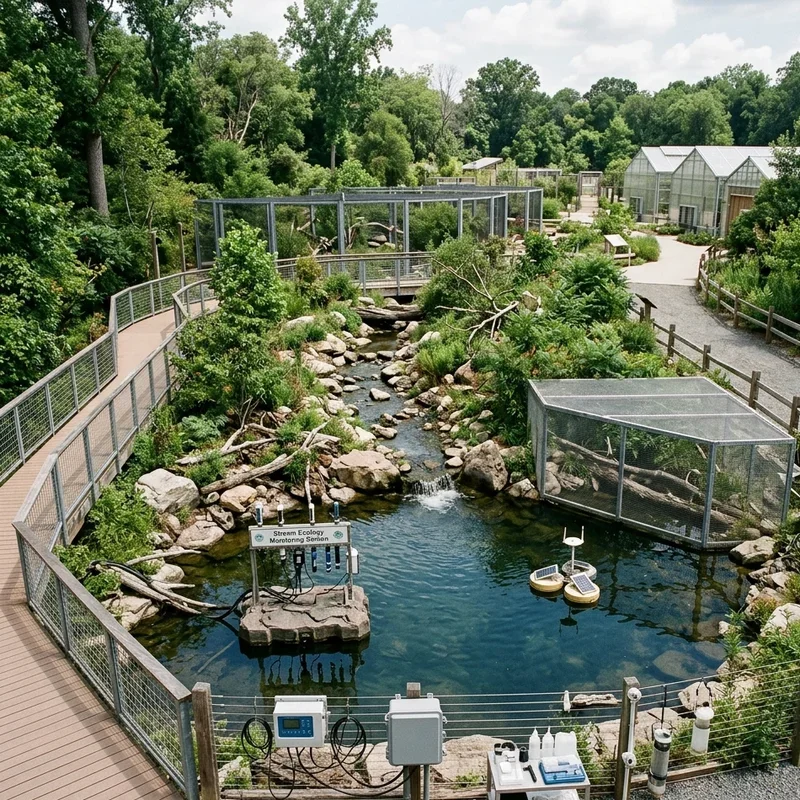
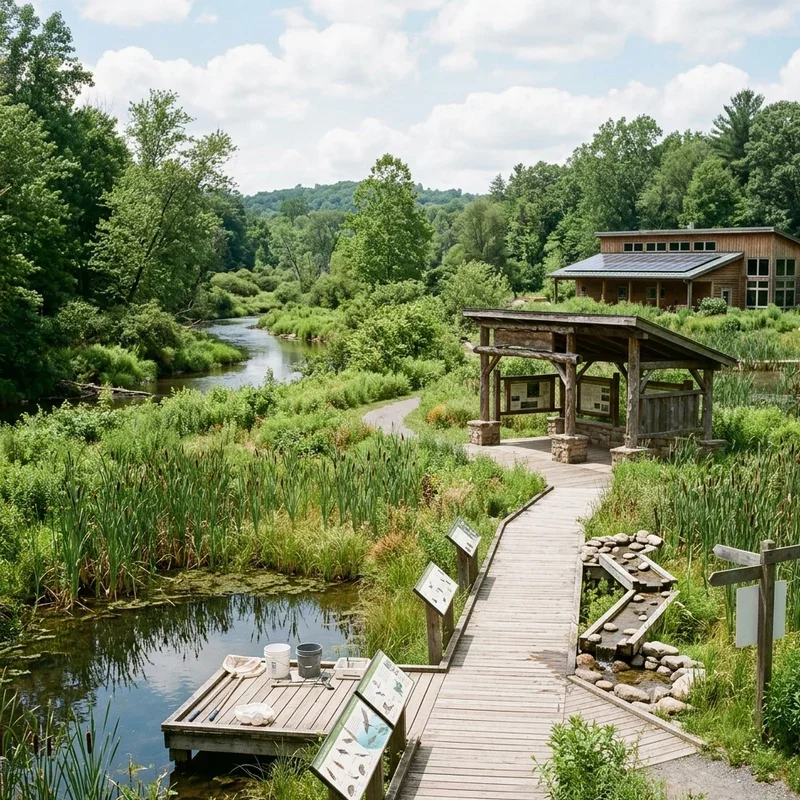
Immerse students in ecological education through environmental science centers that combine natural settings with educational programming focused on sustainability and conservation. Nature centers, wildlife refuges, and environmental education facilities offer outdoor classrooms where students observe ecosystems that textbooks describe abstractly. Water quality testing, wildlife monitoring, and habitat assessment activities provide hands-on experience with scientific methods that environmental scientists apply professionally. Many centers focus on local ecosystems, connecting global environmental concepts to students' own communities and daily experiences directly. The outdoor setting engages kinesthetic learners who struggle with indoor classroom instruction while providing fresh air that enhances cognitive function. Conservation messaging emphasizes that environmental challenges require scientific solutions that current students might someday provide professionally. Your environmental center visit connects ecological education to natural settings where science subjects come alive through direct observation and participation.
8. University Research Labs
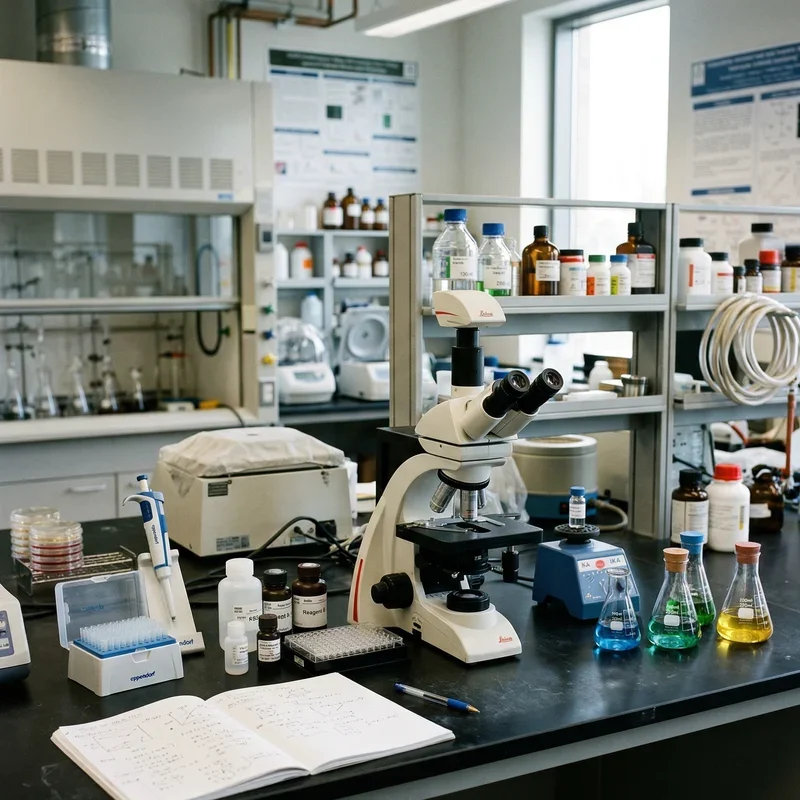
Peek into higher education's research engine through university laboratory tours that show students where scientific discoveries actually happen beyond textbook descriptions. Many universities welcome K-12 groups, recognizing that inspiring young scientists today builds future student populations and research communities. Students observe sophisticated equipment, meet graduate students pursuing research careers, and learn about scientific questions that remain unanswered awaiting investigation. The laboratory environment communicates that science continues evolving rather than existing as fixed knowledge that textbooks completely capture already. Exposure to university settings helps students visualize themselves as future college students pursuing STEM degrees at institutions they've actually visited. Research presentations from graduate students and professors demonstrate that scientific careers involve ongoing discovery rather than merely applying established knowledge. Your university visit plants seeds for higher education aspirations while demonstrating the research that drives scientific progress continuously.
9. Aquariums and Marine Centers
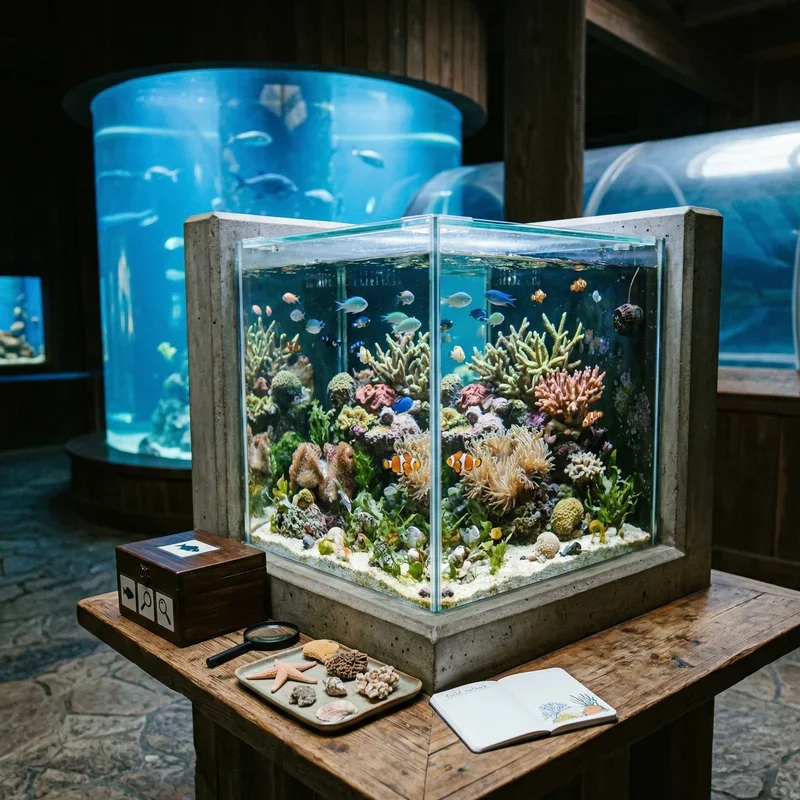
Dive into marine biology through aquarium visits that bring ocean ecosystems inland where students can observe species impossible to encounter otherwise. Major aquariums feature diverse habitats from coral reefs to kelp forests to deep ocean environments that support remarkably different life forms. Educational programs teach marine ecology, conservation, and the scientific methods that marine biologists use to study ocean environments. Touch tanks and feeding demonstrations provide interactive experiences that passive observation cannot match for engagement and memory formation. Many aquariums operate research and conservation programs that students can learn about, connecting entertainment visits to serious scientific work. The water-based environment appeals particularly to students interested in oceanography, marine biology, or environmental science focused on aquatic ecosystems. Your aquarium visit brings marine science to students regardless of their proximity to actual ocean environments where direct study would otherwise occur.
10. Weather Station Tours
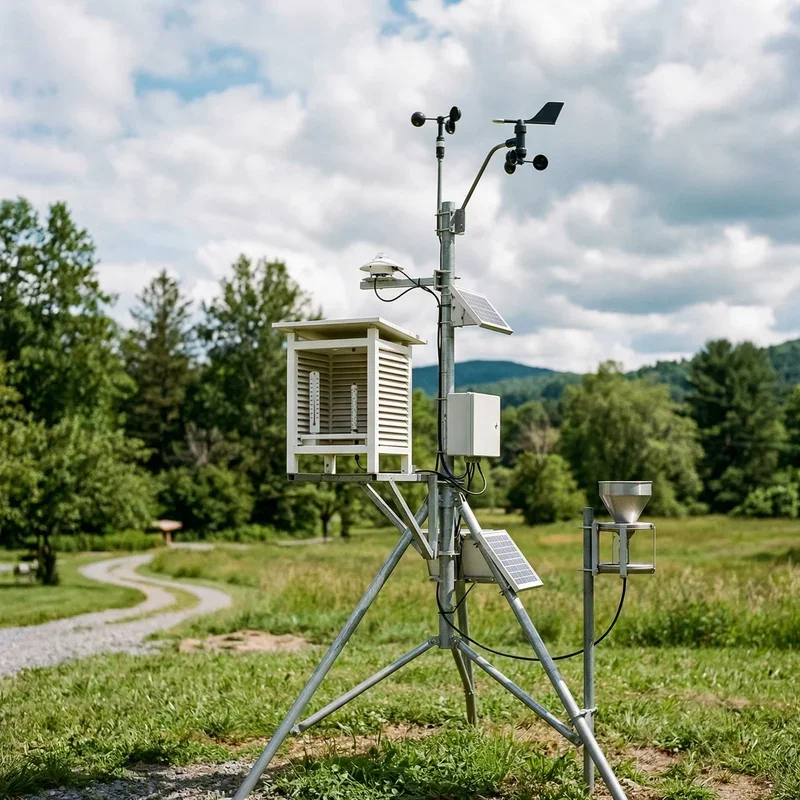
Forecast student interest in atmospheric science through weather station tours that reveal how meteorologists predict the weather that affects daily life constantly. National Weather Service offices, television station weather departments, and university meteorology programs often welcome student groups seeking atmospheric science education. Students observe weather balloon launches, radar operations, and forecast modeling that transform raw data into predictions communities depend upon. The real-time nature of weather science means every visit features unique conditions that meteorologists analyze and explain while students observe. The practical applications of weather prediction, from severe storm warnings to agricultural planning, demonstrate science serving society directly and importantly. Many weather professionals entered their careers through childhood fascination with storms that educational visits can nurture in current students similarly. Your weather station tour connects daily weather observations to sophisticated science that students might someday pursue professionally.
11. Renewable Energy Facilities
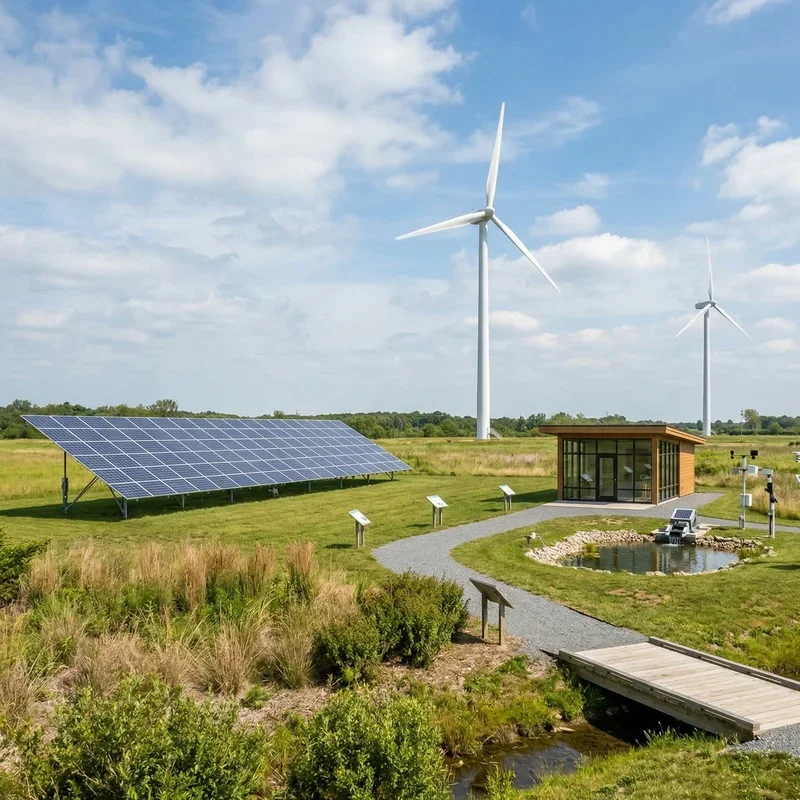
Power student understanding of sustainable technology through renewable energy facility tours demonstrating solar, wind, and hydroelectric systems that will define future energy landscapes. Solar farms, wind turbines, and hydroelectric dams all offer educational tours explaining how these systems convert natural resources into electricity powering communities. Students observe engineering solutions to climate challenges while learning about technologies that their generation will expand and improve professionally. The scale of industrial renewable installations impresses students accustomed to residential solar panels or small educational wind turbines in schoolyards. Many facilities explain grid integration, energy storage, and transmission challenges that renewable expansion requires engineers to solve continuously. The environmental benefits of renewable energy connect scientific education to values that many students hold regarding climate change and sustainability. Your renewable energy visit demonstrates that sustainable technology careers offer opportunities for meaningful work that benefits society and environment simultaneously.
12. Archaeological Dig Sites
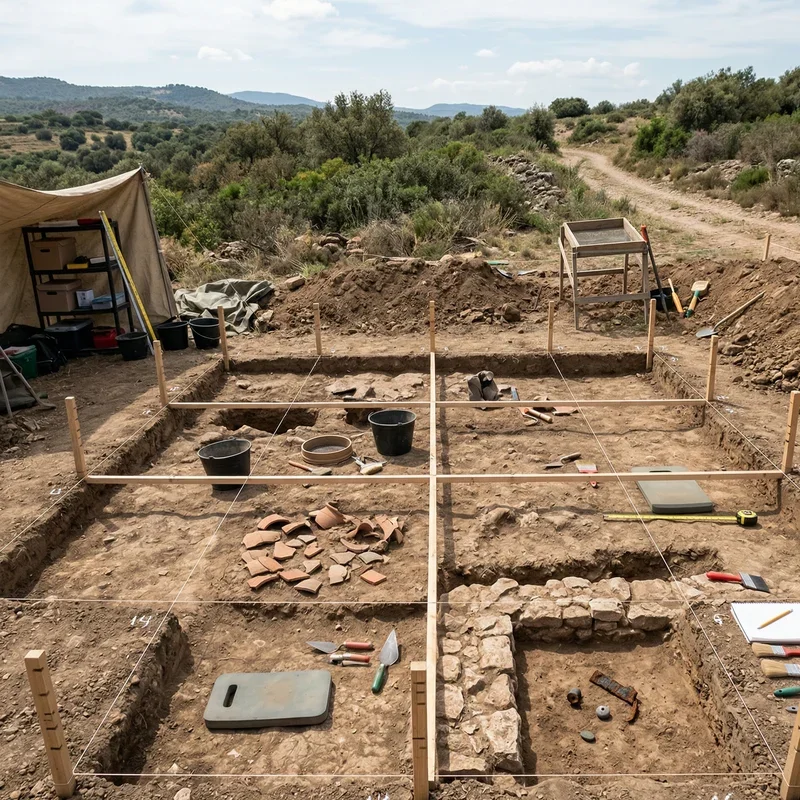
Unearth scientific methods through archaeological site visits where students observe how researchers reconstruct past human activities from physical evidence remaining. Active dig sites, museum archaeology programs, and educational excavation experiences all provide hands-on learning about archaeological scientific methods. Students learn artifact identification, stratigraphy, dating techniques, and the careful documentation that distinguishes scientific archaeology from treasure hunting. The interdisciplinary nature of archaeology connects geology, biology, chemistry, and physics to historical and anthropological questions that artifacts help answer. Many sites offer simulated digs where students excavate prepared areas using authentic archaeological tools and techniques without disturbing actual resources. The patience required for archaeological research teaches that scientific discovery often proceeds slowly through careful, systematic work rather than dramatic breakthroughs. Your archaeological visit connects STEM methods to humanities subjects in interdisciplinary ways that reflect actual scientific practice accurately.
13. Medical and Health Science Centers
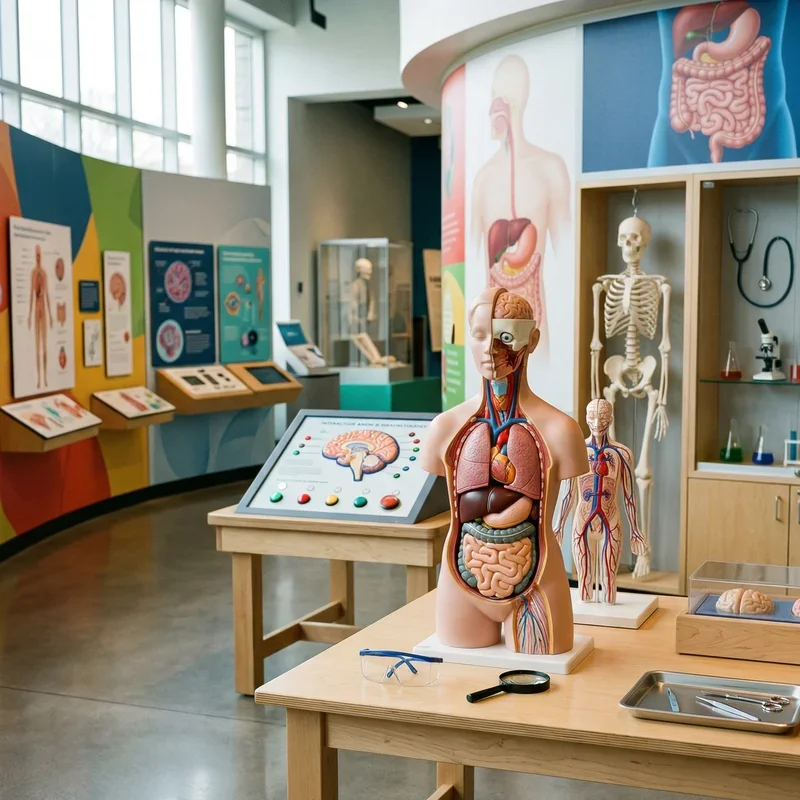
Examine human biology through medical center educational programs that demonstrate how STEM education leads to healthcare careers that serve communities directly. Many hospitals, medical schools, and health science centers offer educational programs for student groups interested in healthcare careers. Students observe medical technology, learn about anatomical systems, and meet healthcare professionals who explain how their education prepared them for demanding careers. Simulation centers allow students to practice medical procedures on mannequins that mimic human responses to interventions safely. The connection between biological science education and healthcare careers becomes tangible when students see hospitals as workplaces they might someday occupy professionally. Public health education demonstrates that medical science extends beyond individual patient care to community-wide health improvement efforts. Your medical center visit connects biology education to healthcare careers that many students consider pursuing after graduation eventually.
14. Computer and Tech Company Tours
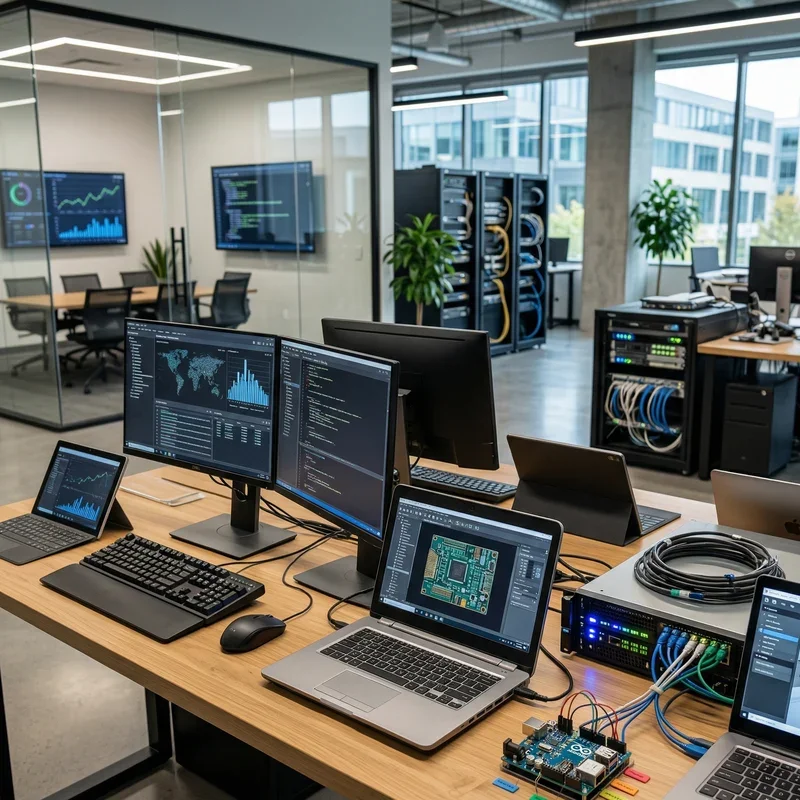
Decode technology careers through tech company visits that show students how software, hardware, and digital services emerge from STEM-educated workforces. Major technology companies and smaller local tech firms often welcome student groups, recognizing their role in developing future workforce pipelines. Students observe software development, hardware testing, and the collaborative environments that technology careers typically involve professionally. The casual culture of many tech companies appeals to students who might find traditional corporate environments unappealing professionally. Exposure to diverse technology roles from coding to design to data analysis demonstrates that technology careers accommodate varied interests and abilities. The rapid evolution of technology industries excites students who want careers where their work changes constantly rather than remaining static throughout their professional lives. Your tech company visit demonstrates that computer science education leads to exciting careers that shape how society functions daily.
15. Bridge and Dam Engineering Sites
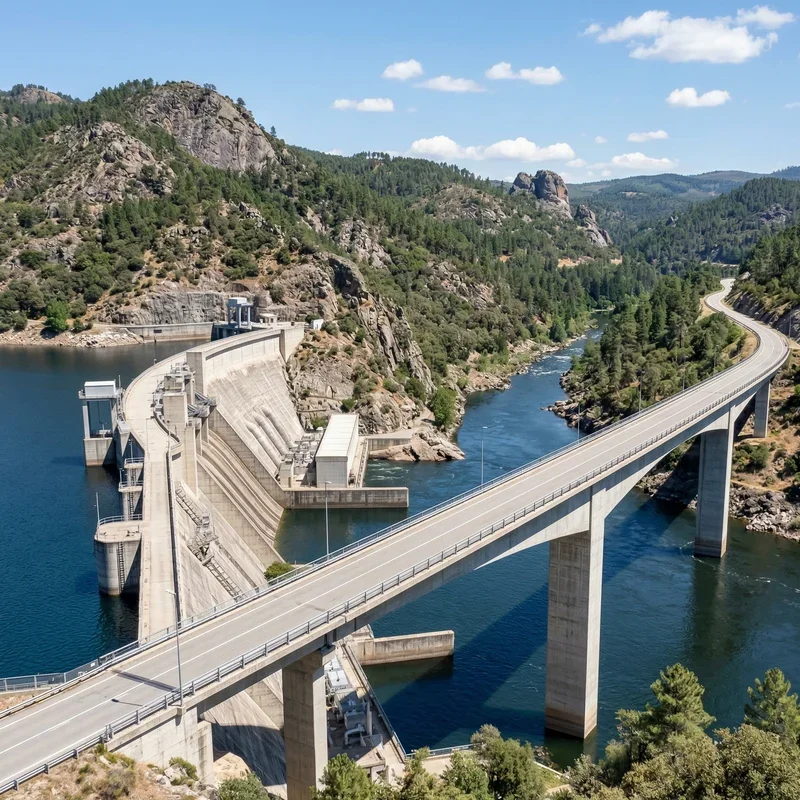
Construct understanding of civil engineering through infrastructure tours that demonstrate how mathematics and physics create structures serving communities for generations. Major bridges, dams, and other infrastructure projects often offer educational tours explaining the engineering that makes these structures possible and safe. Students observe structural engineering principles applied at massive scales that dwarf any classroom project they might complete educationally. The public service aspect of civil engineering appeals to students interested in careers that benefit communities through essential infrastructure. Many historic structures offer particular educational value, demonstrating how engineering has evolved through centuries of accumulated knowledge and experience. The visible nature of civil engineering makes these careers tangible in ways that abstract technology careers sometimes fail to achieve. Your infrastructure visit demonstrates that engineering careers create lasting contributions to communities that remain functional for decades after construction completion.
Conclusion
STEM field trips transform abstract educational concepts into tangible experiences that inspire students toward scientific careers and lifelong curiosity about how the world works. These fifteen destinations offer varied approaches to experiential STEM education that teachers can match to specific curriculum goals and student interests appropriately. The memories formed during quality field trips often prove more durable than classroom instruction, providing reference points that students recall throughout academic and professional careers. Consider your students' specific interests, curriculum requirements, and logistical constraints when selecting destinations that maximize educational return on field trip investment. Preparation before trips and reflection afterward enhances learning that experiential education provides during actual visits. Your field trip planning today shapes scientists, engineers, and innovators who will solve tomorrow's challenges.
Frequently Asked Questions
Q1: How do I justify STEM field trip costs to school administrators?
A: Connect trips to curriculum standards, demonstrate unique learning opportunities, and document educational outcomes formally.
Q2: What age groups benefit most from STEM field trips?
A: All ages benefit, though destinations should match developmental levels and curriculum alignment appropriately.
Q3: How can teachers prepare students for maximum STEM field trip learning?
A: Introduce relevant concepts beforehand, provide observation guides, and plan follow-up activities connecting experiences.
Q4: Are virtual STEM field trips effective alternatives to in-person visits?
A: Virtual trips offer accessibility but cannot fully replicate hands-on experiences that in-person visits provide.
Q5: How many chaperones should accompany STEM field trips typically?
A: Follow destination requirements and school policies, typically one adult per eight to ten students.
Stay up to date with our latest ideas!