15 In-House Field Trip Ideas for Fun Learning at Home
Discover 15 creative in-house field trip ideas that bring exciting learning adventures home. Transform any day into educational fun!
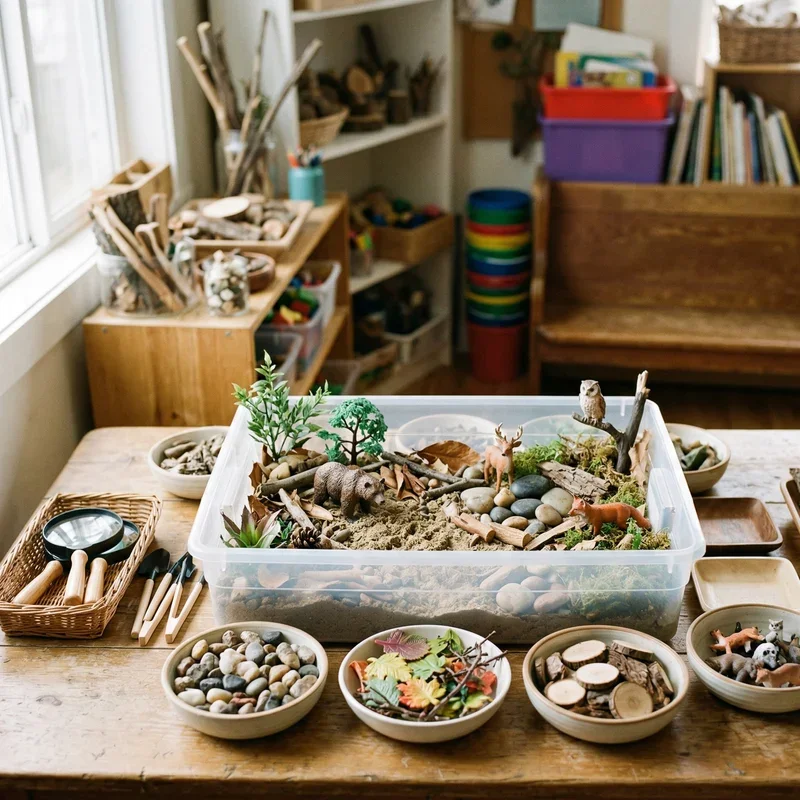
Who says field trips require permission slips, packed lunches, and exhausting bus rides to distant destinations? The most memorable learning experiences sometimes happen right inside your own four walls when creativity transforms ordinary spaces into extraordinary educational adventures. In-house field trips have emerged as powerful alternatives for homeschooling families, snow days, summer breaks, or anytime traditional outings prove impractical for your situation. These home-based adventures cost nothing beyond imagination and basic supplies while delivering engagement levels that rival expensive museum visits or distant attraction excursions. Children learn best when education feels like play rather than obligation, and in-house field trips masterfully blur those boundaries completely. The kitchen becomes a chemistry lab, the backyard transforms into archaeological dig sites, and living rooms host art galleries featuring works by your very own young masters. Ready to discover fifteen ideas that make staying home feel like going somewhere truly special?
1. Kitchen Science Laboratory
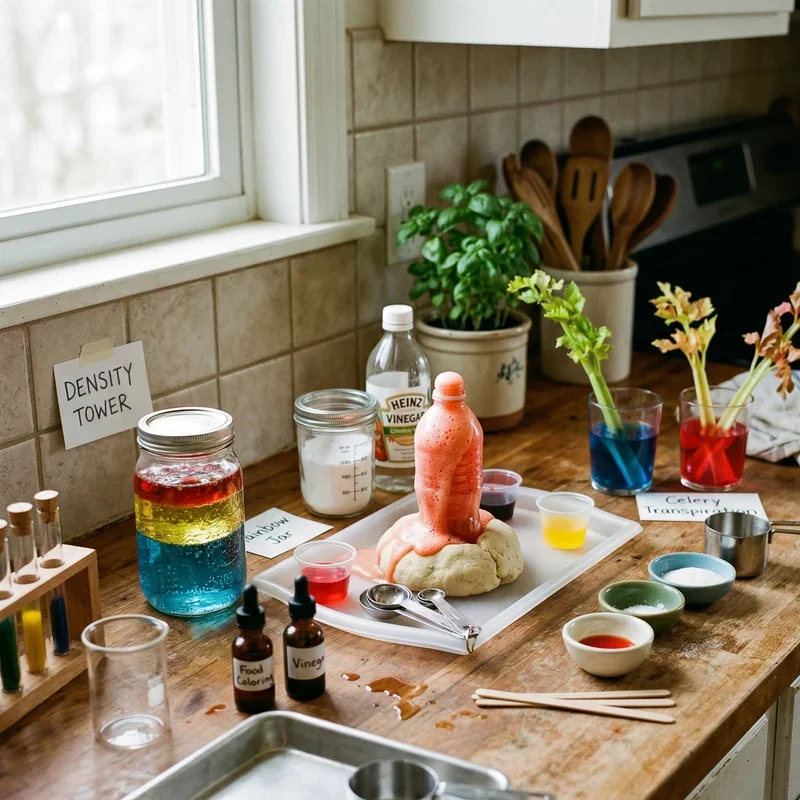
Transform your kitchen into a bubbling laboratory where young scientists conduct experiments that spark curiosity and demonstrate real scientific principles. The kitchen already contains most supplies needed for impressive experiments: baking soda volcanoes, milk plastic creation, density towers using household liquids, and crystal growing projects that unfold over days. Dress children in oversized white shirts serving as lab coats, and provide safety goggles for authentic scientist experiences that make learning feel official. Introduce proper scientific method vocabulary: hypothesis, experiment, observation, and conclusion become natural parts of kitchen laboratory conversations. Document experiments through drawings, photographs, or written observations that create laboratory notebooks children reference for future experiments. The hands-on nature of kitchen science creates memorable learning that textbook reading simply cannot replicate effectively. Your kitchen laboratory teaches that science surrounds us constantly, waiting for curious minds to discover its everyday presence everywhere.
2. Living Room Art Museum
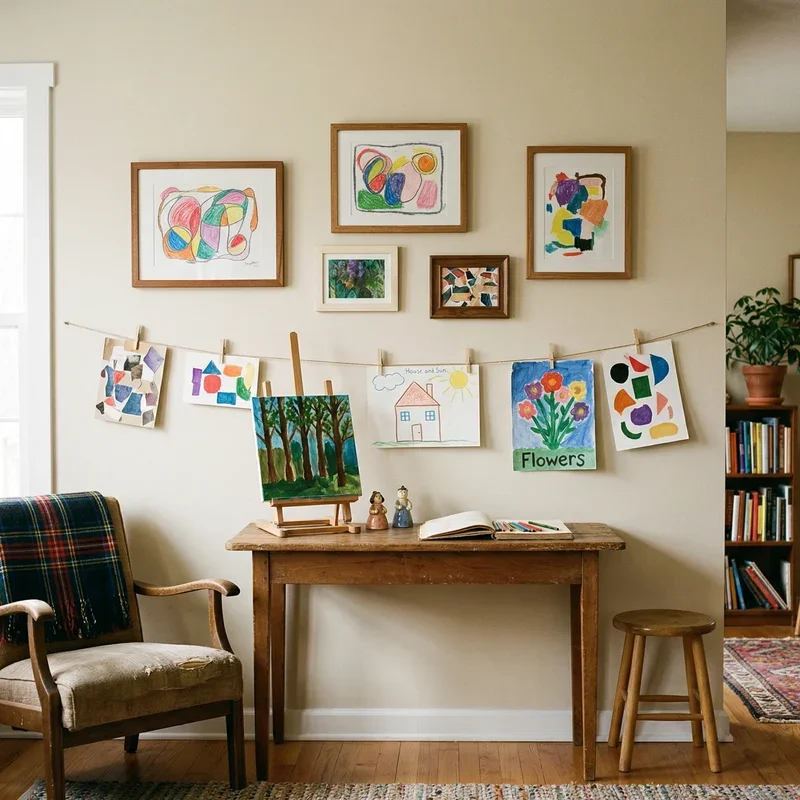
Curate a gallery exhibition featuring artwork created by your children, family members, or reproductions of famous pieces that spark artistic discussions. Clear wall space for displaying artwork, create museum-style labels explaining each piece, and develop audio tour scripts children record for visitors. Study different art movements beforehand: impressionism, cubism, abstract expressionism, and pop art provide frameworks for creating new works in various styles. Children learn museum etiquette, artistic vocabulary, and the creative process that transforms blank canvases into meaningful expressions worth displaying proudly. Include sculpture corners, interactive art stations, and gift shops selling artwork reproductions that children create specially. The museum experience teaches presentation skills alongside artistic techniques that professional galleries employ for showcasing valuable collections. Your living room gallery celebrates creativity while teaching that art belongs everywhere, not just in faraway museums requiring expensive admission fees.
3. Backyard Nature Safari
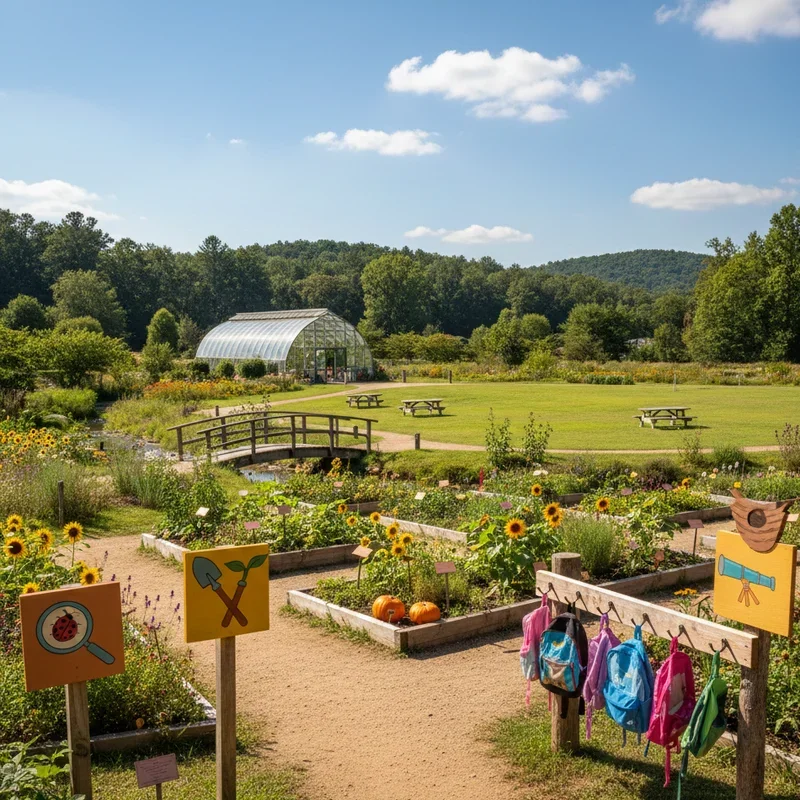
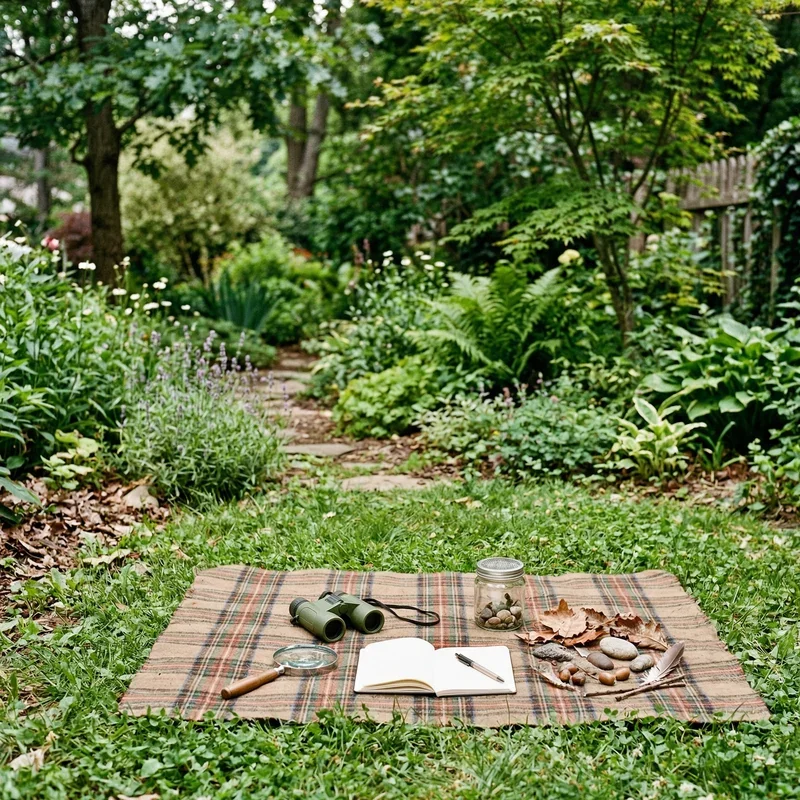
Grab binoculars and field guides for safari expeditions exploring the wildlife inhabiting your own backyard ecosystem waiting for discovery. Even small urban yards contain insects, birds, squirrels, and plant species that become fascinating when observed with genuine scientific curiosity and attention. Create safari journals where children sketch wildlife, record behaviors, and identify species using field guides or nature identification apps. Build simple bird feeders or insect hotels that attract wildlife for extended observation opportunities spanning multiple safari expedition days. Discuss food chains, habitats, and ecosystems using your backyard as living example that connects abstract concepts to observable reality. Dawn and dusk safaris reveal different animal activities than midday expeditions, teaching that timing matters for wildlife observation success. Your backyard safari develops patience, observation skills, and appreciation for nature existing immediately outside your door constantly.
4. Indoor Camping Adventure
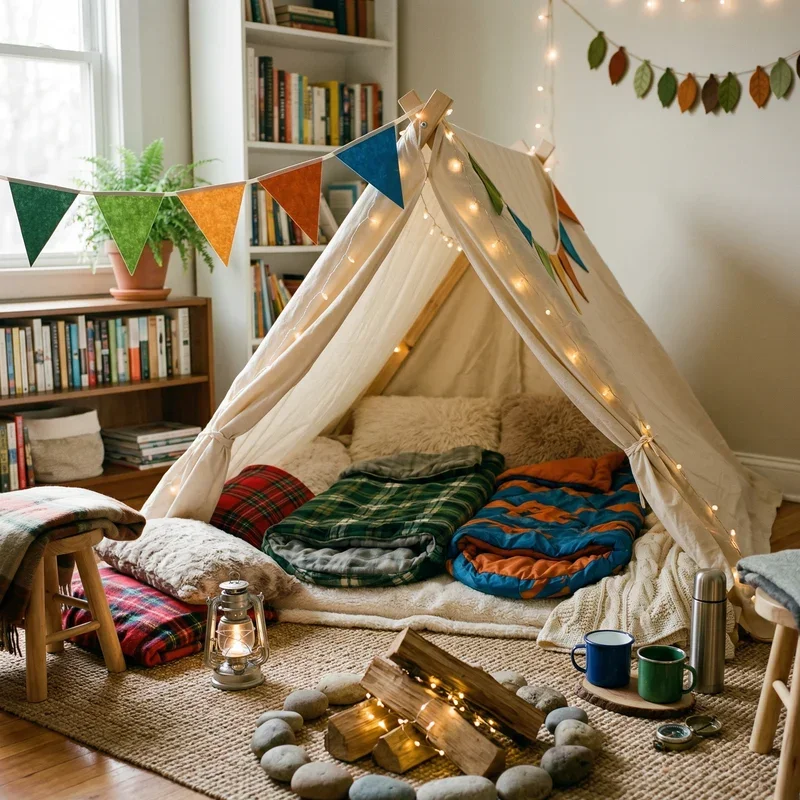
Pitch tents in living rooms for camping experiences that teach outdoor skills without weather concerns, insects, or nighttime fears complicating the adventure. Set up sleeping bags, lanterns, and camping supplies that create authentic atmosphere while remaining steps from bathrooms and refrigerators. Teach campfire safety using battery-operated candles, practice tent assembly skills, and cook camping foods like s'mores using microwaves or ovens safely. Tell campfire stories that develop narrative skills, sing camping songs, and play flashlight shadow games that entertain without screen dependence. Study nocturnal animals, constellation identification, and Leave No Trace principles that prepare children for actual outdoor camping adventures eventually. The controlled indoor environment builds camping confidence while developing skills that transfer to real wilderness experiences when opportunities arise. Your indoor camping creates adventure atmosphere that imaginative children embrace fully despite technical indoor locations.
5. Home Restaurant Experience
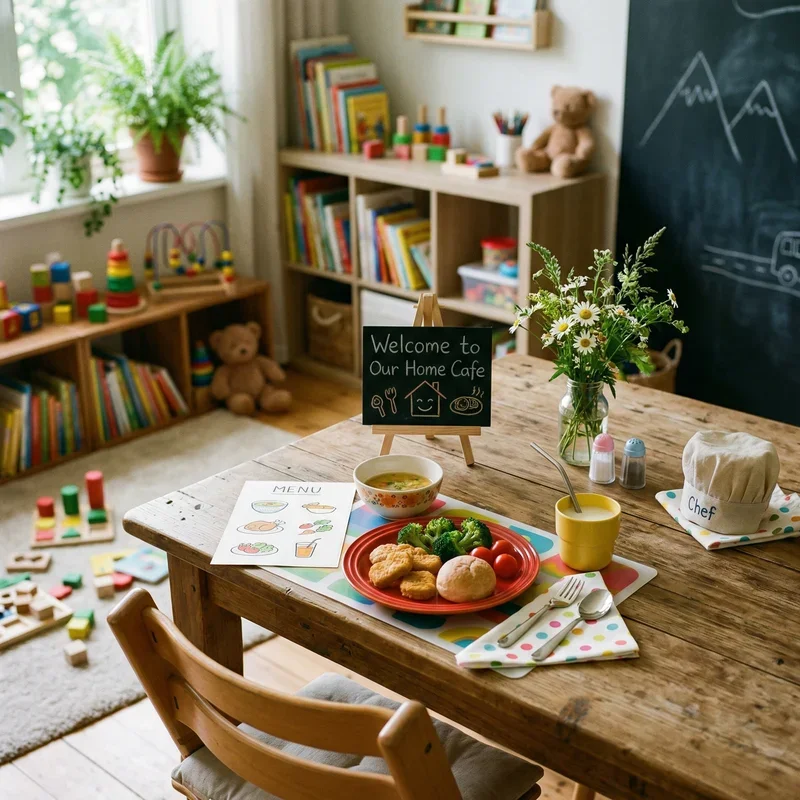
Open a restaurant where children plan menus, prepare food, serve customers, and manage the business operations that real restaurants require. Create restaurant names, design menus featuring dishes children can safely prepare, and set tables with proper place settings that teach dining etiquette. Children practice math through pricing, making change, and calculating tips that transform abstract arithmetic into practical applications. Food preparation develops kitchen safety skills, measurement understanding, and the patience that cooking processes require from start to finish. Assign rotating roles: chef, server, host, and customer positions provide different perspectives on restaurant operations from multiple viewpoints. The experience teaches hospitality, teamwork, and the effort behind dining experiences children typically receive without considering the work involved. Your home restaurant combines life skills, mathematics, and social learning through engaging roleplay children genuinely enjoy performing.
6. Postal Service Station
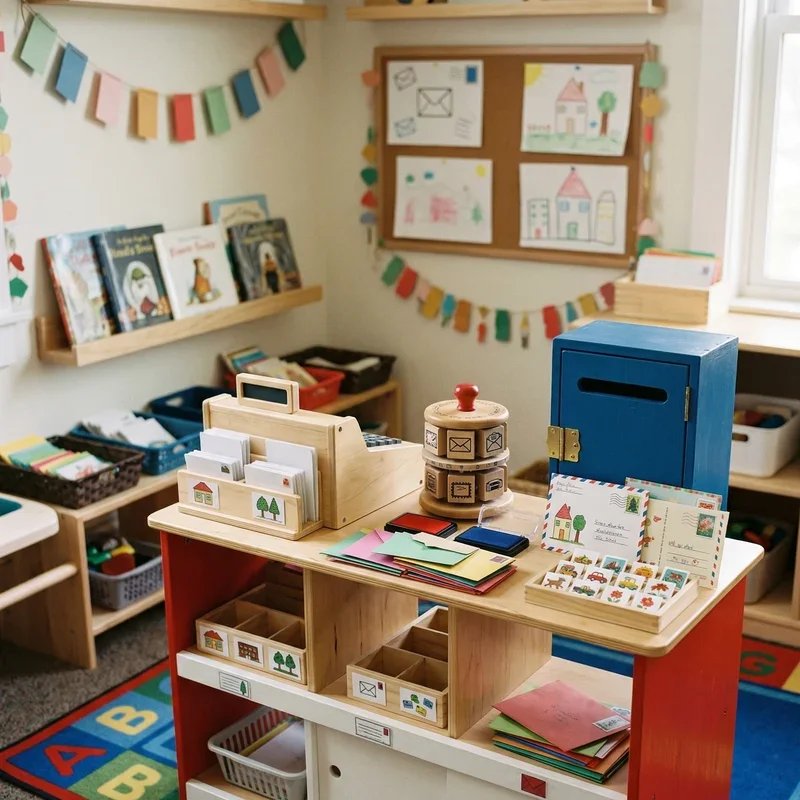
Establish a post office where children create mail, practice addressing, learn about postal systems, and understand communication methods that preceded email dominance. Design stamps, create mailboxes for family members, and write letters that travel through your postal system before delivery. Study postal history, mail routes, and the logistics that move billions of letters and packages across distances daily. Practice addressing envelopes correctly, calculating postage based on weight and distance, and understanding zip codes that organize mail delivery efficiently. The writing practice improves penmanship and composition skills while teaching communication patience that instant messaging has largely eliminated from modern experience. Send actual letters to distant relatives, connecting your postal play to real-world mail systems that still operate despite digital alternatives. Your postal station teaches practical skills while celebrating written communication's enduring importance despite technological changes.
7. Veterinary Clinic Roleplay
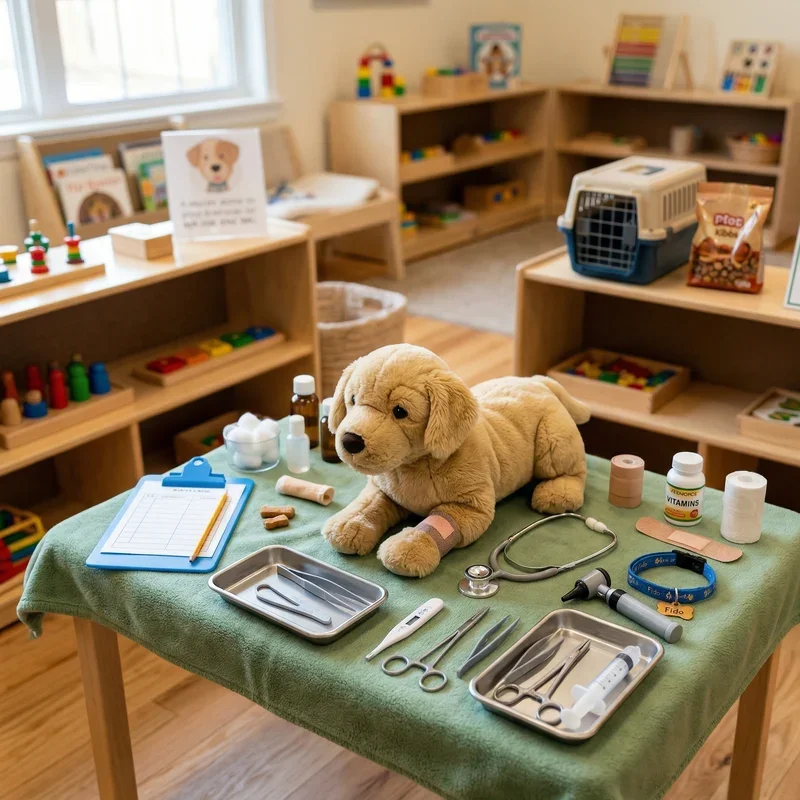
Open a veterinary clinic where stuffed animals receive checkups, diagnoses, and treatments that teach children about animal care and medical procedures. Gather toy medical equipment, create patient files for each stuffed patient, and develop waiting rooms that mimic actual veterinary office experiences. Research common pet illnesses, preventive care requirements, and the education veterinarians complete before treating animal patients. Practice gentle handling, symptom observation, and the empathy that caring for sick animals requires from medical professionals. Include receptionist roles that teach appointment scheduling, record keeping, and customer service skills that veterinary practices depend upon. The roleplay develops compassion while demystifying medical settings that sometimes frighten children unfamiliar with clinical environments. Your veterinary clinic builds understanding of animal welfare while exploring potential career interests that hands-on play often reveals.
8. Archaeological Dig Site
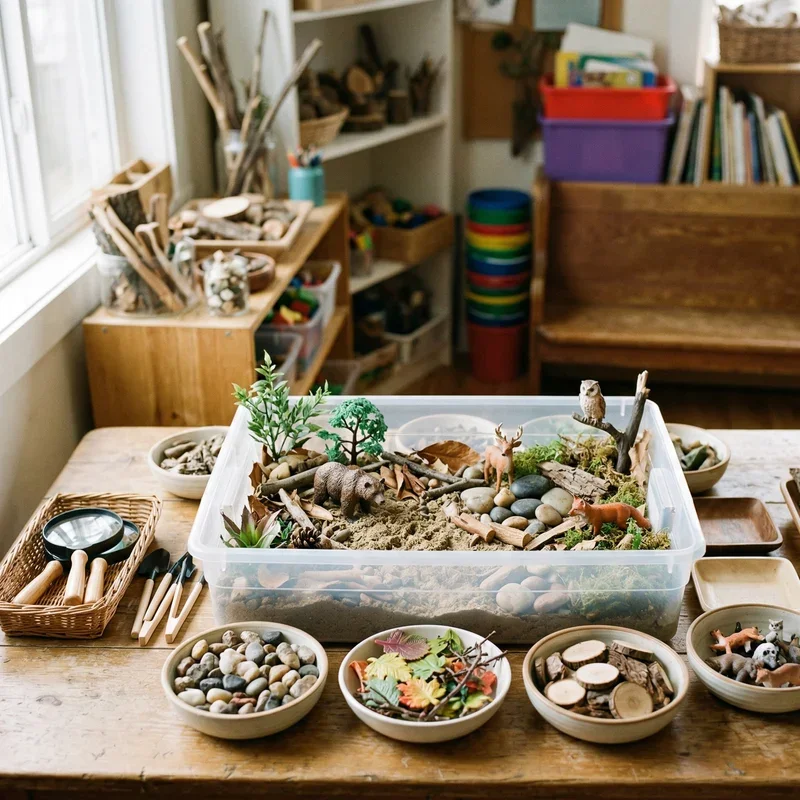
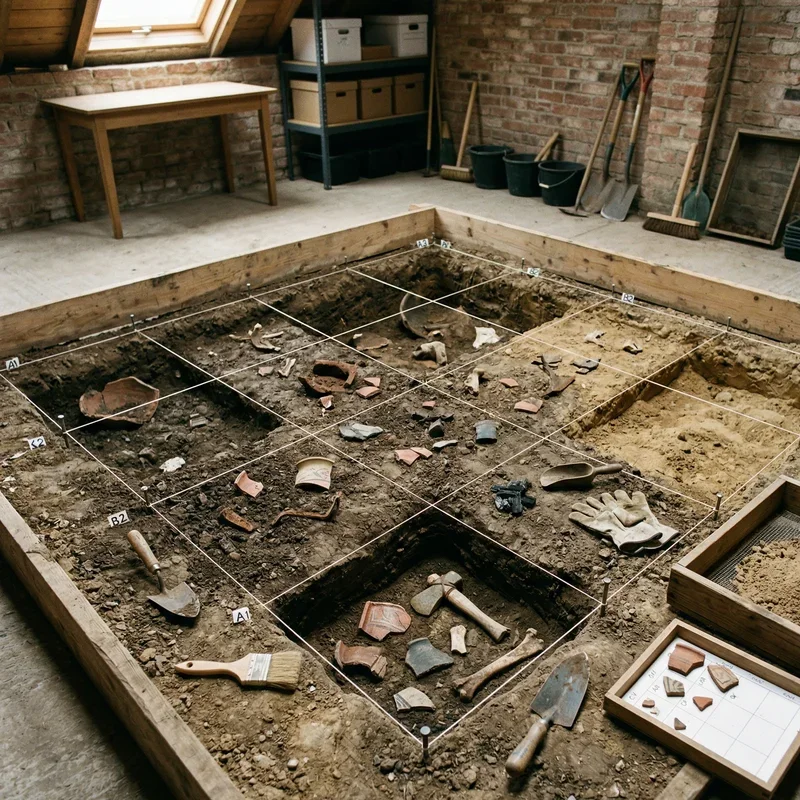
Bury treasures in sandbox or soil for archaeological excavations that teach careful discovery, artifact documentation, and historical thinking skills. Hide small toys, coins, pottery fragments, or specially created artifacts that children excavate using brushes, small tools, and patient techniques. Create dig site grids using string that teach systematic excavation methods actual archaeologists employ when uncovering ancient sites. Document discoveries through photography, sketching, and written descriptions that create archaeological records of your expedition findings. Discuss what artifacts reveal about past peoples: their tools suggest technologies, their art reveals beliefs, their buildings indicate social organization. The slow, careful nature of archaeological work teaches patience that contrasts with instant gratification many modern activities provide. Your dig site transforms yard space into windows to imaginary pasts that careful excavation gradually reveals.
9. Weather Station Observatory
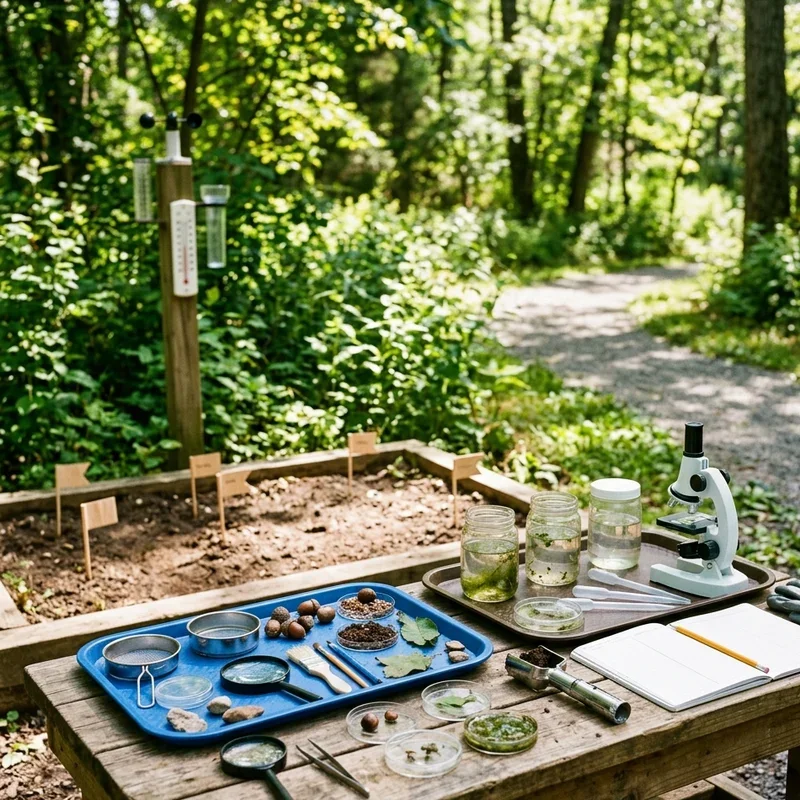
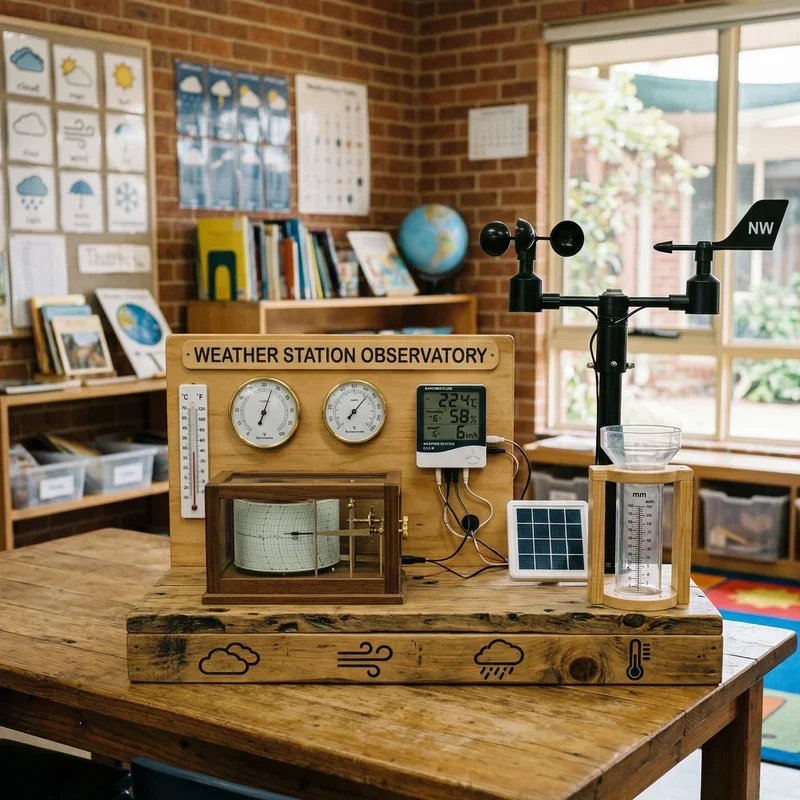
Establish a weather station that tracks conditions, teaches meteorology basics, and develops the observation habits that scientific thinking requires. Build simple instruments: rain gauges from bottles, wind vanes from cardboard, and barometers from jars that function surprisingly well. Record daily observations in weather journals that track patterns over weeks, revealing seasonal changes that single-day observations cannot capture. Study cloud types, weather system movements, and the science behind precipitation, temperature, and wind that affect daily life constantly. Compare your observations with professional forecasts, discussing accuracy and the complexity that weather prediction involves scientifically. The daily routine of observation teaches consistency while the data collection demonstrates how evidence accumulates into understanding over time. Your weather station connects children with atmospheric science that literally surrounds them every moment of every day.
10. Home Spa and Wellness Center
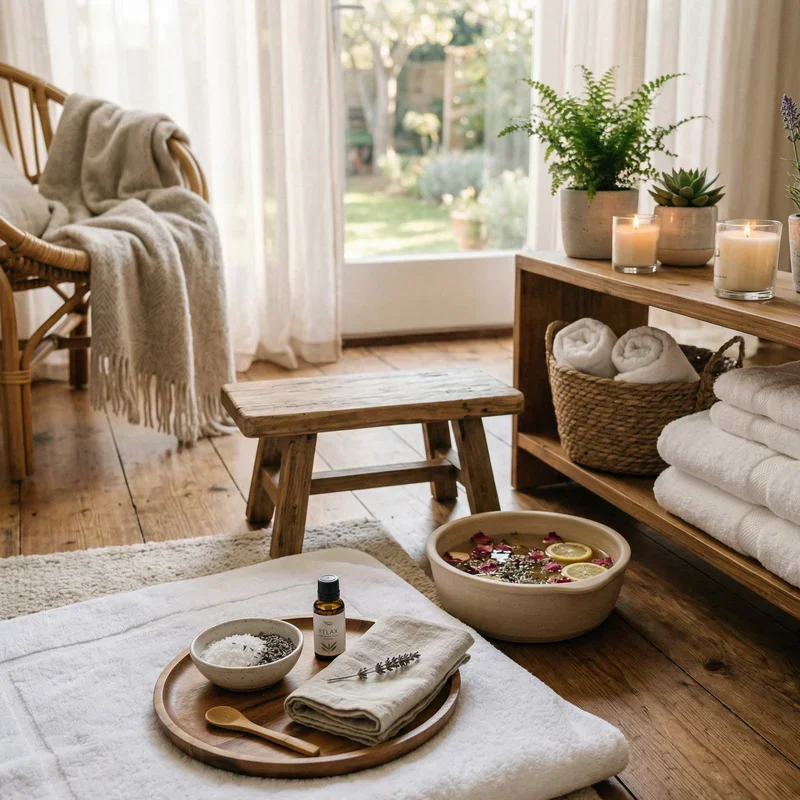
Create relaxation experiences that teach self-care, stress management, and the science behind wellness practices that support healthy living. Prepare homemade face masks using kitchen ingredients, discussing skin science and the properties that make certain ingredients beneficial. Practice gentle yoga poses, breathing exercises, and meditation techniques that children can employ whenever stress or anxiety arise. Create essential oil blends while learning about aromatherapy, plant properties, and the sense of smell that influences mood significantly. The spa environment emphasizes calm, teaching that peaceful spaces and intentional relaxation contribute to overall health importantly. Include healthy snack preparation and water intake discussions that connect nutrition to wellness comprehensively. Your home spa teaches that caring for ourselves represents important responsibility that begins with understanding what bodies and minds need.
11. Construction Zone Building
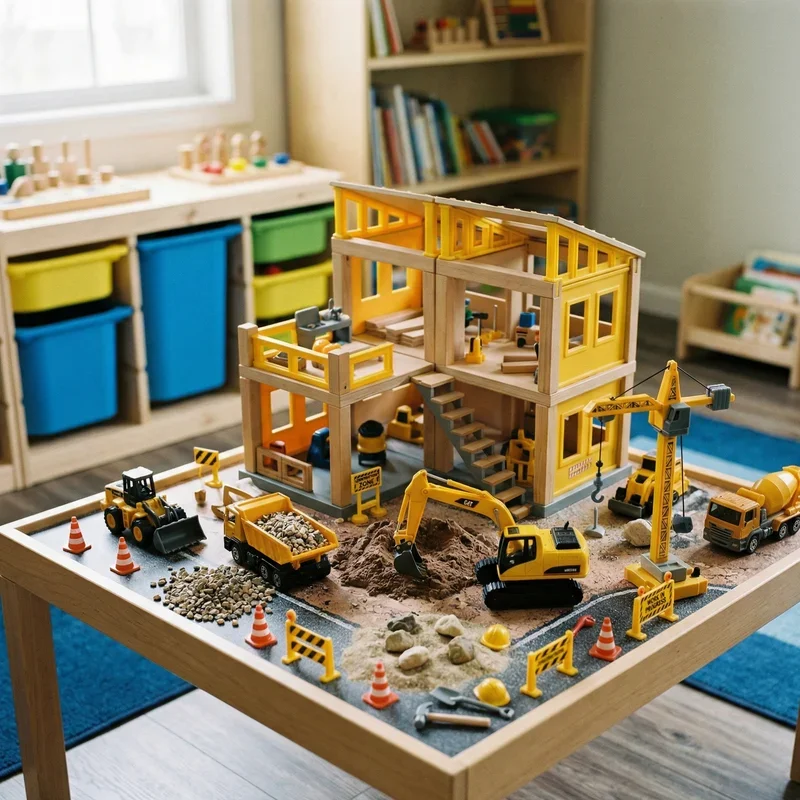
Transform spaces into construction zones where children build structures, operate imaginary heavy equipment, and learn about engineering principles. Use blocks, cardboard boxes, cushions, and construction toys for building projects that require planning, problem-solving, and revision when designs fail initially. Study famous structures: bridges, skyscrapers, and monuments provide inspiration while teaching the engineering that makes impressive buildings possible. Introduce basic physics concepts: load bearing, balance, and structural integrity become understandable through hands-on building experiments that succeed or collapse. Create construction site safety rules, hard hat requirements, and planning meetings that mimic actual construction project management processes. The building and rebuilding process teaches that failure provides learning opportunities rather than reasons for discouragement or abandonment. Your construction zone develops spatial reasoning and engineering thinking that many other activities cannot provide effectively.
12. Space Mission Control
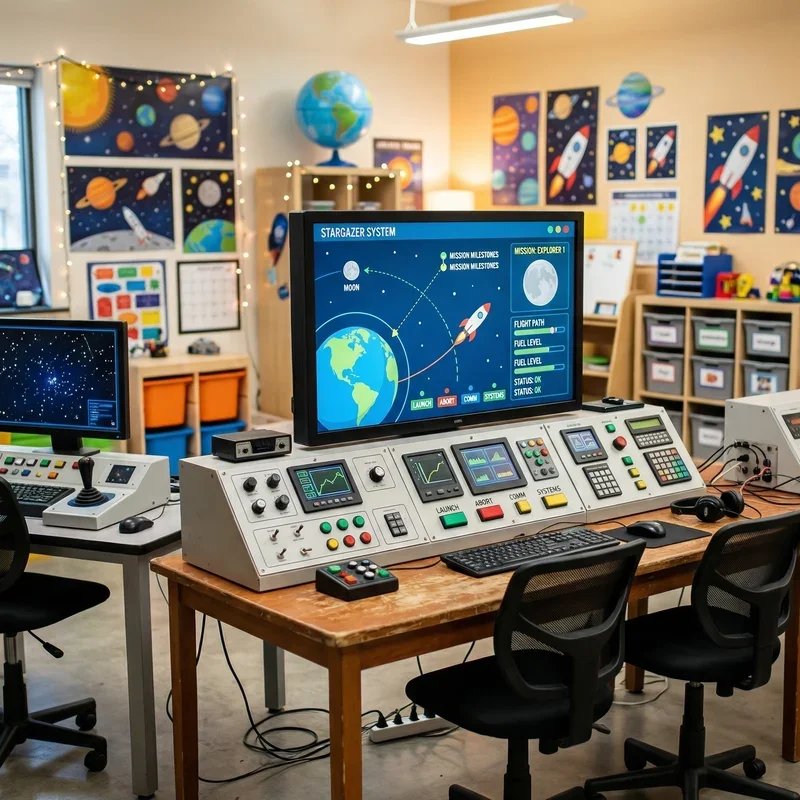
Launch imaginary space missions where children become astronauts, mission controllers, and scientists exploring the cosmos from home bases. Build spacecraft from cardboard boxes, create control panels with paper buttons and dials, and develop mission parameters that guide space exploration narratives. Study actual space missions, planetary science, and the technologies that enable human space exploration beyond Earth's atmosphere. Practice countdowns, mission communications, and problem-solving scenarios that real astronauts encounter during space travel challenges. Include spacewalk simulations, lunar surface explorations, and scientific experiments that astronauts conduct aboard the International Space Station regularly. The space theme naturally incorporates physics, mathematics, and technology that STEM education prioritizes for future career preparation. Your mission control inspires wonder about the universe while teaching the teamwork and precision that space exploration demands.
13. Farm to Table Garden
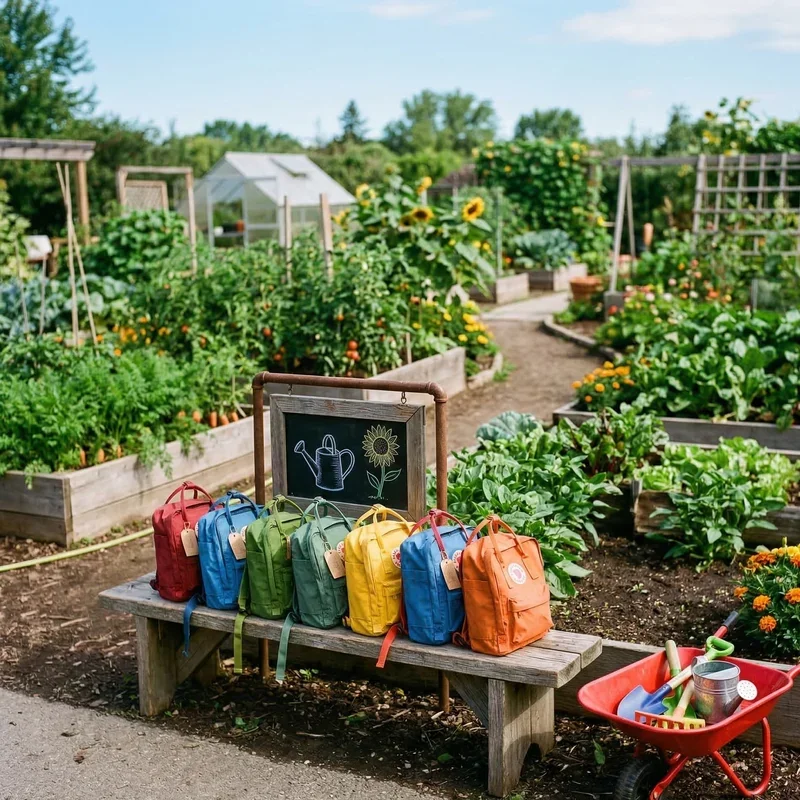
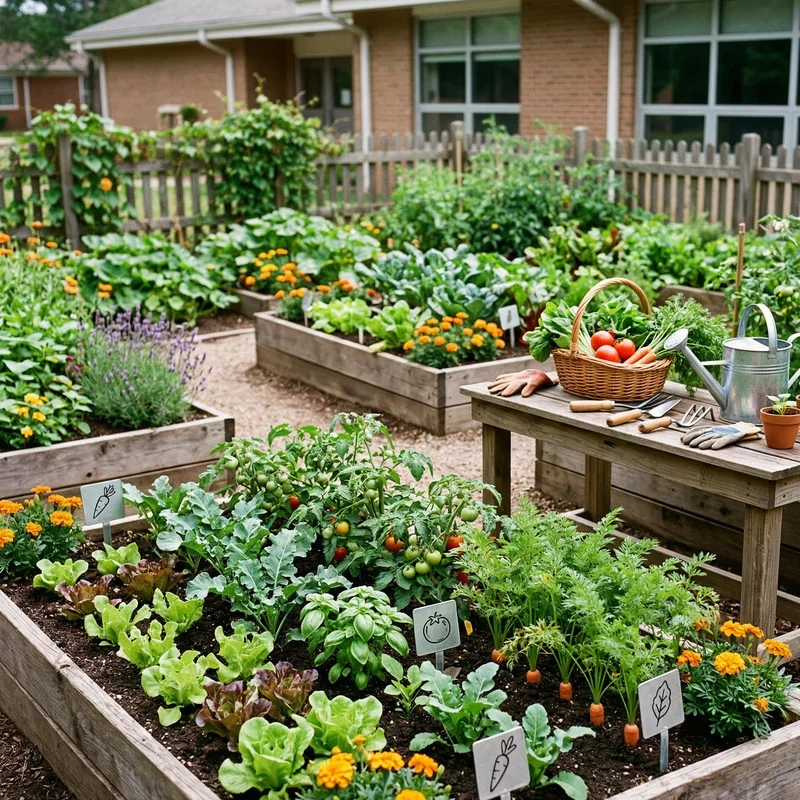
Connect food origins to plates through gardening activities that teach plant science, nutrition, and the agricultural systems that feed humanity. Start seeds in cups, transplant to containers or garden beds, and observe growth stages that transform tiny seeds into edible plants. Discuss photosynthesis, soil nutrition, and the water cycles that plants depend upon for survival and growth. Research where different foods originate geographically, how farming practices have evolved historically, and the workers who bring food from farms to stores. Harvest whatever grows, preparing simple dishes that let children taste their own agricultural accomplishments directly. The patience that gardening requires contrasts valuably with instant gratification that many modern experiences provide children. Your farm to table experience creates appreciation for food systems that many children never consider despite eating daily.
14. Music Festival Concert
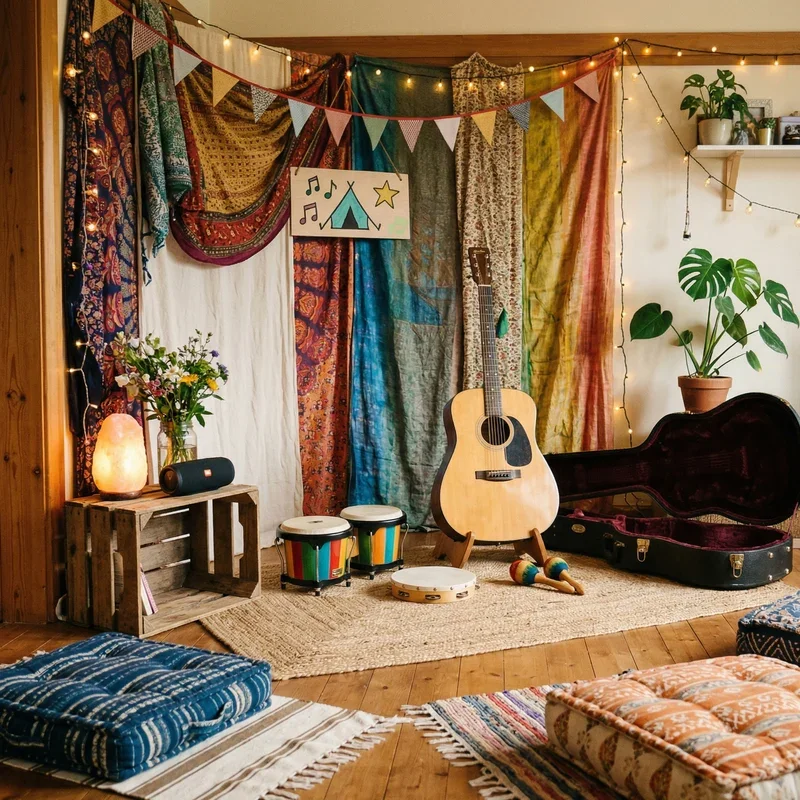
Host concerts where children perform, practice stage presence, and learn about musical instruments, genres, and the effort behind live performances. Create stages from elevated platforms, design concert posters, and develop setlists that showcase whatever musical abilities children possess currently. Study different musical genres, instruments from various cultures, and the history of music that spans human civilization entirely. Practice performances builds confidence while teaching that skill develops through rehearsal rather than appearing magically without effort. Include backstage preparation, sound checks, and audience etiquette that complete concert experiences involve beyond the performance itself. Make simple instruments from household items: drums from containers, shakers from filled bottles, and string instruments from boxes with rubber bands. Your music festival celebrates creative expression while teaching that performance requires preparation, practice, and courage.
15. Time Travel History Day
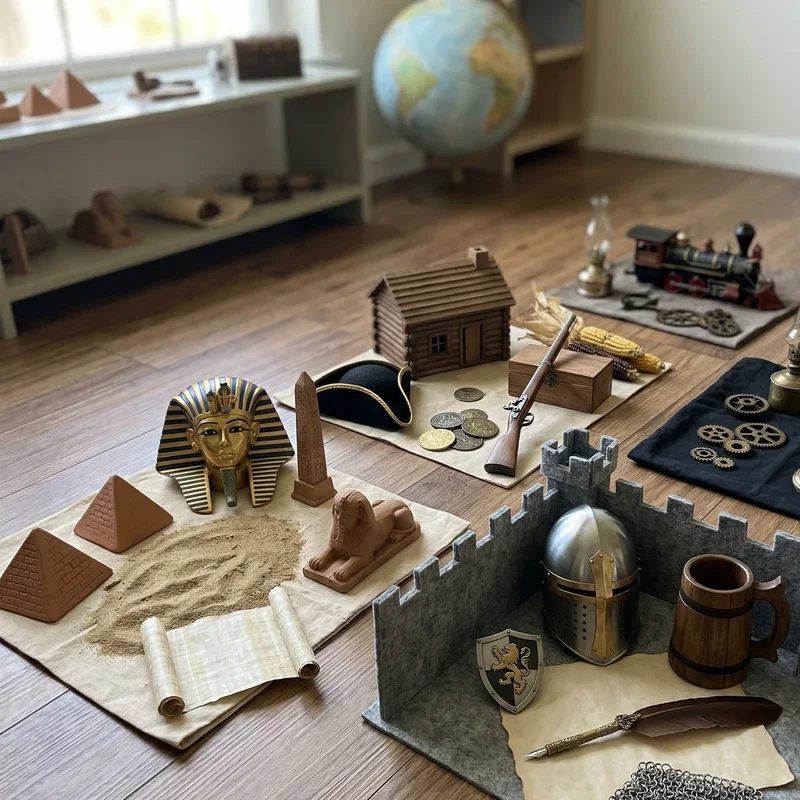
Journey through time by transforming your home into different historical periods where children experience past eras through immersive activities. Choose historical periods that interest children: ancient Egypt, medieval castles, pioneer life, or any era that sparks curiosity and imagination. Dress in period-appropriate costumes, prepare historically accurate foods, and engage in activities that people from chosen eras would recognize as familiar. Research daily life details: what did children do, what games existed, what challenges did people face that modern conveniences have eliminated. Compare past and present, discussing what has improved and what past generations might have done better than contemporary society. The immersive approach makes history memorable in ways that textbook reading often fails to achieve lasting retention. Your time travel adventure proves that history contains real people whose lives, while different, share fundamental human experiences across centuries.
Conclusion
In-house field trips transform ordinary home days into extraordinary learning adventures that rival expensive outings and distant destinations. These fifteen ideas demonstrate that imagination and basic supplies create educational experiences as valuable as any museum visit or attraction excursion. Children learn best when education feels like play, and home-based adventures blur those boundaries masterfully through creative theme development. The memories created during in-house field trips often outlast those from actual travel because personal investment and creativity make experiences uniquely meaningful. Start simple with one idea, then expand your home field trip repertoire as you discover what excites your particular children most effectively. Your home contains unlimited educational potential waiting for creative parents to unlock its possibilities through these engaging approaches.
Read next: 15 2nd Grade Field Trip Ideas for Fun Learning Adventures
Frequently Asked Questions
Q1: What ages benefit most from in-house field trip activities?
A: Children ages three through twelve benefit most, though activities adapt for various developmental stages easily.
Q2: How much preparation time do in-house field trips typically require?
A: Most ideas require thirty minutes to two hours of preparation depending on complexity chosen.
Q3: Can in-house field trips replace actual educational outings entirely?
A: They supplement rather than replace outings, offering alternatives when travel proves impractical temporarily.
Q4: How do I keep children engaged throughout longer in-house field trips?
A: Vary activities within themes, include snack breaks, and follow children's interests as they evolve.
Q5: What supplies should I keep on hand for spontaneous in-house field trips?
A: Craft supplies, costumes, cardboard boxes, and basic art materials enable most activities spontaneously.
Stay up to date with our latest ideas!