What to Bring on a Field Trip: Essential Checklist
What to bring on a field trip? Use this essential checklist to pack smart and enjoy a stress-free outing without forgetting anything.
There is nothing quite like the buzz of a field trip. Whether you are a student counting down the days, a parent frantically packing the night before, or a teacher herding thirty excited kids onto a bus, field trips are one of those experiences that stick with you long after the day is over. But here is the thing. The difference between a field trip that goes off without a hitch and one that turns into a minor disaster often comes down to one simple factor: what you packed.
We have all been there. You are standing in the middle of a museum or a nature preserve, the sun is beating down, and you suddenly realize you forgot sunscreen, your water bottle is sitting on the kitchen counter, and your phone is at twelve percent. Not exactly the makings of a great day, right?
That is exactly why having a solid answer to "What to Bring on a Field Trip: Essential Checklist" matters more than most people realize. A little bit of planning the night before can save you from a whole lot of headaches once you are out the door. So whether you are prepping for a school outing, a family excursion, or an organized group adventure, this guide has got you covered from top to bottom. Let us get packing.
Why Packing Smart for a Field Trip Actually Matters
You might be thinking, "It is just a day trip, how complicated can it really be?" And sure, on the surface, it seems pretty straightforward. But field trips come with a unique set of challenges that your average day does not.
For starters, you are usually away from home for an extended period with limited access to stores or supplies. If you forget something important, you can not just pop back inside and grab it. You are stuck working with whatever you brought, and that can make or break your experience.
Then there is the unpredictability factor. Weather changes, schedules shift, activities get swapped around, and kids get hungry about forty-five minutes earlier than you planned for. Having the right items in your bag gives you the flexibility to roll with the punches instead of scrambling to improvise.
And let us not overlook comfort. A field trip is supposed to be fun and educational, but it is really hard to enjoy learning about geological formations or Renaissance art when your feet are killing you because you wore the wrong shoes, or you are getting a sunburn because you figured the clouds would stick around all day.
Packing smart is not about being overly cautious or lugging around a suitcase for a six-hour trip. It is about being thoughtfully prepared so you can focus on the experience rather than the inconveniences.
What to Bring on a Field Trip: Essential Checklist for Every Type of Outing
Now let us get into the meat of it. This checklist is designed to cover the essentials no matter where your field trip takes you. Obviously, a trip to an art gallery looks a little different from a hike through the woods, so we will break things down into categories and call out specific items for different types of destinations as we go.
The Absolute Must-Haves
These are the items that should go in your bag regardless of where you are headed. Think of them as the non-negotiables, the foundation of any good field trip packing job.
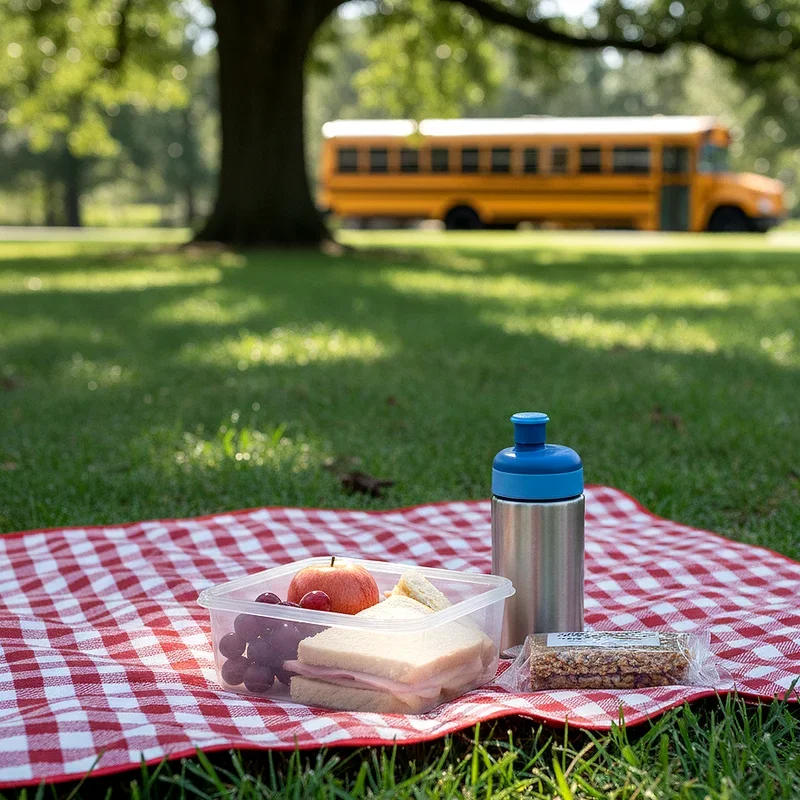
Water is at the very top of the list for a reason. Dehydration sneaks up on you faster than you would expect, especially when you are walking around all day in the sun or running between exhibits with a group of energetic kids. Bring a reusable water bottle and fill it up before you leave. Most public venues have water fountains or refill stations, so you can keep topping it off throughout the day.
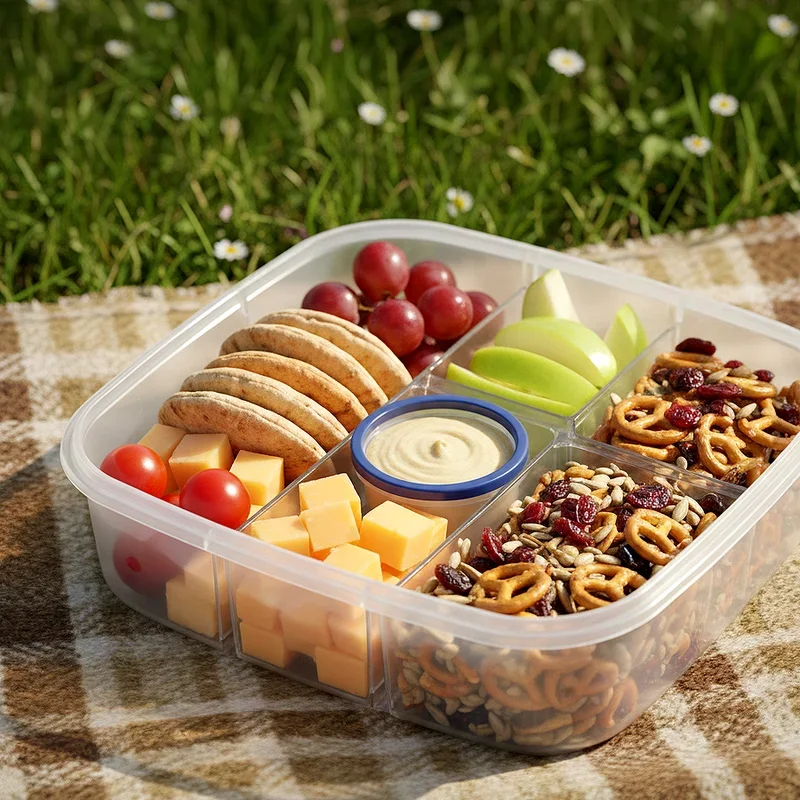
Snacks are a close second. Pack items that travel well and will not turn into a melted mess inside your bag. Granola bars, trail mix, apple slices, crackers, and dried fruit are all solid choices. Avoid anything that needs refrigeration or is going to leave crumbs everywhere. And if you are packing for kids, bring more than you think you will need. Trust me on this one.
A fully charged phone is essential for communication, navigation, photos, and emergencies. But do not just assume your phone will last the whole day. Throw a portable charger or power bank in your bag so you are not sweating that battery percentage by lunchtime.
Some form of identification and emergency contact information should always be on your person, especially for students on school trips. A simple card tucked into a pocket with a name, phone number, and any critical medical information can be a lifesaver if something unexpected happens.
Cash or a debit card might seem old-fashioned in the age of digital payments, but plenty of field trip venues have gift shops, cafeterias, or vending machines that only take certain forms of payment. Having a little cash tucked away gives you options. Twenty dollars or so is usually plenty for a day trip.
Sun Protection and Weather Gear
Mother Nature does not care about your field trip itinerary, and she has a funny way of throwing curveballs when you least expect them. Being prepared for weather changes is one of the smartest things you can do.
Sunscreen should be applied before you leave the house and reapplied every two hours if you are spending time outdoors. Look for a broad-spectrum formula with at least SPF 30. Sunburns are miserable on their own, but getting one during a field trip when you still have hours of activities left is a special kind of torture.
A hat or cap provides extra sun protection for your face and neck, and it helps keep you cool when the temperature starts climbing. Baseball caps, wide-brimmed hats, or bucket hats all work great depending on your style and the formality of the outing.
Sunglasses protect your eyes and reduce squinting-related headaches that can build up over a long day outdoors. Even cheap drugstore sunglasses are better than nothing, so toss a pair in your bag even if you are not sure whether you will need them.
A lightweight rain jacket or poncho takes up almost no room in a backpack and can save you from a miserable afternoon if the skies open up unexpectedly. Those thin, packable rain jackets that fold down to the size of a fist are perfect for this. Nobody wants to spend two hours on a soggy bus ride home in soaking wet clothes.
If your field trip is during the cooler months, layering is your best friend. Pack a light sweater or hoodie that you can throw on if the temperature drops or the venue has aggressive air conditioning. Museums and indoor attractions are notorious for being freezing cold even when it is warm outside.
Comfort Items for a Long Day
Field trips tend to involve a lot more walking and standing than people anticipate. A little attention to personal comfort goes a long way toward keeping the day enjoyable from start to finish.
Comfortable shoes are absolutely non-negotiable. This is not the day to break in those new sneakers or wear sandals that give you blisters. Go with shoes you have worn plenty of times before, shoes that have good support and can handle whatever terrain the day throws at you. If the field trip involves any outdoor walking on trails or uneven ground, closed-toe shoes with decent tread are a must.
Band-aids and a small first aid kit might seem like overkill, but blisters happen, paper cuts happen, and kids are basically tiny accident magnets. A few adhesive bandages, some antiseptic wipes, and a small tube of antibiotic ointment fit easily into a zippered pocket and can save the day when minor injuries pop up.
Any personal medications should come along without question. Inhalers, EpiPens, allergy medication, motion sickness pills, and any prescription medications need to be in your bag and easily accessible. If you are a teacher or chaperone responsible for students with medical needs, make sure you know exactly where those medications are and how to administer them.
Hand sanitizer and wet wipes are those little luxuries that you never think about until you really need them. Field trips often involve eating lunch on the go, touching shared surfaces at museums and zoos, and generally getting into situations where clean hands are hard to come by. A travel-sized bottle of sanitizer and a pack of wipes solve that problem in seconds.
Tissues or a small pack of travel tissues come in handy more often than you would think. Runny noses, small spills, cleaning off a park bench before sitting down, or even emergency napkin duty at lunch. Toss a pack in your bag and thank yourself later.
Learning and Documentation Supplies
Field trips are supposed to be educational, and having the right tools to capture information and memories makes the experience so much richer.
A notebook and pen or pencil are old-school essentials that never go out of style. Jotting down interesting facts, sketching something that catches your eye, or writing down questions to research later all add depth to the field trip experience. For students, a notebook is often required for assignments related to the outing, so do not leave it behind.
A camera or a phone with a decent camera lets you document the day visually. Photos and videos are fantastic for reliving the experience afterward and can be useful for school projects, presentations, or simply sharing the adventure with friends and family who were not there. Just be mindful of photography rules at the venue. Some museums and galleries restrict flash photography or do not allow photos in certain areas.
A printed map or brochure of the venue, if available, helps you navigate large spaces without constantly staring at your phone. Many museums, zoos, botanical gardens, and historical sites offer free maps at the entrance. Grab one and use it to plan your route so you do not miss the highlights.
If the field trip involves specific educational goals, bring any worksheets, question sheets, or assignment guides your teacher or organizer has provided. There is nothing worse than arriving at a destination and realizing the worksheet you were supposed to fill out is sitting on your desk at school.
Bags and Storage
What you carry everything in matters more than you might think. The right bag keeps your stuff organized, accessible, and secure throughout the day.
A comfortable backpack is the gold standard for field trip bags. Look for one with padded straps, multiple compartments, and enough room for all your essentials without being so big that it becomes a burden. Drawstring bags work in a pinch but tend to dig into your shoulders after a few hours of wear.
A small plastic bag or zip-lock bag serves double duty. You can use it to store wet or dirty items, keep your phone dry if it rains, or separate trash from your clean belongings. It weighs nothing and takes up zero space, so there is really no reason not to throw one in.

What to Bring on a Field Trip: Essential Checklist for Specific Destinations
Different destinations call for different preparations, so let us look at some common field trip types and what extra items you might want to bring along.
Outdoor and Nature Trips
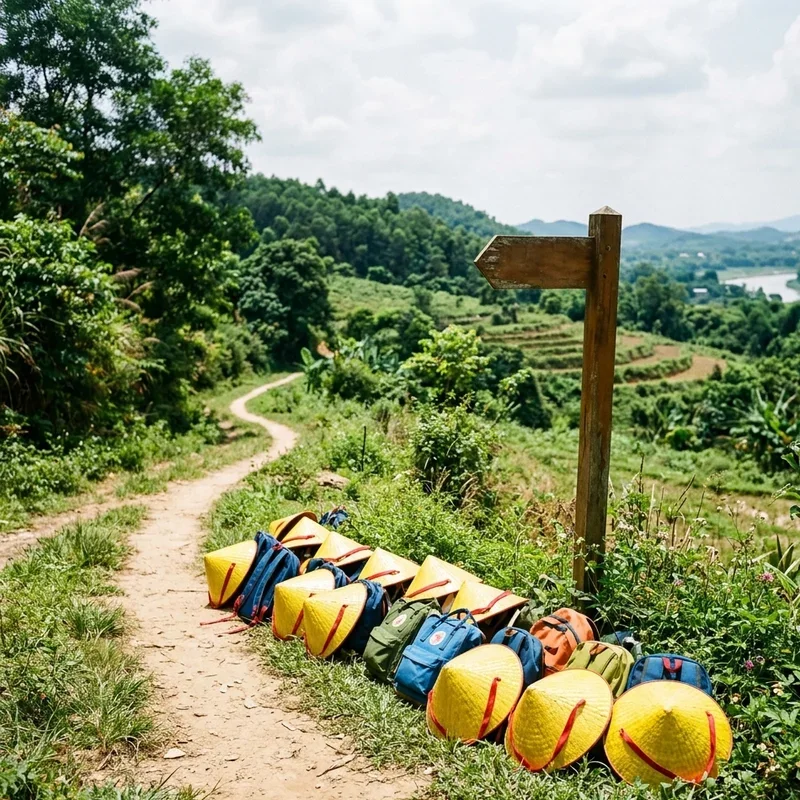
Heading to a national park, nature reserve, botanical garden, or farm? You will want everything on the general list plus a few additions. Bug spray or insect repellent is a must for any outdoor destination, especially during warmer months. Mosquitoes, ticks, and other biting insects can turn a peaceful nature walk into an itchy nightmare.
Binoculars add a whole new dimension to outdoor field trips. Whether you are birdwatching, scanning a distant hillside, or trying to spot wildlife on a nature preserve, a decent pair of binoculars makes things much more exciting.
A small towel or bandana has a surprising number of uses outdoors. You can use it to wipe sweat, sit on damp ground, clean muddy hands, or even provide shade for the back of your neck.
Extra socks might sound silly, but if your feet get wet during a creek crossing or an unexpected rain shower, a fresh pair of dry socks feels like pure luxury. Wet socks lead to blisters, and blisters lead to complaining, and nobody needs that energy on a field trip.
Museum and Indoor Trips
For indoor destinations like museums, science centers, aquariums, or galleries, the packing list shifts a bit. You probably will not need bug spray or binoculars, but a few other items become more important.
A light sweater or jacket is essential because indoor venues often keep the temperature quite cool. You might walk in from a warm parking lot and find yourself shivering within fifteen minutes.
A quiet activity for downtime can be helpful, especially for younger students. A small book, a puzzle book, or a sketchpad keeps kids occupied during bus rides or wait times without requiring screens or making noise that disturbs other visitors.
Headphones are great if the venue offers audio guides or if you want to watch videos at interactive exhibits without disturbing the people around you. Many museums now have apps that pair with your phone for self-guided tours, and headphones make that experience much better.
Water-Based or Beach Field Trips
If your field trip involves any water activities, beach visits, or lakeside excursions, you need to step up your packing game.
Swimwear and a change of clothes should be at the top of the list. Even if swimming is not on the official agenda, water has a funny way of finding people, especially kids. Having dry clothes to change into prevents a soggy, uncomfortable trip home.
A towel is obviously essential for any water-based outing. Quick-dry microfiber towels are lighter and more compact than traditional beach towels, making them easier to fit into a backpack.
Water shoes or sandals with straps protect feet from sharp rocks, shells, and hot sand while still allowing you to wade into the water comfortably. Flip-flops work for the beach but are not great for rocky shorelines or slippery surfaces.
Waterproof bags or cases for electronics keep your phone, camera, and other devices safe from splashes and accidental drops into the water. A simple waterproof phone pouch costs just a few dollars and provides serious peace of mind.
Packing Tips That Make Life Easier
Beyond knowing what to bring, how you pack can make a real difference in your field trip experience.
Pack the night before whenever possible. Trying to throw everything together in a rush the morning of the trip is a recipe for forgetting something important. Lay everything out, check it against your list, load it into your bag, and set it by the front door so you can grab it on your way out.
Put the items you will need most frequently in the most accessible pockets. Sunscreen, snacks, water, and your phone should be easy to reach without unpacking half your bag. Items you will only need once or twice, like a rain jacket or extra socks, can go deeper inside.
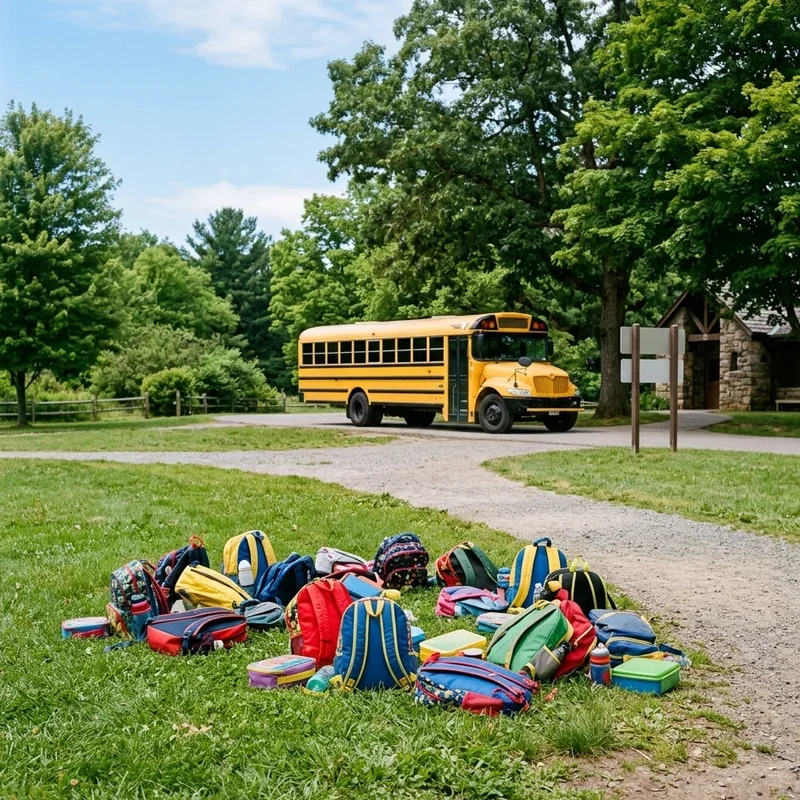
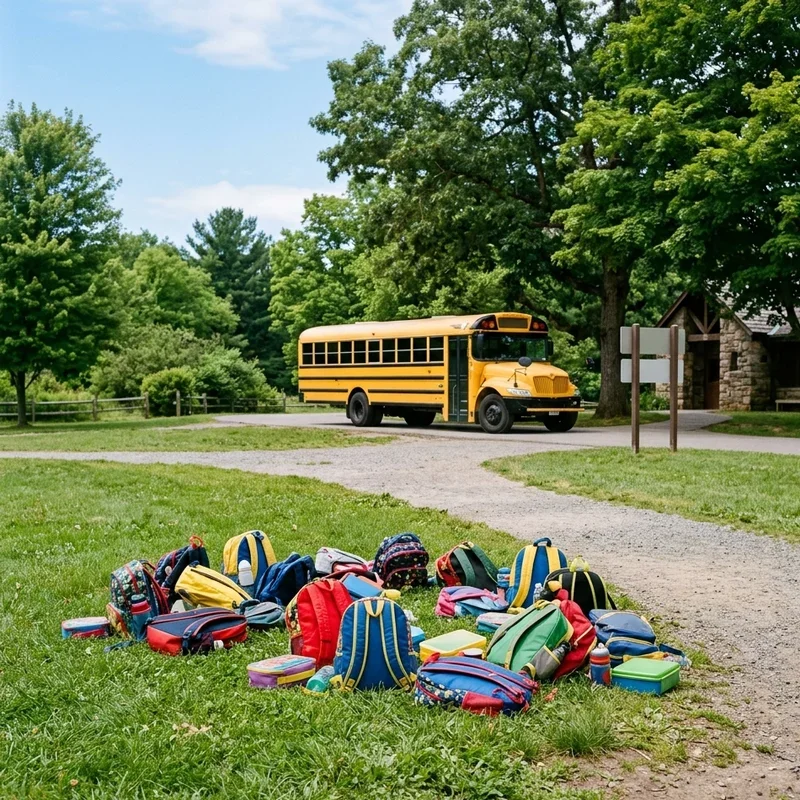
Label everything, especially if kids are involved. Lunchboxes, water bottles, jackets, and bags all look surprisingly similar when thirty students dump their stuff on a bus seat. A piece of tape with a name on it prevents a lot of confusion and lost items.
Pack light but pack smart. You do not need to bring your entire medicine cabinet or enough snacks to feed an army. Focus on the essentials, add a few comfort items, and resist the urge to over-pack. A heavy bag gets old really fast when you are walking around all day.
What to Bring on a Field Trip: Essential Checklist for Teachers and Chaperones
If you are the adult in charge, your packing list has a few extra items that go beyond personal preparation.
A roster or attendance list is critical for keeping track of students throughout the day. Do headcounts regularly, especially after bathroom breaks, lunch, and transitions between activities.
Emergency contact information for every student in your group should be printed and easily accessible. Keep a physical copy rather than relying solely on your phone, because phones die, break, and sometimes lose signal at the worst possible moments.
A basic first aid kit with a few more supplies than the personal one we mentioned earlier is a good idea. Include items like elastic bandages, cold packs, tweezers, and any specialty items for students with known medical conditions.
Extra supplies like pencils, paper, tissues, and snacks for students who inevitably forget their own are always appreciated. Being the chaperone with backup supplies earns you hero status among kids and fellow parents alike.
Permission slips and any venue-specific documents should be organized and ready to present when needed. Some venues require proof of group reservations, pre-paid tickets, or signed liability waivers, so make sure all that paperwork is sorted before departure.
Common Mistakes People Make When Packing for Field Trips
Even seasoned field trip goers fall into a few common traps. Overpacking is probably the biggest one. Bringing too much stuff means you spend more time managing your bag than enjoying the experience. Stick to the essentials and resist the temptation to pack "just in case" items that you know deep down you will never use.
Wearing new or untested clothing and shoes is another classic mistake. Field trip day is not the day to debut those cute new boots or that brand-new outfit. Comfort and familiarity should always win over fashion on a day that involves a lot of movement.
Forgetting to charge devices the night before is so common it almost deserves its own category. Set a reminder on your phone to plug everything in before bed. Your phone, your portable charger, your camera, and any other devices should all be at full battery when you walk out the door.
Not checking the weather forecast is a rookie move that catches even experienced planners off guard. Take thirty seconds the night before to look at the hourly forecast for the day of the trip. It takes almost no effort and can completely change what you decide to pack.
Conclusion
Packing for a field trip does not have to be stressful or complicated. With a clear checklist and a few minutes of thoughtful preparation the night before, you can walk out the door feeling confident that you have everything you need for a fantastic day. The goal is simple: pack light, pack smart, and focus on the items that keep you comfortable, prepared, and ready to enjoy every moment. A well-packed bag means fewer worries and more room for fun, learning, and unforgettable memories.
Read next: 15 STEM Field Trip Ideas Perfect for Curious Students
Frequently Asked Questions
1.What is the most important item to bring on a field trip?
A reusable water bottle is the single most important item to keep you hydrated throughout the day.
2.Should I bring a backpack or a crossbody bag for a field trip?
A comfortable backpack distributes weight evenly and is the best choice for most field trip situations.
3.How much cash should I bring on a school field trip?
Bringing around fifteen to twenty dollars is usually enough for snacks, drinks, and small gift shop purchases.
4.What should teachers always pack when chaperoning a field trip?
Teachers should pack a first aid kit, attendance roster, emergency contacts, and extra supplies for students.
5.Is it necessary to bring rain gear on a sunny field trip day?
Yes, weather can change quickly so packing a lightweight rain jacket is always a smart precaution.
Stay up to date with our latest ideas!