15 Camping Tent Ideas to Improve Your Outdoor Experience
Discover 15 brilliant camping tent ideas that transform your shelter into a comfortable outdoor home. Elevate your camping game!
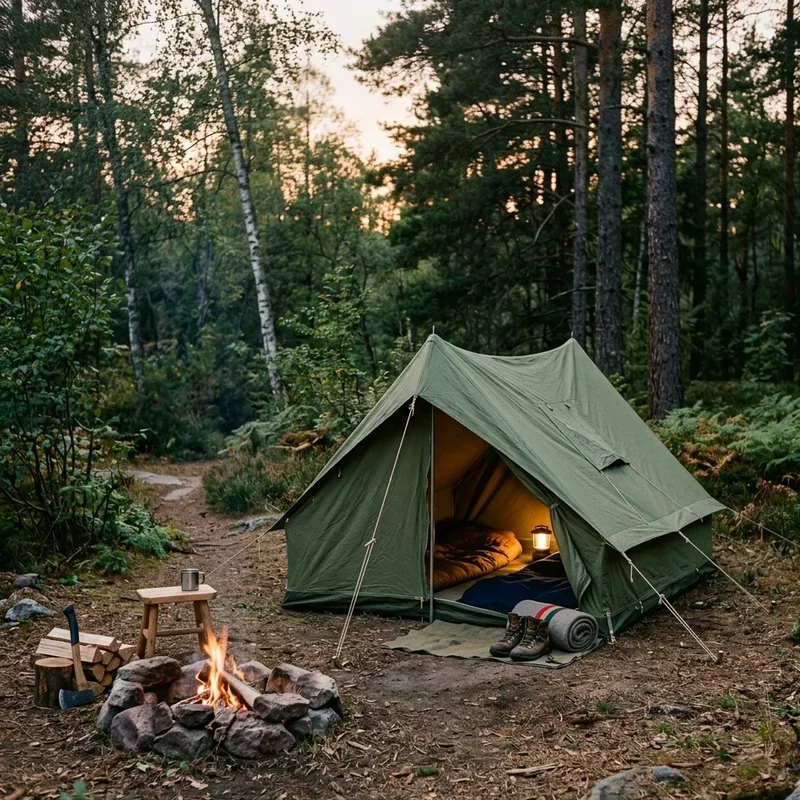
Your tent serves as more than simple shelter from rain and wind: it becomes your home base for wilderness adventures, the place where tired muscles recover and morning coffee greets new days of exploration. Yet many campers pitch standard tents without considering the modifications, accessories, and setup strategies that could dramatically improve their outdoor living experiences. Think of your tent as a blank canvas awaiting personalization that transforms basic camping into comfortable outdoor living that rivals the coziness of home. The difference between dreading tent time and looking forward to retreating inside often comes down to thoughtful improvements that address comfort, organization, convenience, and atmosphere simultaneously. Whether you're a weekend warrior or dedicated backpacker, upgrades exist that match your camping style and budget perfectly. Ready to discover fifteen ideas that will make you actually excited to crawl into your tent after long days exploring the wilderness?
1. LED String Light Ambiance
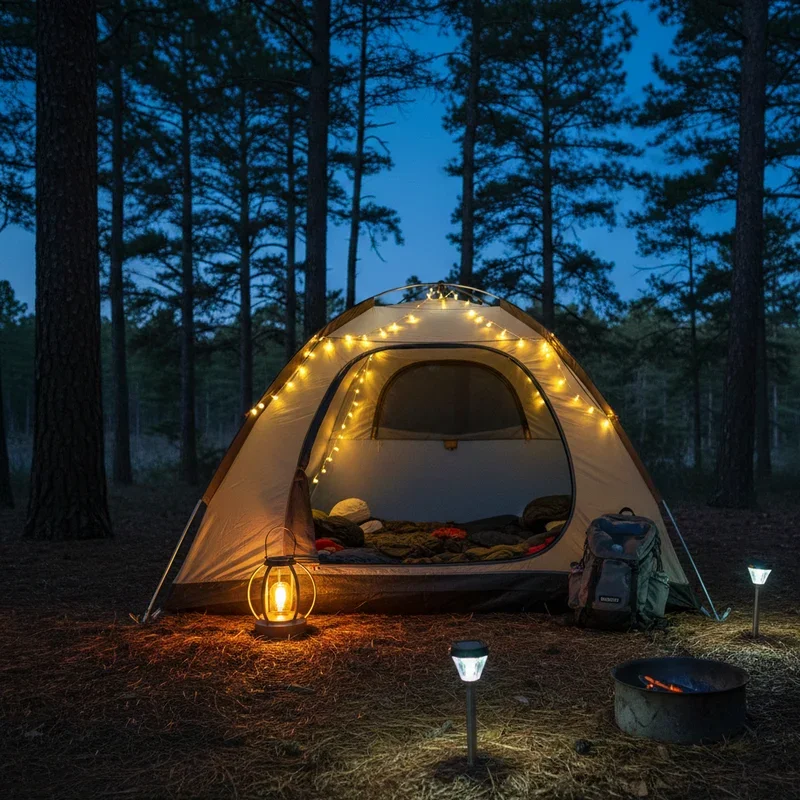
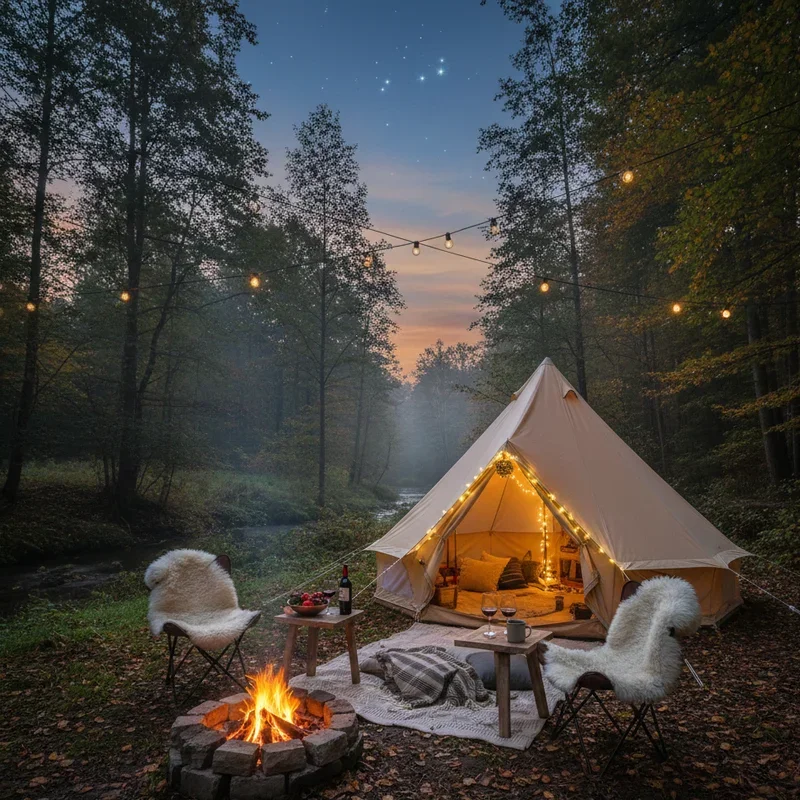
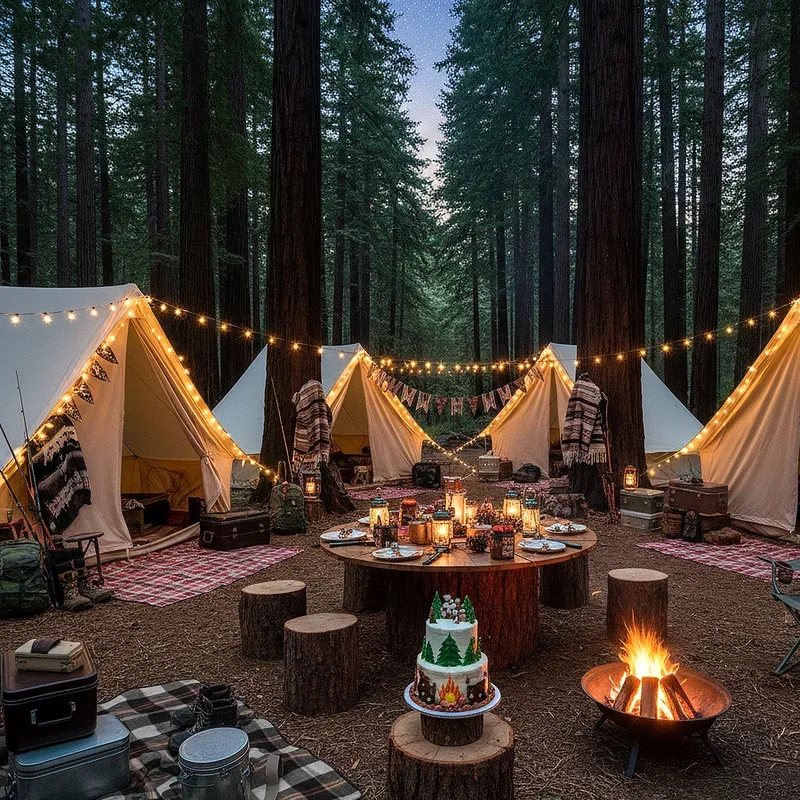
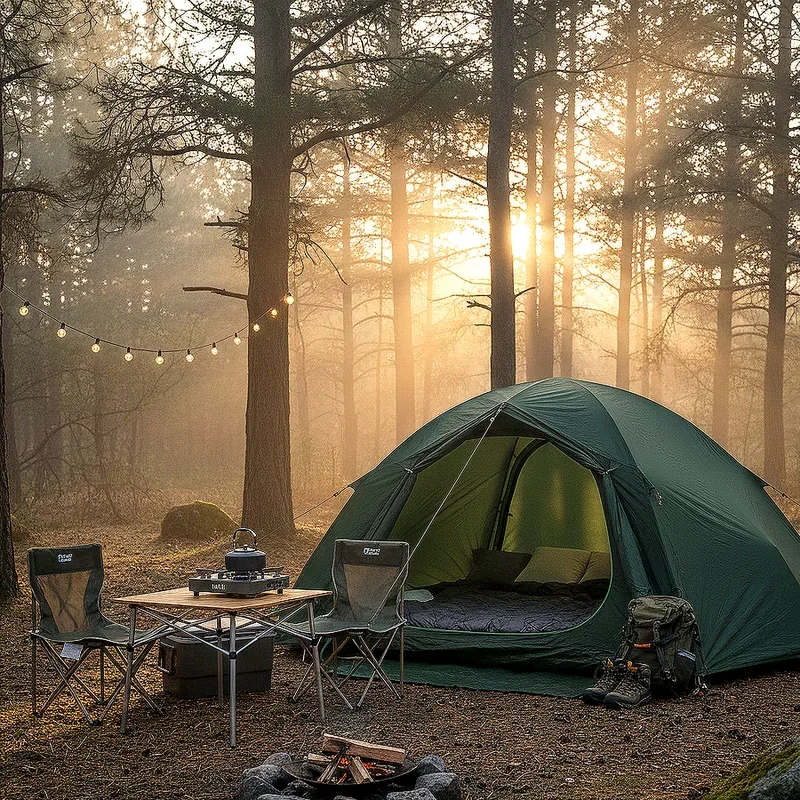
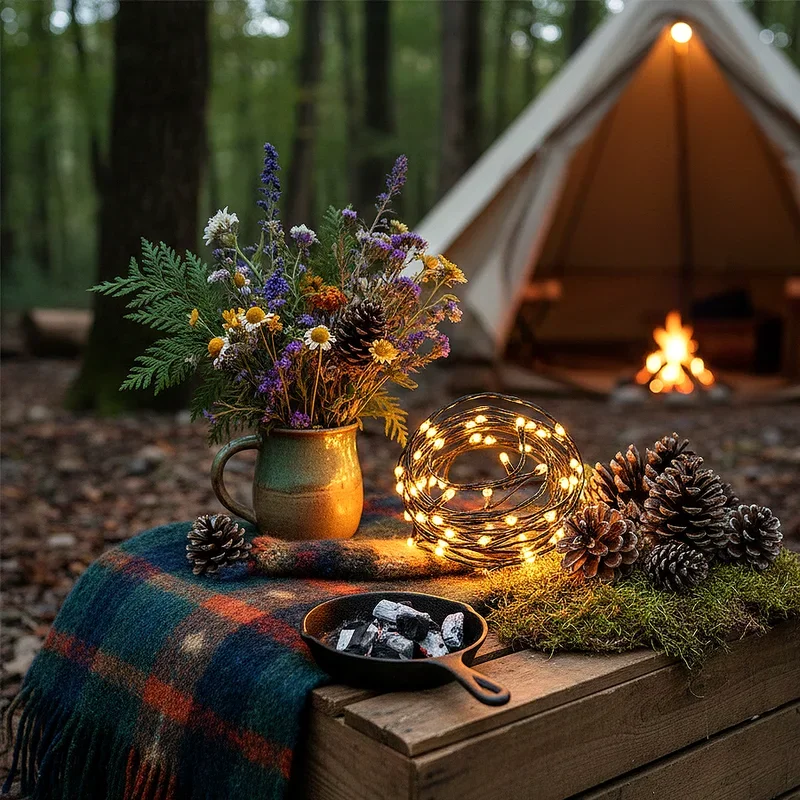
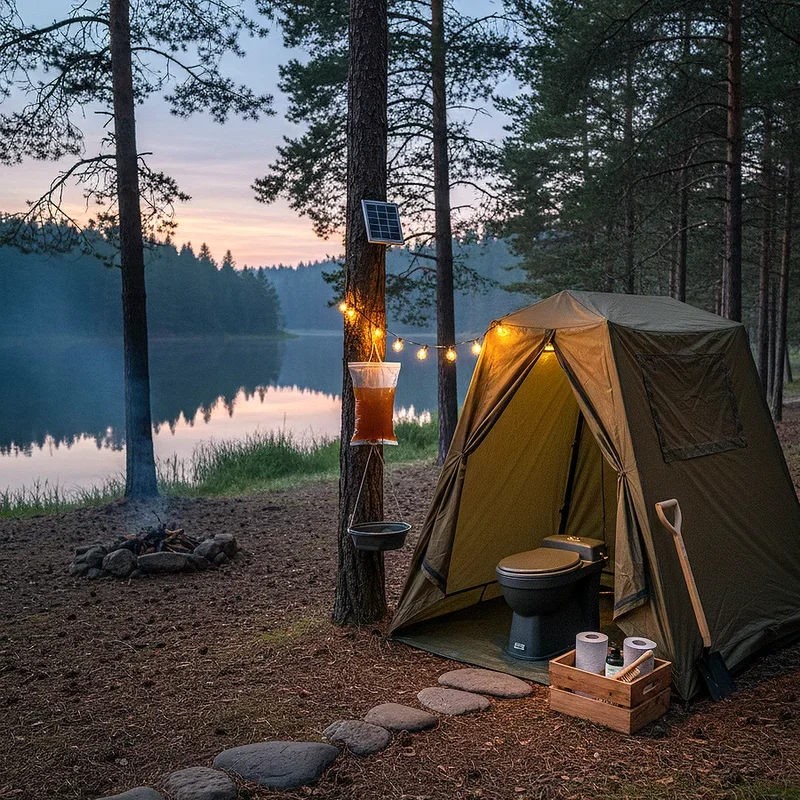
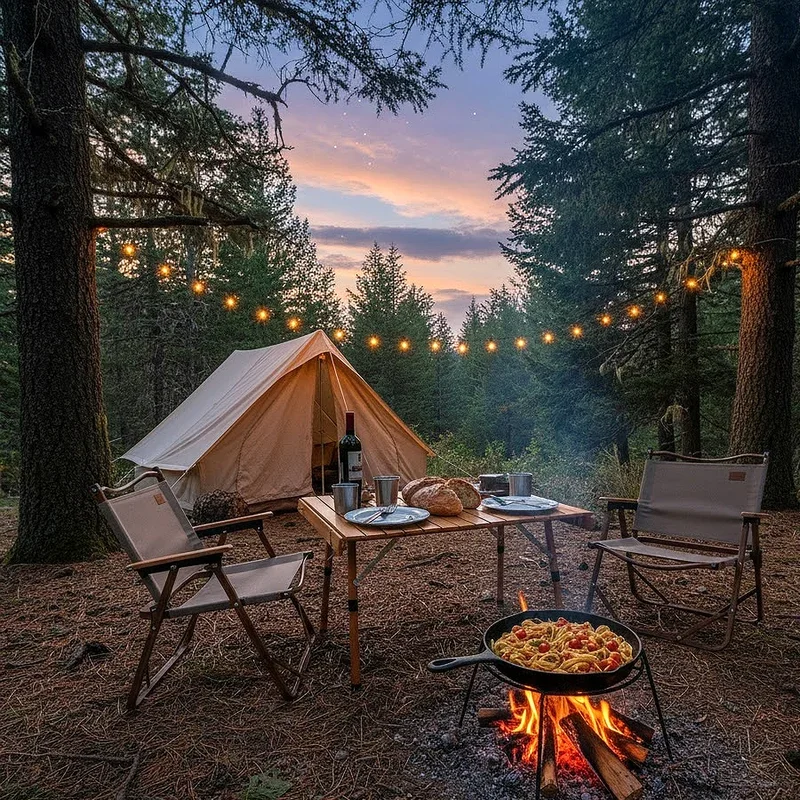
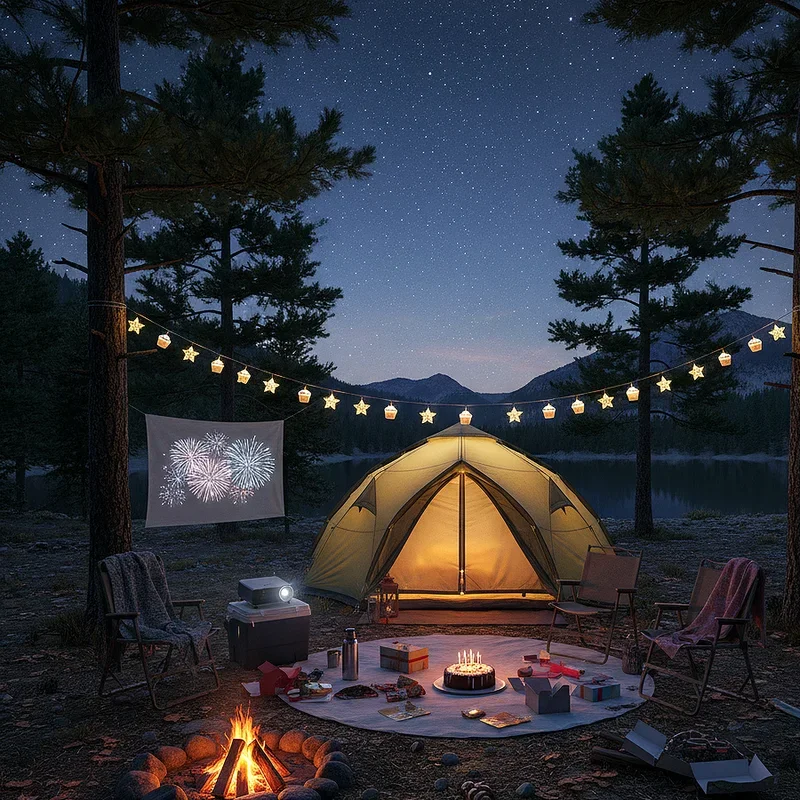
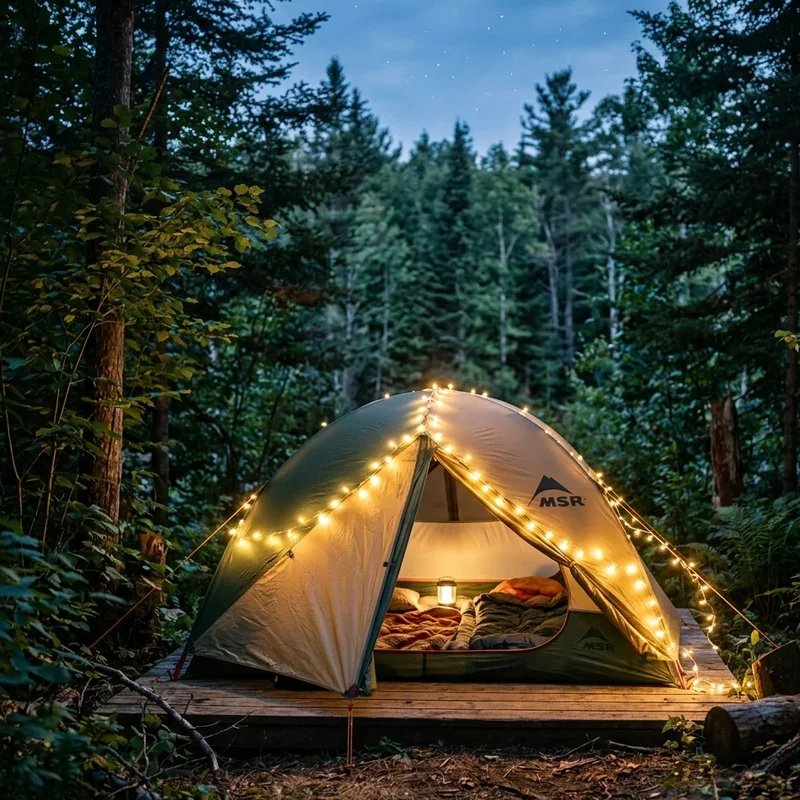
Transform your tent interior from dark cave into cozy retreat by stringing LED lights that create warm ambiance while providing practical illumination. Battery-operated or USB-powered LED strings weigh almost nothing while dramatically improving the atmosphere inside your shelter after sunset arrives. The soft glow beats harsh headlamp beams that create stark shadows and strain eyes during evening hours inside tents. Choose warm white lights that mimic firelight rather than cool whites that feel clinical and prevent natural melatonin production before sleep. Drape lights along tent ceiling seams or around interior loops that most tents provide for exactly this purpose. Many string lights feature adjustable brightness settings that allow dimming as bedtime approaches while maintaining gentle illumination. Your lit tent becomes the campsite beacon that fellow campers admire while you enjoy reading, games, or conversation in comfortable interior lighting.
2. Tent Footprint Protection
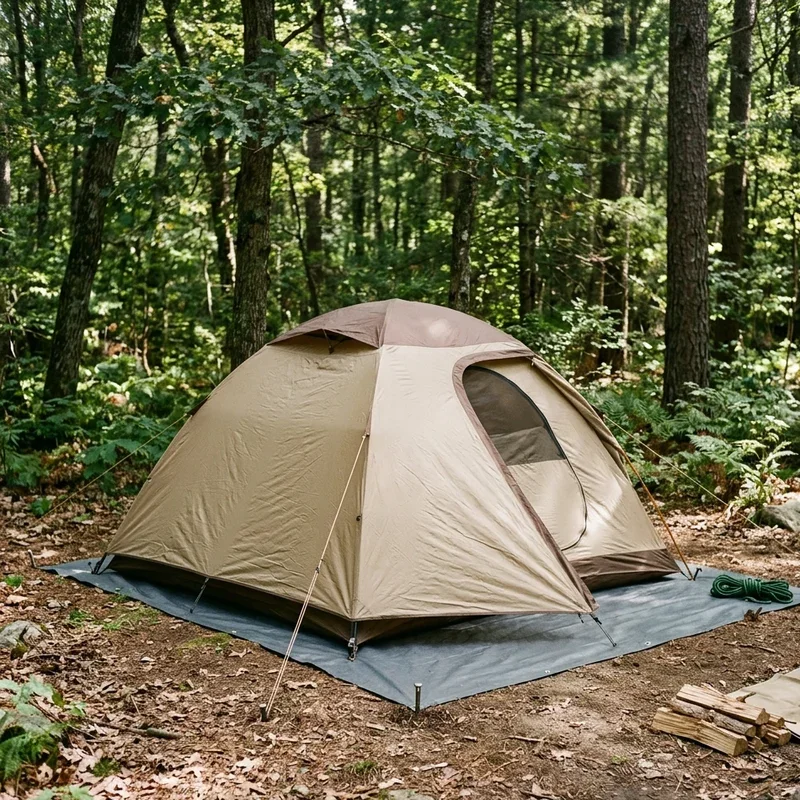
Extend your tent's lifespan dramatically by placing a protective footprint beneath your shelter that guards against ground moisture, rocks, and abrasion damage. Factory footprints match tent floor dimensions exactly, though budget-conscious campers successfully use Tyvek sheets or polycrylene ground cloths that perform nearly as well. The barrier between tent floor and ground prevents punctures from sharp objects that seem invisible during site selection but pierce thin tent floors overnight. Moisture wicking up from damp ground transforms sleeping experiences negatively, making footprints essential beyond mere durability protection alone. Size footprints slightly smaller than tent floors to prevent rain channeling beneath your shelter when weather arrives unexpectedly. The small investment in footprint protection prevents expensive tent floor repairs or premature replacement that unprotected camping causes eventually. Your footprint guards the investment your tent represents while improving comfort through moisture management throughout nights.
3. Gear Loft Storage Systems
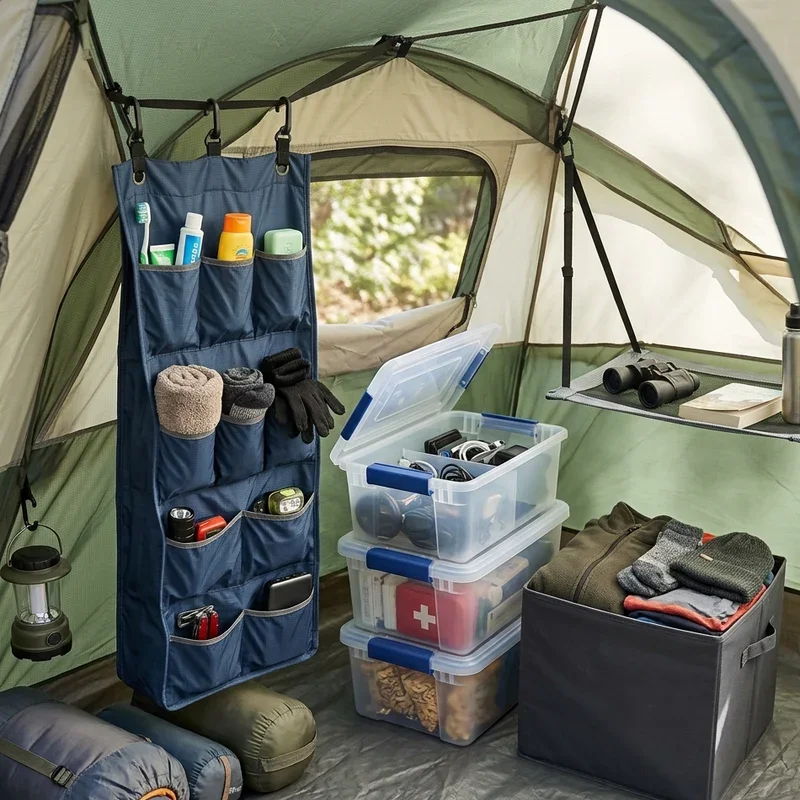
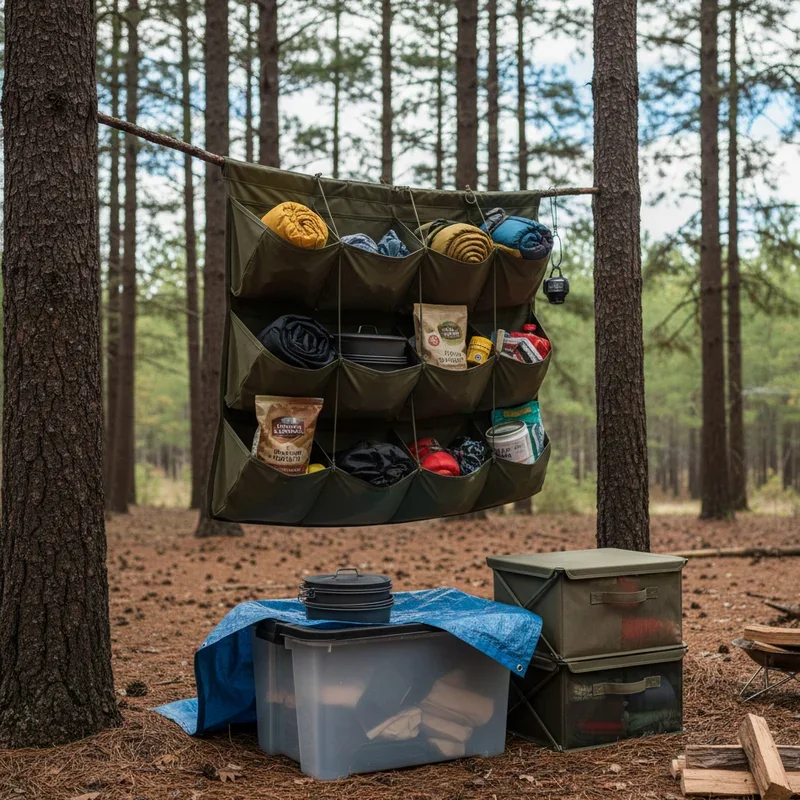
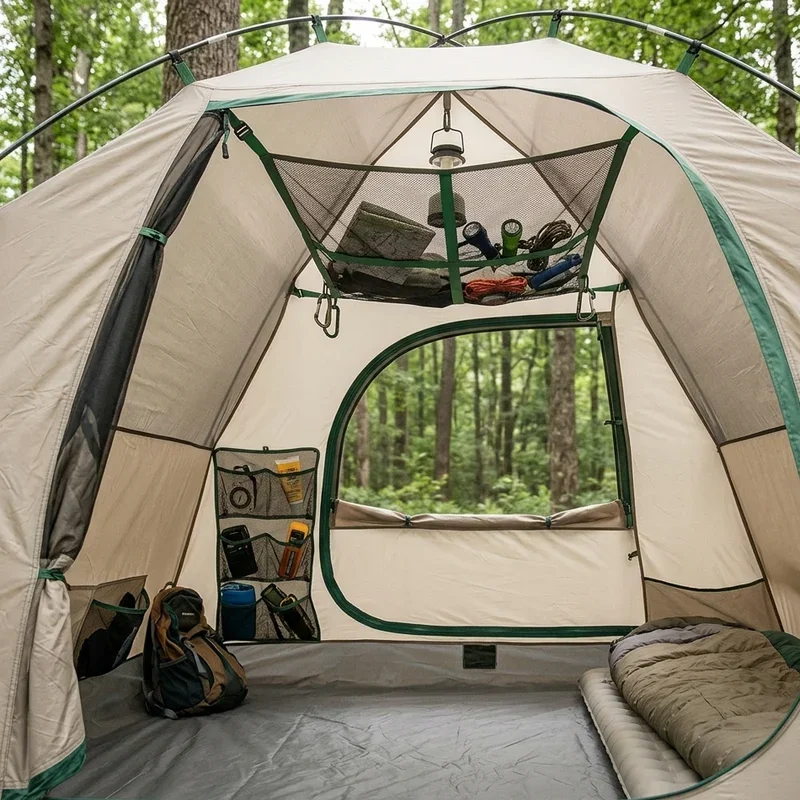
Reclaim floor space by installing gear lofts that suspend equipment overhead, keeping items accessible while creating room for sleeping and moving inside your tent. Most tents include attachment points for aftermarket gear lofts, though some require creative rigging using the ceiling loops that ventilation positioning provides. Store headlamps, phones, glasses, and small items in overhead lofts where they remain findable rather than lost in sleeping bag tangles below. The organizational benefit extends beyond space savings: knowing exactly where essential items live prevents frustrating tent searches at 3 AM when nature calls. Some campers install multiple small lofts rather than single large versions, creating dedicated zones for different item categories throughout tent interiors. Mesh lofts allow visibility of contents while solid fabric versions hide gear from view if tidiness matters aesthetically. Your gear loft investment transforms cluttered tent floors into organized spaces where everything has its place overhead.
4. Quality Sleeping Pad Selection
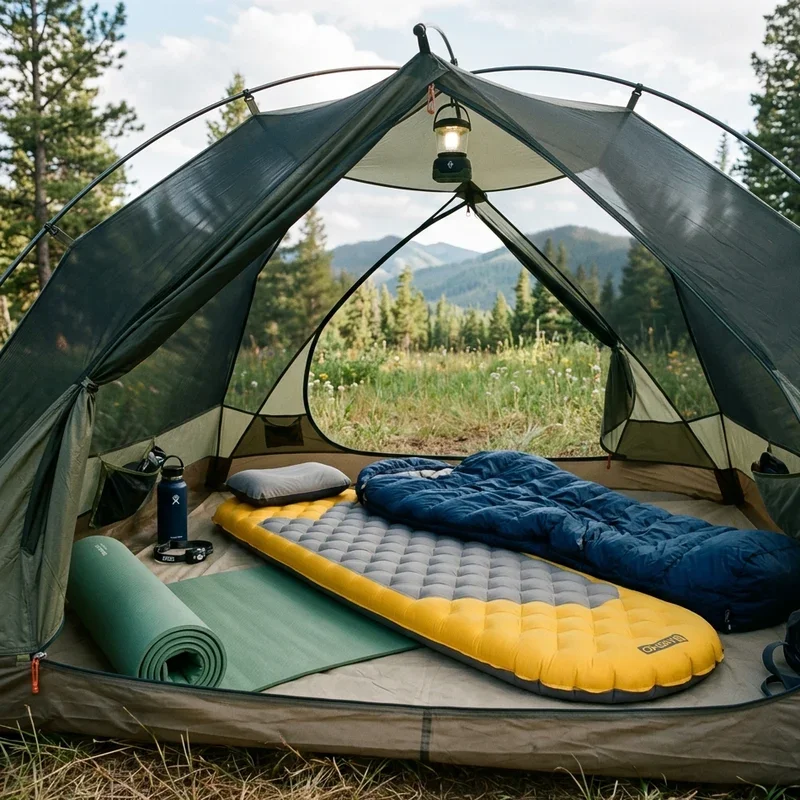
Invest in sleeping pads that insulate and cushion simultaneously, recognizing that ground comfort determines sleep quality more than any other single camping factor. Cheap foam pads barely separate sleepers from hard, cold ground while quality inflatable or self-inflating pads create mattress-like comfort that enables genuine rest. R-value ratings indicate insulation performance: higher values mean better protection from ground temperatures that steal body heat throughout cold nights. Consider pad width and length alongside comfort: wider pads prevent rolling onto cold ground while longer pads protect feet that often overhang standard sizes. Side sleepers need thicker pads than back sleepers since hip and shoulder pressure points require cushioning that thin pads cannot provide adequately. The weight penalty of comfortable pads proves worthwhile when quality sleep enables better trail performance the following day. Your sleeping pad investment pays dividends through every night spent on it throughout years of camping ahead.
5. Tent Fan Ventilation
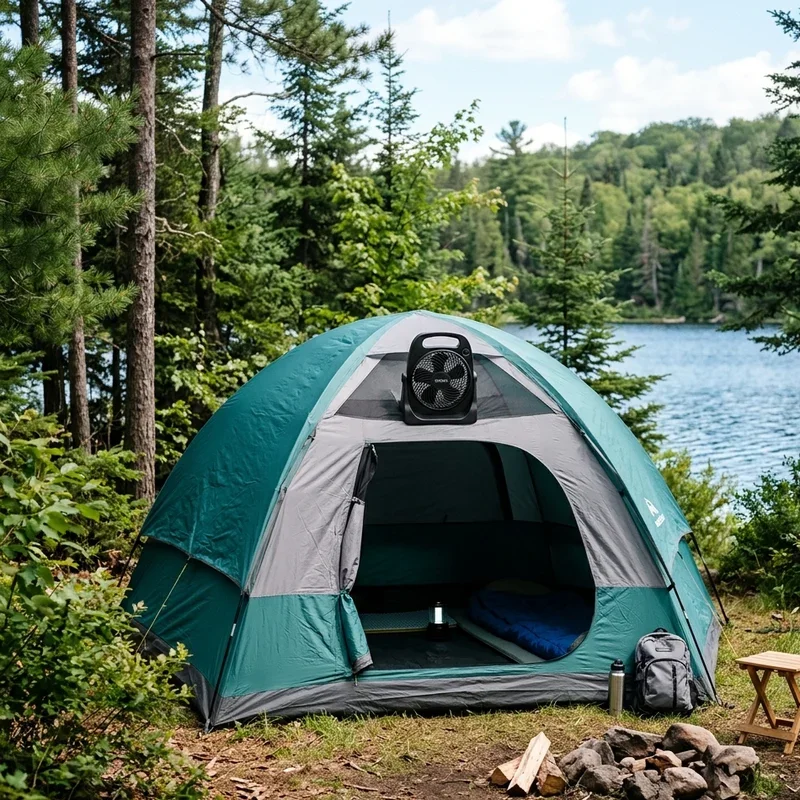
Install battery-operated tent fans that circulate air, reduce condensation, and create cooling breezes during warm weather camping when tents become uncomfortably stuffy. The airflow movement dramatically improves comfort during summer camping while helping manage moisture that breath and body heat create inside sealed tents. Many tent fans clip to ceiling loops or hang from gear loft attachment points, directing airflow where campers need it most directly. Choose fans with adjustable speeds that allow gentle circulation during sleep while providing stronger airflow during hot evening hours before bed. Some models include LED lights that combine ventilation with illumination in single compact units that reduce gear redundancy efficiently. The white noise from fan operation often helps campers sleep better by masking natural sounds that might otherwise disturb rest. Your tent fan transforms hot, stuffy nights into comfortable sleeping environments that feel almost air-conditioned comparatively.
6. Doormat Entry System
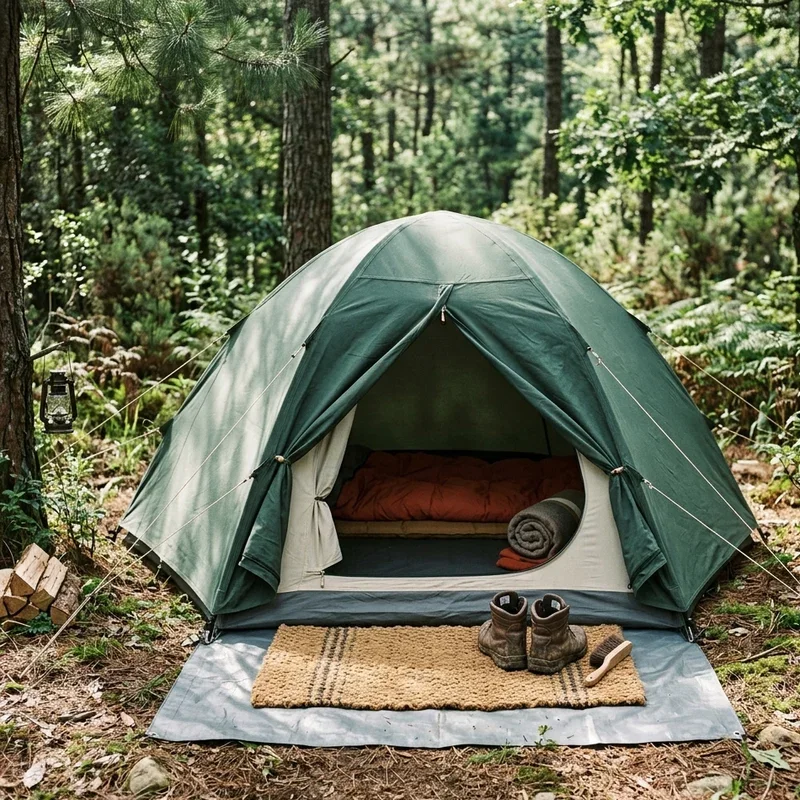
Place small mats or towels at tent entrances that catch dirt and debris before feet track wilderness into your sleeping quarters throughout your stay. The simple addition prevents gritty floors that make sleeping uncomfortable and damage tent floor materials through abrasive particle accumulation. Pack lightweight camp towels specifically for doormat duty, wringing them out and repositioning as they become dirty during extended camping trips. Establish entry protocols where everyone removes shoes on the mat before entering, maintaining cleanliness that improves everyone's experience inside. The psychological benefit of clean interior spaces contributes to tent comfort beyond physical cleanliness alone: organized, tidy tents feel more homelike. Some campers carry small brushes for removing stubborn debris from boots before entering, further protecting interior cleanliness throughout trips. Your doormat system maintains the comfort level inside your tent throughout trips that might otherwise degrade interior conditions progressively.
7. Hanging Organizer Pockets
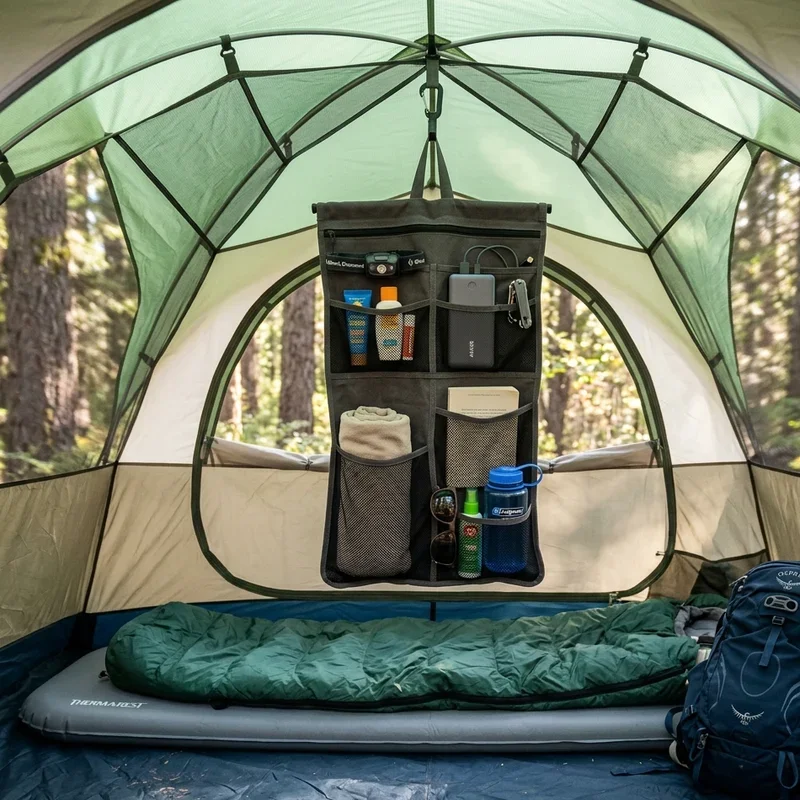
Mount hanging organizers against tent walls that provide pocketed storage for small items that otherwise scatter across tent floors chaotically. These fabric organizers typically attach to tent loops or poles, creating vertical storage that maximizes limited horizontal floor space effectively. Dedicate specific pockets to specific item categories: electronics in one, toiletries in another, creating systems that make finding items intuitive rather than frustrating. The visibility of transparent mesh pockets allows identifying contents without rummaging that disturbs tentmates during quiet hours after lights dim. Some organizers include hooks for keys, loops for flashlights, and larger compartments for books or journals that campers enjoy inside their shelters. The organizational structure hanging organizers impose reduces the morning scramble that disorganized tents create when departure time arrives. Your hanging organizer brings home-style organization to wilderness settings where chaos otherwise reigns inside camping shelters.
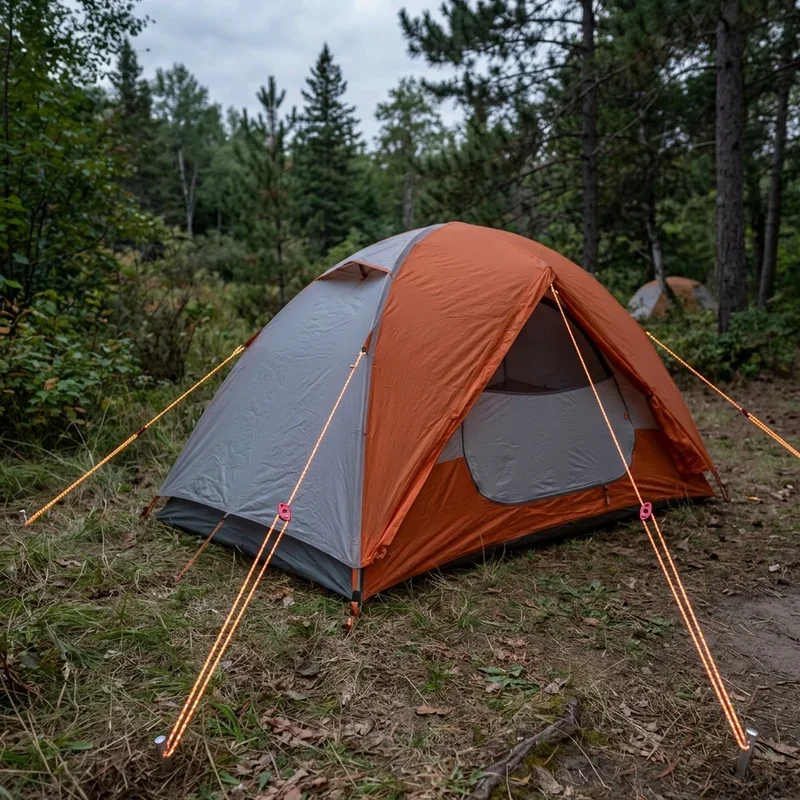
8. Reflective Guy Line Upgrades
Replace standard guy lines with reflective versions that remain visible after dark, preventing embarrassing and potentially dangerous trips over invisible tent stabilizers. Standard tent guy lines virtually disappear against dark ground, creating hazards for you, tentmates, and neighboring campers navigating after sunset. Reflective guy lines catch flashlight beams and headlamps, alerting nighttime walkers to obstacles before collision occurs painfully. The upgrade costs little while providing safety benefits that compound throughout every camping trip across your outdoor career. Some reflective lines glow brightly in headlamp beams while others feature LED attachments that mark guy line locations continuously. The visibility helps during setup too, allowing verification that lines deploy properly in the fading light of evening camp establishment. Your reflective guy lines prevent injuries while adding professional polish to tent setups that indicate experienced camper status.
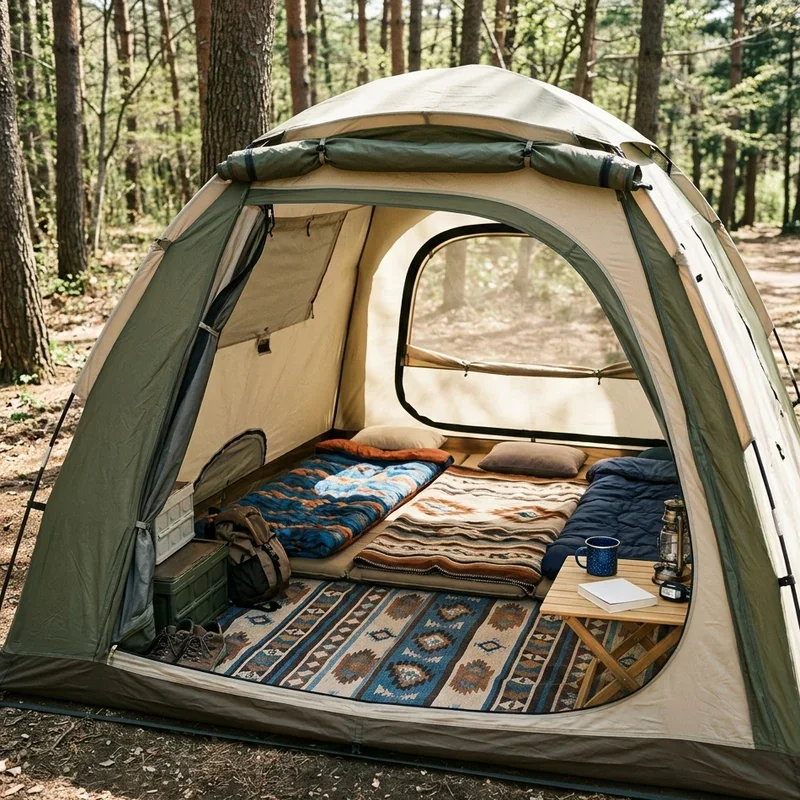
9. Tent Carpet Flooring
Add fabric carpet squares or specifically designed tent rugs that provide cushioning and insulation beyond what tent floors alone can offer. The additional layer between sleeping pads and tent floor adds warmth while creating softer surfaces for sitting during tent activities beyond sleeping. Cut remnant carpet pieces to match tent floor dimensions, or purchase purpose-made tent flooring that packs compactly for transport. The insulation benefit proves particularly valuable during cold weather camping when ground temperatures penetrate tent floors despite sleeping pad protection. Some campers use fleece blankets as flooring that double as warmth layers during transit or emergencies requiring additional covering. The homey feel that carpeted floors create inside tents improves psychological comfort that cold, thin tent floors undermine consistently. Your tent carpet transforms utilitarian shelter into comfortable living space that invites lingering rather than merely sleeping.
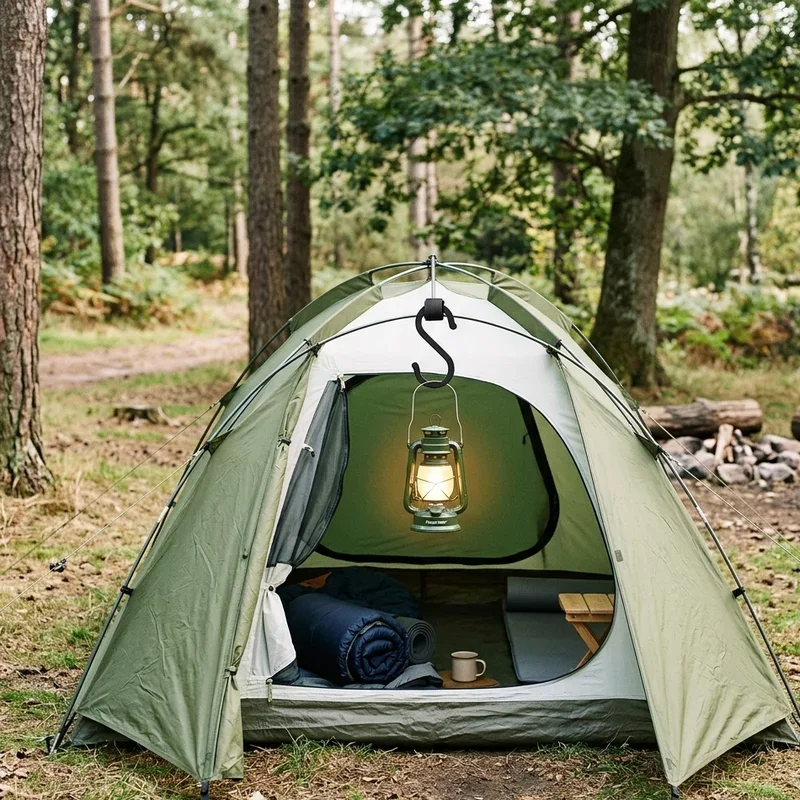
10. Lantern Hook Installation
Rig lantern hooks at optimal positions where hanging lights illuminate interior spaces without creating obstacles or hotspots against tent fabric. Most tents include ceiling loops intended for lantern hanging, though additional hooks can expand lighting placement options throughout tent interiors. Position lanterns centrally for even illumination or offset for reading light that doesn't disturb sleeping tentmates nearby. Ensure hooks support intended lantern weights safely, preventing drops that could damage lights, tents, or sleeping campers below. LED lanterns eliminate fire hazards that fuel-burning alternatives present inside enclosed tent spaces where ventilation proves limited. Some clever campers hang water bottles filled with water beneath headlamps, creating diffused lanterns that illuminate broadly rather than spotlight narrowly. Your lantern hook system provides flexible lighting solutions that adapt to different activities and tentmate needs throughout camping evenings.
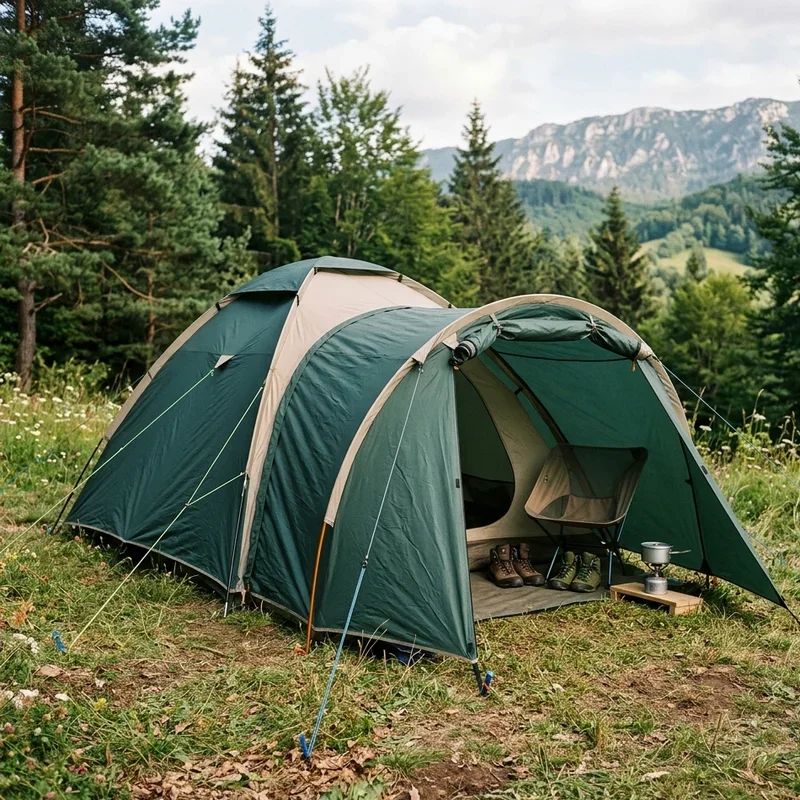
11. Vestibule Extension Setup
Maximize weather-protected space by properly utilizing tent vestibules that create covered areas for gear storage, cooking, and muddy boot removal. Many campers underutilize vestibule space that tent designs provide, leaving valuable covered area wasted through inattention to setup possibilities. Extend vestibule poles fully, stake out guy lines properly, and consider additional tarps that expand covered areas beyond tent-provided vestibule dimensions. Store packs, boots, and other gear in vestibule spaces where they remain accessible but protected from weather without cluttering sleeping interiors. Some cooking occurs safely in well-ventilated vestibules during rain, though carbon monoxide risks require careful attention to airflow whenever flames burn. The psychological benefit of expanded living space improves camping experiences even when weather doesn't require vestibule utilization for rain protection specifically. Your vestibule optimization creates outdoor living rooms that expand tent functionality beyond mere sleeping shelter.
12. Privacy Screen Solutions
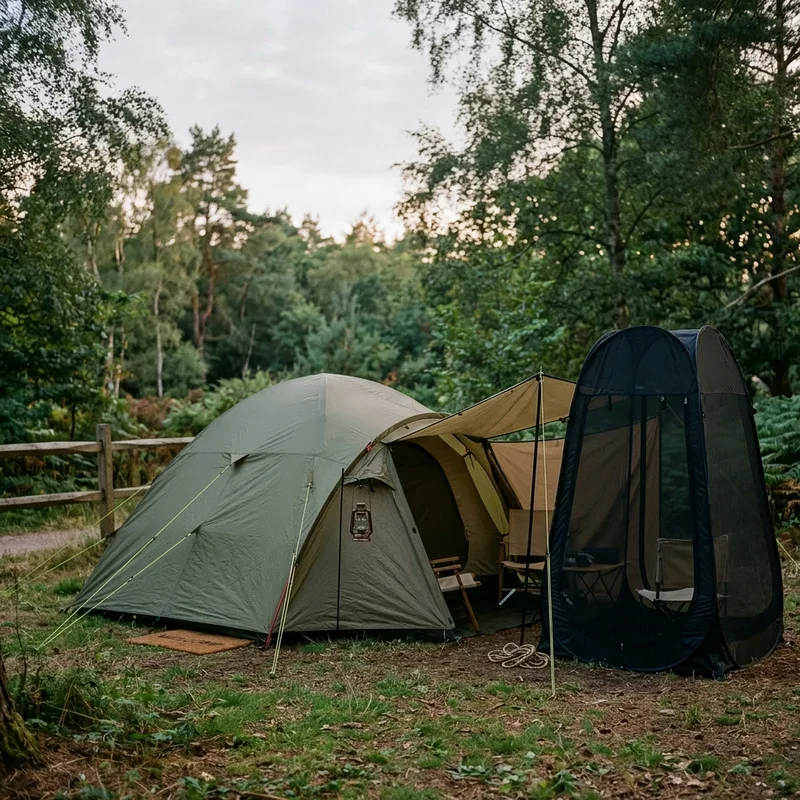
Create visual privacy in crowded campgrounds through strategic tent positioning, vestibule orientation, and supplemental screening that blocks neighboring sightlines. Privacy concerns prevent relaxation when adjacent campers can observe your tent interior through mesh panels designed for ventilation rather than exposure. Position tents so doorways face away from neighbors when site geography permits this simple privacy protection measure. Close mesh panels and use solid rainfly coverage when privacy matters more than ventilation during crowded camping situations. Some campers carry small tarps or sheets that attach to tents, creating privacy barriers that block direct sightlines effectively. The psychological comfort of private space inside tents matters particularly during extended trips where decompression requires genuine retreat from social contact. Your privacy solutions create personal sanctuary spaces even within busy campgrounds where neighboring tents cluster closely.
13. Tent Repair Kit Essentials
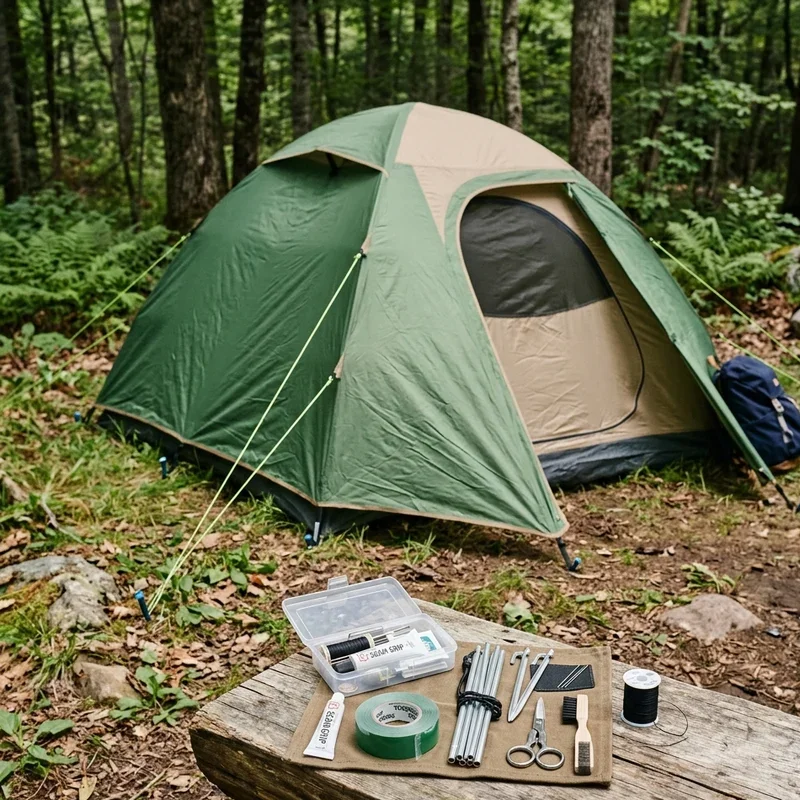
Pack repair kits containing patches, seam sealer, pole splints, and spare parts that address common tent failures that could otherwise ruin camping trips. Torn fabric, leaking seams, broken poles, and damaged zippers all have field repair solutions that prepared campers apply when problems arise inevitably. Practice repair techniques at home before trips, ensuring confidence that you can actually use repair materials when wilderness situations require emergency maintenance. Include extra stakes, guy lines, and shock cord that replace components lost or damaged during setup, storms, or pack transportation. Seam sealer applied preventively before trips protects against leaks developing, though field application remains possible when unexpected leaks appear. The confidence that comes from preparedness improves camping experiences even when repairs never become necessary during specific trips. Your repair kit provides insurance against tent failures that could transform adventures into miserable survival situations requiring early evacuation.
14. Condensation Management Tips
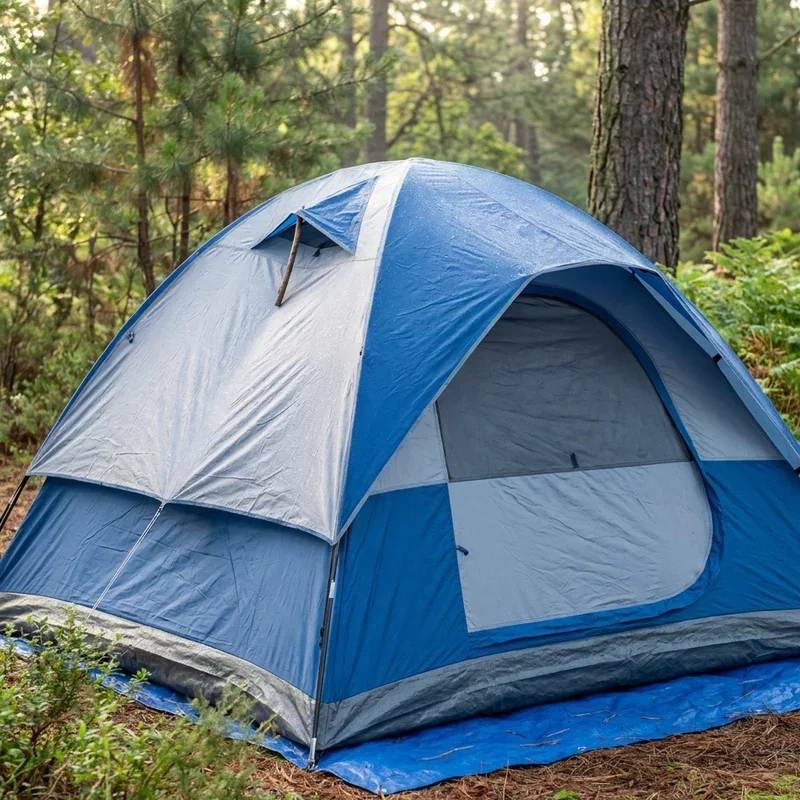
Combat interior moisture through ventilation strategies, site selection, and moisture management practices that prevent soggy sleeping conditions inside tents. Human breath and body heat release significant moisture overnight that condenses on cold tent surfaces, dripping back onto sleepers unpleasantly. Keep ventilation panels open even during cold weather, accepting slight temperature reduction in exchange for dramatically reduced condensation accumulation. Site selection away from water bodies and low ground reduces ambient humidity that contributes to interior condensation problems. Avoid bringing wet gear inside tents where evaporating moisture adds to condensation issues that ventilation cannot fully address. Wipe down tent surfaces with absorbent cloths in morning before packing, removing moisture that would otherwise transfer to tent bags. Your condensation management transforms mornings from soggy awakenings into comfortable tent experiences that feel properly dry throughout nights.
15. Campsite Layout Planning
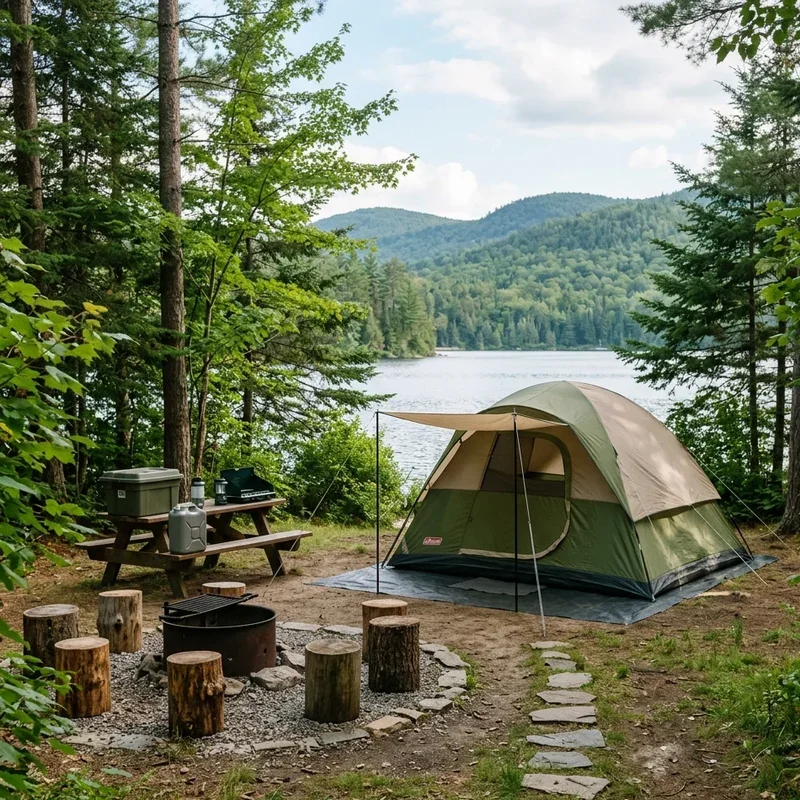
Design campsite layouts that position tents optimally relative to wind, sun, water access, and neighboring sites for maximum comfort throughout stays. Orient tent doorways away from prevailing wind that would otherwise blast cold air inside whenever doors open for entry or exit. Position tents where morning sun reaches them, warming interiors for comfortable waking while helping dry overnight dew accumulation. Consider foot traffic patterns that prevent repeatedly walking through kitchen areas or past neighbor tents unnecessarily throughout camping days. Leave adequate space around tents for guy lines, vestibule utilization, and simple movement that cramped site selection prevents frustratingly. The thoughtful few minutes spent planning layout before staking prevents hours of minor inconveniences that poor positioning creates throughout camping stays. Your layout planning transforms random tent placement into intentional campsite design that serves your comfort goals specifically.
Conclusion
Your tent transforms from basic shelter into comfortable outdoor home through thoughtful improvements that address lighting, organization, comfort, and protection systematically. These fifteen ideas demonstrate that camping comfort depends less on expensive gear than on smart accessories and setup strategies that maximize existing equipment performance. Start with improvements that address your biggest current complaints: uncomfortable sleep, cluttered interiors, or condensation problems that ruin mornings consistently. The incremental investment in tent improvements compounds into dramatically enhanced camping experiences across every trip throughout your outdoor career. Many suggestions cost little while delivering comfort improvements that feel disproportionately valuable compared to minimal investments required. Your tent deserves the attention that transforms it from camping necessity into wilderness sanctuary that you genuinely look forward to inhabiting.
Read next: 15 Camp Craft Ideas Kids Will Love All Summer Long
Frequently Asked Questions
Q1: What single tent improvement provides the biggest comfort impact?
A: Quality sleeping pads deliver the greatest comfort improvement since ground comfort determines sleep quality.
Q2: How do I reduce condensation inside my tent effectively?
A: Maximize ventilation by keeping vents open, even in cold weather, and avoid bringing wet gear inside.
Q3: Are tent footprints really necessary for camping protection?
A: Footprints significantly extend tent lifespan by protecting floors from moisture, punctures, and abrasion damage.
Q4: What lighting works best for tent interiors at night?
A: LED string lights provide ambient illumination while lanterns offer brighter task lighting for reading.
Q5: How can I keep my tent floor clean during camping trips?
A: Use doormat entry systems and establish shoe removal protocols that prevent tracking debris inside consistently.
Stay up to date with our latest ideas!