15 In-School Field Trip Ideas for Fun Learning Adventures
Explore 15 in-school field trip ideas for fun learning adventures that bring exciting educational experiences directly into your classroom.
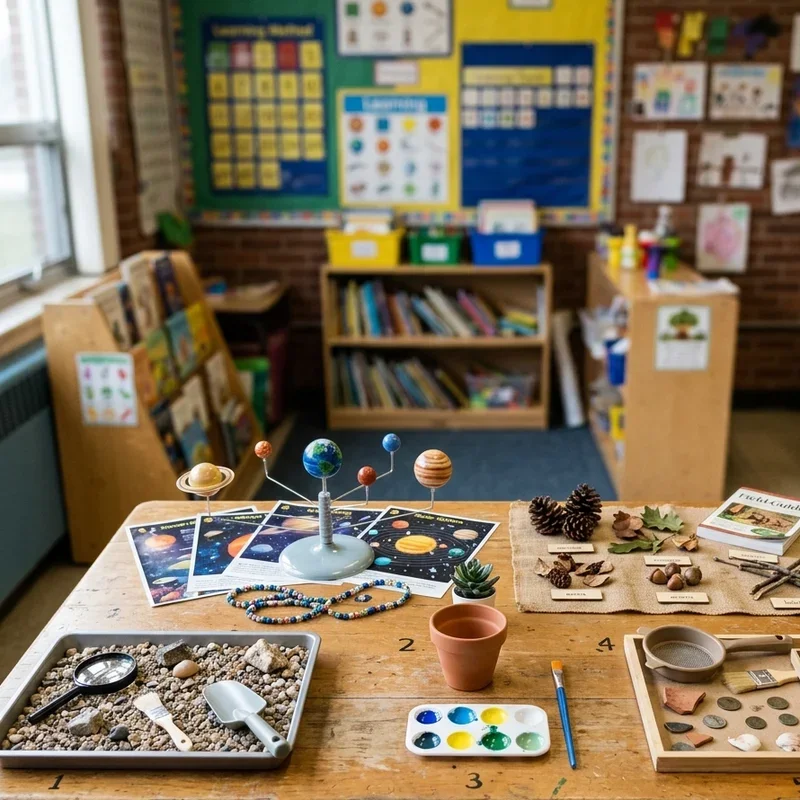
In-school field trips deliver all the excitement and educational engagement of traditional off-campus excursions without the logistical nightmares of permission slips, bus reservations, chaperone recruitment, and the constant headcount anxiety that makes teachers age visibly during every highway rest stop. Have you ever watched students completely disengage from a standard lesson only to light up the moment learning feels like an adventure happening outside their normal routine? That transformative energy absolutely does not require leaving the building. Think of in-school field trips as importing the destination directly into your hallways, gymnasiums, and classrooms where learning becomes an event rather than an obligation. These fifteen ideas bring unforgettable adventures inside.
1. Science Lab Experiment Discovery Day
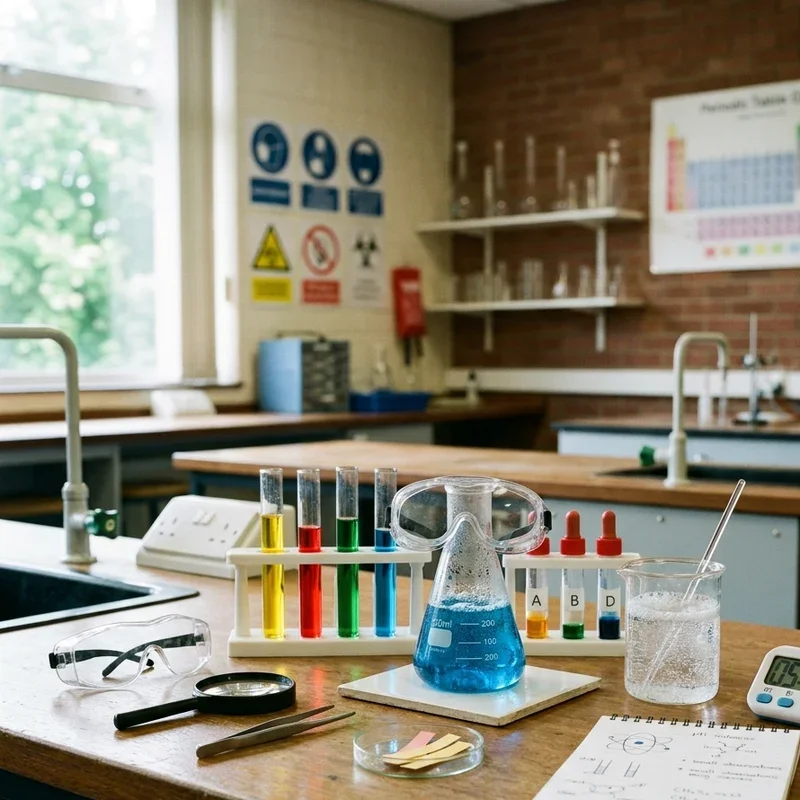
A science lab experiment discovery day transforms classrooms into bustling research laboratories where students rotate through hands-on experiment stations covering chemistry reactions, physics demonstrations, biology dissections, and earth science mineral identification, experiencing the thrill of genuine scientific discovery without stepping foot beyond the school building's front doors. Science discovery days work like converting your entire hallway into a sprawling science museum where every doorway leads to a different branch of inquiry and every student becomes a practicing researcher for the afternoon. Set up five to eight experiment stations across multiple classrooms with parent volunteers or older student mentors facilitating each activity. Include dramatic demonstrations like elephant toothpaste reactions and dry ice fog effects that generate genuine excitement between rotations.
2. Cultural Heritage World Fair Festival
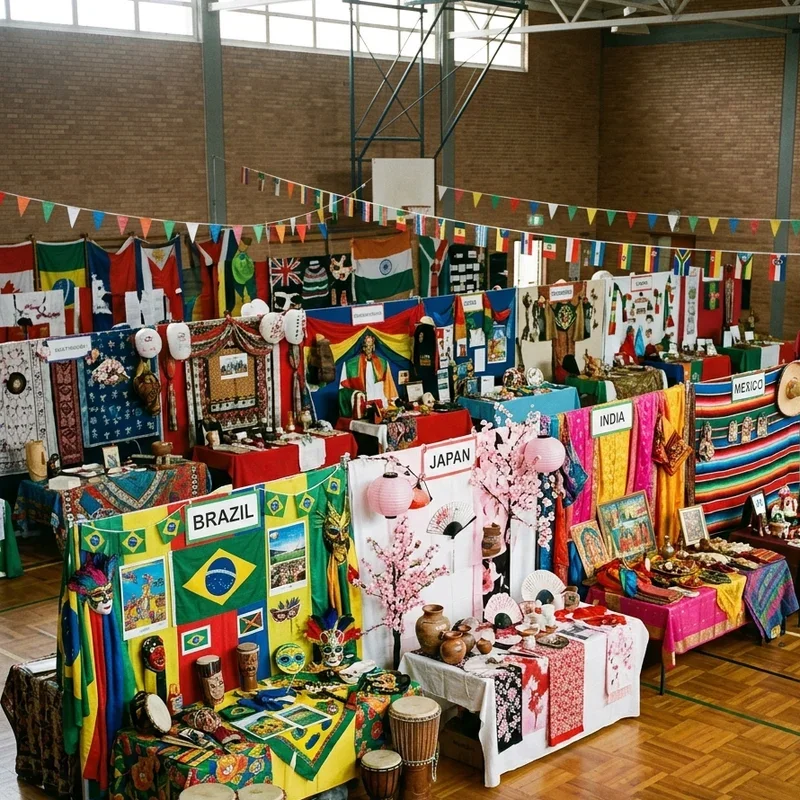
A cultural heritage world fair festival assigns student groups different countries or cultural regions to research, decorate classroom booths representing, prepare traditional food samples, perform cultural music or dance elements, and present customs and traditions to visiting classmates who travel between booths collecting passport stamps at each cultural station. World fairs work like shrinking the entire planet into your school hallway where students passport-hop between continents without passing through a single airport security checkpoint, the cultural immersion happening between math class and lunch period seamlessly. Allow two weeks of preparation time for student groups to research and build their booths. Provide passport booklets where visiting students collect stamps and write brief observations about each culture they experience during their rotation through every represented nation.
3. Courtroom Mock Trial Simulation
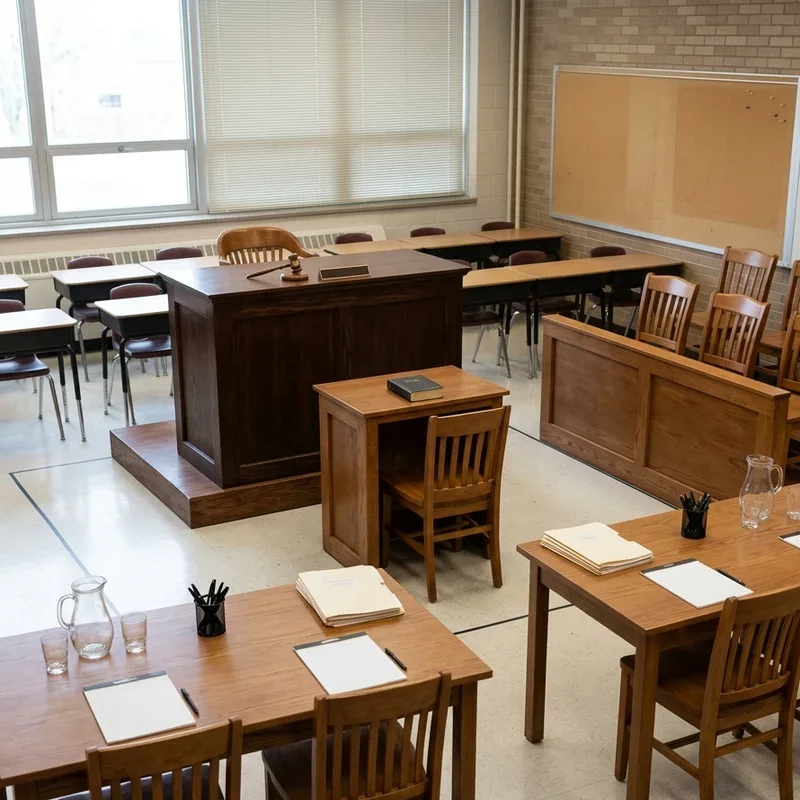
A courtroom mock trial simulation converts your classroom into a functioning courtroom where students assume roles as judges, prosecutors, defense attorneys, witnesses, and jury members, arguing a carefully constructed fictional case that teaches civic responsibility, critical thinking, public speaking, and legal reasoning through immersive role-playing participation. Mock trials work like dropping students directly into a legal drama where they write the script, deliver the arguments, and decide the verdict themselves, the personal investment in their assigned roles producing engagement levels that textbook civics lessons rarely achieve independently. Prepare a detailed case file including witness statements, evidence documents, and legal guidelines distributed to student teams one week before trial day. Assign roles matching student strengths, placing confident speakers as attorneys while analytical thinkers serve as jury members evaluating arguments.
4. Indoor Archaeology Dig Experience
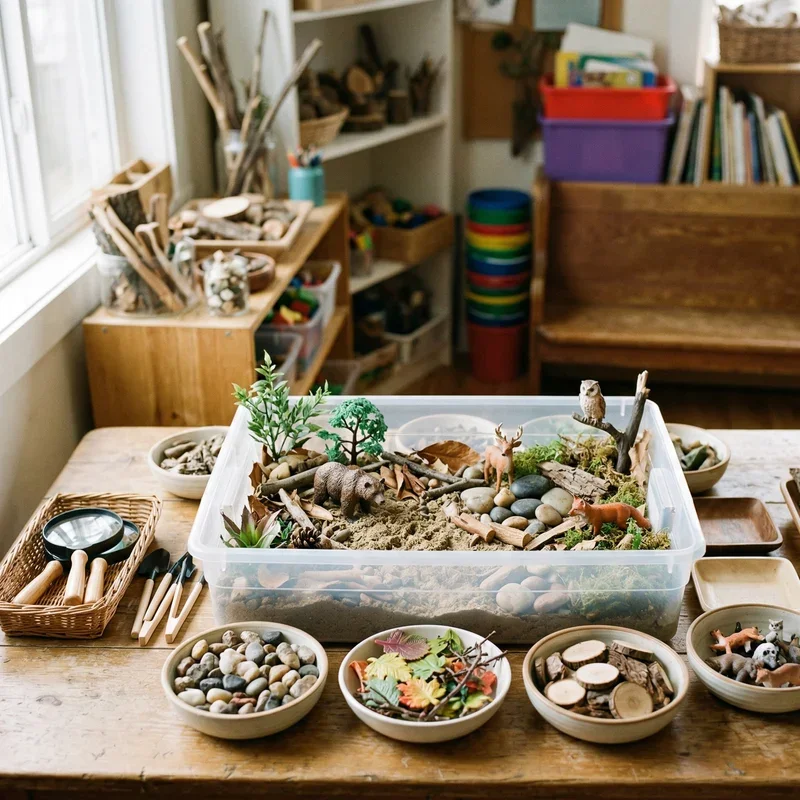
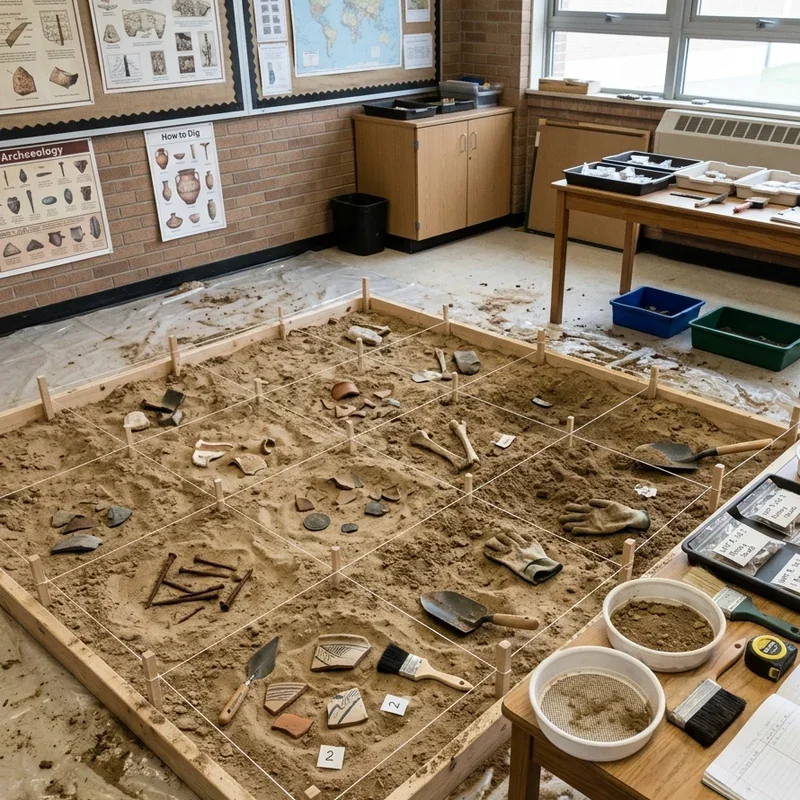
An indoor archaeology dig experience fills large plastic bins or sandbox containers with layered sand, soil, and buried artifacts including pottery fragments, replica fossils, old coins, and mystery objects that student archaeologists carefully excavate using brushes, trowels, and documentation tools, learning excavation methodology through genuine hands-on discovery. Indoor digs work like importing an ancient civilization's burial site directly into your gymnasium where every brushstroke potentially uncovers something fascinating and every labeled artifact tells a story students piece together like historical detectives solving mysteries buried for centuries. Prepare dig bins the night before burying items at various depths within layered sediment. Provide grid paper, documentation forms, and magnifying glasses teaching students to record find locations, depths, and descriptions following real archaeological field methodology throughout the excavation process.
5. School Museum Gallery Walk Exhibition
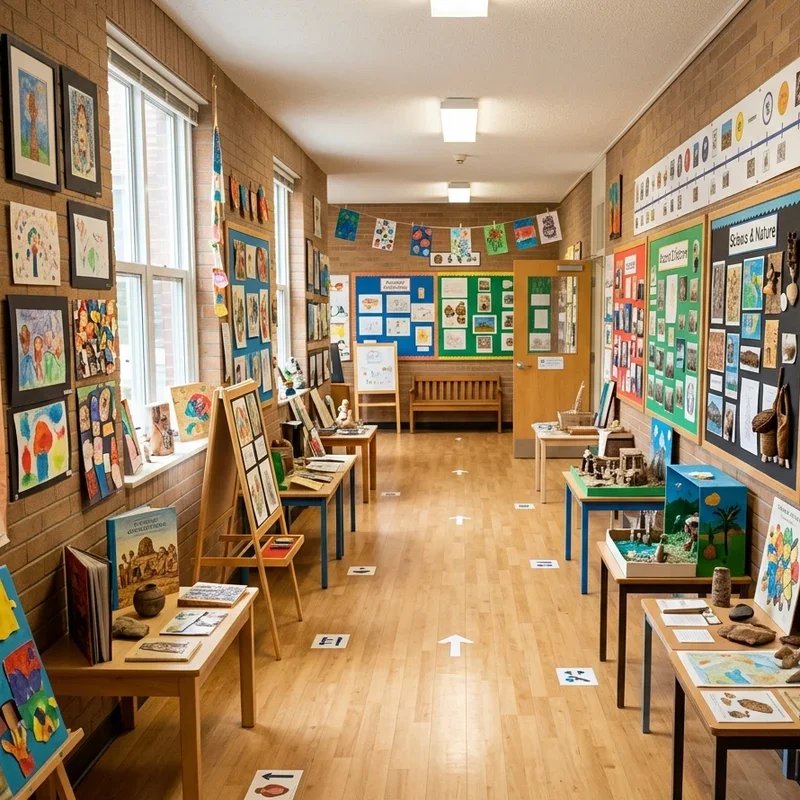
A school museum gallery walk exhibition displays student-created artwork, research posters, historical timelines, scientific models, and literary analysis presentations across hallways and common areas, transforming the entire school into a walkable museum where classes visit exhibits guided by student docents who present their own work confidently. Gallery walks work like promoting every student to museum curator for the day, the responsibility of explaining their own research and creative work to visiting audiences building presentation skills and academic confidence simultaneously through genuine public scholarly engagement. Provide display boards, table space, and clear labeling materials for professional-looking presentation setups. Schedule class rotations ensuring every student group receives adequate audience time while every visiting class experiences the complete exhibition without overcrowding any single display area.
6. Career Day Professional Interview Fair
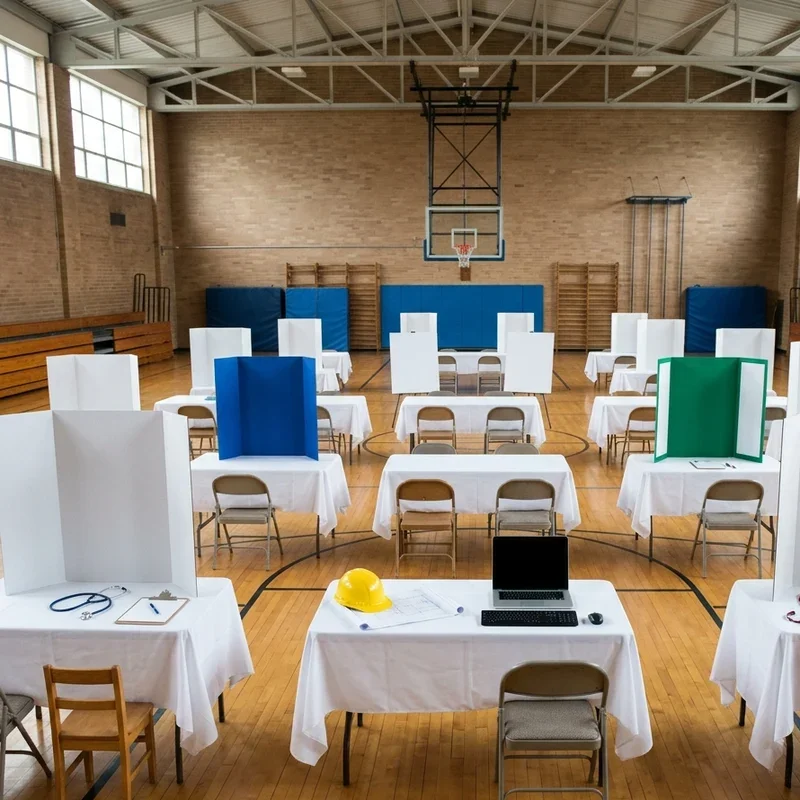
A career day professional interview fair invites parents, community members, and local professionals into the school where they set up informational booths and students circulate conducting prepared interview questions, collecting career information, and exploring diverse professional pathways they never previously considered as genuine future possibilities for themselves. Career fairs work like opening a window into dozens of possible futures simultaneously, every professional booth representing a road the student might actually travel someday, the conversations planting seeds of ambition that germinate unexpectedly years later during actual career decision moments. Send invitation letters to parents highlighting diverse professions beyond typical doctor and lawyer representations. Prepare students with interview question templates and professional conversation etiquette lessons before the event ensuring productive, respectful interactions with every visiting professional throughout the day.
7. Planetarium Stargazing Classroom Setup
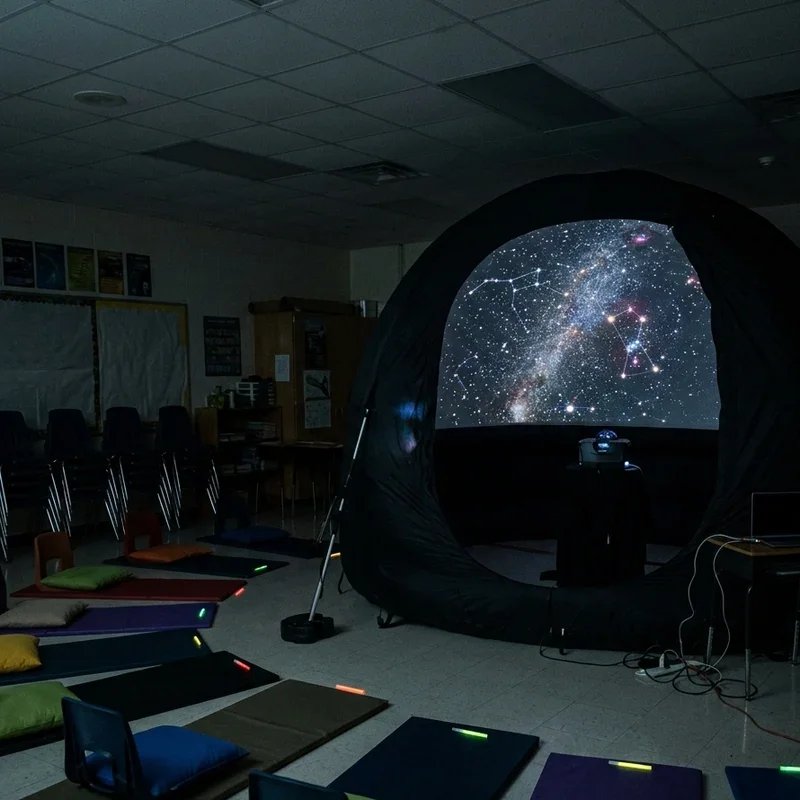
A planetarium stargazing classroom setup darkens a large room completely, projects constellation maps and planetary images across the ceiling using a portable planetarium projector or a simple DIY star projector, and guides students through an astronomical tour identifying major constellations, planets, and celestial phenomena visible in the current night sky. Classroom planetariums work like folding the entire universe into your gymnasium ceiling where students lie on blankets gazing upward at projected stars while an astronomy lesson unfolds above them in the most immersive possible classroom configuration imaginable. Rent a portable inflatable planetarium dome for the most authentic experience, or create a budget version using a darkened room with multiple star projectors. Pair the visual experience with mythology storytelling connecting constellation names to ancient cultural narratives that make the astronomy lesson simultaneously a literature and history experience.
8. Living History Reenactment Day
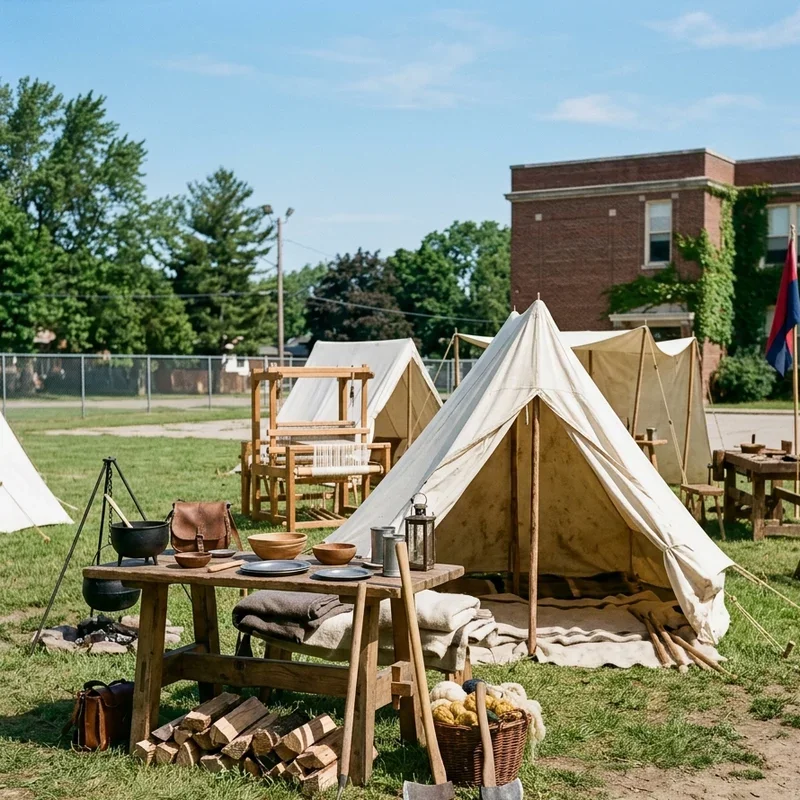
A living history reenactment day transforms classrooms into specific historical periods where teachers and students dress in period-appropriate costumes, speak using era-appropriate language, participate in historically accurate activities, and experience daily life simulations that bring textbook history chapters into vivid three-dimensional reality students physically inhabit. Reenactment days work like building a time machine that transports your entire class backward through centuries, the costumes and activities creating emotional connections to historical periods that reading alone never establishes with the same lasting personal impact. Choose a historical period currently covered in your curriculum maximizing academic alignment. Prepare activity stations including period crafts, historical food preparation, primary source document analysis, and role-play scenarios where students make decisions faced by actual historical figures during pivotal moments.
9. Escape Room Academic Challenge
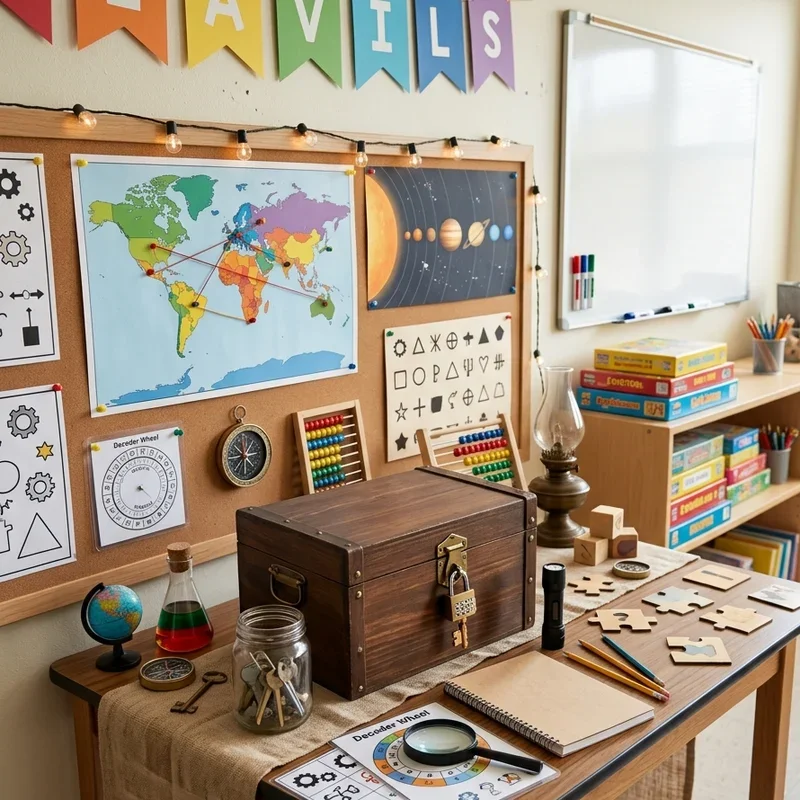
An escape room academic challenge designs a series of curriculum-based puzzles, coded messages, locked boxes, and sequential clue chains that student teams solve collaboratively under time pressure, applying subject knowledge in mathematics, language arts, science, or social studies to unlock each progressive stage of the challenge. Escape rooms work like packaging your entire semester review inside a thrilling competitive game where the exam questions become puzzle clues and the grade becomes a padlock that only opens when students genuinely demonstrate mastery of the material under exciting time pressure. Create five to seven sequential puzzles where each solution reveals the next clue advancing teams toward the final answer. Incorporate multiple subject areas within one escape room requiring teams to apply cross-curricular knowledge solving problems that blend mathematical reasoning with reading comprehension and scientific thinking.
10. School Garden Farm to Table Experience
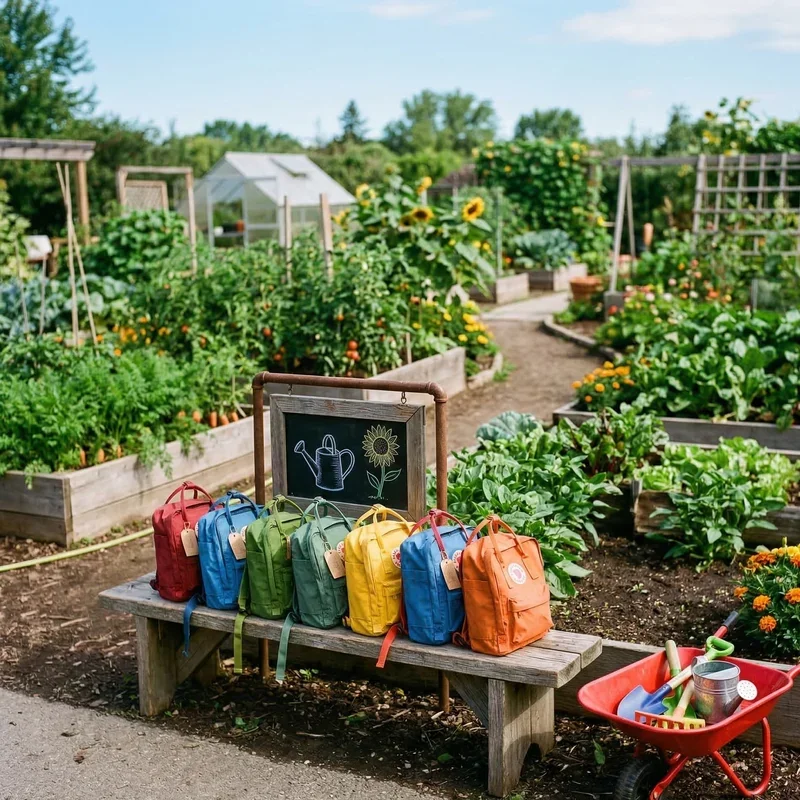
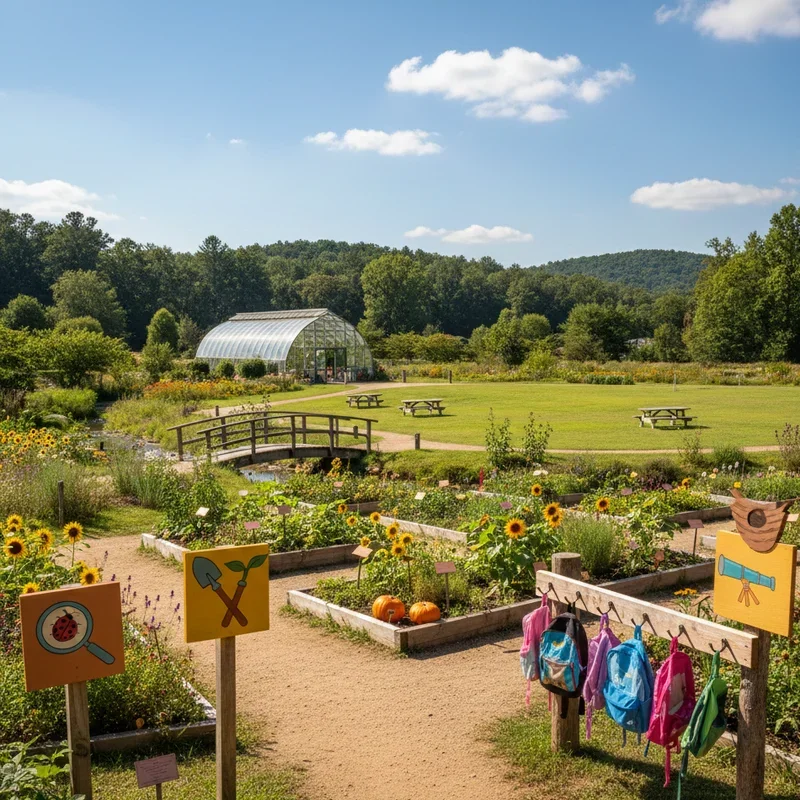
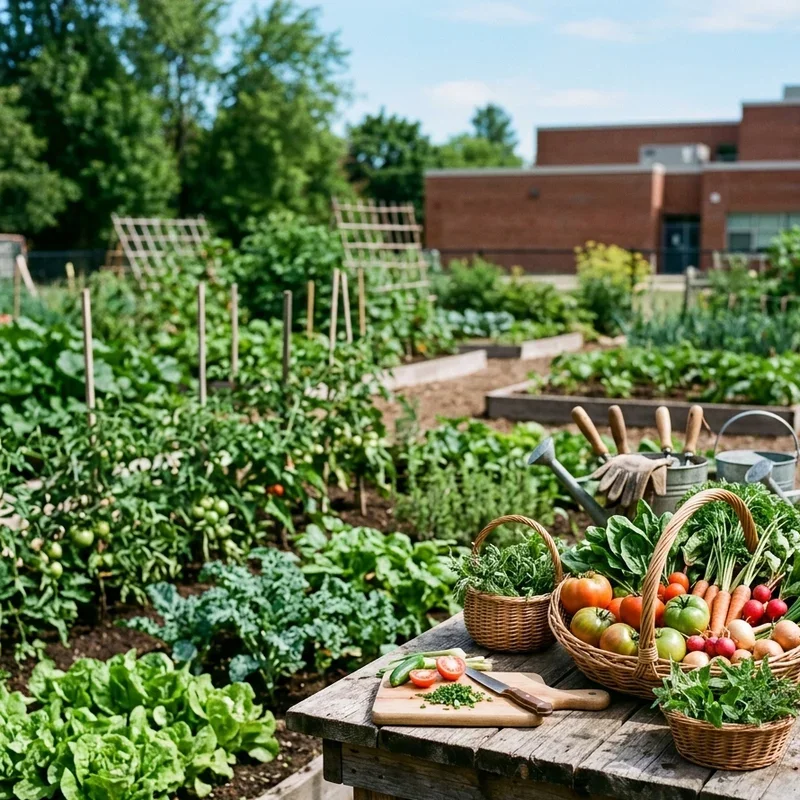
A school garden farm to table experience takes students through the complete food production cycle by harvesting vegetables from the school garden, washing and preparing ingredients in the school kitchen, cooking a simple recipe together, and sharing the meal as a class while discussing nutrition, agriculture, food systems, and environmental sustainability. Farm to table days work like compressing an entire agricultural season into one school afternoon where students physically connect the dirt beneath their fingernails to the food on their plates, understanding food origins through direct participatory experience rather than textbook diagrams alone. Plant fast-growing crops like lettuce, radishes, and herbs eight weeks before the planned harvest event. Partner with the school cafeteria staff for supervised cooking sessions where students prepare simple recipes using their personally harvested garden produce.
11. Author Visit and Writing Workshop Day
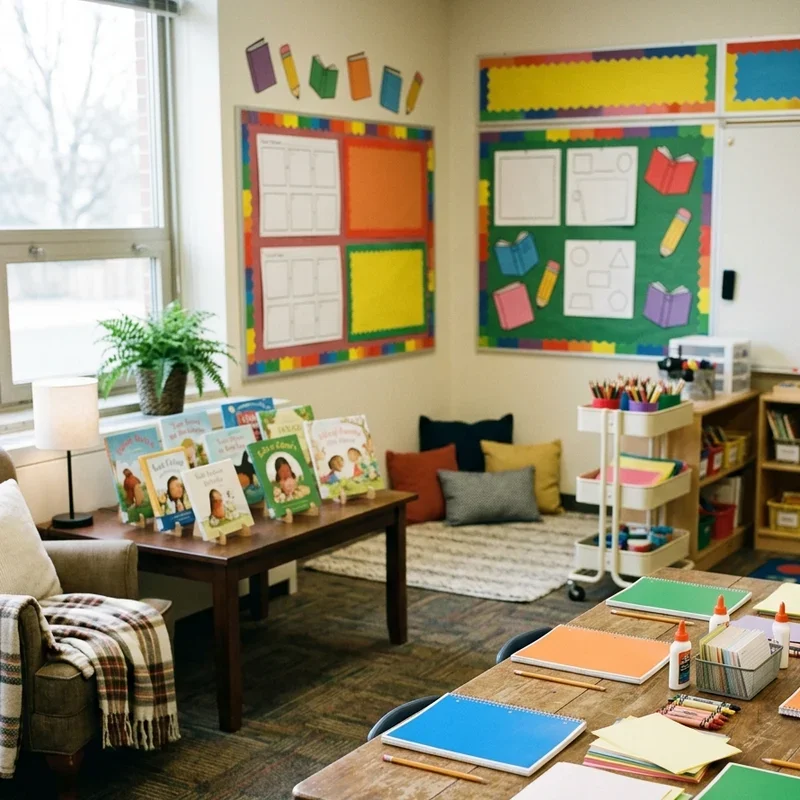
An author visit and writing workshop day invites a local published author, poet, journalist, or storyteller into your school for reading sessions, behind-the-scenes publishing discussions, and guided writing workshops where students create original pieces using professional techniques taught directly by a practicing writer sharing their genuine creative process. Author visits work like bringing the person hiding behind the book cover directly into your classroom where students realize that real humans create the stories they read, the professional connection making their own writing aspirations feel suddenly achievable rather than impossibly distant. Contact local bookstores, writing organizations, and library systems for author visit referrals. Prepare students by reading the visiting author's work beforehand, then develop thoughtful questions that demonstrate genuine engagement and curiosity about the creative writing process.
12. Invention Convention Student Showcase
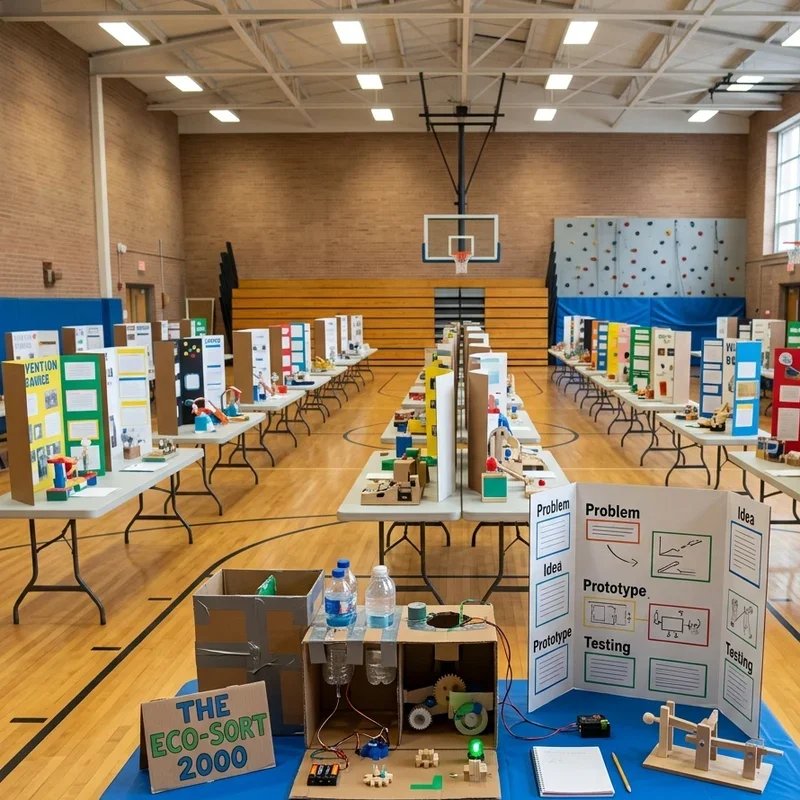
An invention convention student showcase challenges students to identify real-world problems, design original solutions, build working prototypes or detailed models, and present their inventions to classmate judges and invited community guests who evaluate creativity, practicality, and presentation quality across all competing entries. Invention conventions work like hosting a miniature startup incubator inside your school where every student becomes an entrepreneur pitching their solution to authentic audiences, the competitive pressure producing surprisingly sophisticated problem-solving from students who thrive when given genuine creative freedom and public accountability. Assign the invention challenge three to four weeks before the convention allowing adequate research, prototyping, and presentation preparation time. Provide basic building supplies including cardboard, tape, glue, and recycled materials while encouraging students to source specialized materials from home for their individual projects.
13. Virtual Reality Field Trip Experience
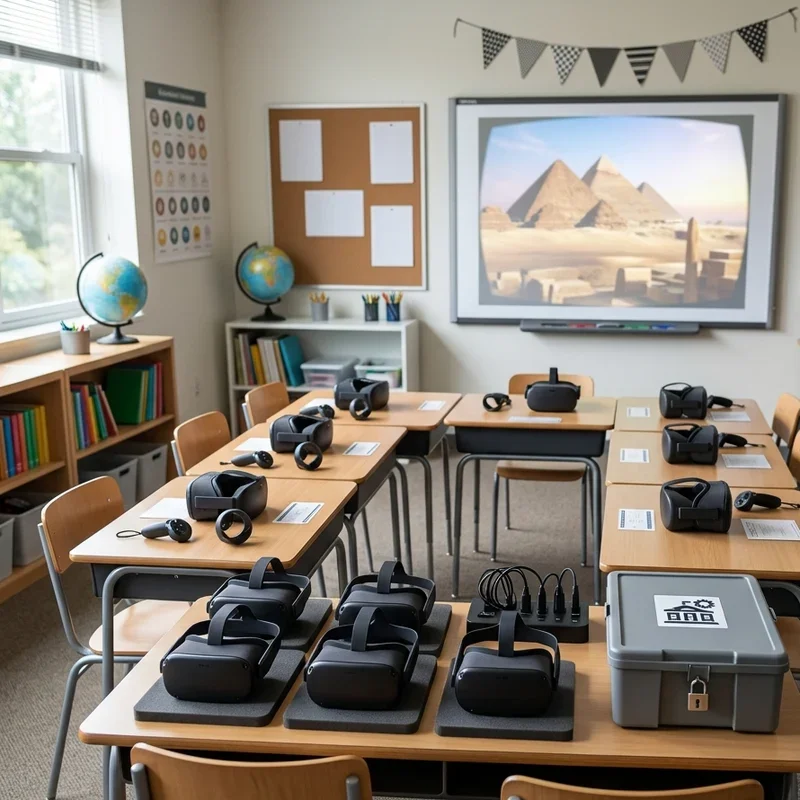
A virtual reality field trip experience uses VR headsets, 360-degree video content, or immersive digital platforms to transport students to locations physically impossible to visit including the International Space Station, deep ocean hydrothermal vents, ancient Roman forums, African wildlife reserves, and active volcanic craters. Virtual reality trips work like teleporting your entire class to impossible destinations where the educational access transcends every physical, financial, and logistical barrier that traditional field trips consistently face, the technology democratizing experiential learning completely. Use affordable smartphone-based VR viewers like Google Cardboard for budget-friendly implementation across entire classrooms. Curate content from educational VR platforms offering standards-aligned experiences that connect directly to current curriculum units ensuring the technological spectacle serves genuine academic learning objectives.
14. Culinary Arts Cultural Cooking Class
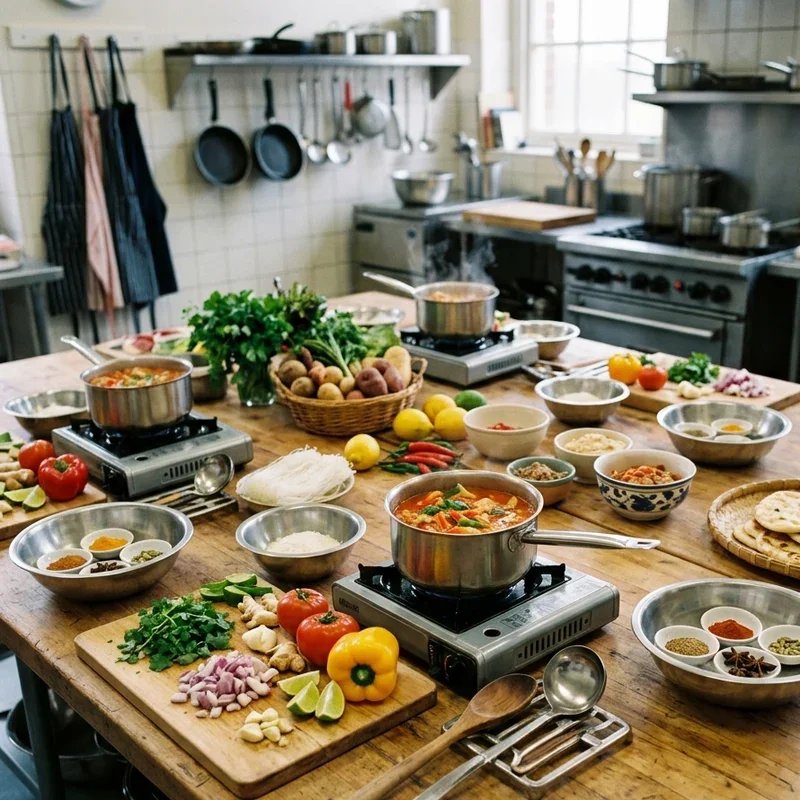
A culinary arts cultural cooking class transforms the school kitchen or a classroom equipped with portable cooking stations into a global culinary academy where students prepare traditional dishes from different world cultures, learning geography, cultural traditions, measurement skills, and collaborative teamwork through the universal language of food. Cooking classes work like handing every student a passport that travels through taste buds instead of airports, each recipe teaching cultural context, mathematical measurement, scientific reactions, and collaborative skills simultaneously while producing something delicious everyone shares and enjoys together afterward. Select recipes requiring minimal cooking equipment and emphasizing safe, no-heat preparation for younger students. Connect each dish to a geography or social studies unit, discussing the culture's history, climate, agricultural traditions, and how these factors influenced the cuisine students are preparing together.
15. Film Festival Student Documentary Screening
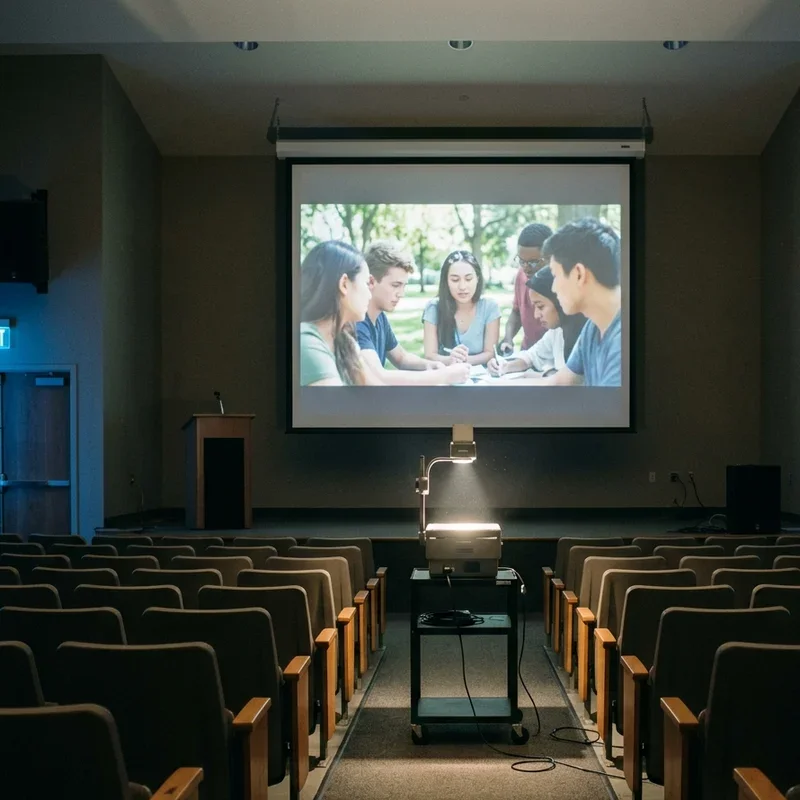
A film festival student documentary screening assigns student teams to research, script, film, edit, and produce short documentary films on assigned academic topics, then screens the completed films in a school auditorium or gymnasium formatted as an official film festival complete with programs, red carpet entrance, and audience voting. Film festivals work like handing every student team a director's chair and a deadline, the filmmaking process requiring research, scripting, visual storytelling, and technical editing skills that produce deeper subject mastery than any traditional assessment format while celebrating creative expression publicly. Provide basic filming guidelines and editing software tutorials two weeks before the screening deadline. Create a genuine festival atmosphere with printed programs listing film titles, director names, and synopses that make every student team feel professionally recognized for their creative academic work.
Conclusion
In-school field trips prove that transformative educational experiences do not require buses, permission slips, or budget line items because the most engaging learning adventures happen when creative teachers reimagine ordinary school spaces as extraordinary destinations filled with discovery, collaboration, and genuine excitement. From indoor archaeology digs to courtroom simulations and virtual reality expeditions, these fifteen ideas demonstrate that the most memorable classroom moments occur when learning feels like an adventure students actively participate in rather than passively observe. Choose ideas aligning with your curriculum objectives and available resources, because the best in-school field trip makes students forget they never actually left the building.
Read next: 15 Field Trip Snack Ideas That Are Easy to Pack
Frequently Asked Questions
Q1: How much preparation time do in-school field trips typically require for teachers?
A: Plan two to four weeks ahead for gathering materials, coordinating volunteers, and preparing student activities.
Q2: Do in-school field trips meet the same educational standards as traditional off-campus trips?
A: Well-designed in-school trips align directly with curriculum standards while offering hands-on experiential learning.
Q3: How do I fund in-school field trip materials without a dedicated school trip budget?
A: Request parent donations, apply for mini-grants, or partner with local businesses sponsoring educational materials.
Q4: Can in-school field trips work effectively for multiple grade levels simultaneously across campus?
A: Stagger rotation schedules allowing different grades to experience the same activities at separate designated times.
Q5: What is the ideal class size for running in-school field trip activities smoothly?
A: Groups of fifteen to twenty students per activity station allow meaningful participation and adequate supervision.
Stay up to date with our latest ideas!