15 School Field Trip Ideas to Inspire Young Minds
Discover 15 engaging school field trip ideas that spark curiosity and learning. From museums to nature centers, inspire young minds today!
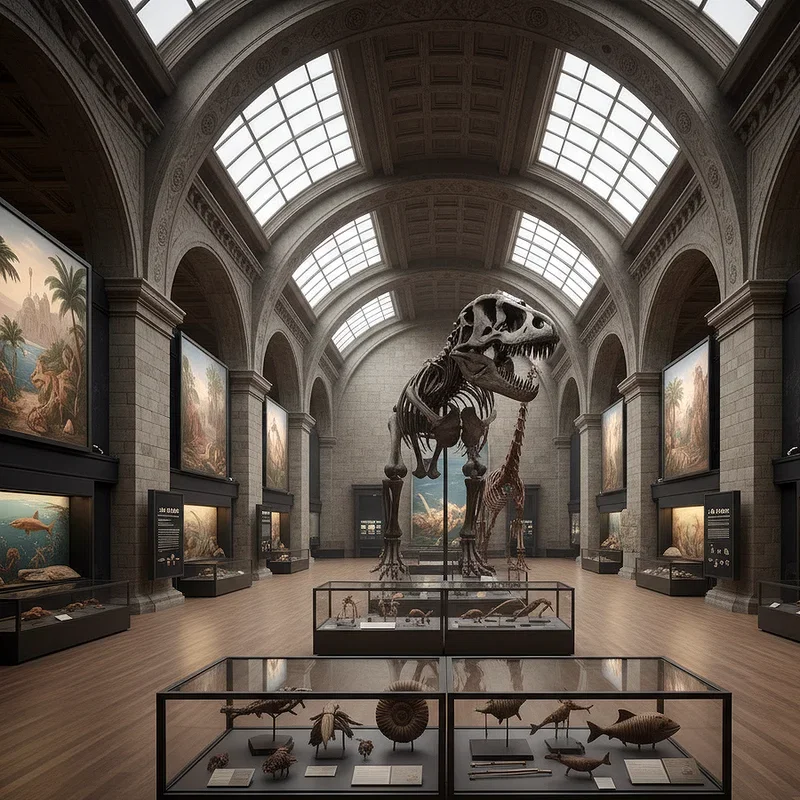
Remember that electric feeling of boarding a yellow school bus, knowing adventure awaited beyond classroom walls? Field trips represent more than just a break from routine; they transform abstract concepts into tangible experiences that ignite curiosity and foster lifelong learning. When students step outside their familiar environment, they discover connections between textbook knowledge and the real world. These excursions create memories that last far beyond graduation day, sparking interests that might shape future careers. Whether you're planning your first educational outing or looking to refresh your annual itinerary, choosing the right destination makes all the difference. The best field trips balance entertainment with education, ensuring students return home buzzing with excitement and newfound knowledge. Have you ever watched a child's eyes light up when theory becomes reality? That's the magic we're chasing.
1. Science Museums and Discovery Centers
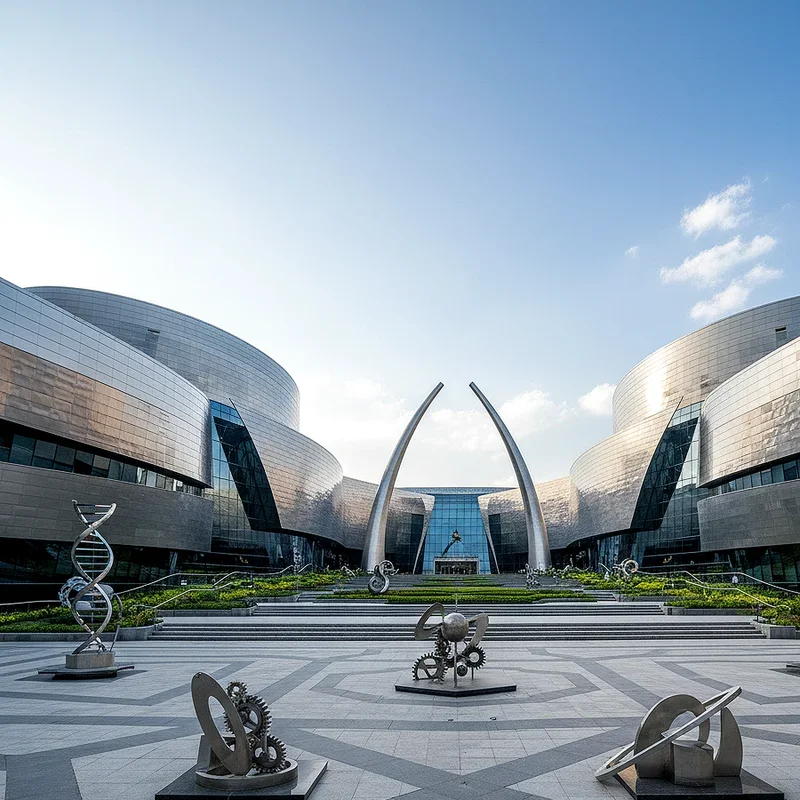
Science museums offer hands-on exhibits that transform passive observers into active participants in the learning process. Students engage with interactive displays covering physics, chemistry, biology, and technology, making abstract scientific principles tangible and memorable. These venues often feature live demonstrations, planetarium shows, and workshops led by enthusiastic educators who bring complex topics to life. From touching real meteorites to conducting simple experiments, children discover that science isn't confined to textbooks but exists everywhere around them. The sensory-rich environment stimulates curiosity while accommodating different learning styles, ensuring every student finds something that resonates. Many museums rotate exhibits regularly, meaning return visits offer fresh perspectives and new discoveries. This dynamic approach keeps students engaged and demonstrates that scientific learning never truly ends in our ever-evolving world.
2. Historical Sites and Living History Museums
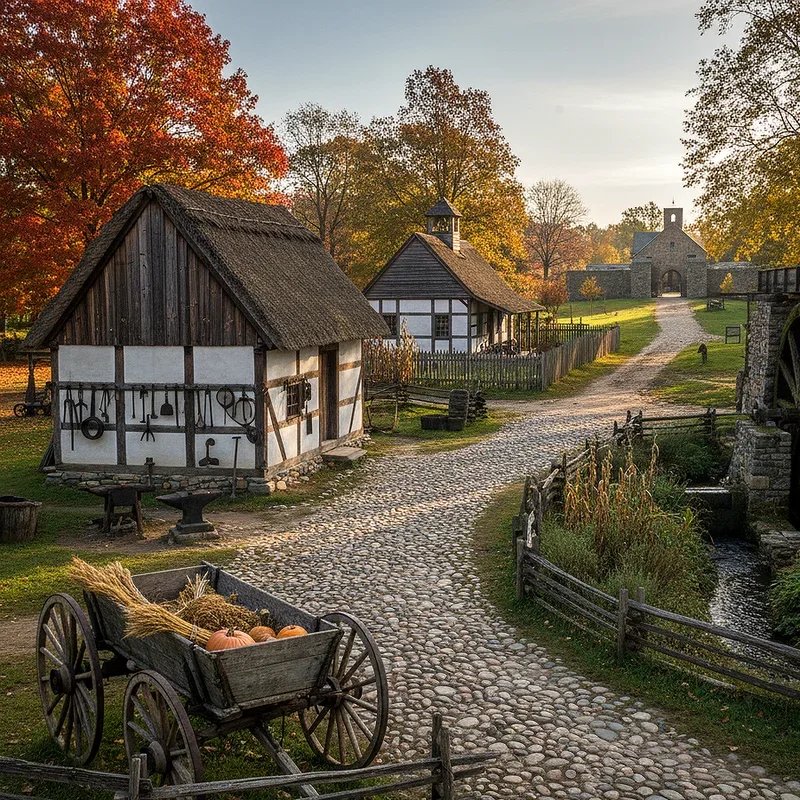
Historical sites transport students through time, offering immersive experiences that textbooks simply cannot replicate for young learners today. Walking through preserved buildings, touching artifacts, and meeting costumed interpreters who embody historical figures creates emotional connections to the past. Living history museums take this further by recreating entire communities where students witness daily life from different eras firsthand. They might watch blacksmiths forge tools, help prepare traditional meals, or participate in colonial-era games and activities. These experiences contextualize historical events within the human stories behind them, making dates and facts meaningful and relatable. Students develop empathy for people from different times while understanding how past decisions shape our present reality. The authenticity of these environments helps information stick far better than memorization ever could.
3. Art Galleries and Interactive Art Studios
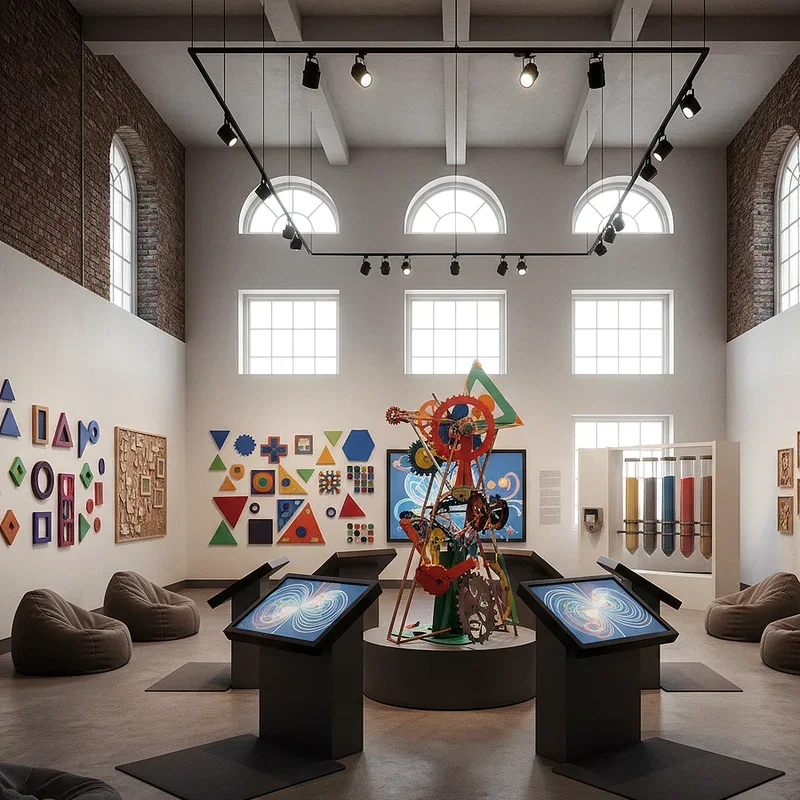
Art galleries expose students to diverse creative expressions while nurturing their own artistic potential through guided exploration and reflection. Viewing original artworks teaches visual literacy, critical thinking, and cultural appreciation in ways that digital reproductions cannot match. Interactive art studios complement traditional galleries by offering hands-on workshops where students experiment with various media and techniques themselves. They might create sculptures, paint murals, or explore digital art, discovering personal artistic voices they never knew existed. Docents and teaching artists guide discussions about artistic choices, historical context, and the emotions artworks evoke in viewers. These conversations develop communication skills while validating subjective interpretations and personal responses. Art field trips demonstrate that creativity matters, showing students that expressing themselves through visual media represents a legitimate form of intelligence.
4. Nature Centers and Wildlife Sanctuaries
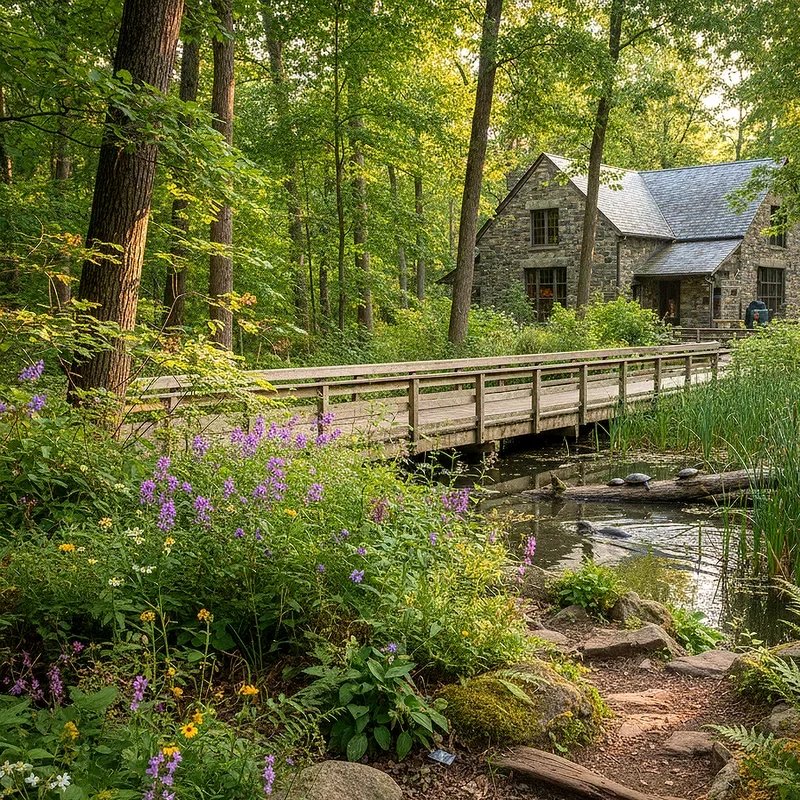
Nature centers provide outdoor classrooms where ecosystems become living textbooks and every trail holds lessons waiting for discovery. Students observe wildlife in natural habitats, learning about food chains, adaptation, and environmental interdependence through direct observation. Naturalists guide hikes that reveal hidden details most visitors miss, from identifying bird calls to tracking animal footprints. Hands-on activities might include pond dipping to examine aquatic microorganisms, planting native species, or monitoring weather stations. These experiences foster environmental stewardship by creating personal connections to the natural world students want to protect. Many centers offer seasonal programs showcasing how environments change throughout the year, teaching cyclical patterns and climate impacts. The unpredictability of nature also teaches patience and adaptability, valuable life skills beyond ecological knowledge.
5. Planetariums and Space Centers
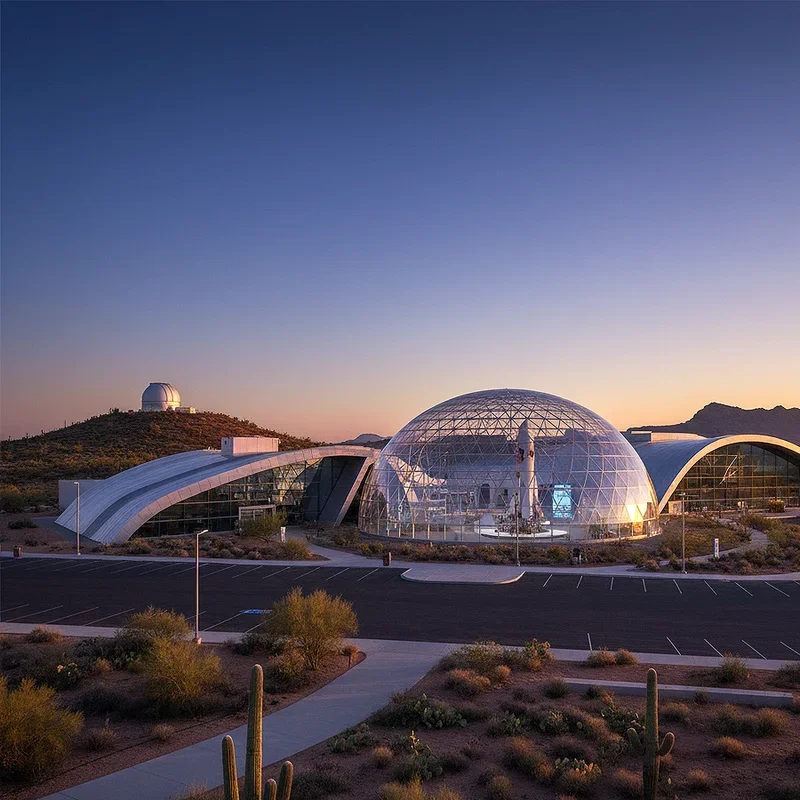
Planetariums transform ceilings into windows to the universe, sparking wonder about our place in the vast cosmos. Immersive shows transport students across millions of light-years, exploring planets, stars, galaxies, and cosmic phenomena with breathtaking visual effects. They learn about celestial navigation, seasonal sky changes, and the science behind astronomical events like eclipses and meteor showers. Many space centers complement planetarium experiences with exhibits featuring real spacecraft, space suits, and sometimes even astronaut meet-and-greets. Students discover how space exploration drives technological innovation that impacts daily life, from GPS systems to weather forecasting. The scale of the universe humbles while simultaneously inspiring students to dream big about humanity's future among the stars. These visits often ignite passions for astronomy, physics, and engineering careers.
6. Working Farms and Agricultural Education Centers
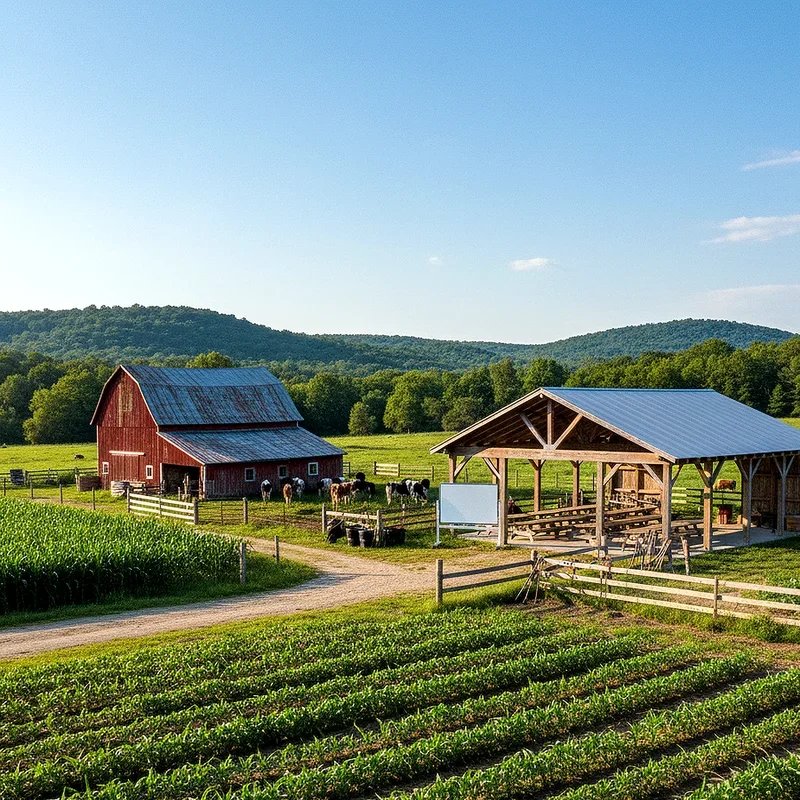
Working farms connect students to food sources in an era when many children don't understand where their meals originate. They witness seasonal planting and harvesting cycles, learning about agriculture's crucial role in sustaining human civilization throughout history. Hands-on activities might include feeding animals, collecting eggs, milking cows, or helping harvest vegetables for immediate appreciation. Students discover the hard work, planning, and knowledge required for successful farming, developing respect for agricultural professionals and rural communities. Educational programs often cover topics like sustainable practices, soil health, water conservation, and the journey from farm to table. Understanding agriculture's environmental impact helps students make informed choices about food consumption and waste reduction. These visits also highlight career opportunities in agricultural science, veterinary medicine, and sustainable food systems.
7. Aquariums and Marine Biology Centers
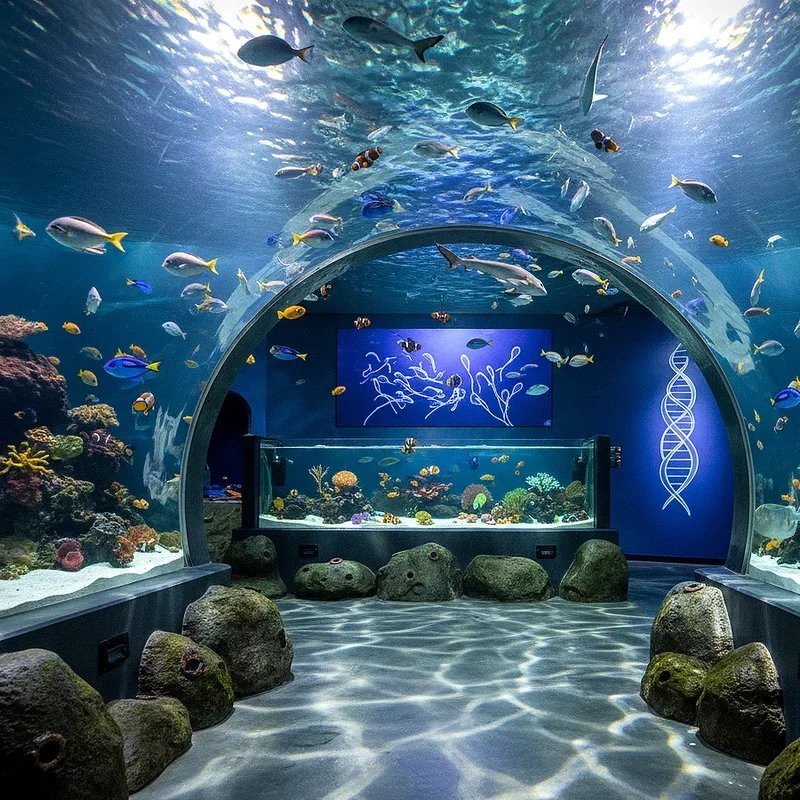
Aquariums showcase underwater worlds students rarely access, revealing the incredible diversity of marine life inhabiting our oceans and waterways. Walking through underwater tunnels surrounded by swimming sharks, rays, and schools of tropical fish creates awe-inspiring moments. Interactive touch tanks allow direct contact with starfish, sea urchins, and other creatures, making marine biology tangible. Educational programs teach about ocean ecosystems, conservation challenges, and how human activities impact aquatic environments both locally and globally. Students learn about marine food webs, adaptation to extreme underwater conditions, and the importance of biodiversity. Many aquariums feature rehabilitation programs for injured sea life, demonstrating practical conservation efforts. These visits often inspire future marine biologists, oceanographers, and environmental advocates by revealing oceans as frontiers worth exploring and protecting.
8. Theater Performances and Performing Arts Centers
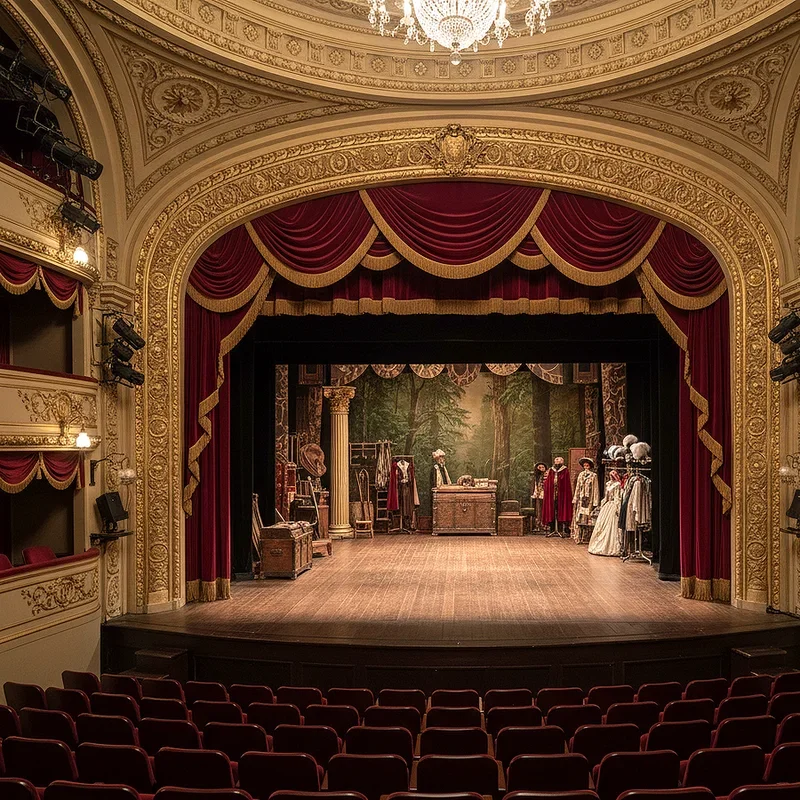
Theater performances develop cultural literacy and emotional intelligence by exposing students to storytelling through live dramatic arts. Watching actors embody characters, convey emotions, and navigate conflicts teaches empathy and perspective-taking in uniquely powerful ways. Live performances demonstrate collaboration, as dozens of people work together seamlessly to create magical experiences for audiences. Students observe how technical elements like lighting, sound, costumes, and sets contribute to storytelling beyond just words and acting. Many theaters offer educational matinees followed by talkbacks where students question cast members about their craft and creative choices. These interactions demystify theater production while highlighting diverse career paths in performing arts beyond acting itself. The immediacy and energy of live performance, where anything could happen, teaches presence and appreciation for ephemeral artistic moments that cannot be replicated.
9. Local Government Buildings and Civic Centers
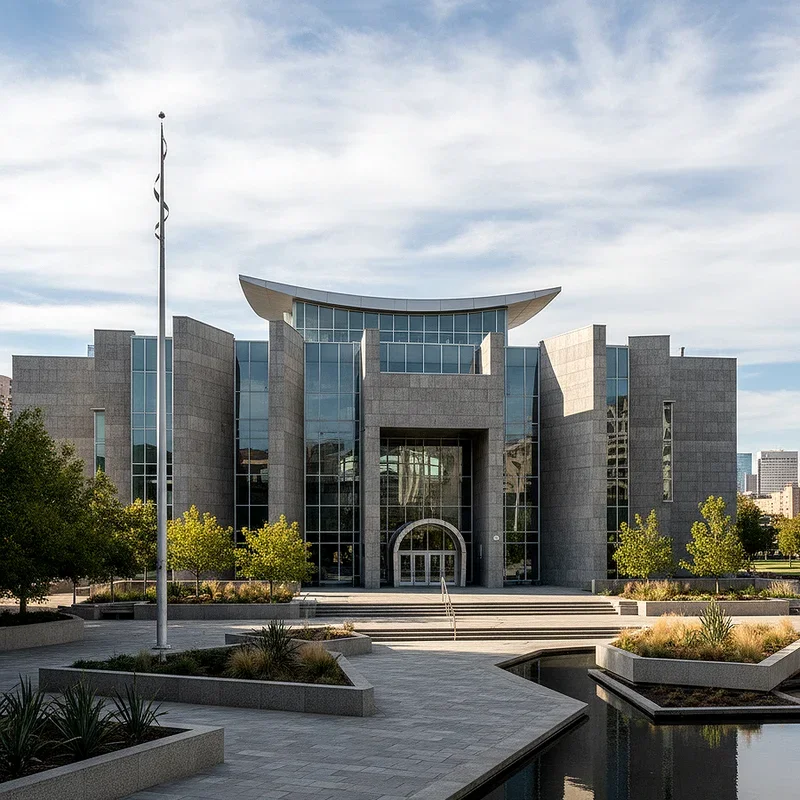
Local government buildings demystify civic processes, showing students how democracy functions beyond textbook descriptions and historical dates. Visiting city halls, courthouses, or legislative chambers, students witness real meetings, debates, and decision-making affecting their communities directly. They might observe trials, attend council sessions, or meet elected officials who explain their roles and responsibilities to constituents. Mock trial programs or simulated legislative sessions let students role-play government positions, experiencing decision-making complexities firsthand. These experiences teach that government isn't abstract or distant but composed of real people addressing community needs. Students learn about checks and balances, public service careers, and their own civic responsibilities as future voters. Understanding how local government operates empowers students to become informed, engaged citizens who recognize their voices matter in shaping communities.
10. Botanical Gardens and Arboretums
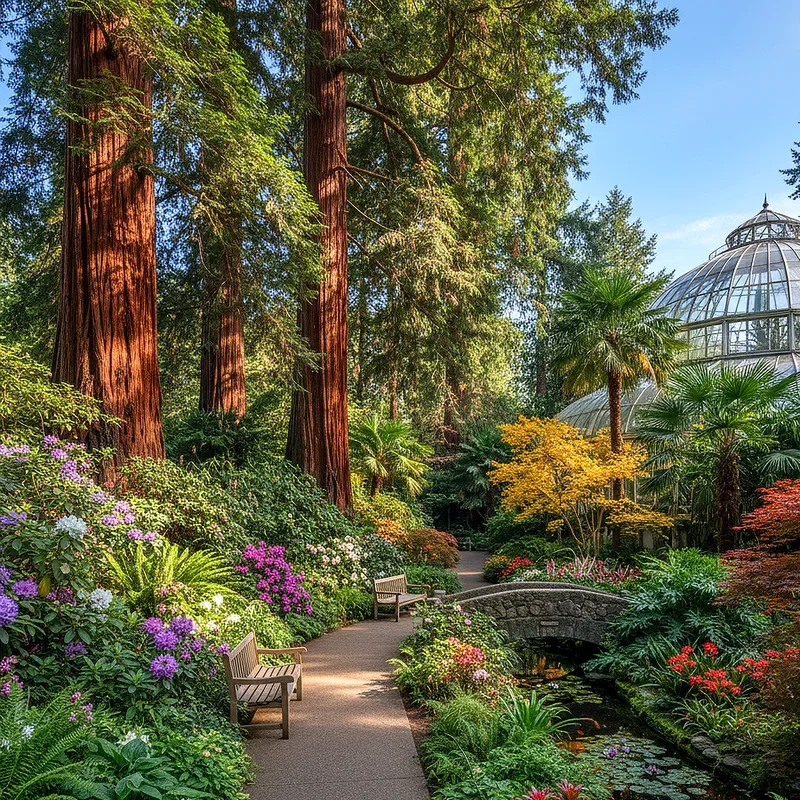
Botanical gardens showcase plant diversity from around the world while teaching environmental science, conservation, and horticultural practices effectively. Students wander through themed gardens displaying desert plants, tropical rainforests, Japanese landscapes, or native species, observing adaptations to different climates. They learn about plant life cycles, photosynthesis, pollination, and the crucial relationships between plants and other organisms. Many gardens offer workshops on topics like composting, organic gardening, or identifying edible and medicinal plants safely. Seasonal changes provide different learning opportunities, from spring blooms to autumn harvests, teaching natural cycles and phenology. Conservation programs highlight endangered plant species and habitat restoration efforts, inspiring environmental stewardship. The beauty and tranquility of gardens also provide sensory experiences that calm minds and inspire artistic expression.
11. Environmental Education Centers and Recycling Facilities
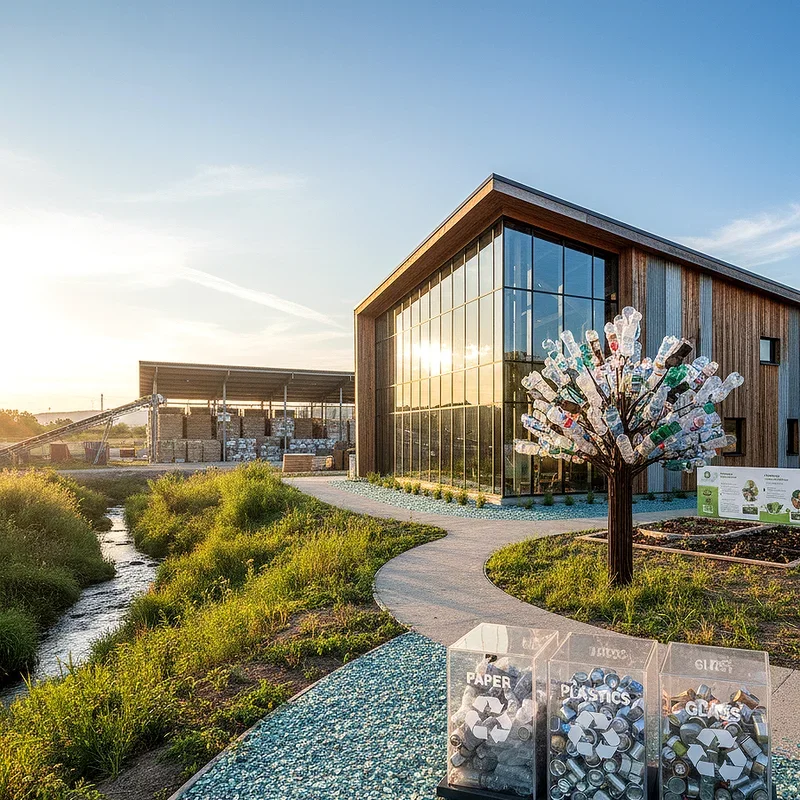
Environmental education centers teach sustainability concepts through interactive programs showing how human choices impact ecosystems and natural resources. Students might participate in stream monitoring, learn about watershed management, or examine how pollution affects water quality firsthand. Recycling facility tours reveal what happens to materials after they leave homes, teaching waste reduction importance and the economics of recycling. Composting demonstrations show organic waste transformation into nutrient-rich soil, illustrating natural cycles and sustainability. Renewable energy exhibits explain solar, wind, and hydroelectric power, presenting alternatives to fossil fuels for younger generations. These centers often incorporate green building features like rainwater collection or living roofs as teaching tools about sustainable design. Students leave understanding that individual actions collectively matter, empowering them to make environmentally conscious choices.
12. College and University Campuses
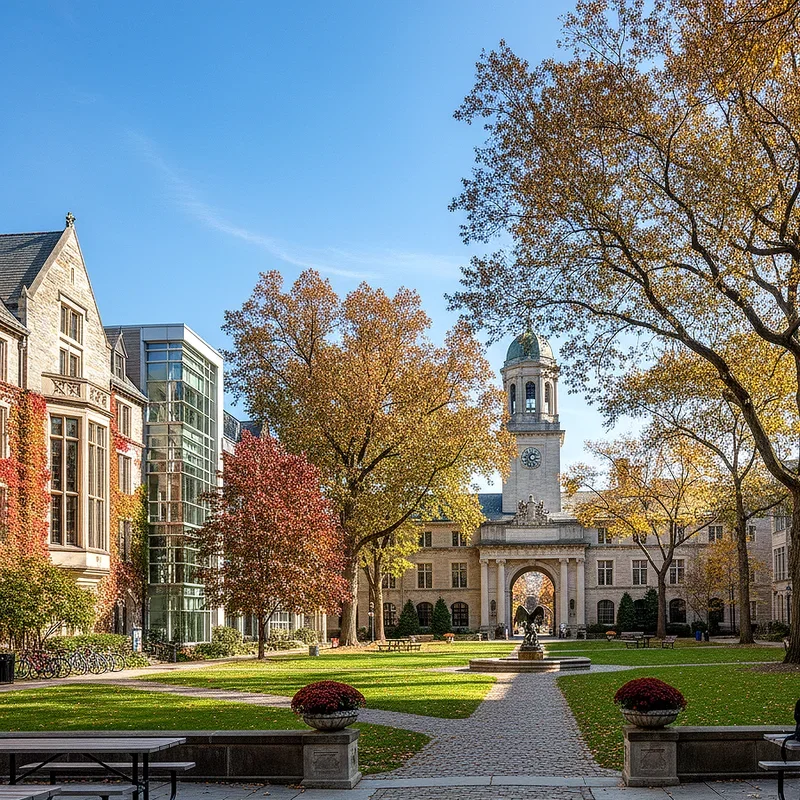
College and university campuses expose students to higher education possibilities, planting seeds for future academic aspirations early in development. Campus tours showcase libraries, laboratories, dormitories, and recreational facilities, demystifying college life and making it feel accessible and exciting. Students might attend sample lectures, meet professors, or interact with current students who share their college experiences honestly. Visiting specialized facilities like research labs, observatories, or art studios demonstrates advanced learning opportunities beyond high school curriculum. These trips particularly benefit first-generation college-bound students who lack family experience navigating higher education systems and expectations. Early campus exposure correlates with increased college attendance rates by making abstract futures concrete and achievable. Students return with expanded horizons, understanding education as a pathway to careers, personal growth, and lifelong learning.
13. Local Businesses and Manufacturing Plants
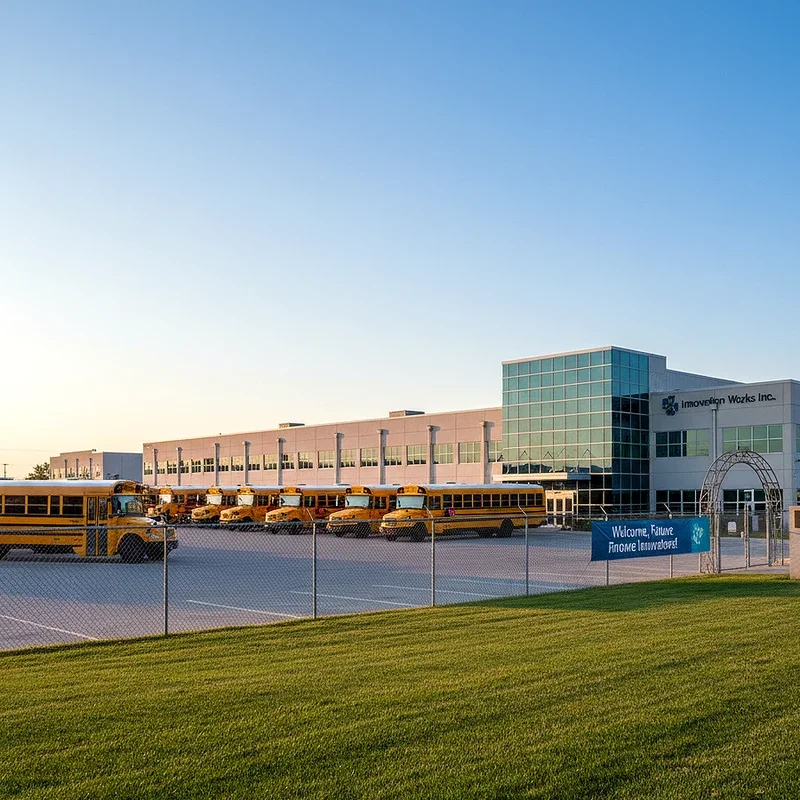
Local businesses and manufacturing plants reveal real-world applications of classroom subjects while introducing diverse career pathways students might pursue. Factory tours show production processes from raw materials to finished products, teaching supply chains, quality control, and manufacturing efficiency. Bakeries, print shops, or craft breweries demonstrate how chemistry, math, and engineering principles apply practically in everyday contexts. Students observe workplace culture, safety protocols, and the variety of roles required for successful business operations beyond just production. Meeting employees from different departments, including management, design, and logistics, broadens career awareness beyond common professions. These visits emphasize that vocational and technical careers offer fulfilling, well-compensated pathways not requiring traditional four-year degrees necessarily. Understanding how businesses operate within communities also teaches economic principles, entrepreneurship, and workforce development concepts.
14. Historical Landmarks and Monuments
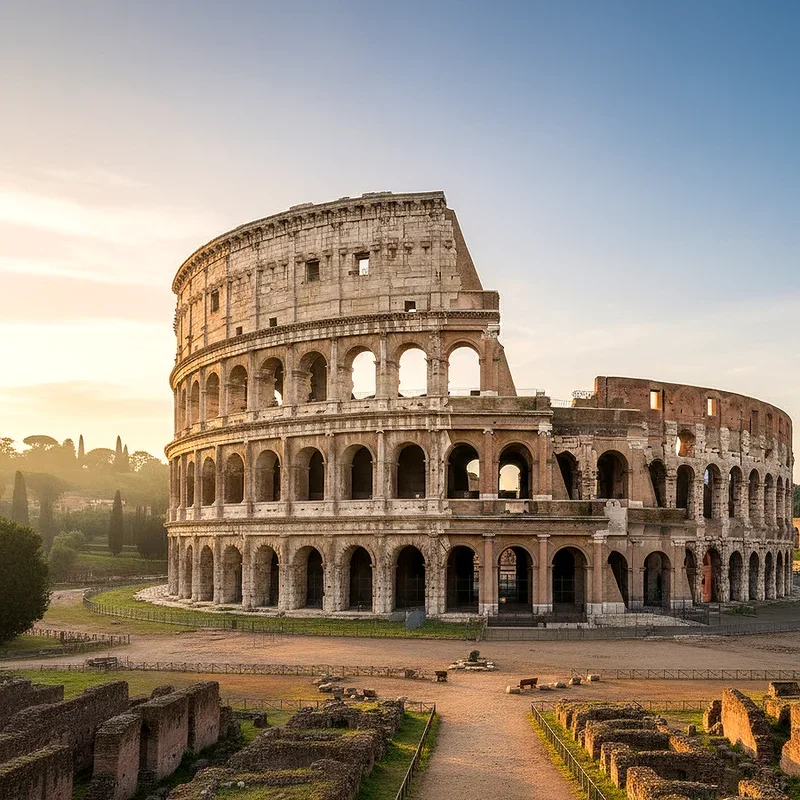
Historical landmarks and monuments provide tangible connections to pivotal events and figures that shaped nations, communities, and collective identities. Standing where history happened creates emotional resonance that photographs and descriptions cannot replicate for developing minds today. Students learn the stories behind statues, buildings, and commemorative sites, understanding why societies preserve and honor certain memories collectively. Guided tours contextualize landmarks within broader historical narratives, revealing complexities often simplified in textbooks for younger audiences. These visits prompt discussions about historical interpretation, memory, and how different groups may view the same events differently. Students develop critical thinking by analyzing what gets memorialized and whose stories receive prominence in public spaces. Understanding that history is constructed and contested, not just factual record, prepares students for informed citizenship.
15. Cultural Centers and Ethnic Heritage Museums
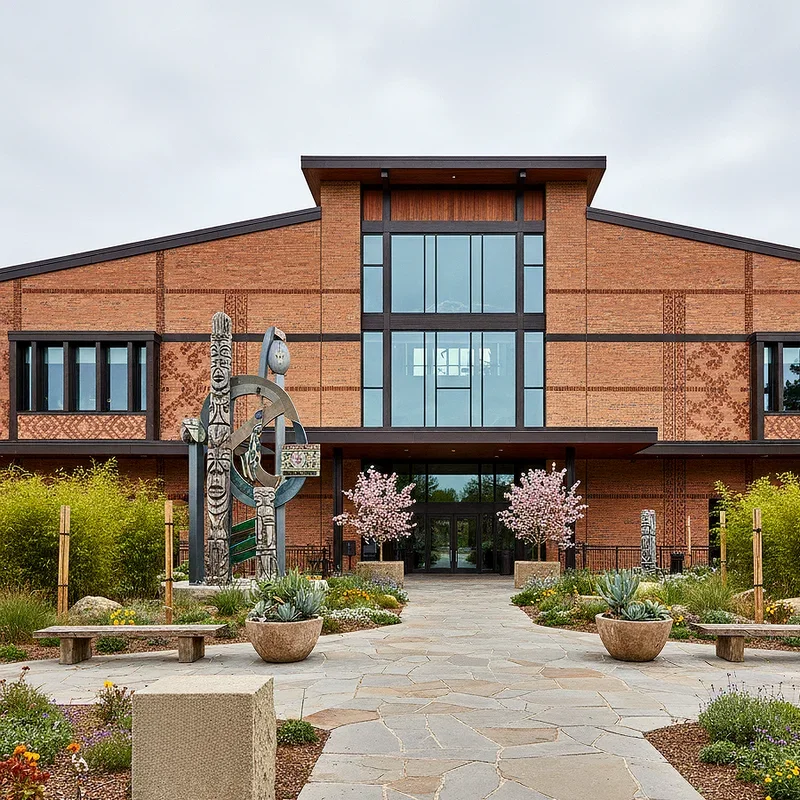
Cultural centers and ethnic heritage museums celebrate diversity while teaching students about traditions, customs, and contributions of different communities. Exhibits showcase art, music, clothing, and artifacts representing various cultures, fostering appreciation for human creativity and resilience. Interactive programs might include traditional dance performances, cooking demonstrations, or craft workshops teaching culturally specific skills and knowledge. Students learn about immigration experiences, cultural preservation efforts, and how heritage informs contemporary identity for many people. These visits combat stereotypes by presenting nuanced, multifaceted portraits of cultures beyond superficial representations often seen in media. Exposure to diverse perspectives builds empathy, cultural competence, and respect for differences in our increasingly interconnected world today. Understanding that cultural identity matters helps students appreciate their own heritage while respecting others' backgrounds equally.
Conclusion
Field trips transform education from passive reception to active engagement, creating memories that last lifetimes while inspiring future passions. The fifteen ideas presented here offer diverse opportunities for sparking curiosity across subjects, from science and history to arts and civic engagement. Successful trips require careful planning, clear learning objectives, and follow-up activities that reinforce experiences gained outside classroom walls. When students connect classroom concepts to real-world applications, learning becomes meaningful, relevant, and exciting rather than abstract and forgettable. The investment in these experiences pays dividends through increased engagement, broader perspectives, and inspired learners who carry these lessons forward throughout their lives.
Read next: 15 Field Trip Ideas for Memorable School Adventures
Frequently Asked Questions
Q1: What age groups benefit most from educational field trips?
A: All ages benefit, though experiences should match developmental levels and learning objectives appropriately.
Q2: How can teachers maximize learning from field trips?
A: Prepare students beforehand, provide guided activities during trips, and conduct reflective discussions afterward.
Q3: What budget considerations affect field trip planning?
A: Transportation, admission fees, meals, and chaperone costs require planning, though grants often help.
Q4: How many chaperones should accompany students on trips?
A: Ratios vary by age; typically one adult per five to ten students ensures safety.
Q5: Can virtual field trips replace physical visits effectively?
A: Virtual options provide accessibility but lack the full sensory engagement of physical experiences.
Stay up to date with our latest ideas!