How to Pack for a Winter Trip: Essentials Guide
Master how to pack for a winter trip with this essentials guide covering clothing layers, gear, and smart tips for stress-free travel.
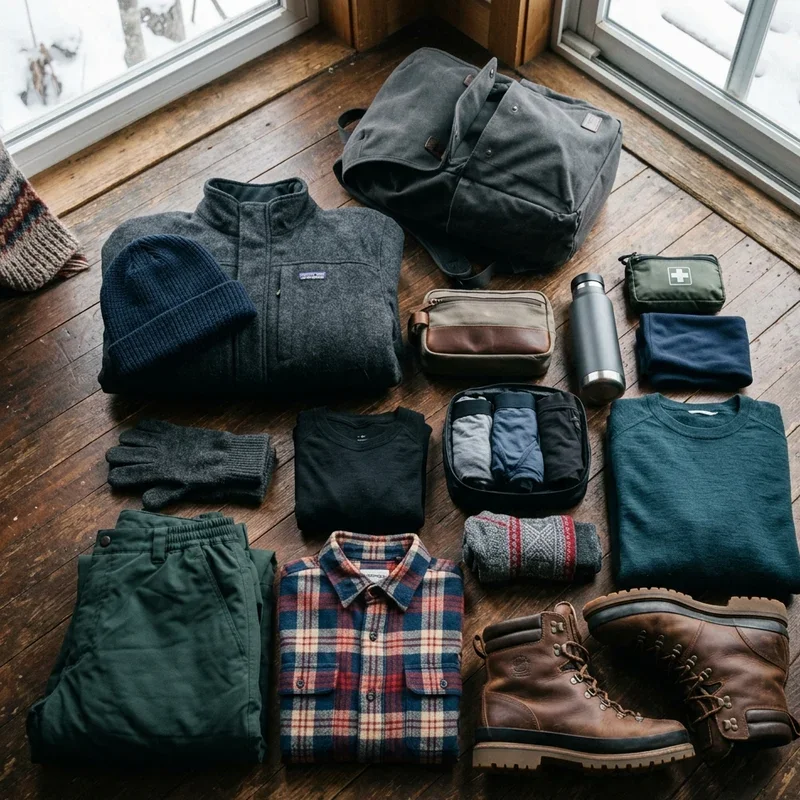
Packing for a winter getaway can feel like solving a puzzle with too many pieces, right? Between bulky sweaters, heavy boots, and all those accessories, it's easy to overpack or forget something crucial. But here's the thing: once you've got a solid system down, you'll breeze through packing like a pro every single time.
Whether you're heading to a snowy mountain resort, exploring a charming European city in December, or visiting family during the holidays, knowing what to bring makes all the difference. This How to Pack for a Winter Trip: Essentials Guide will walk you through everything from layering strategies to must-have gadgets that keep you cozy and prepared. So grab a cup of something warm, and let's dive into the nitty-gritty of winter travel packing.
Understanding the Art of Winter Layering
When it comes to dressing for cold weather, layering isn't just a buzzword thrown around by outdoor enthusiasts. It's genuinely the secret sauce that keeps you comfortable whether you're walking through a snowstorm or stepping into a heated restaurant. The beauty of layering lies in its flexibility because you can add or remove pieces based on how you're feeling throughout the day.
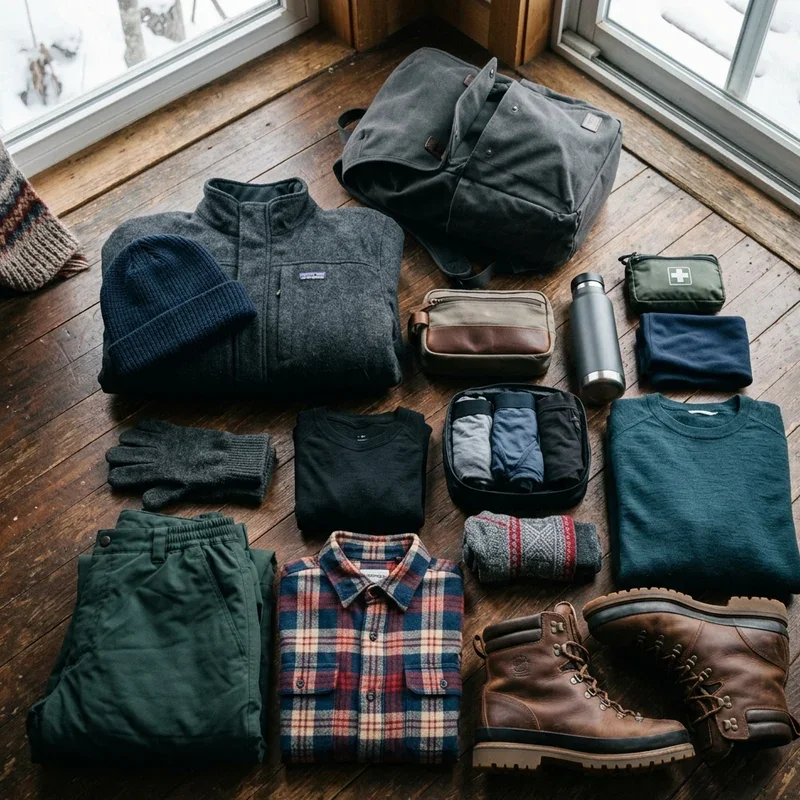
Think of your outfit as a three-layer cake. The base layer sits right against your skin and wicks away moisture. The middle layer provides insulation to trap body heat. And the outer layer shields you from wind, rain, and snow. When you get this formula right, you'll stay toasty without feeling like a stuffed marshmallow.
Base Layers That Actually Work
Your base layer does the heavy lifting when it comes to moisture management. Cotton might seem like a natural choice, but honestly, it's a winter traveler's worst enemy. Cotton absorbs sweat and holds onto it, leaving you feeling clammy and cold. Instead, reach for merino wool or synthetic fabrics designed for athletic wear.
Merino wool is a fantastic option because it regulates temperature naturally and resists odor. You can wear the same base layer multiple days in a row without anyone being the wiser. Synthetic materials like polyester blends dry quickly and are often more budget-friendly. Whichever you choose, make sure the fit is snug but not restrictive.
Insulating Mid Layers for Maximum Warmth
Your mid layer is where the magic happens. This is the piece that traps warm air close to your body and creates that cozy bubble you're craving. Fleece jackets are incredibly popular because they're lightweight, breathable, and pack down small. Down jackets offer superior warmth-to-weight ratio, making them ideal for seriously cold destinations.
Puffy vests are another clever option that keeps your core warm while giving your arms freedom to move. Some travelers prefer wool sweaters for a more polished look, especially if they're planning evening dinners or cultural excursions. The key is choosing something that balances warmth with versatility.
Outer Shells That Battle the Elements
Your outer layer serves as your first line of defense against whatever Mother Nature throws your way. A good winter jacket should be waterproof or at least water-resistant, windproof, and breathable enough to prevent overheating during active moments.
Look for jackets with sealed seams and adjustable hoods that fit over winter hats. Pit zips are a thoughtful feature that allows you to ventilate without removing the whole jacket. If you're traveling somewhere with extreme cold, consider a parka with proper insulation built into the shell itself.
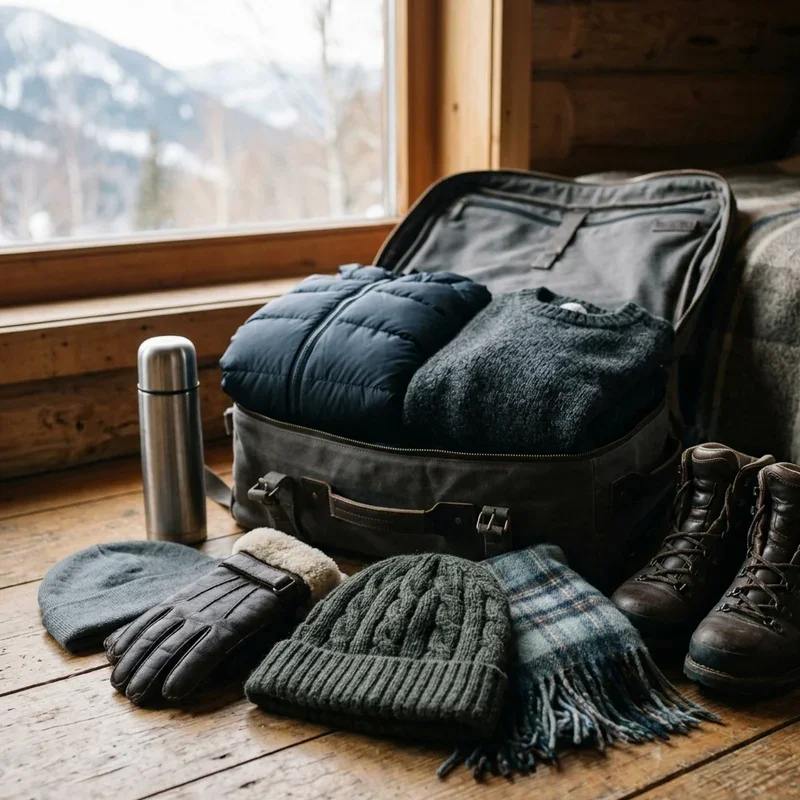
How to Pack for a Winter Trip: Essentials Guide to Footwear
Your feet deserve special attention when planning a winter trip. Cold, wet feet can ruin an otherwise perfect day faster than you can say "frostbite." The right footwear keeps you comfortable, safe, and ready to explore without constant discomfort.
Insulated Waterproof Boots Are Non-Negotiable
Forget fashion-forward boots that look cute but offer zero protection. Winter travel demands insulated, waterproof boots with good traction. Look for boots rated to handle the lowest temperatures you expect to encounter. Thinsulate or similar synthetic insulation works wonderfully for most conditions.
Rubber outsoles with deep lugs grip icy surfaces and prevent embarrassing slips. Make sure there's enough room inside for thick wool socks without cramping your toes. Tight boots actually make your feet colder because restricted circulation limits heat flow.
Wool Socks Are Your Best Friends
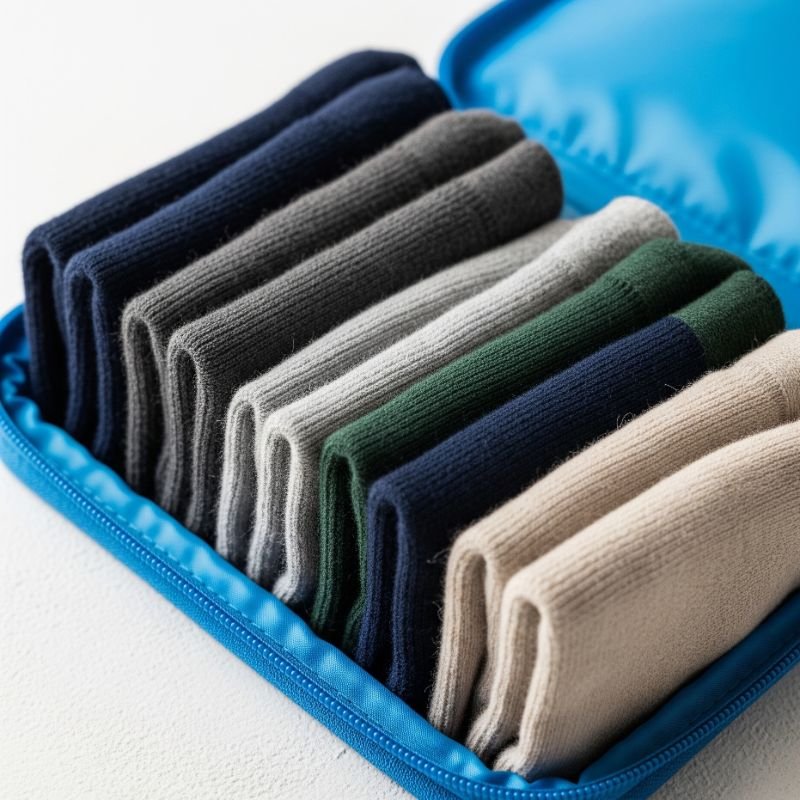
Speaking of socks, ditch those thin cotton pairs you wear around the house. Wool socks or wool-synthetic blends keep your feet warm even when damp and provide cushioning for long walking days. Pack at least three pairs so you always have a dry option ready.
Some travelers swear by liner socks worn underneath heavier wool socks for extra warmth and blister prevention. This two-sock system works particularly well for skiing, snowshoeing, or extended outdoor adventures. Just make sure your boots accommodate the extra bulk.
Consider Bringing Indoor Shoes
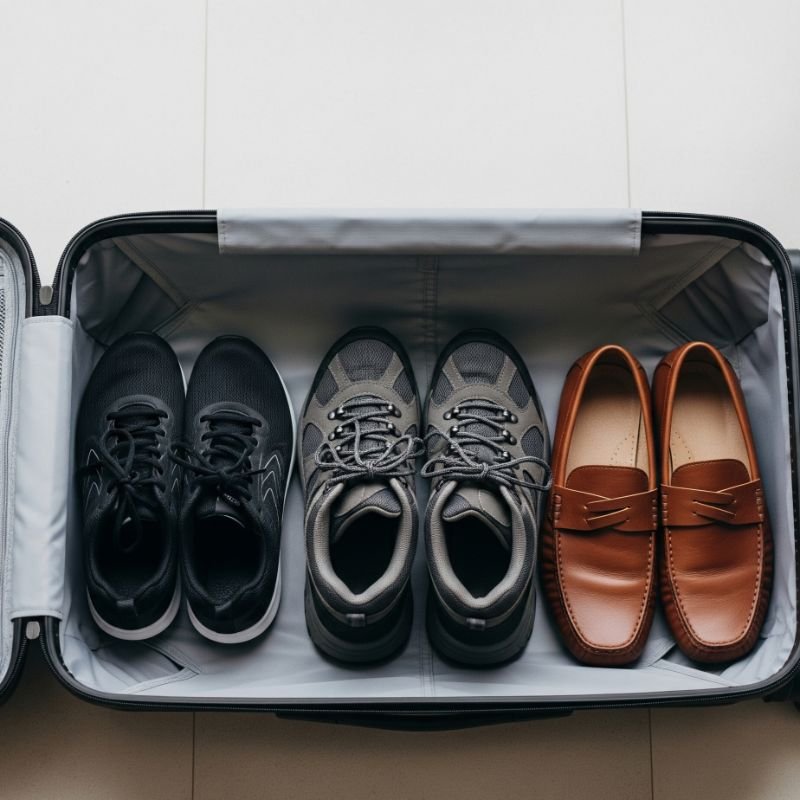
Many winter destinations involve lots of time indoors, whether that's museums, restaurants, or friends' homes. Packing a lightweight pair of indoor shoes gives your feet a break from heavy boots. Slip-on sneakers or packable flats work great for this purpose.
In some countries, removing outdoor shoes when entering homes is customary and expected. Having a clean indoor option shows respect for local customs while keeping your feet comfortable throughout extended visits.
Accessories That Make or Break Your Comfort
Sometimes the smallest items have the biggest impact on your winter travel experience. Accessories might seem like afterthoughts, but they're actually essential components of your How to Pack for a Winter Trip: Essentials Guide checklist.
Hats, Gloves, and Scarves
Heat escapes rapidly through your head, so wearing a warm hat is absolutely crucial. Wool beanies, fleece-lined hats, or trapper-style options with ear flaps all work brilliantly. Choose something that fits comfortably under your jacket hood if needed.
Gloves come in countless varieties, and your choice depends on planned activities. Thin liner gloves work for mild cold and allow smartphone use. Insulated ski gloves handle serious freezing temperatures. Consider bringing both types so you're prepared for different situations.
A good scarf or neck gaiter protects exposed skin between your jacket and hat. Some travelers prefer buffs because they're versatile, packable, and can transform into multiple configurations. Fleece or merino wool options offer the best combination of warmth and comfort.
Hand and Toe Warmers
Disposable hand warmers are cheap, lightweight, and absolutely wonderful during especially cold outings. Toss a few packets into your backpack and activate them when temperatures drop unexpectedly. They fit nicely inside gloves or pockets for hours of gentle heat.
Toe warmers stick to the bottom of your socks and keep your feet toasty during outdoor activities. These little helpers cost practically nothing and take up zero space in your luggage. Stock up before your trip and thank yourself later.
Sunglasses and Lip Balm
Winter sun reflecting off snow creates serious glare that strains your eyes and can even cause snow blindness. Polarized sunglasses protect your vision and reduce headaches caused by squinting. Choose a pair that wraps around your face to block peripheral light.
Cold dry air wreaks havoc on lips, leaving them chapped and painful. Pack multiple lip balms with SPF protection and keep one in every pocket and bag. Reapply frequently, especially before heading outdoors.
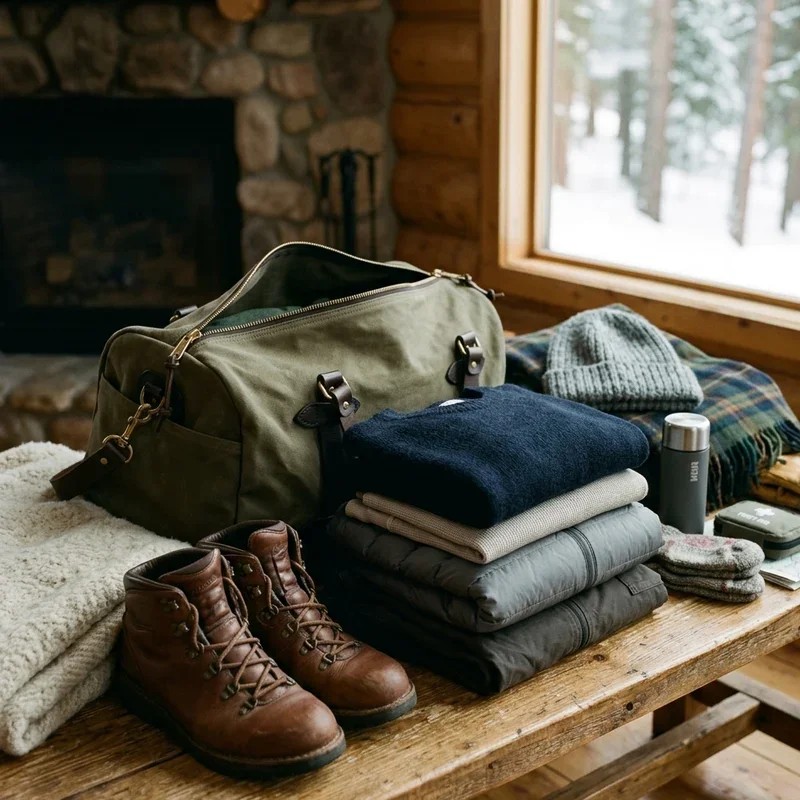
Packing Strategies for Bulky Winter Clothing
Winter clothes take up ridiculous amounts of space, and fitting everything into a single suitcase feels impossible sometimes. However, clever packing techniques help maximize your luggage real estate without requiring extra bags.
The Roll Versus Fold Debate
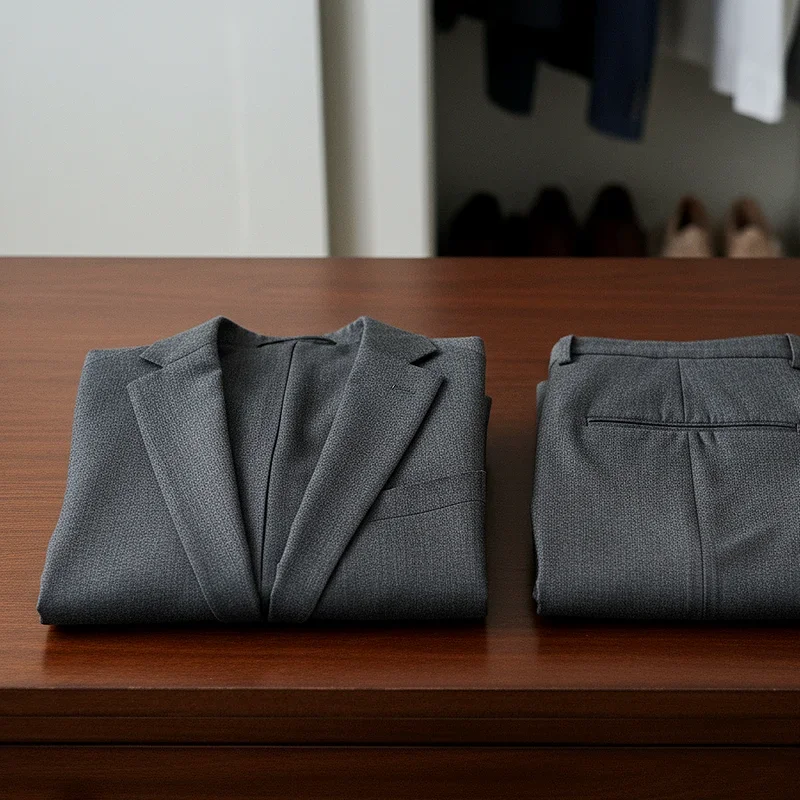
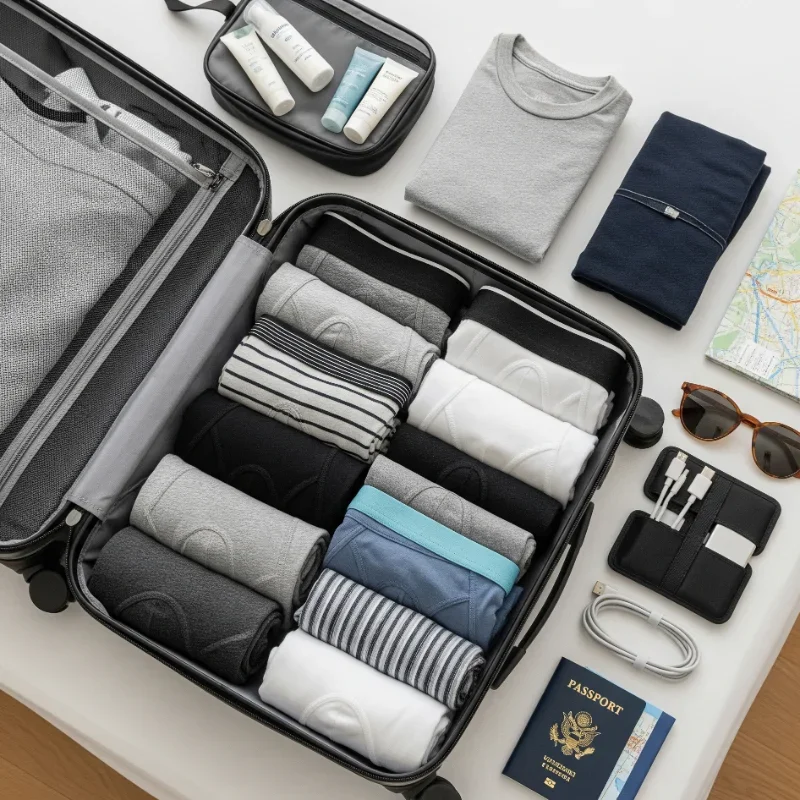
Rolling soft items like sweaters, base layers, and casual pants saves significant space compared to traditional folding. Rolled clothes also tend to wrinkle less, which means looking presentable upon arrival. Reserve folding for structured items like blazers or dress shirts.
Compression bags work wonders for puffy jackets and bulky sweaters. These nifty storage solutions squeeze air out of your clothing, reducing volume dramatically. Just remember that compressed items might wrinkle more, so unpack and hang things up quickly.
Wear Your Bulkiest Items
Your heaviest boots and largest jacket shouldn't go in your suitcase at all. Wear them during transit to save precious packing space and avoid excess baggage fees. Yes, airport security becomes slightly more annoying, but the trade-off is worth it.
Layering during travel also keeps you comfortable through varying temperatures in airports, planes, and destinations. You can always remove layers once you're settled on the aircraft.
Create a Capsule Wardrobe
Instead of packing separate outfits for each day, think in terms of mix-and-match pieces. Choose a neutral color palette where everything coordinates with everything else. Three bottoms, five tops, and two sweaters create numerous outfit combinations without overpacking.
This approach reduces decision fatigue while traveling and ensures you always look put together. Plus, doing laundry once during longer trips means packing even lighter.
Tech and Gadgets for Winter Travelers
Modern technology makes winter travel safer, more convenient, and honestly more enjoyable. A few key gadgets deserve space in your bag alongside all those warm clothes.
Portable Phone Charger
Cold temperatures drain phone batteries faster than usual, which becomes problematic when you're relying on maps or translation apps. A portable charger ensures your devices stay powered throughout busy sightseeing days. Choose one with enough capacity for multiple full charges.
Keep your charger in an inner pocket close to your body where your warmth helps maintain battery performance. Same goes for your phone when you're not actively using it.
Headlamp or Flashlight
Winter days are short, and darkness arrives earlier than you might expect. A small headlamp proves incredibly useful for evening walks, power outages, or navigating unfamiliar accommodations. Rechargeable models eliminate the need for spare batteries.
Waterproof Phone Case
Between snow, rain, and accidental drops into puddles, your phone faces serious water risks during winter adventures. A waterproof case protects your investment while still allowing full touchscreen functionality.
Toiletries and Health Essentials
Winter conditions affect your body in ways that require specific products and preparations. Don't overlook these personal care items when creating your packing list.
Moisturizers and Lotions
Cold air combined with indoor heating creates incredibly dry conditions that leave skin feeling tight and itchy. Pack a rich moisturizer for your face and body that you'll apply morning and evening. Travel-sized containers keep things TSA-compliant.
Don't forget about your hands, which take a beating during winter travel. A thick hand cream applied before bed helps repair daily damage. Some people even wear cotton gloves overnight to maximize absorption.
Medications and First Aid
Pack any prescription medications plus a small first aid kit with bandages, pain relievers, and cold medicine. Pharmacies might have different hours or product availability at your destination, so bringing basics saves headaches later.
Include any supplements you take regularly, such as vitamin D, which becomes especially important when daylight hours are limited and outdoor time is reduced.
Planning for Specific Winter Activities
Different winter activities require different gear, so tailoring your packing list to your itinerary makes sense. Consider what you'll actually be doing before adding specialized items.
Skiing and Snowboarding Trips
If you're hitting the slopes, decide whether to pack or rent equipment. Renting at the resort eliminates transport hassles but adds daily costs. Bringing your own gear ensures perfect fit and familiarity but requires extra luggage considerations.
Regardless of equipment choices, pack appropriate clothing layers, goggles, and protective gear like helmets. Ski-specific socks differ from regular wool socks, featuring strategic cushioning and moisture-wicking properties.
Urban Winter Exploration
City trips require more versatile wardrobes that transition from daytime sightseeing to evening dining. Focus on polished pieces that layer well under a stylish coat. Comfortable walking shoes matter tremendously when you're covering miles of cobblestone streets.
Winter Camping or Wilderness Adventures
Serious backcountry trips demand serious preparation. Specialized sleeping bags rated for extreme cold, insulated sleeping pads, and four-season tents become essential. This type of travel requires careful research and often renting or purchasing technical gear.
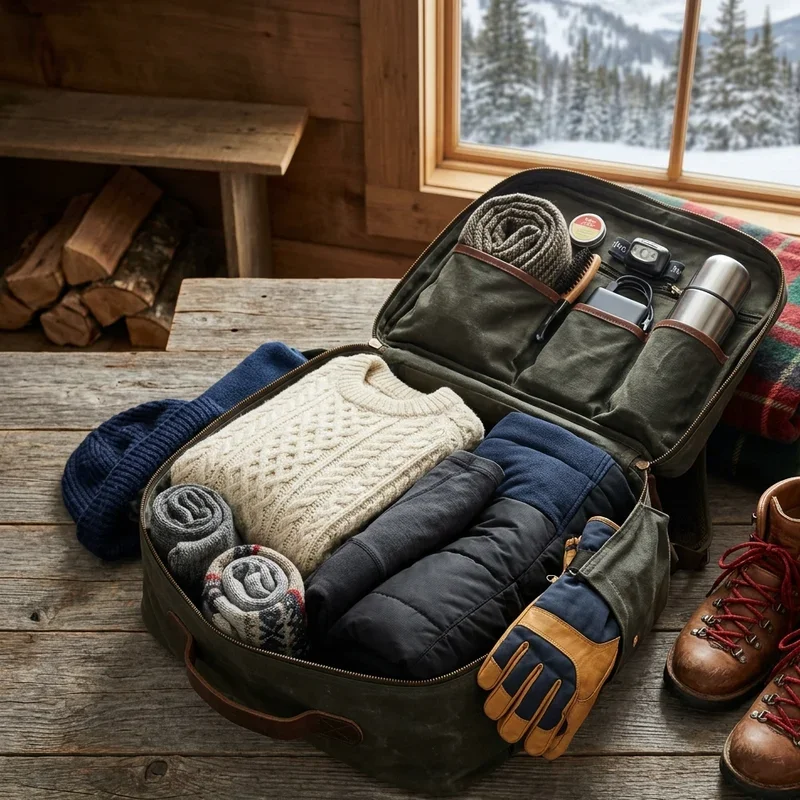
Common Packing Mistakes to Avoid
Learning from others' errors saves you from making the same ones. These frequent missteps trip up even experienced winter travelers.
Overpacking "Just in Case" Items
That fourth sweater you're considering will probably never leave your suitcase. Be ruthless about what you actually need versus what might possibly come in handy. You can almost always purchase forgotten items at your destination.
Ignoring Layering Principles
Packing one super-thick coat instead of several lighter layers limits your flexibility. Temperature fluctuations throughout the day require options. Stick with the layering system described earlier for maximum adaptability.
Forgetting About Indoor Comfort
Hotels and restaurants often blast the heat, creating tropical conditions indoors. Pack breathable options for these situations so you're not sweating through dinner or sleeping in an overheated room.
Conclusion
Mastering how to pack for a winter trip doesn't require magic or endless luggage. It simply takes thoughtful planning, quality layering pieces, and attention to the details that make cold weather travel comfortable. This How to Pack for a Winter Trip: Essentials Guide has covered everything from base layers to tech gadgets, giving you the knowledge to pack confidently. Remember that preparation today means enjoyment tomorrow, so invest time in getting your packing right before you head out the door.
Read next: 15 Graduation Trip Ideas for an Unforgettable Escape
Frequently Asked Questions
1.How many layers should I wear for winter travel?
Three layers work best: base layer, insulating mid layer, and protective outer shell for versatility.
2.Can I use regular sneakers instead of winter boots?
No, regular sneakers lack waterproofing and insulation, leaving feet cold, wet, and uncomfortable.
3.What fabric is worst for winter base layers?
Cotton is worst because it absorbs moisture and loses insulating properties when wet.
4.How do I prevent my phone battery from dying in cold?
Keep your phone close to your body in inner pockets to maintain warmth.
5.Should I pack a separate pair of indoor shoes?
Yes, lightweight indoor shoes give feet rest and respect local customs requiring outdoor shoe removal.
Stay up to date with our latest ideas!