What Is Stealth Camping? A Beginner's Informative Guide
Discover the art of stealth camping with our comprehensive beginner's guide. Learn essential tips, techniques, and safety advice for discreet camping.
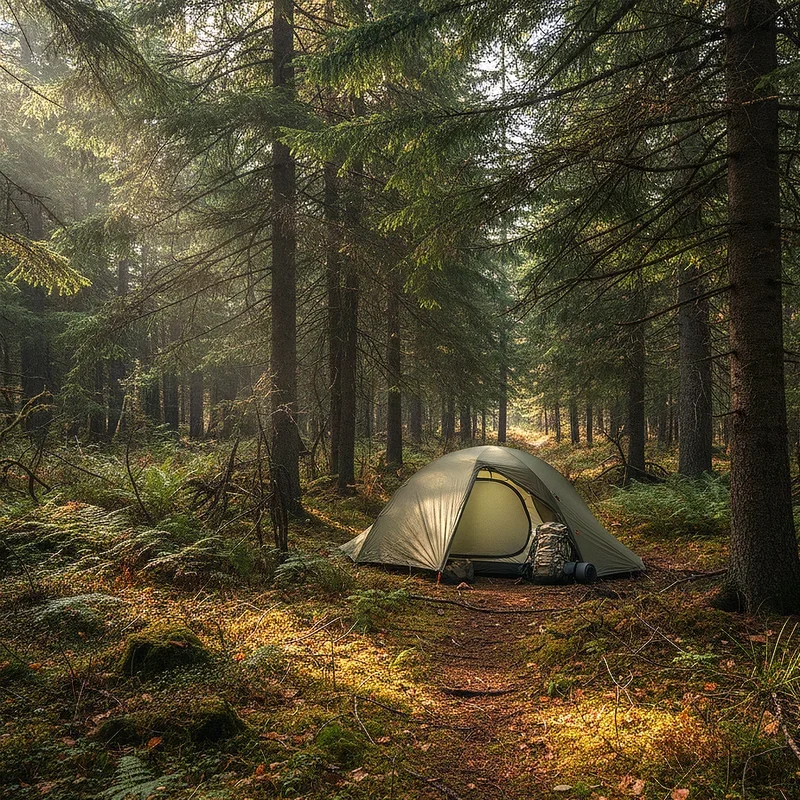
You know what? There's something incredibly liberating about sleeping under the stars without paying a dime for a campsite. That's where stealth camping comes into play. Now, before you start thinking this is some sort of sketchy activity, let me set the record straight. Stealth camping is simply the practice of camping discreetly in places where camping might not be officially designated or openly permitted. It's about finding a spot for the night, setting up camp quietly, and leaving no trace behind by morning. Whether you're a budget-conscious traveler, a spontaneous adventurer, or someone who just loves the thrill of finding hidden gems in nature, stealth camping might just be your cup of tea.
What Exactly Is Stealth Camping?
Let's dive right into the nitty-gritty. Stealth camping refers to the art of camping overnight in locations that aren't designated campsites, all while remaining undetected or at least unobtrusive. Think of it as urban camping's cooler, more adventurous cousin. The whole point is to arrive late, leave early, and make sure nobody even knows you were there.
This practice differs significantly from traditional camping. While wild camping typically happens in remote natural areas where it might be legally permitted, stealth camping often occurs in more populated or regulated areas. We're talking about rest stops, parking lots, quiet streets, trailheads, or patches of public land where you're technically not supposed to overnight.
The key philosophy behind stealth camping is the Leave No Trace principle taken to the extreme. You're not just leaving the area as you found it. You're making sure nobody even realizes you occupied that space. It's like you're a camping ninja, slipping in and out without a soul noticing.
Why Do People Choose Stealth Camping?
Honestly, there are tons of reasons why folks opt for this camping style. First off, it's incredibly budget-friendly. When you're traveling long distances or exploring expensive areas, campsite fees can really add up. By stealth camping, you're essentially getting free accommodation night after night.
Flexibility is another huge draw. You're not tied to campground reservation systems or check-in times. Feel like driving an extra hundred miles? No problem. Want to stop earlier than planned? Go for it. This freedom is absolutely priceless for spontaneous travelers.
Some people are drawn to the adventure and challenge of it all. There's an undeniable thrill in finding the perfect hidden spot and successfully camping undetected. For long-distance travelers, hikers, and cyclists, stealth camping is often a practical necessity. When you're covering serious ground, you can't always make it to designated campsites.
Understanding the Legal Gray Area
Alright, here's where things get a bit tricky. The legality of stealth camping exists in a gray zone that varies wildly depending on where you are. In some places, it's perfectly legal. In others, it's definitely not.
Generally speaking, camping on private property without permission is trespassing. Public lands are more complicated. Some Bureau of Land Management areas, national forests, and public lands allow dispersed camping. However, many places have strict regulations against overnight parking or camping.
Urban stealth camping is particularly murky. Most cities have ordinances against sleeping in vehicles or camping within city limits. The golden rule? Research local laws before you set up camp. Check city ordinances, state regulations, and land management rules. When in doubt, ask permission. Many private landowners don't mind if you ask respectfully.
Remember, getting caught could mean anything from a warning to a citation or even having your vehicle towed. It's just not worth the risk if you haven't done your homework.
Essential Gear for Stealth Camping
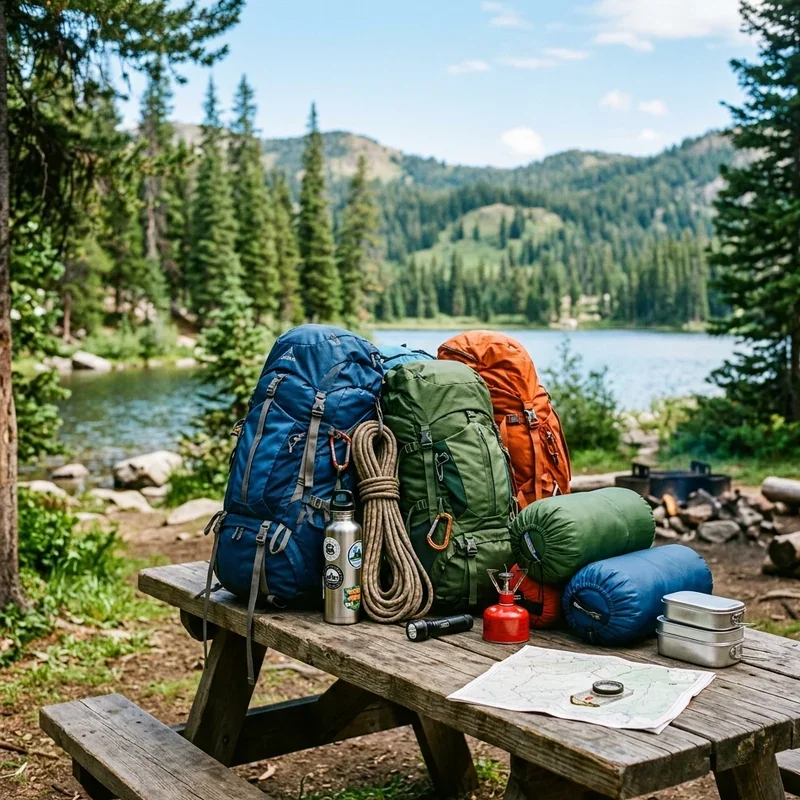
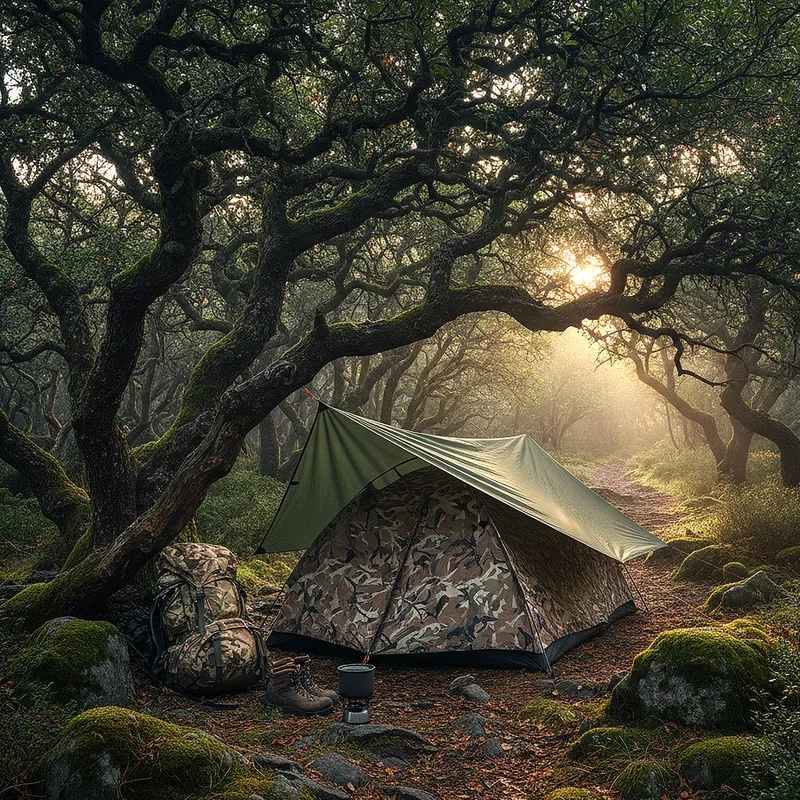
Now let's talk equipment. Stealth camping requires a different approach to gear compared to traditional camping. Your setup needs to be quick, quiet, and completely unobtrusive.
For vehicle-based stealth camping, window covers are absolutely essential. You need to block any light from inside your vehicle and prevent people from seeing in. Black fabric, reflective insulation, or purpose-made window covers work brilliantly.
Your sleeping setup should be comfortable but compact. A good sleeping bag rated for the temperatures you'll encounter is non-negotiable. Add a sleeping pad for insulation and comfort.
Lighting needs to be discreet. Forget about bright lanterns. Instead, opt for small headlamps with red light settings that won't attract attention. Keep light usage to an absolute minimum.
A portable toilet or pee bottle might sound gross, but trust me, it's way better than stumbling around outside in the dark. For cooking, a small camping stove that you can use inside your vehicle with proper ventilation or a cold meal strategy works best. Keep a water supply that's sufficient for drinking, cooking, and basic hygiene.
Finding the Perfect Stealth Camping Spot
Location, location, location. Finding the right spot is seriously half the battle. You want somewhere safe, legal or at least tolerated, and discreet enough that you won't be disturbed.
Walmart parking lots are legendary in the stealth camping community, though policies vary by location. Always check with the store manager first. Rest stops along highways can work in a pinch, though many have time limits. Casino parking lots often allow overnight parking, and they're typically open with security.
Hospital parking lots are another option. They're busy enough that one more vehicle won't be noticed. Residential streets in quiet neighborhoods can work if you're extremely discreet. Park legally, arrive late, leave early, and absolutely do not set up anything outside your vehicle.
Trailheads and forest service roads are excellent for more remote stealth camping. Public lands with dispersed camping allowances are your best bet legally. Research BLM land, national forest areas, and state lands that permit free camping.
The Art of Remaining Undetected
Mastering stealth is what separates successful stealth campers from those who get knocked on at 2 AM. It's all about blending in and not drawing attention to yourself.
Timing is crucial. Arrive at your spot late in the evening when it's getting dark. Similarly, leave early in the morning before most people are up and about. Your vehicle should look unremarkable. Stealth isn't just about hiding. It's about looking ordinary.
Never set up camp outside your vehicle in urban or suburban settings. No chairs, no awnings, no campfires. Everything stays inside. Keep noise to an absolute minimum. No music, no loud conversations, no slamming doors.
Light discipline is super important. Once your window covers are up and it's dark outside, you can use minimal lighting inside. Don't cook smelly foods that'll attract attention or wildlife.
Safety Considerations for Stealth Camping
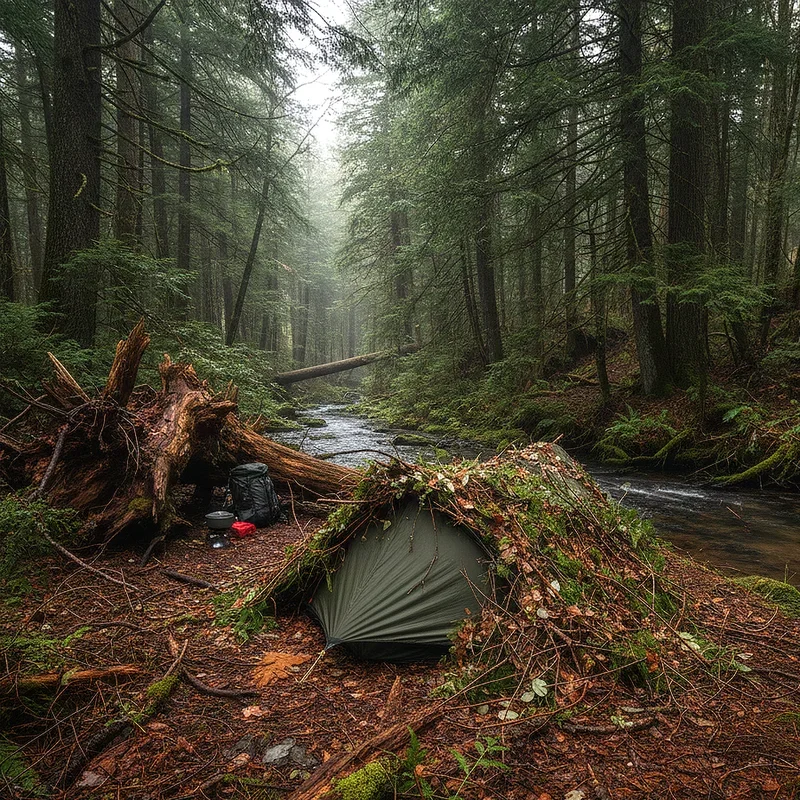
Let's get real for a minute. Safety should always be your top priority. Stealth camping can be risky if you're not careful and smart about it.
Trust your gut instincts. If a location feels sketchy or unsafe, move on. Always have an escape plan. Park in a way that allows you to drive away quickly if needed. Keep your keys within easy reach while you sleep.
Lock your doors. This seems obvious, but you'd be surprised how many people forget. Stay aware of your surroundings. Before settling in, scope out the area. Keep valuables out of sight.
Have a charged phone and know emergency numbers for the area. Let someone know your general location and expected check-in times. Avoid camping alone if possible, especially when you're just starting out.
Stealth Camping Etiquette and Ethics
Being a responsible stealth camper means following an ethical code that protects both the practice and the environment. Bad behavior from a few people can ruin it for everyone.
The Leave No Trace principles are your bible. Pack out everything you pack in. Leave your spot cleaner than you found it. Respect private property. If someone asks you to leave, apologize politely and move on immediately.
Support local businesses when possible. If you're parking at a store, make a purchase. Be invisible and silent. The best stealth camper is one nobody knows was there. Don't overstay your welcome. One night maximum in most locations.
Respect posted signs and regulations. If a sign says no overnight parking, respect it. Practice good hygiene discreetly and handle all waste responsibly.
Understanding What Is Stealth Camping? A Beginner's Informative Guide Principles
The core principles that make stealth camping successful revolve around discretion, respect, and preparation. When you truly understand What Is Stealth Camping? A Beginner's Informative Guide concepts, you realize it's not about breaking rules for fun. It's about traveling sustainably, respecting spaces, and minimizing your impact.
Successful stealth camping requires developing situational awareness. You need to read environments quickly, assess safety, and make smart decisions on the fly. Building confidence gradually is important. Start with easier, more accepted locations before attempting challenging urban stealth camping.
Resources and Tools for Stealth Campers
Thankfully, you're not alone in this adventure. Tons of resources exist to help stealth campers find spots, stay legal, and connect with others.
Apps like iOverlander, FreeRoam, and Campendium provide user-submitted locations where camping is tolerated or allowed. Online forums and Facebook groups dedicated to stealth camping offer advice, location tips, and community support.
BLM and Forest Service websites provide maps and regulations for public lands where dispersed camping is permitted. Weather apps are essential for planning, and navigation apps with offline capability ensure you won't get lost even without cell service.
Conclusion
Stealth camping opens up incredible opportunities for budget-conscious adventure seekers and free-spirited travelers. By following the principles outlined in this guide, you can explore more places, save money, and enjoy the freedom of the open road. Remember that successful stealth camping hinges on respect, discretion, and responsibility. Start slowly, learn continuously, and always prioritize safety and ethics. With practice and patience, you'll master this rewarding camping style and join a growing community of nomadic adventurers.
Read next: 15 Camping Hacks Every Camper Should Know
Frequently Asked Questions
Q1: Is stealth camping actually legal or could I get arrested?
A: Legality varies by location; research local laws before camping to avoid citations or towing.
Q2: What should I do if police or security knock on my vehicle?
A: Be polite, cooperative, and honest; apologize and offer to leave immediately if asked.
Q3: Can I stealth camp in a regular car or sedan?
A: Yes, sedans work fine with window covers, though larger vehicles offer more comfort and space.
Q4: How do I handle bathroom needs while stealth camping overnight?
A: Use portable toilets, pee bottles, or locate nearby public restrooms before settling in for night.
Q5: What is the safest type of location for beginner stealth campers?
A: Walmart parking lots, truck stops, and rest areas are safest for beginners learning stealth camping.
Stay up to date with our latest ideas!