What Is a Sleepaway Camp? A Beginner’s Guide
Discover what is a sleepaway camp in this beginner's guide covering types, benefits, packing tips, and how to prepare your child.
Picture this. Your kid comes home from school, drops the backpack on the floor, and hits you with the big question. "Can I go to sleepaway camp this summer?" Your heart does that little flip where excitement and panic crash into each other at the same time. You remember your own childhood summers, catching fireflies and making friendship bracelets. But you also remember how small your kid looked at the kindergarten drop-off, and suddenly the idea of sending them away for a week or more feels like a lot.
Take a deep breath. You're not alone in feeling this way, and honestly, a little nervousness is completely normal. Sleepaway camp is one of those milestone experiences that can shape a child's confidence, independence, and social skills in ways that nothing else really can. But if you've never navigated this territory before, the whole process can feel overwhelming. What exactly happens at these camps? How young is too young? What on earth do you pack?
That's exactly why we put together this guide on what is a sleepaway camp. A beginner's guide like this one is meant to answer all those swirling questions and calm those jittery nerves. Whether your child is seven or seventeen, whether you're a seasoned camp parent or a total newcomer, there's something here for you. So grab a cup of coffee, settle in, and let's walk through everything you need to know before your kid heads off into the woods for the summer of their life.
What Is a Sleepaway Camp, Exactly?
Let's start with the basics. A sleepaway camp, sometimes called an overnight camp or residential camp, is a supervised program where children stay overnight for a set period, typically ranging from one week to the entire summer. Unlike day camps where kids come home each evening, sleepaway campers eat, sleep, play, and live at the camp facility around the clock.
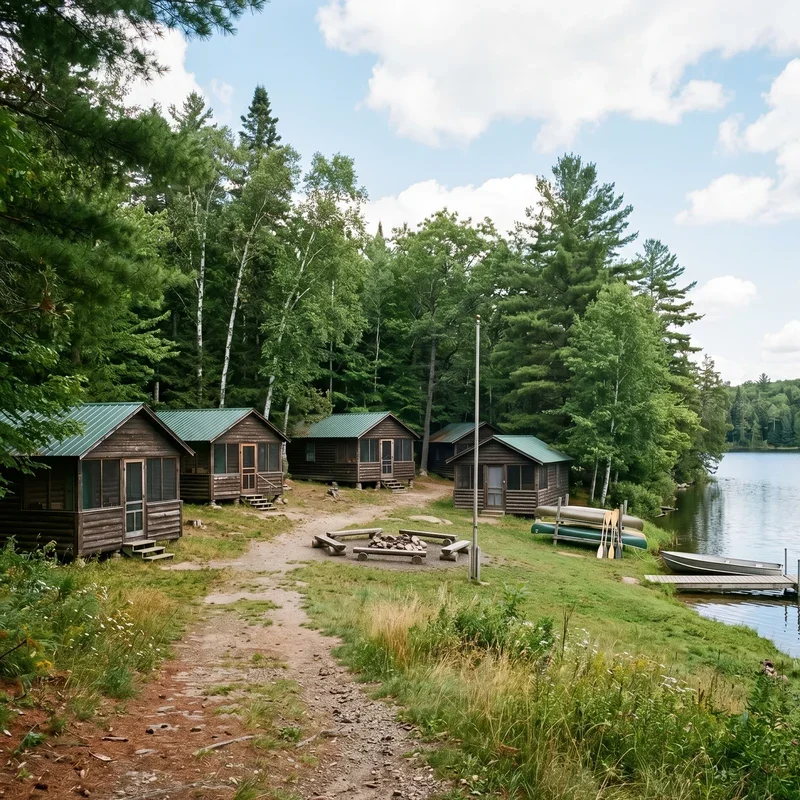
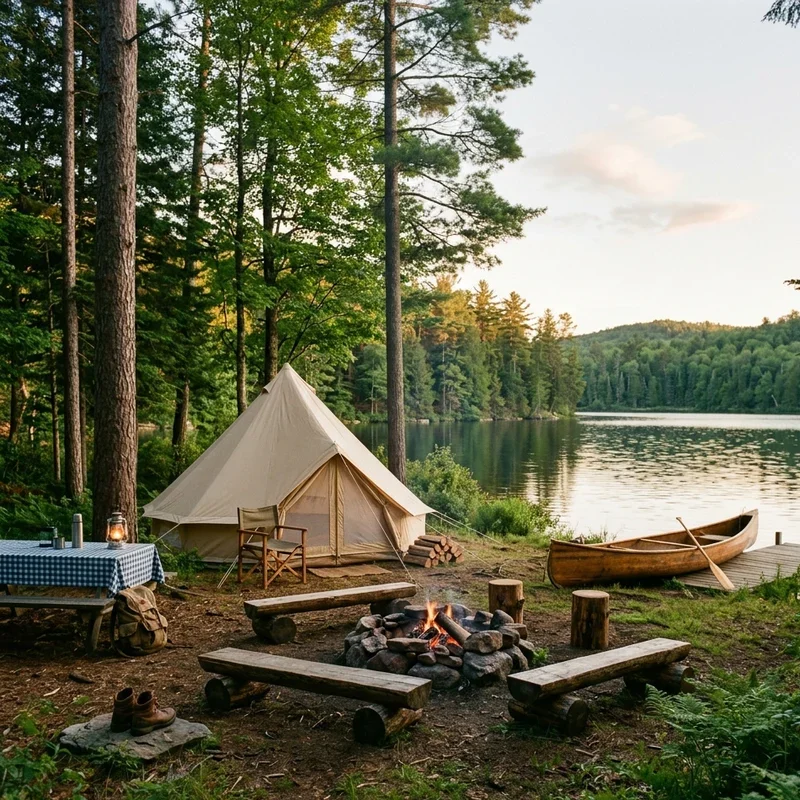
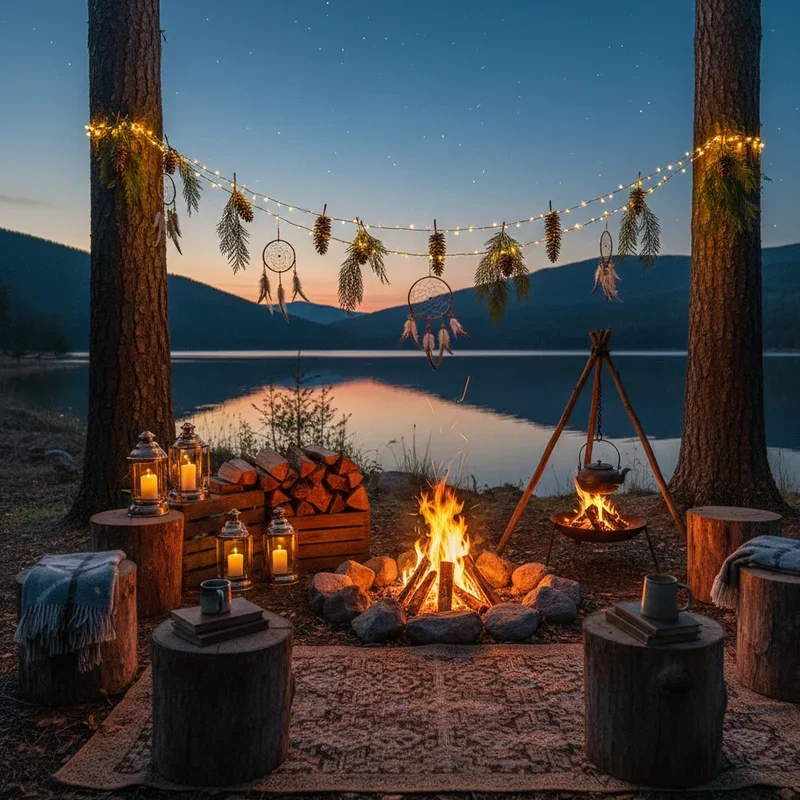
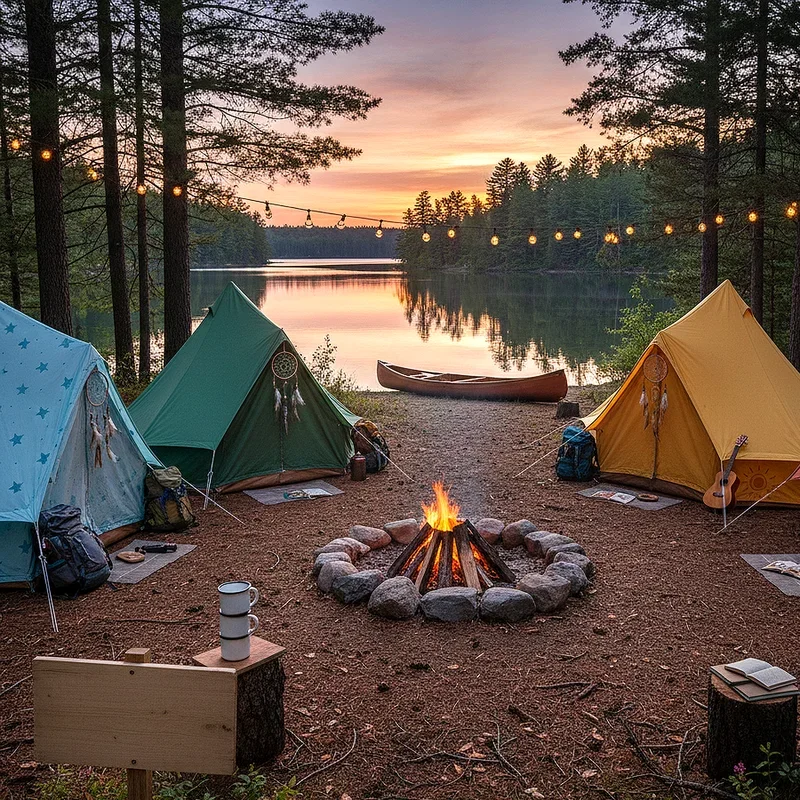
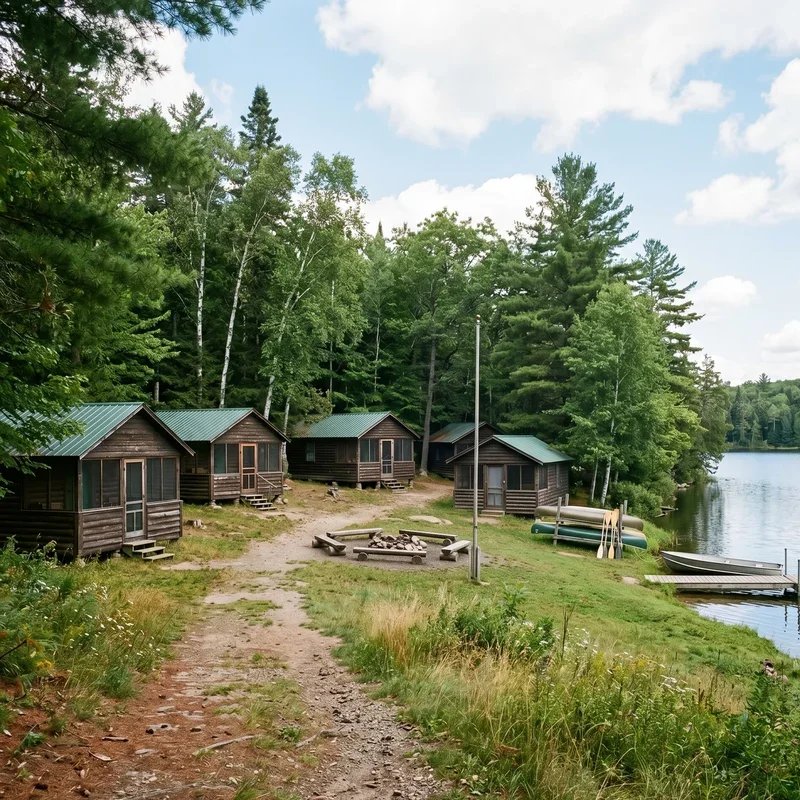
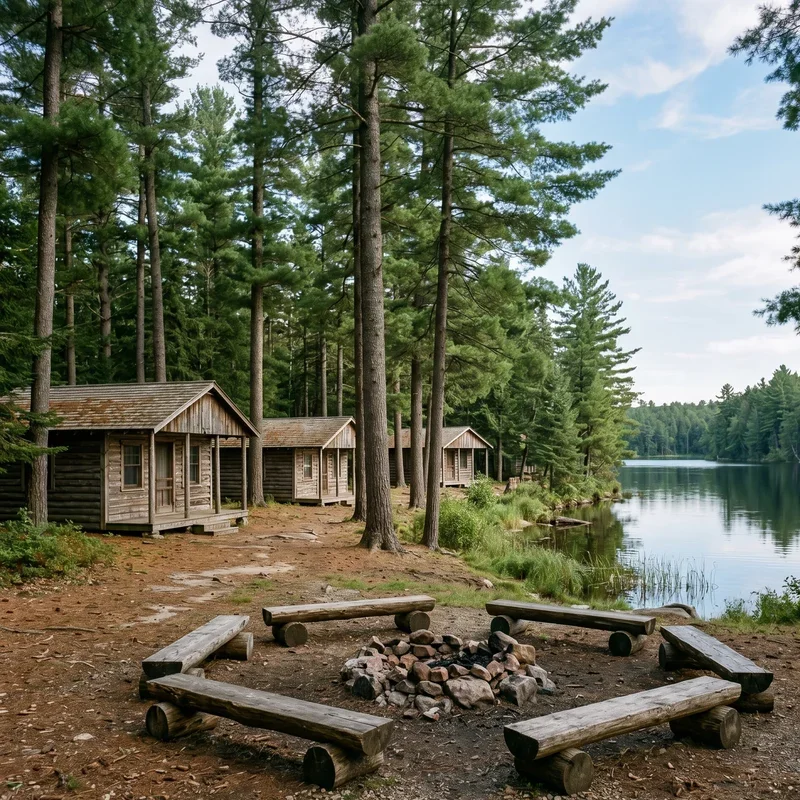
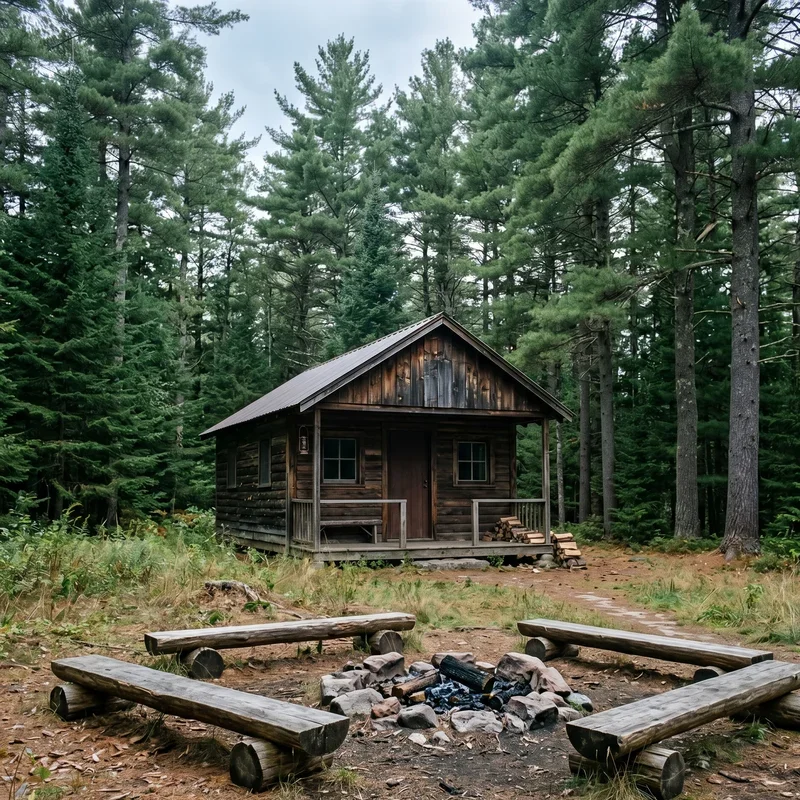
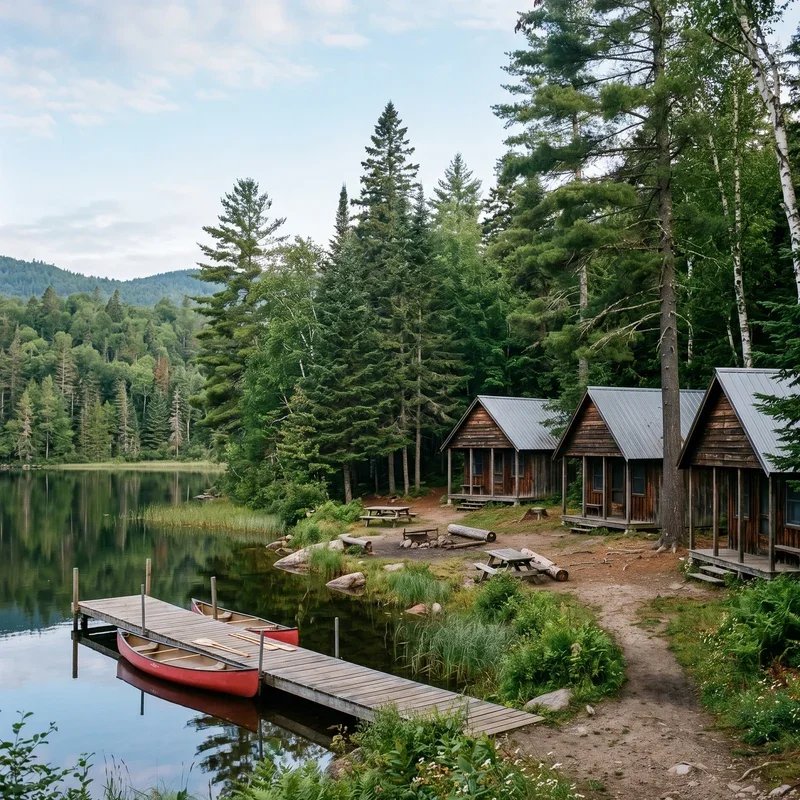
These camps usually operate in natural settings like forests, lakefronts, or mountain areas, though some are based on university campuses or dedicated campgrounds. Campers sleep in cabins, bunks, or sometimes even tents, grouped by age and gender with trained counselors supervising each group.
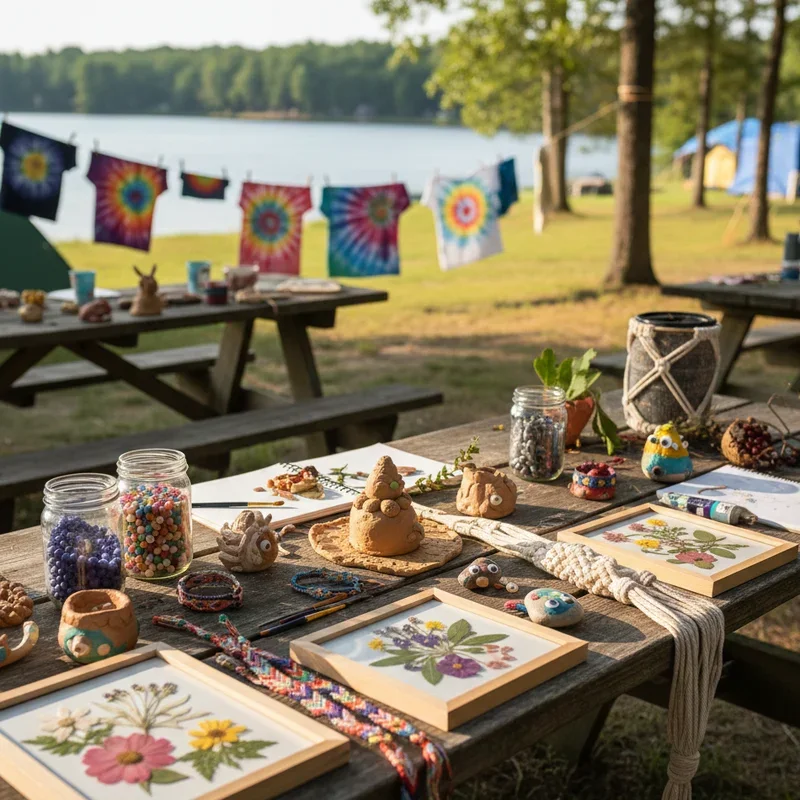
The daily schedule at most sleepaway camps is packed with activities. Think swimming, hiking, canoeing, arts and crafts, campfire singalongs, sports, drama performances, and nature exploration. But it goes way beyond just keeping kids busy. The real magic happens in the in-between moments. Sharing a cabin with kids you just met, learning to resolve a disagreement without a parent stepping in, trying rock climbing even though heights scare you silly. Those are the experiences that stick with kids long after the tan lines fade.
Sleepaway camp has been a part of American culture for well over a century. The first organized camps popped up in the 1880s, and the tradition has been going strong ever since. Today, the American Camp Association accredits thousands of camps across the country, each offering its own unique flavor and focus.
Types of Sleepaway Camps You Should Know About
Not all sleepaway camps are created equal, and that's actually a wonderful thing. The variety means there's almost certainly a camp out there that fits your child's personality, interests, and needs like a glove. Here's a rundown of the main types you'll come across.
Traditional Camps
These are the classic, all-around camps that most people picture when they hear the word "camp." Traditional sleepaway camps offer a rotating schedule of general activities like swimming, archery, horseback riding, crafts, and team sports. The emphasis is on trying a little bit of everything and building well-rounded skills. They're a fantastic choice for younger campers or kids who haven't zeroed in on a specific passion yet.
Specialty Camps
Got a kid who lives and breathes soccer? Or maybe one who can't put down the paintbrush? Specialty camps focus on a particular activity or skill set. There are camps dedicated to everything from robotics and coding to theater, music, basketball, tennis, dance, marine biology, and creative writing. These programs offer intensive instruction from experts in the field and attract kids who share similar interests, which can be incredible for building deep friendships.
Adventure and Wilderness Camps
For the little explorer who'd rather sleep under the stars than in a cabin, adventure camps deliver exactly that kind of experience. These programs focus on outdoor skills like backpacking, rock climbing, white-water rafting, survival techniques, and wilderness navigation. They tend to push kids outside their comfort zones in a safe and supervised way, building grit and resilience along the way.
Academic and STEM Camps
These camps blend the fun of a traditional camp experience with educational enrichment. Kids might spend mornings in a robotics lab or a creative writing workshop and afternoons at the lake. They're popular with curious, intellectually driven kids who want to explore academic interests in a less formal setting than school.
Special Needs Camps
There are also wonderful camps designed specifically for children with physical disabilities, chronic illnesses, learning differences, or emotional challenges. These programs offer specialized staff, adapted activities, and a supportive environment where every child can thrive. Organizations like the Muscular Dystrophy Association and the Diabetes Education and Camping Association run well-known camps in this category.
Religious and Cultural Camps
Many faith-based organizations operate sleepaway camps that combine traditional camp activities with religious education, cultural programming, and spiritual growth. Jewish, Christian, Muslim, and other faith communities all have camp options that help kids connect with their heritage in a meaningful way.
The Benefits That Make Sleepaway Camp Worth It
Alright, let's get to the good stuff. Why do so many parents and child development experts rave about sleepaway camp? Because the benefits go far deeper than just giving your kid something to do for a few weeks.
Independence and Self-Reliance
This one's the big kahuna. At camp, kids have to make their own beds, manage their belongings, choose their activities, and solve everyday problems without a parent hovering nearby. That might sound simple, but for many children, it's genuinely transformative. They come home standing a little taller, feeling capable and confident in ways they weren't before.
Social Skills and Friendship Building
Living in close quarters with a group of peers is an accelerated crash course in social navigation. Campers learn to communicate, compromise, share space, handle disagreements, and build friendships from scratch. These aren't skills you can teach from a textbook. They have to be lived. And the friendships formed at camp often last a lifetime. There's something about singing ridiculous camp songs at midnight and sharing a canoe that bonds people in a way nothing else quite matches.
Unplugging from Screens
Let's be real for a second. Most kids today spend a staggering amount of time glued to screens. Sleepaway camp is one of the few places left where kids genuinely unplug. Most camps have strict no-phone and no-device policies, which means campers actually look up, look around, and engage with the world right in front of them. Parents often report that their kids come home more creative, more present, and less dependent on technology for entertainment.
Resilience and Emotional Growth
Camp isn't always sunshine and s'mores. There will be moments of homesickness, frustration, and disappointment. A rainy day might cancel the hike they were looking forward to. They might not make the team they wanted. A friend might say something hurtful. But here's the beautiful part. They learn to sit with those uncomfortable feelings, work through them, and come out the other side. That kind of emotional resilience is pure gold.
Trying New Things
Camp creates a uniquely low-pressure environment for trying things you've never done before. The kid who's terrified of water might discover they love kayaking. The shy one might find their voice in a drama class. Without the social pressures of school and the familiar dynamics of home, kids feel freer to experiment and take risks. And when they succeed at something they never thought they could do, well, that feeling is priceless.
How to Choose the Right Sleepaway Camp
Choosing a camp can feel a bit like drinking from a fire hose. There are thousands of options, and they all look amazing in the brochures. Here are some practical steps to narrow things down.
Start by talking to your child. What are their interests? What are they hoping to get out of camp? Do they want a structured, activity-heavy experience, or something more laid-back and free-flowing? Their input should be front and center in this decision.
Consider the camp's accreditation. The American Camp Association runs a rigorous accreditation process that covers everything from staff qualifications to safety protocols. Choosing an ACA-accredited camp gives you an extra layer of assurance that the program meets high standards.
Think about session length. If your child has never been away from home, a one-week session is a gentle way to dip their toes in. Veteran campers might thrive in a four-week or full-summer program. There's no right or wrong answer here. It depends entirely on your child's readiness and comfort level.
Visit the camp if possible. Most camps hold open houses or visiting days where families can tour the facilities, meet the staff, and get a feel for the culture. There's no substitute for seeing the place in person and trusting your gut reaction.
Ask about the staff-to-camper ratio, counselor training, medical facilities, food options, and communication policies. Good camps are happy to answer every question you throw at them, and they should be transparent about how they handle everything from homesickness to emergencies.
Finally, read reviews and talk to other parents. Word of mouth is still one of the most reliable ways to find a great camp. Online forums, local parent groups, and your child's school community are all good places to start gathering recommendations.
Preparing Your Child for Their First Sleepaway Experience
So you've picked the camp, mailed in the forms, and the start date is creeping closer. Now what? Preparation is key to making sure your child's first camp experience is a positive one.
Have open, honest conversations about what to expect. Talk about the daily routine, the kinds of activities they'll do, and the fact that they'll be sleeping away from home. Acknowledge that it's okay to feel nervous or excited or both at the same time. Normalize those feelings without dismissing them.
If your child is younger or particularly anxious, consider doing a practice run. A sleepover at a friend's house or a weekend with grandparents can help them build confidence in being away from home.
Involve your child in the packing process. Most camps send a detailed packing list, and going through it together gives your kid a sense of ownership and control. Label everything with their name. Seriously, everything. Socks, water bottles, pillowcases. Items have a mysterious way of vanishing at camp.
Resist the urge to overpack. Kids don't need their entire wardrobe or a suitcase full of comforts from home. A few personal items like a favorite stuffed animal or a family photo are fine, but simplicity is your friend here.
Discuss the camp's communication policy ahead of time. Some camps allow phone calls at scheduled times, while others rely on letters and emails through a camp messaging system. Set expectations so nobody feels blindsided.
And here's perhaps the most important piece of advice. Watch your own anxiety. Kids are incredibly perceptive, and if they sense that you're a nervous wreck about them leaving, they'll absorb that energy. Project calm confidence, even if you're secretly counting the days until pickup. Your attitude sets the tone for theirs.
What Is a Sleepaway Camp? A Beginner's Guide to Packing Smart
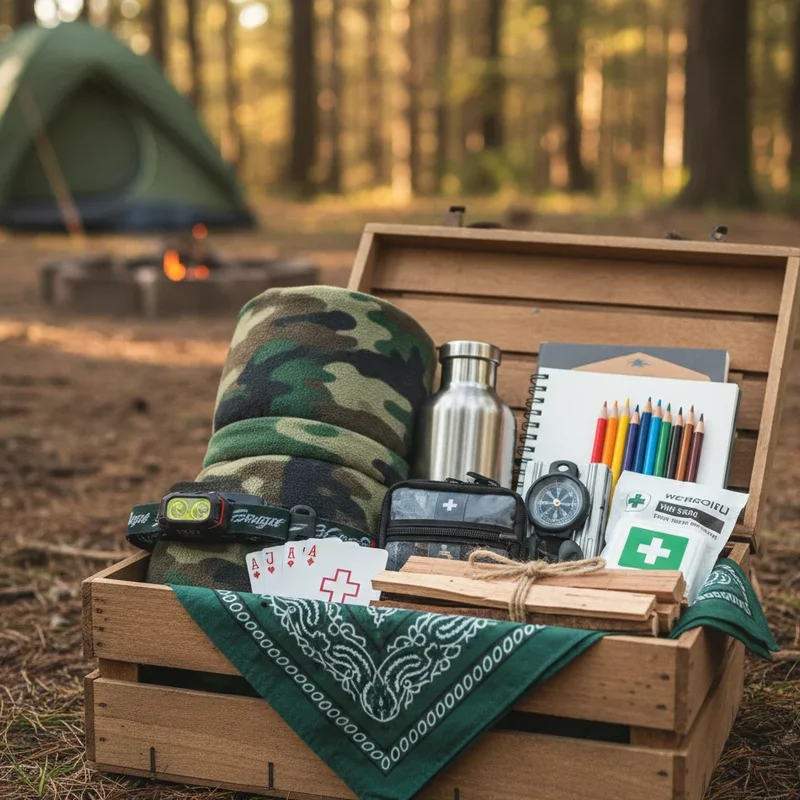
Packing for camp doesn't have to feel like preparing for an expedition to the Arctic. Most camps provide specific lists, but here are the essentials that show up on almost every one.
Bring enough clothing for the session length plus a couple of extras, because mud, paint, and mystery stains are part of the deal. Layers are important since mornings and evenings near lakes or in the mountains can get surprisingly chilly. Sturdy shoes for hiking, flip-flops for the shower, and sneakers for sports are the basic footwear trio.
Toiletries should include sunscreen, bug spray, a toothbrush, toothpaste, shampoo, and soap. A good water bottle, a flashlight with extra batteries, and rain gear round out the practical items. Bedding requirements vary by camp, so check whether you need to bring sheets, a sleeping bag, or both.
Leave the valuables at home. Expensive electronics, jewelry, and anything irreplaceable should stay in their bedroom. Camp is about getting dirty, having fun, and not worrying about protecting precious belongings.
What Is a Sleepaway Camp? A Beginner's Guide to Managing Homesickness
Let's not sugarcoat it. Homesickness is real, it's common, and it's completely normal. Studies show that the vast majority of campers experience at least some degree of homesickness during their stay. The good news is that experienced camp staff deal with this every single day, and they're really, really good at it.
Most kids work through homesickness within the first day or two. Keeping busy with activities, making new friends, and getting into the rhythm of camp life naturally eases those feelings. Counselors are trained to offer comfort, distraction, and encouragement without making the child feel babied.
On the parent side, the hardest thing you might have to do is not rush to pick them up at the first tearful phone call. Obviously, if there's a genuine safety concern or a prolonged struggle, you should absolutely intervene. But a brief bout of homesickness on the first night is usually just a speed bump, not a roadblock. Give your kid the chance to push through it, and you might be amazed at how proud they feel on the other side.
Writing letters is a beautiful way to stay connected without interrupting the camp experience. Keep your letters upbeat and encouraging. Tell them about the dog's latest antics or what funny thing their sibling said. Avoid phrases like "we miss you so much" or "the house is so quiet without you," because while those sentiments are true and loving, they can make homesickness worse.
Conclusion
Understanding what is a sleepaway camp through a beginner's guide like this one is the first step toward giving your child an unforgettable summer experience. From building independence and lifelong friendships to discovering new passions and developing resilience, the benefits of sleepaway camp reach far beyond those weeks in the woods. Yes, letting go is tough for parents. But watching your kid come home braver, more confident, and bursting with stories makes every nervous moment worth it. Trust the process, trust your child, and let the adventure begin.
Read next: 15 Camp Lunch Ideas to Keep You Fueled on Adventures
Frequently Asked Questions
Q1. What age is best to start sleepaway camp?
Most children are ready for sleepaway camp between ages seven and ten, depending on maturity.
Q2. How long do typical sleepaway camp sessions last?
Sessions usually range from one week to eight weeks, with shorter options for beginners.
Q3. Are sleepaway camps safe for my child?
Accredited camps follow strict safety standards including trained staff, medical facilities, and emergency protocols.
Q4. How much does sleepaway camp cost on average?
Costs vary widely from a few hundred to several thousand dollars per session depending on type.
Q5. Can my child contact me during sleepaway camp?
Most camps allow scheduled letters, emails, or phone calls depending on their specific communication policies.
Stay up to date with our latest ideas!