15 Preschool Summer Camp Ideas Every Kid Will Love
Discover 15 preschool summer camp ideas every kid will love with creative activities, outdoor adventures, and playful learning that makes summer truly magical.
Preschool summer camp transforms hot summer days into the most wonderfully stimulating, friendship-building adventures that small children genuinely treasure with their whole hearts. Have you ever watched a three or four-year-old skip confidently into a camp activity, completely absorbed in creative play, and felt that beautiful reassurance that everything is perfectly right in their small, joyful world? That confident engagement represents exactly what thoughtful preschool camp programming accomplishes for every participating child throughout the summer season. Think of preschool summer camp as the ultimate developmental playground where curiosity, creativity, and friendship grow naturally through guided adventure together. Whether organizing camps professionally or planning family activities, these fifteen inspired ideas create magical summer experiences every young child genuinely loves always.
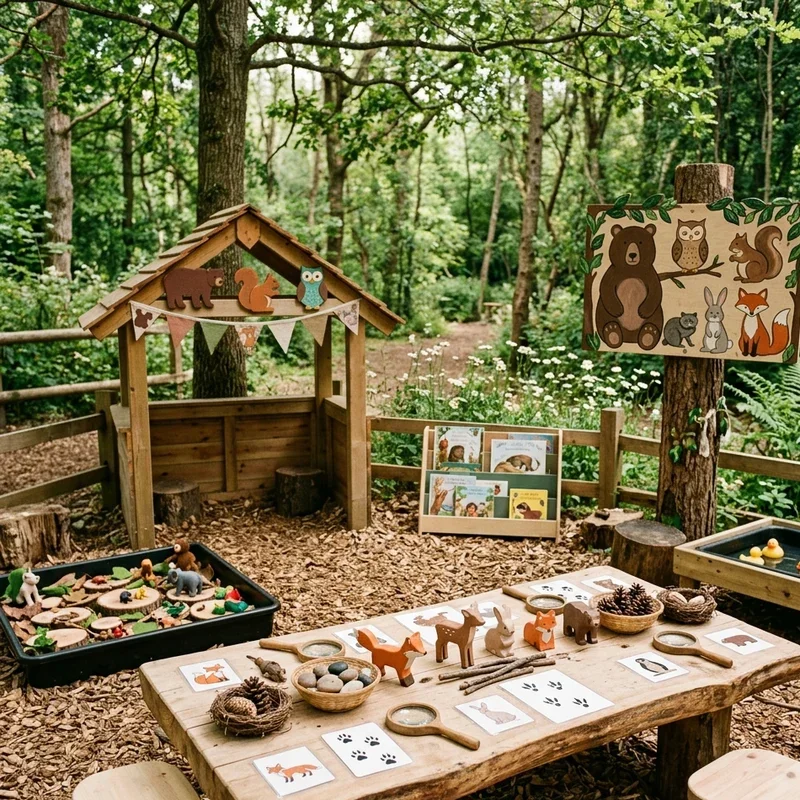
1. Outdoor Nature Exploration Camp
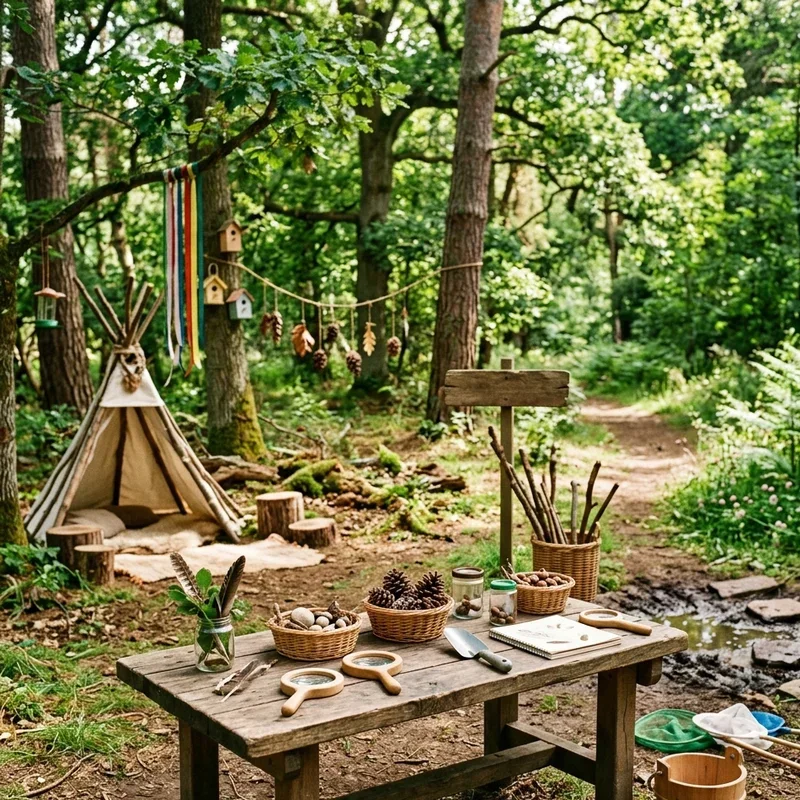
An outdoor nature exploration camp transforms the natural world into the most magnificent, endlessly stimulating classroom imaginable for preschool-aged children whose curiosity about living things knows absolutely no limits whatsoever. Have you ever watched a three-year-old discover their first earthworm and witnessed the complete wonder and genuine scientific fascination playing across their tiny face? That authentic discovery experience forms the foundation of lifelong environmental love and curiosity. Guide children through daily nature walks collecting interesting natural objects including leaves, rocks, seed pods, and feathers in individual discovery bags. Set up magnifying glass stations where children examine specimens up close, drawing pictures of their favorite finds afterward. Create nature journals with pressed leaves and simple crayon rubbings capturing outdoor discoveries throughout the summer always.
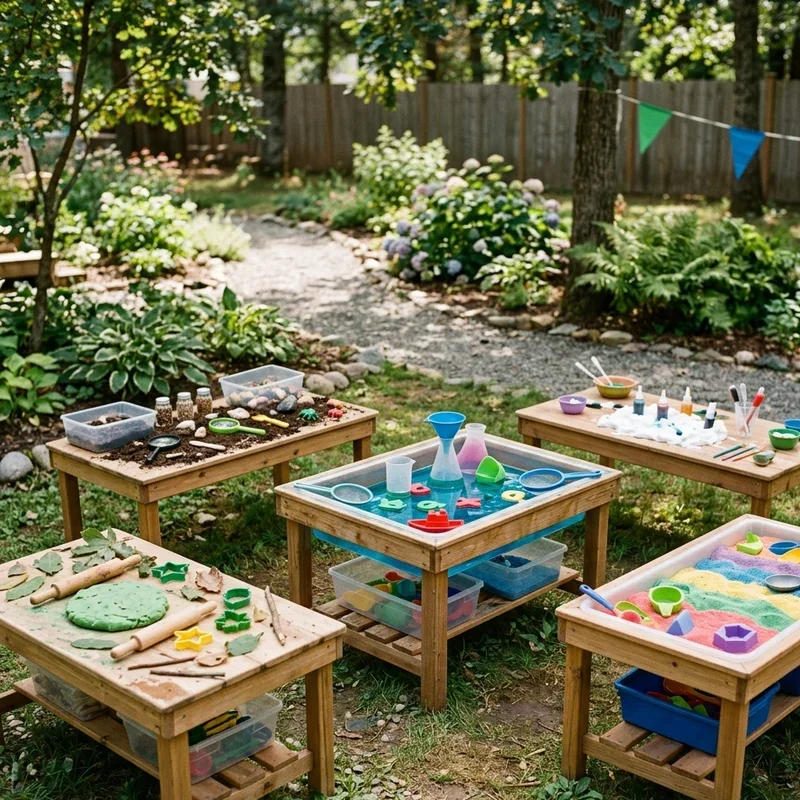
2. Splish Splash Water Play Camp
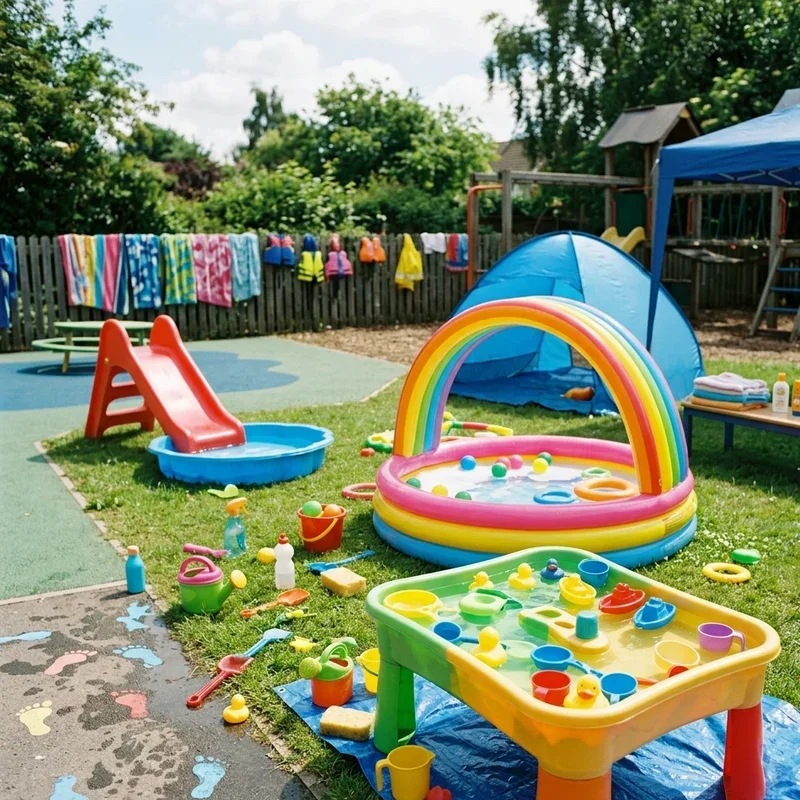
A splish splash water play camp delivers the most universally beloved preschool summer camp experience, combining cooling outdoor fun with sensory exploration and pure unfiltered childhood joy that every young child instinctively embraces with complete enthusiasm. Water play works like nature's own sensory therapy for young children, regulating emotions while simultaneously developing fine motor skills and scientific curiosity together. Set up water tables, splash pads, sprinkler systems, and bubble stations creating a complete water play environment for supervised outdoor summer fun. Include water pouring activities using measuring cups, funnels, and squeeze bottles developing early mathematical concepts through playful experimentation. Add watercolor painting, sidewalk chalk that washes away cleanly, and bubble-blowing competitions for creative water activity variety. Keep towels, dry changes of clothes, and sunscreen readily available throughout every glorious water play session always.
3. Little Artists Creative Camp
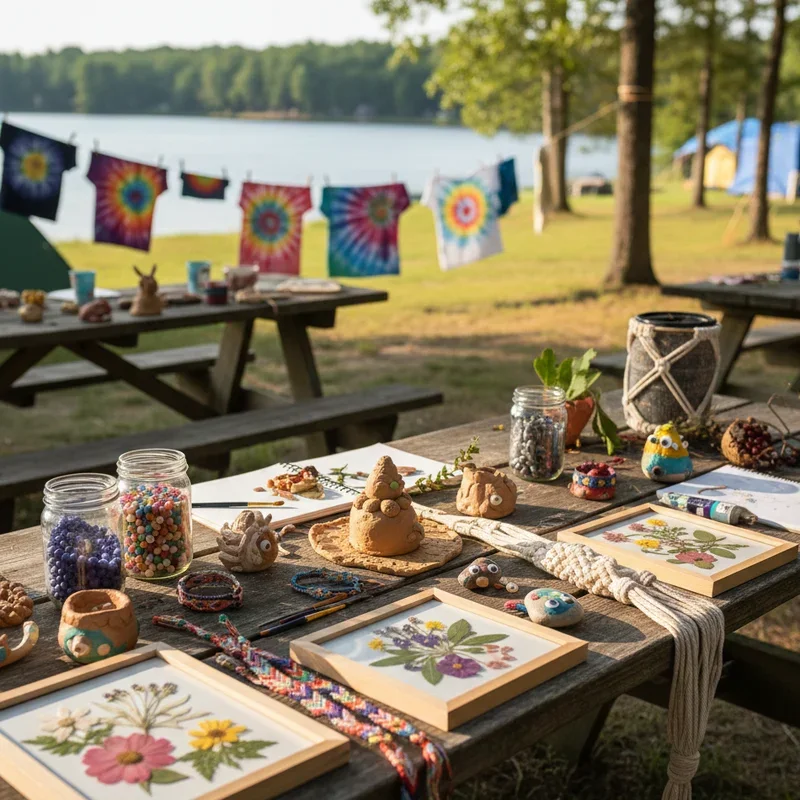
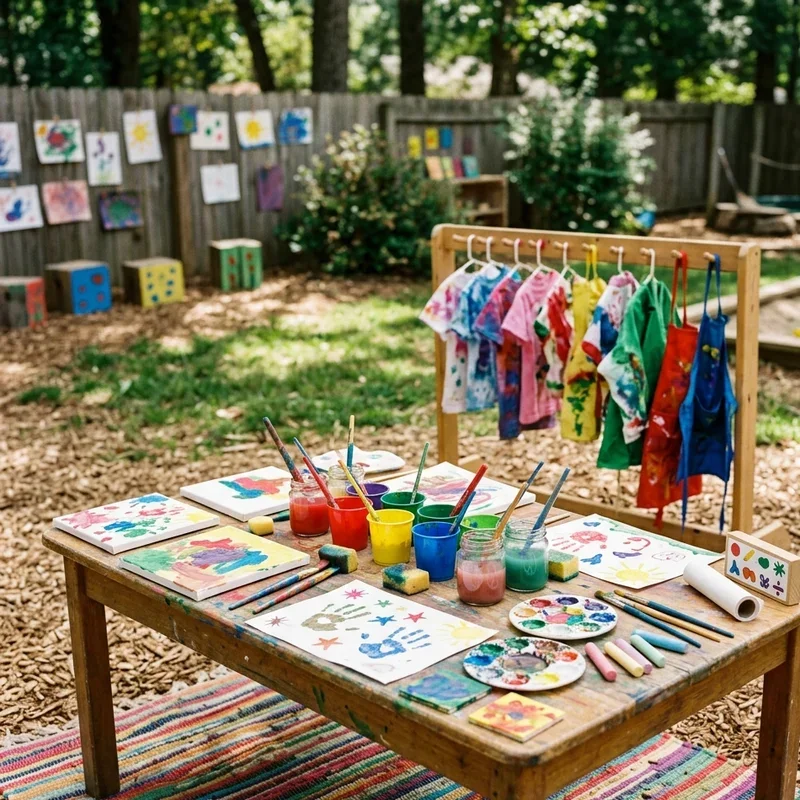
A little artists creative camp unleashes preschoolers' extraordinary natural creativity through diverse art-making experiences that build fine motor skills, self-expression confidence, and genuine aesthetic appreciation during their most creatively receptive developmental period. Young children approach art the way birds approach song, completely naturally, joyfully, and without the self-consciousness that unfortunately develops during later childhood years. Rotate daily art mediums including finger painting, watercolors, collage making, clay sculpting, printmaking, and chalk drawing for comprehensive creative exploration throughout the camp session. Emphasize process over product completely, celebrating experimentation, mixing techniques, and unexpected creative discoveries rather than replicating teacher-made examples throughout. Display every child's artwork proudly in a gallery-style hallway exhibition allowing young artists to experience the genuine pride of sharing creative work with the broader camp community always.
4. Garden and Growing Camp
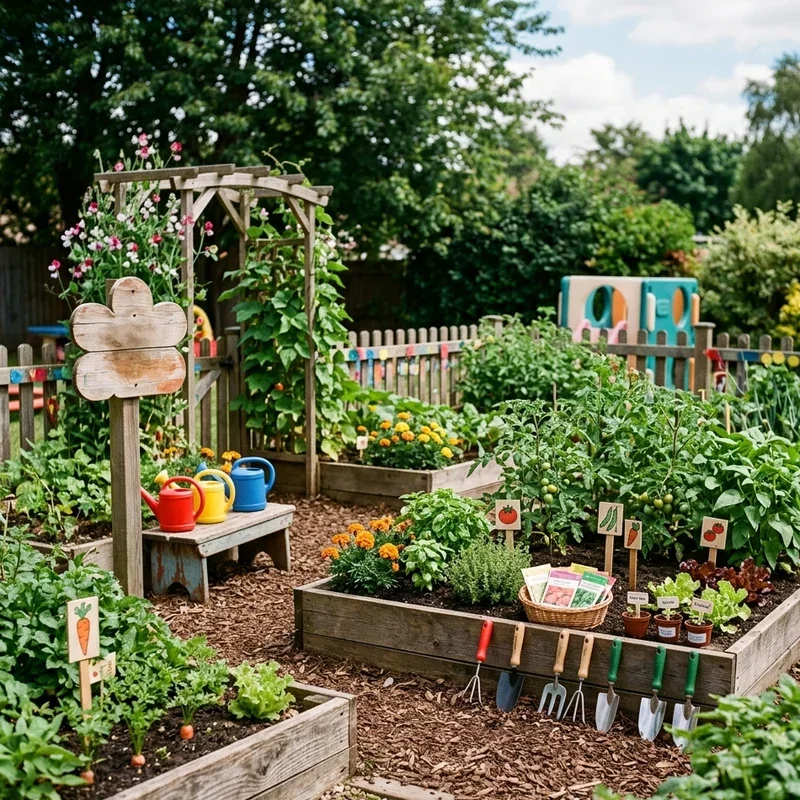
A garden and growing camp connects preschool children to food origins and natural growing cycles through hands-on planting, tending, harvesting, and tasting experiences that urban and suburban children rarely access in their ordinary daily lives throughout the year. Gardening with preschoolers works like planting seeds of environmental stewardship and genuine food curiosity that sprout and grow throughout entire childhoods beautifully. Assign each child a personal container garden planted with fast-growing vegetables including cherry tomatoes, radishes, lettuce, and herbs providing quick visible results maintaining young attention spans engaged throughout. Teach basic garden care including watering techniques, gentle weeding identification, and insect recognition within the garden ecosystem comprehensively. Harvest camp-grown produce for genuine cooking experiences including simple salads, herb butter spreading, and fresh tomato tasting connecting the complete growing cycle meaningfully always.
5. Animal Friends Discovery Camp
An animal friends discovery camp satisfies preschoolers' enormous natural affection for animals through structured encounters, scientific learning, and compassionate care experiences that simultaneously teach biology, empathy, and responsible stewardship throughout each wonderful session. Young children and animals share a natural connection that works like an invisible magnetic force drawing both species toward genuine mutual curiosity and delight. Partner with local farms, petting zoos, and wildlife rehabilitation centers for supervised animal encounter visits providing diverse species exposure beyond typical classroom experience. Create animal-themed art projects, movement activities mimicking different animal behaviors, and dramatic play scenarios where children roleplay caring for imaginary animal patients throughout. Study fascinating animal facts through picture books, nature videos, and specimen examination including feathers, shells, and fur samples from appropriate educational collections always.
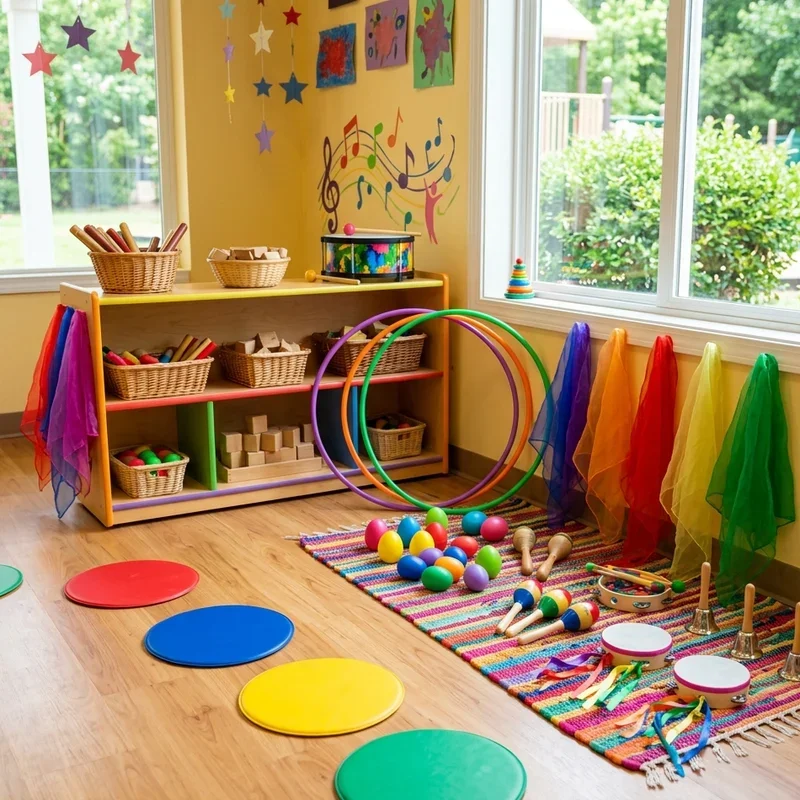
6. Music and Movement Dance Camp
A music and movement dance camp celebrates the preschool developmental stage where rhythm, movement, and musical expression provide the most natural learning vehicles for physical coordination, language development, and pure joyful self-expression simultaneously. Music works like developmental rocket fuel for preschool brains, stimulating language acquisition, mathematical pattern recognition, and social synchronization all at once. Create daily rhythm circles where children experiment with percussion instruments including shakers, drums, tambourines, and rhythm sticks in structured group musical activities. Introduce movement vocabulary through creative dance exploring concepts including fast and slow, high and low, heavy and light through full body physical expression. Learn simple songs in multiple languages including Spanish, French, and community members' home languages celebrating cultural diversity through musical exploration throughout the summer always.
7. Sensory Science Exploration Camp
A sensory science exploration camp engages preschoolers' naturally experimental minds through carefully designed hands-on activities that develop scientific thinking, sensory processing, and genuine wonder about how the physical world actually works around them constantly. Science for preschoolers works like giving young minds the vocabulary to describe the experiments they've been conducting naturally since the moment they were born. Set up daily sensory science stations including oobleck making, color mixing experiments, magnet exploration, ice melting observations, and simple ramp building for rolling object comparisons. Introduce simple scientific vocabulary including prediction, observation, and result through age-appropriate conversation during and after each activity throughout. Create sensory bins themed around weekly topics including ocean, garden, construction, and rainforest environments for immersive thematic exploration that keeps young scientists engaged and genuinely excited always.
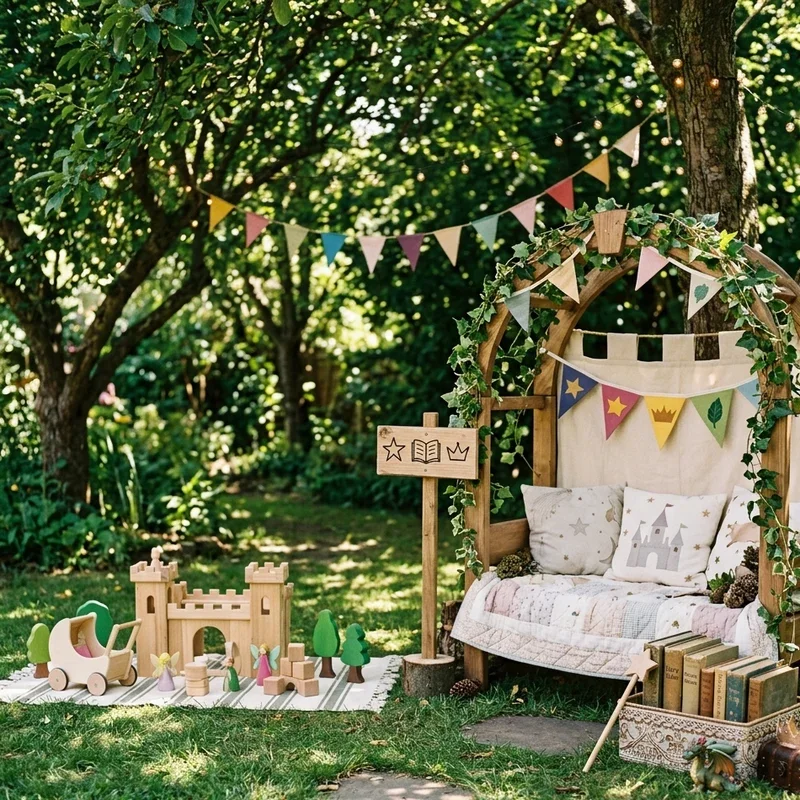
8. Fairy Tale and Story Camp
A fairy tale and story camp transforms preschoolers' natural love of narrative into rich dramatic play, creative storytelling, literacy development, and imaginative world-building experiences that simultaneously support language acquisition and creative confidence throughout every magical session. Stories work like keys to a child's imagination, unlocking interior creative worlds that academic instruction alone never quite manages to reach as effectively. Read beloved fairy tales and original picture books aloud with full dramatic vocal expression bringing characters vividly to life for completely captivated preschool audiences throughout each session. Create simple costumes, puppets, and props from available craft materials allowing children to embody story characters through imaginative dramatic play independently. Build fairy tale settings using cardboard boxes, fabric scraps, and natural materials creating three-dimensional story environments children inhabit during free play periods always.
9. Little Chef Cooking Camp
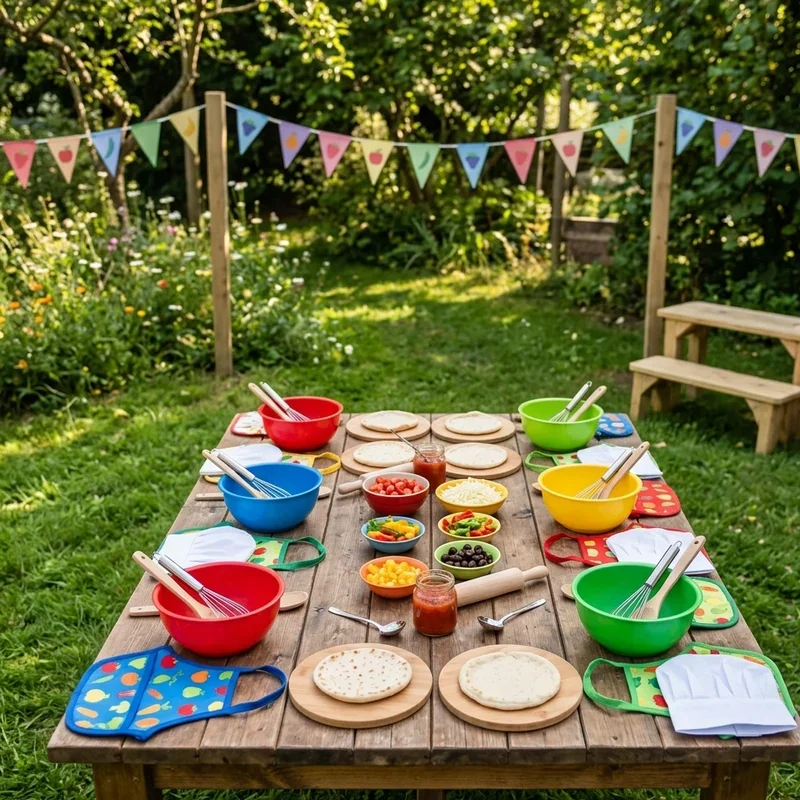
A little chef cooking camp introduces preschoolers to age-appropriate food preparation experiences that develop fine motor skills, mathematical concepts, following sequential directions, and genuine pride in creating something delicious through their own hands and efforts. Cooking with preschoolers works like sneaking developmental learning inside the most delicious possible delivery vehicle that young children universally and enthusiastically accept. Plan no-bake and simple cooking activities including fruit salad assembly, sandwich building, smoothie making, and simple no-cook baking projects appropriate for preschool skill levels and safety requirements. Teach fundamental food concepts including measuring ingredients, following recipe steps sequentially, identifying food categories, and practicing basic kitchen hygiene throughout every cooking activity. Photograph each child with their completed culinary creation, sending images home with simple printed recipes families can recreate together during the weekend always.
10. Bug and Butterfly Discovery Camp
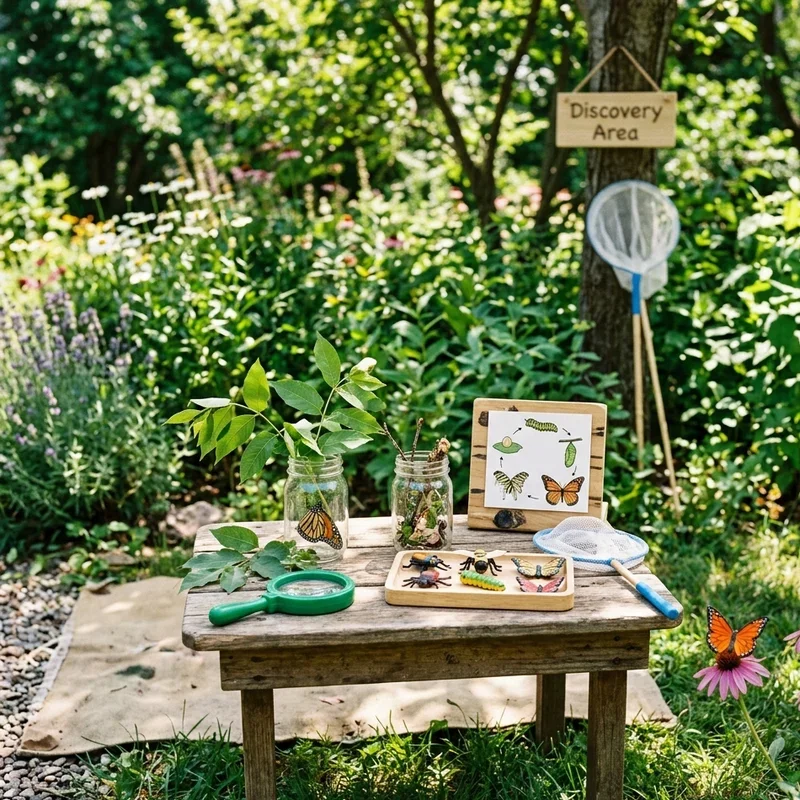
A bug and butterfly discovery camp turns preschoolers' instinctive fascination with small creatures into structured scientific discovery experiences that build observation skills, empathy for living things, and genuine environmental curiosity throughout the summer's most important outdoor learning season. Children and bugs share an irresistible mutual curiosity that adults frequently interrupt with unnecessary fear responses worth deliberately replacing with informed wonder instead. Set up butterfly gardens with nectar plants attracting diverse local butterfly species for regular guided observation and identification activities. Conduct gentle bug hunts under rocks, logs, and leaf litter using magnifying glasses and soft capture containers for careful temporary examination before releasing insects carefully. Create bug journals where children draw observed insects, count legs collaboratively, and discuss fascinating insect behaviors and habitat preferences throughout the camp session always.
11. Sand and Mud Play Camp
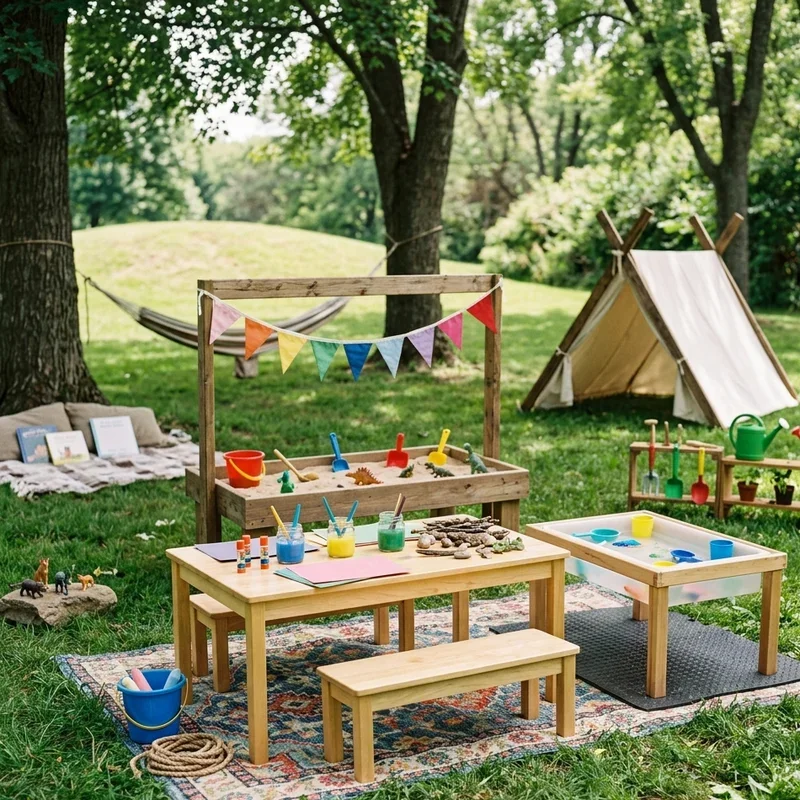
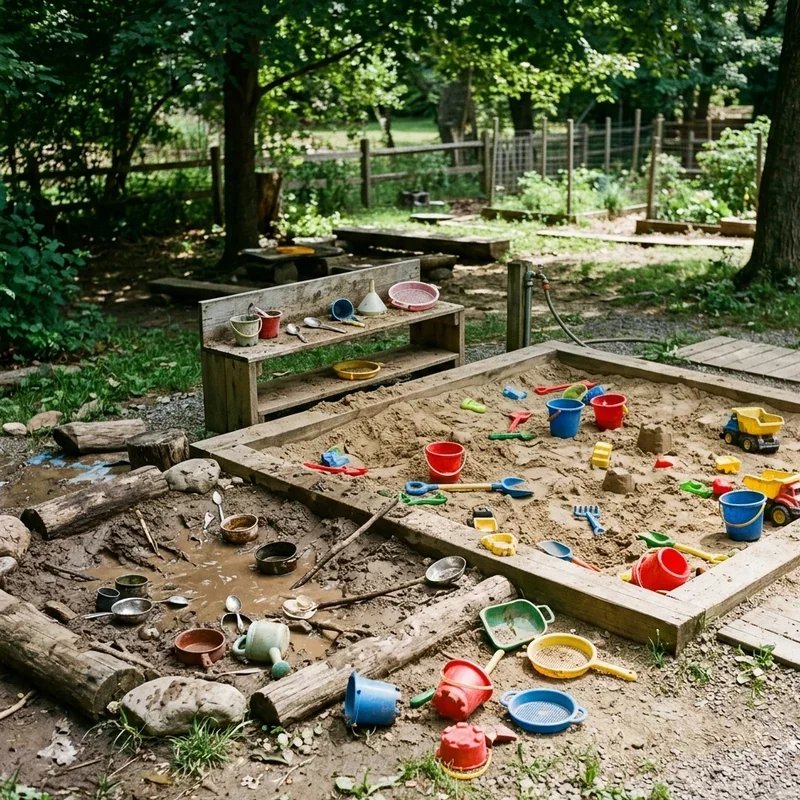
A sand and mud play camp embraces the glorious messiness of childhood through sensory-rich digging, building, sculpting, and imaginative construction activities that simultaneously develop fine motor skills, engineering thinking, and the purest possible childhood joy together. Mud and sand play work like nature's original sensory therapy, providing tactile regulation benefits that pediatric occupational therapists consistently recommend for healthy preschool development throughout. Create dedicated sand play areas with varied tools including shovels, molds, funnels, and trucks for open-ended construction and imaginative play throughout outdoor camp sessions. Introduce water to sand areas creating moldable sandcastle building opportunities where children engineer elaborate structures with real architectural problem-solving. Set up mud kitchens using salvaged pots, utensils, and natural materials where children create elaborate imaginative mud cuisine through sustained dramatic play always.
12. Rainbow Colors Art Camp
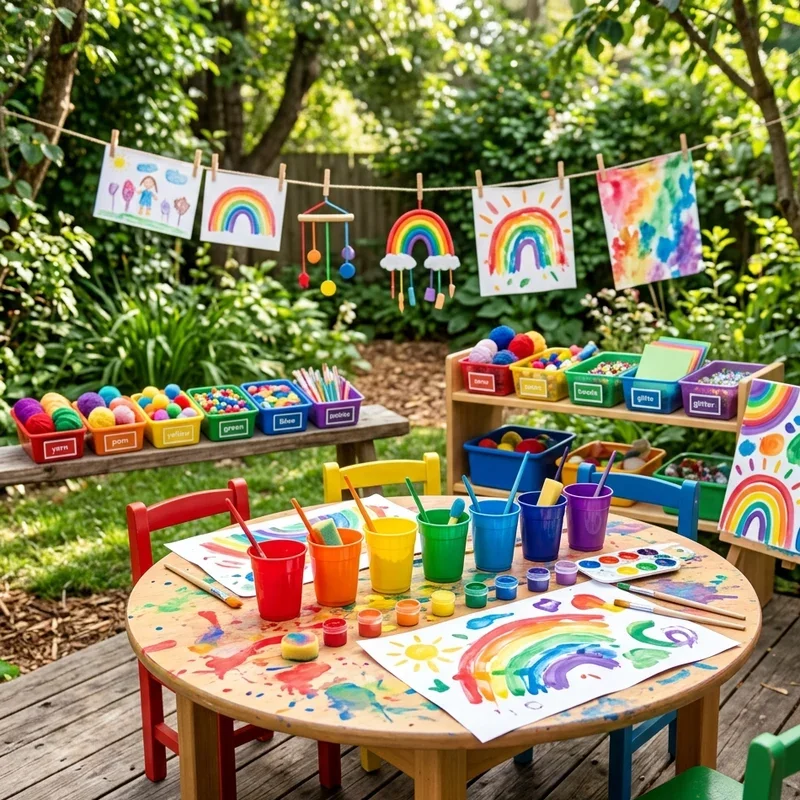
A rainbow colors art camp organizes an entire week of vibrant creative exploration around the science and art of color, teaching preschoolers color theory concepts through beautifully hands-on mixing, painting, dyeing, and construction activities every single day. Colors work like a secret language that preschoolers already speak fluently, simply needing formal vocabulary and expanded artistic tools to express with increasing sophistication and confidence. Dedicate each camp day to a specific rainbow color progressing through red, orange, yellow, green, blue, and violet with all activities, snacks, and materials reflecting that day's featured color throughout. Teach primary and secondary color mixing through paint experiments where children discover orange, green, and purple independently through hands-on guided color combination experiments. Create individual color wheels, rainbow watercolor paintings, and collaborative rainbow murals for gallery display throughout the camp space always.
13. Mini Olympics Sports Camp
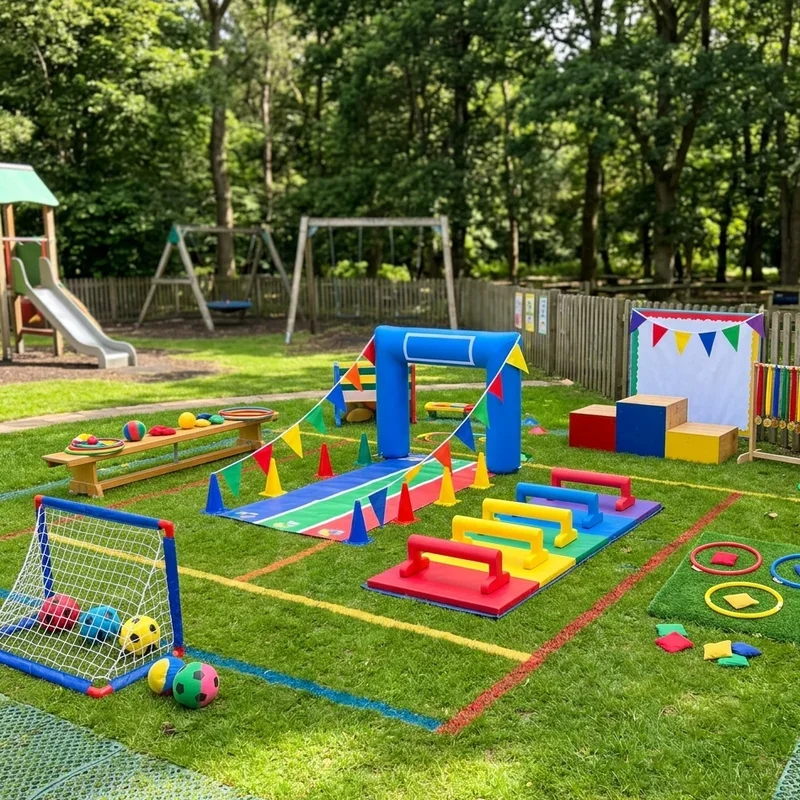
A mini Olympics sports camp introduces preschoolers to diverse movement experiences through playfully structured athletic activities that build gross motor skills, sportsmanship values, turn-taking patience, and genuine teamwork spirit without competitive pressure or elimination formats. Preschool sports activities work like movement vocabulary lessons, giving young bodies new words to express themselves physically with increasing coordination and genuine confidence. Organize daily activity rotations including modified relay races, parachute games, bean bag tossing, hula hoop challenges, and balance beam walking scaled appropriately for preschool physical developmental capabilities. Emphasize participation, personal improvement, and collective team celebration over competitive outcomes that would be developmentally inappropriate for this young age group throughout. Award every participant identical medals or ribbons at the concluding ceremony celebrating collective athletic adventure rather than individual competitive outcomes always.
14. Construction and Building Camp
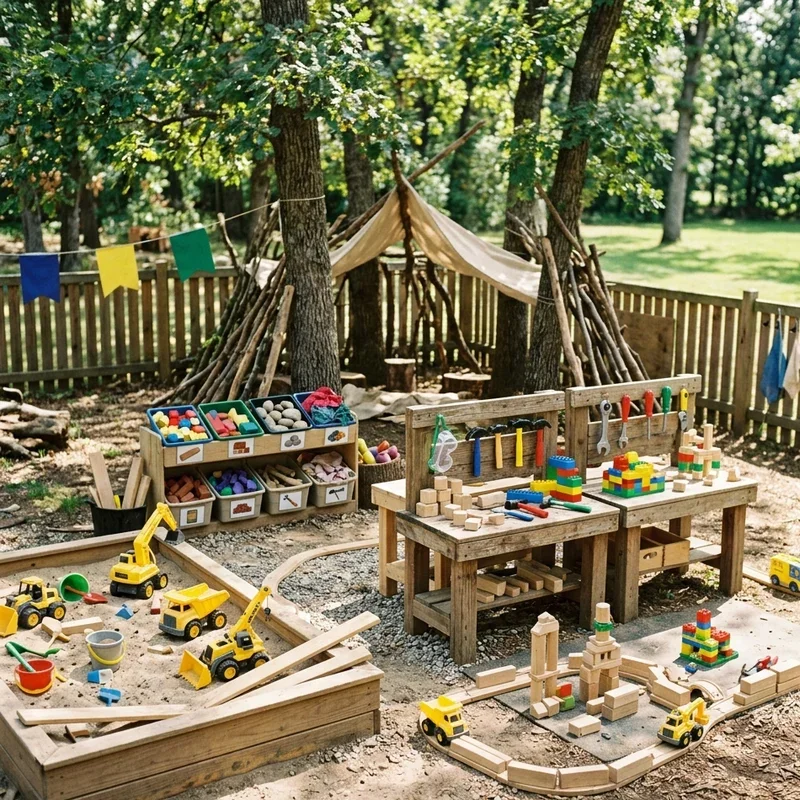
A construction and building camp channels preschoolers' natural engineering instincts through diverse building materials and open-ended construction challenges that develop spatial reasoning, problem-solving persistence, and STEM foundational concepts through pure playful exploration throughout every session. Building activities work like three-dimensional thinking exercises that strengthen the same neural pathways underlying later mathematical and scientific academic achievement significantly. Rotate through diverse building materials including wooden unit blocks, magnetic tiles, cardboard tubes, recyclable boxes, large foam shapes, and natural loose parts like sticks and stones throughout the camp session. Introduce simple engineering challenges including building the tallest stable tower, creating a bridge spanning a specified gap, or constructing an enclosure for a small toy animal inside. Photograph completed constructions before inevitable enthusiastic demolition occurs, creating a visual portfolio of each child's engineering achievements throughout always.
15. Community Helper Roleplay Camp
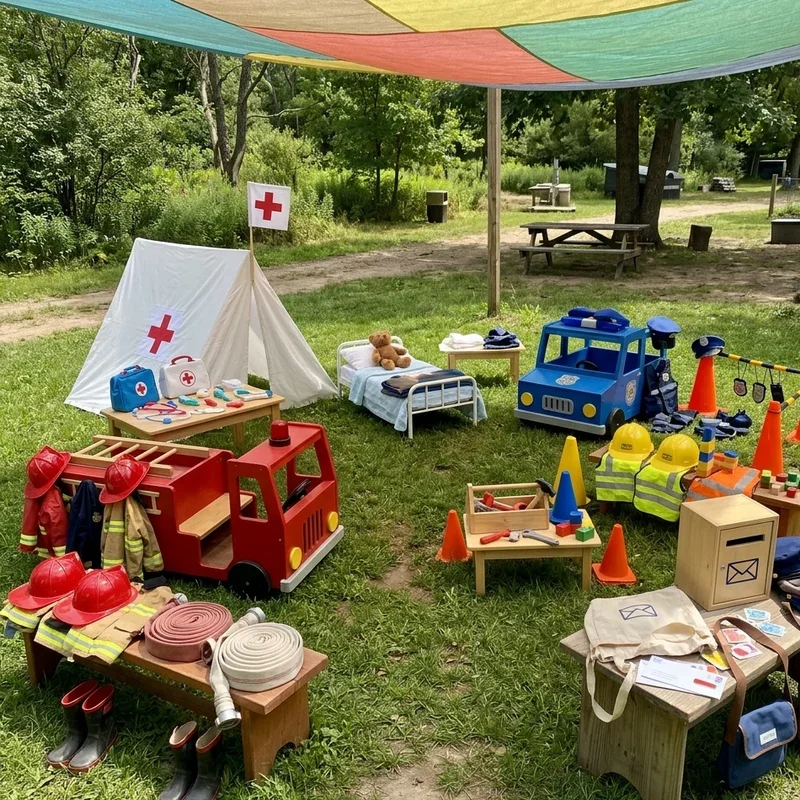
A community helper roleplay camp introduces preschoolers to the diverse professional roles maintaining their communities through imaginative dramatic play experiences that simultaneously develop social understanding, vocabulary expansion, and genuine appreciation for the people serving their neighborhoods daily. Community helper dramatic play works like a bridge between a child's immediate family world and the broader social ecosystem surrounding and supporting them constantly. Create detailed dramatic play stations including a veterinary clinic, fire station, grocery store, post office, and restaurant complete with appropriate costume pieces and realistic props for immersive roleplay throughout. Invite real community helpers including firefighters, nurses, mail carriers, and librarians as special camp visitors sharing their genuine professional equipment and daily experiences with fascinated preschool audiences. Rotate children through all station roles ensuring everyone experiences multiple community helper perspectives throughout the complete camp program always.
Conclusion
Preschool summer camp activities transform ordinary warm-weather days into extraordinary developmental adventures that build confidence, creativity, friendship, and genuine love for learning during childhood's most receptive and magical developmental window. These fifteen inspired ideas demonstrate that every young child's interests, developmental stage, and natural curiosity has a perfectly matching summer camp concept worth implementing with joy and genuine enthusiasm throughout the season. Whether choosing nature exploration, water play, cooking adventures, or community helper roleplay, each activity communicates profound care for every child's whole development. Great summers shape great children. Start planning your perfect preschool summer camp program today and create magical childhood memories worth treasuring always.
Frequently Asked Questions
Q1: What is the ideal daily schedule length for preschool summer camp programs?
A: Three to four hour morning sessions work best for preschoolers, matching their optimal attention and energy availability without causing excessive fatigue.
Q2: How many children work best in a preschool summer camp group setting?
A: Groups of eight to twelve children with two qualified adult supervisors create the ideal learning and safety ratio for preschool camps.
Q3: What essential supplies should preschool summer camps always have readily available?
A: Sunscreen, insect repellent, first aid supplies, extra clothing changes, healthy snacks, and abundant water are absolute preschool camp essentials always.
Q4: How do I handle separation anxiety in preschoolers starting summer camp for the first time?
A: Establish consistent goodbye rituals, communicate pickup times clearly, and build trust gradually through short initial sessions before extending camp duration progressively.
Q5: Can preschool summer camp activities effectively support children with developmental differences or special needs?
A: Absolutely, most activities adapt beautifully with minor modifications, and inclusive camp environments benefit all children through diverse social interaction and shared play experiences.
Stay up to date with our latest ideas!