How much does a Japan trip cost? This full budget guide breaks down flights, hotels, food, transport, and daily expenses clearly.
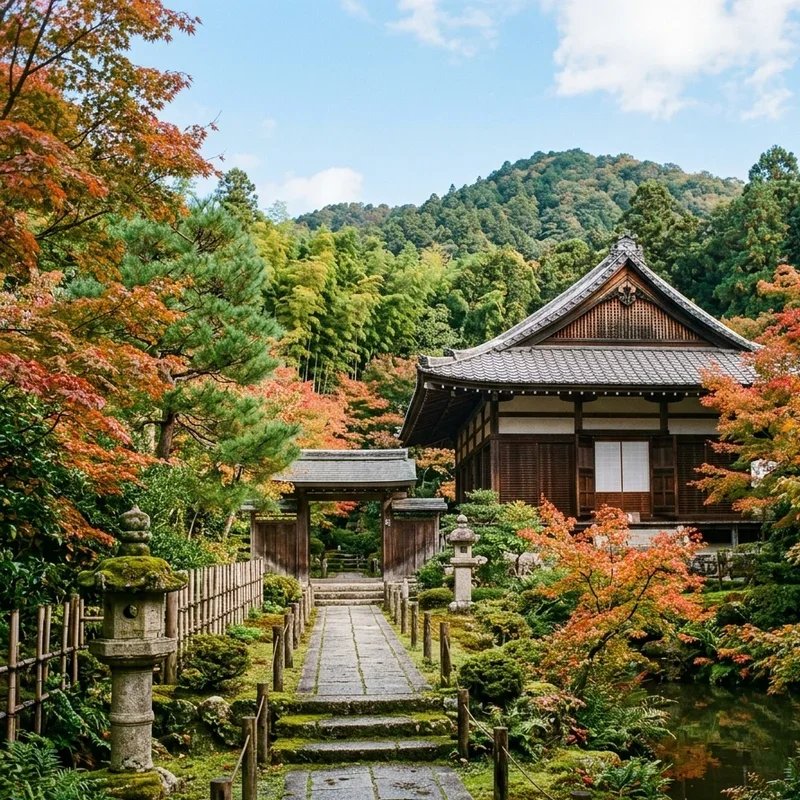
Japan has been sitting at the top of travel bucket lists for years now, and honestly, it is not hard to see why. Cherry blossoms in spring, ancient temples tucked between neon-lit skyscrapers, sushi that ruins you for every other piece of fish you will ever eat, and a culture so rich and layered that you could visit a dozen times and still discover something new. It is one of those destinations that delivers on the hype every single time.
But here is the question that stops a lot of would-be travelers dead in their tracks. How much is this whole adventure actually going to cost me? Japan has a bit of a reputation for being expensive, and while that reputation is not entirely undeserved, the reality is a whole lot more nuanced than most people think. You can absolutely do Japan on a tight budget if you know what you are doing. And you can also blow through a small fortune in a week if you are not careful.
That is exactly why this "How Much Does a Japan Trip Cost? Full Budget Guide" exists. We are going to break down every major expense category, give you real numbers based on actual costs, and help you figure out a realistic budget that fits your travel style. Whether you are a backpacker counting every yen or a splurge-happy traveler who wants the full luxury experience, this guide has got you covered. So let us crunch some numbers and get you one step closer to booking that flight.
Flights Getting to Japan Without Emptying Your Wallet
The biggest line item in your Japan budget is almost always the international flight. It is also the expense with the most variability, so getting a good deal here can dramatically affect your total trip cost.
What to Expect on Airfare
Round-trip flights from the United States to Japan typically range from about $600 to $1,500 in economy class, depending on where you are flying from, when you book, and which airline you choose. West Coast departure cities like Los Angeles, San Francisco, and Seattle tend to have the cheapest fares since the flying distance is shorter. East Coast and Midwest travelers usually pay a premium, though deals do pop up regularly.
From Europe, flights generally run between $500 and $1,200 round trip. From Southeast Asia, you can find incredibly cheap fares, sometimes as low as $150 to $300 round trip on budget carriers like AirAsia, Peach Aviation, or Jetstar.
From Australia, expect to pay between $400 and $900 depending on the season and how far in advance you book.
How to Score Cheaper Flights
Timing is everything when it comes to airfare to Japan. The most expensive times to fly are during cherry blossom season in late March through mid-April, Golden Week in late April through early May, and the autumn foliage season in November. If you can travel during shoulder seasons like January, February, or early June, you will find significantly lower fares.
Booking three to four months in advance generally gives you the best prices for international flights. Set up fare alerts on sites like Google Flights, Skyscanner, or Hopper, and let them do the monitoring for you. When the price drops to a level you are comfortable with, pull the trigger.
Consider flying into one city and out of another to save both money and travel time within Japan. For example, flying into Tokyo and out of Osaka, or vice versa, eliminates the need for a backtrack journey at the end of your trip and sometimes costs the same or even less than a round-trip ticket to a single city.
Accommodation Where You Sleep Makes a Huge Difference
After flights, accommodation is typically the second largest expense on a Japan trip. And this is where you have the most flexibility to scale your spending up or down based on your budget and comfort preferences.
Budget Options: $20 to $60 Per Night
Japan has a fantastic range of budget accommodation that goes way beyond the standard hostel. Capsule hotels are a uniquely Japanese experience where you sleep in a compact, pod-like space that includes a bed, a light, and sometimes a small TV or charging station. They are clean, efficient, and surprisingly comfortable. Capsule hotels typically cost between $25 and $50 per night and are found in most major cities.
Hostels are available throughout Japan and offer dormitory beds starting as low as $15 to $30 per night. Private rooms in hostels run a bit more, usually $40 to $60. Japanese hostels tend to be exceptionally clean and well-maintained compared to hostels in many other countries, so even the budget options feel pretty nice.
Guesthouses and minshuku, which are small, family-run lodgings similar to bed and breakfasts, offer another affordable option. Prices generally fall between $30 and $60 per night, and you often get breakfast included plus the charm of staying in a traditional Japanese home.
Mid-Range Options: $80 to $200 Per Night
Business hotels are the backbone of mid-range accommodation in Japan. Chains like Toyoko Inn, Dormy Inn, and Route Inn offer clean, compact rooms with everything you need. Prices typically range from $60 to $120 per night, and many include free breakfast. The rooms are small by Western standards, but they are spotlessly clean and perfectly functional.
Standard hotels from international chains like Marriott, Hilton, and IHG have a significant presence in Japan's major cities. Expect to pay $120 to $200 per night for a comfortable room with familiar amenities. These hotels often offer loyalty program benefits that can offset some of the cost.
Airbnb and vacation rentals are available in Japan, though regulations have tightened in recent years. Entire apartments can be found for $60 to $150 per night depending on the city and location, and they offer the added benefit of a kitchen where you can prepare some of your own meals.
Splurge Options: $200 and Up Per Night
If you want to treat yourself, Japan does luxury like nowhere else on earth. Ryokan, or traditional Japanese inns, offer an immersive cultural experience complete with tatami mat rooms, futon bedding, communal hot spring baths, and elaborate multi-course kaiseki dinners. High-end ryokan range from $200 to over $800 per night per person, but the experience is genuinely once in a lifetime.
Five-star hotels in Tokyo, Kyoto, and Osaka command rates of $300 to $600 per night and above. Properties like the Park Hyatt Tokyo, the Aman Kyoto, and the Ritz-Carlton Osaka deliver world-class luxury with impeccable Japanese hospitality that is hard to find anywhere else.
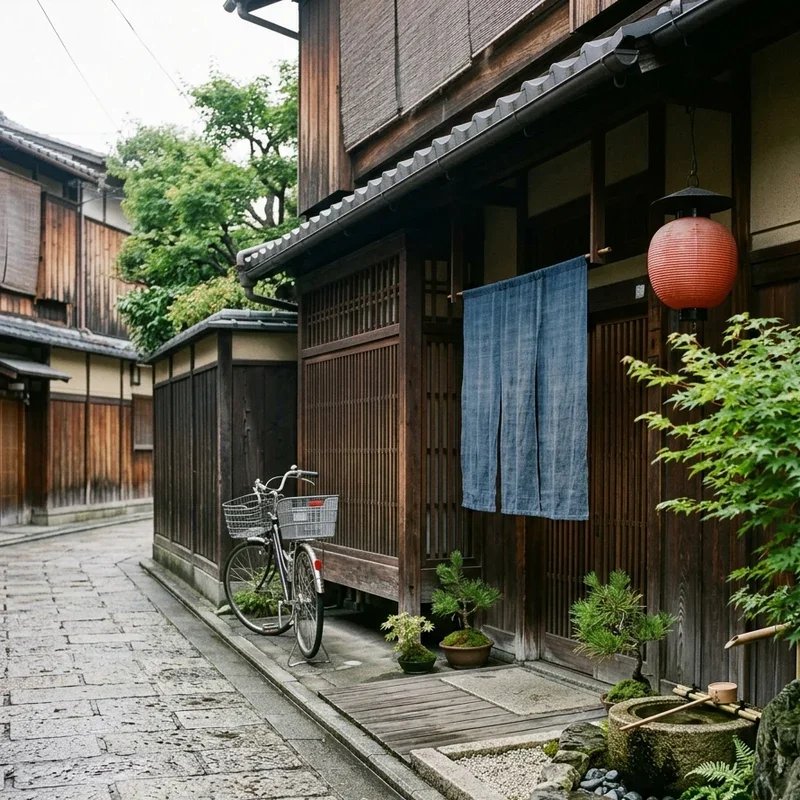
How Much Does a Japan Trip Cost? Full Budget Guide for Daily Food Expenses
If there is one area where Japan consistently surprises travelers, it is food costs. Despite its reputation as an expensive country, eating well in Japan is shockingly affordable if you know where to look. In fact, many travelers find that they eat better in Japan for less money than they would at home.
Budget Eating: $15 to $30 Per Day
Japan has an incredible ecosystem of affordable dining options that serves genuinely delicious food at rock-bottom prices. Convenience stores, known as konbini, are a revelation for budget travelers. Chains like 7-Eleven, Lawson, and FamilyMart sell onigiri rice balls for about $1 to $1.50 each, bento box meals for $3 to $5, and an impressive variety of sandwiches, salads, and snacks at prices that will make your jaw drop.
Ramen shops, curry houses, and gyudon beef bowl chains like Yoshinoya, Matsuya, and Sukiya offer filling meals for $4 to $8. These are not sad, budget compromises either. A bowl of ramen from a small neighborhood shop in Tokyo can be one of the best meals of your entire trip, and it might only cost you six bucks.
Standing sushi bars and conveyor belt sushi restaurants serve fresh, quality sushi starting at about $1 per plate. You can easily eat a satisfying sushi lunch for $8 to $12, which is a fraction of what you would pay for comparable quality in most Western countries.
Mid-Range Eating: $30 to $60 Per Day
Stepping up to sit-down restaurants, izakaya pubs, and more upscale ramen and sushi spots puts your daily food budget in the $30 to $60 range. This level of spending gets you excellent variety and quality, including the ability to try regional specialties, seasonal dishes, and chef-prepared meals that are genuinely memorable.
Izakaya, which are Japanese-style pubs, are fantastic for dinner. You order a variety of small dishes to share along with drinks, and the total bill usually works out to about $15 to $25 per person. The atmosphere is lively, the food is incredible, and it is one of the most authentic dining experiences you can have in Japan.
Set lunches, called teishoku, are another mid-range gem. Many restaurants offer lunch sets that include a main dish, rice, miso soup, and pickles for $8 to $15. The same meal at dinner might cost twice as much, so loading up at lunch and eating lighter at dinner is a smart budget strategy.
High-End Eating: $60 and Way Up Per Day
If you are a food lover with a generous budget, Japan is your playground. Omakase sushi meals at top-tier sushi restaurants can run anywhere from $100 to $500 per person. Multi-course kaiseki dinners at renowned establishments cost $150 to $300 and above. Kobe beef at a premium teppanyaki restaurant might set you back $80 to $200 for a single steak.
These experiences are extraordinary and worth every penny if food is a priority for you. But they are absolutely not necessary to eat incredibly well in Japan. Some of the best meals you will ever have might come from a tiny ramen shop on a back street where the chef has been perfecting the same recipe for forty years and the bill is under ten dollars.
Transportation Within Japan
Getting around Japan is efficient, convenient, and can be either surprisingly affordable or eye-wateringly expensive depending on how you approach it.
The Japan Rail Pass
The Japan Rail Pass, commonly called the JR Pass, is the single most important transportation decision you will make for your trip. This pass gives you unlimited travel on most JR trains, including the famous shinkansen bullet trains, for a set number of days.
A 7-day JR Pass costs roughly $200. A 14-day pass runs about $320, and a 21-day pass is around $410. These prices fluctuate with exchange rates, so check the current rates before you buy.
Whether the JR Pass is worth it depends entirely on your itinerary. A single round-trip bullet train ticket from Tokyo to Kyoto costs about $130, so if you are making that trip plus a few other intercity journeys, the 7-day pass pays for itself quickly. But if you are staying in one city the whole time, the pass is a waste of money.
Run your planned routes through an online JR Pass calculator to see whether the math works in your favor. There are several free tools online that let you plug in your itinerary and compare the cost of individual tickets versus the pass price.
Local Transportation
Within cities, you will rely primarily on subway and bus systems, which are excellent throughout Japan. A single subway ride in Tokyo or Osaka typically costs between $1.50 and $3 depending on distance. Daily subway passes are available in most cities for $5 to $8, which can save money if you are doing a lot of sightseeing.
Get a rechargeable IC card like Suica or Pasmo when you arrive. These tap-and-go cards work on virtually all trains, subways, and buses across Japan, and they also work at convenience stores and vending machines. They save you the hassle of buying individual tickets for every ride and often give you a small discount compared to cash fares.
Taxis in Japan are clean and reliable but very expensive. A short ride across town in Tokyo can easily cost $10 to $20, and longer trips add up fast. Use taxis sparingly and rely on public transit whenever possible.
Budget Transportation: $10 to $20 Per Day
If you are sticking to one city and using subways and buses, $10 to $20 per day is a realistic transportation budget. Add a JR Pass if you are traveling between cities and spread that cost across the days you use it.
Mid-Range Transportation: $25 to $50 Per Day
This budget accommodates a JR Pass amortized over your trip plus regular use of local transit and the occasional taxi when you are lost, tired, or carrying heavy bags. It is a comfortable level that lets you get around without worrying about every fare.
Best Times to Visit for Budget-Conscious Travelers
Traveling during off-peak seasons saves money across virtually every expense category. January and February are the cheapest months to visit Japan, with lower airfares, reduced hotel rates, and thinner crowds at popular attractions. The weather is cold, but cities like Tokyo and Osaka remain perfectly comfortable for sightseeing with a warm coat.
Early June, just before the rainy season peaks, and late September through mid-October offer pleasant weather and moderate prices without the extreme crowds of cherry blossom season or autumn peak. November gets increasingly expensive as fall foliage draws visitors, but early November is still reasonable.
Avoid Golden Week at all costs if budget is a priority. This string of national holidays in late April and early May sends domestic tourism into overdrive, and prices for everything from hotels to trains to restaurants spike accordingly. It is also one of the most crowded times to visit, which can make popular attractions feel overwhelming.
What Most Budget Guides Get Wrong About Japan
Here is something worth addressing because it trips up a lot of first-time visitors. Most online budget guides treat Japan as uniformly expensive, but the reality is that costs vary significantly depending on where in the country you are.
Tokyo is the most expensive city for accommodation and some dining categories, but it also has the widest range of budget options. Osaka is generally cheaper than Tokyo for food and lodging while offering an equally incredible urban experience. Kyoto sits somewhere in the middle, with accommodation prices that spike during peak seasons but remain reasonable otherwise.
Rural areas and smaller cities like Kanazawa, Hiroshima, Takayama, and Nagasaki are noticeably cheaper than the big three cities. If your itinerary includes time outside the major urban centers, your overall costs will likely come in below the estimates that most guides provide.
Another misconception is that you need to eat expensive sushi and kaiseki to have great food experiences in Japan. The truth is that Japan's everyday food culture is extraordinary at every price point. A $5 bowl of udon from a train station noodle shop can be transcendent. A $2 onigiri from 7-Eleven can be the perfect snack. You do not need to spend big to eat phenomenally well in this country.
Conclusion
Japan is genuinely more affordable than its reputation suggests, especially for travelers willing to embrace budget-friendly accommodation, street-level dining, and the country's incredible public transportation system. A well-planned 10-day trip can realistically cost anywhere from $1,500 to $4,000 total including flights, depending on your travel style and spending habits. The key is knowing where to save and where to splurge, because Japan rewards smart planning with experiences that are absolutely priceless regardless of what you paid to get there.
Read next: How Much Is a Trip to Japan? Average Costs Explained
Frequently Asked Questions
1.Is Japan actually expensive for tourists compared to other Asian countries?
Japan is pricier than Southeast Asia but offers excellent value through affordable food, transit, and free attractions.
2.How much spending money should I bring per day in Japan?
Budget travelers need about fifty to eighty dollars daily, while mid-range travelers should plan for one hundred fifty.
3.Is the Japan Rail Pass worth buying for a short trip?
The JR Pass pays for itself if you take at least one round-trip bullet train journey between major cities.
4.Can I travel Japan comfortably on a backpacker budget?
Yes, using hostels, convenience store meals, and public transit makes Japan very accessible for budget backpackers.
5.What is the cheapest time of year to visit Japan?
January and February offer the lowest flight prices, cheapest hotel rates, and fewest crowds at popular attractions.
Stay up to date with our latest ideas!