Discover 15 youth group trip ideas for fun and meaningful adventures that build friendships, serve communities, and create lasting memories.
Youth group trips create the kind of shared experiences that build lifelong friendships, deepen personal character, and generate stories young people retell for decades, long after the bus ride home fades from memory. Have you ever watched a group of teenagers return from a trip completely transformed, bonded more tightly than when they left and carrying a renewed sense of purpose that ordinary weekly meetings somehow never quite ignite on their own? That transformational power drives youth leaders to plan trips combining fun, service, and genuine adventure into experiences that entertain while quietly shaping the adults these young people are becoming. Think of youth trips like fertilizer for growing character, where shared challenges and new experiences accelerate the maturity that comfortable routines develop far more slowly. Whether your group craves outdoor adventure or community service, meaningful trips await. Let's explore fifteen ideas.
1. Community Service Mission Trip
A community service mission trip sends your youth group into communities needing help, where hands-on work like painting houses, cleaning parks, or organizing donation centers teaches young people that genuine adventure includes serving others alongside seeking personal thrills. Choose a destination within driving distance, since nearby communities need help just as urgently as distant locations while costing significantly less in travel expenses. Partner with established service organizations, because pre-arranged projects ensure productive workdays rather than aimless volunteering that frustrates both the group and the community they intend to serve. Schedule evening reflection sessions, since processing the day's service experiences deepens the emotional impact that rushed, unreflected activity sometimes leaves shallow. Add fun evening activities. Think of mission trips like purpose-driven vacations. Your group serves while growing.
2. Camping and Hiking Retreat
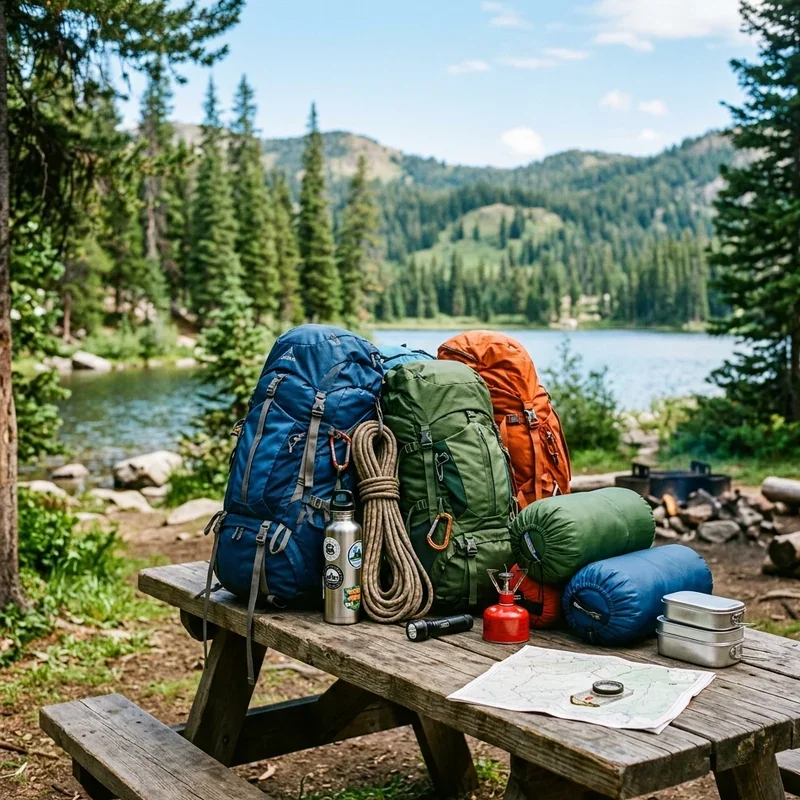
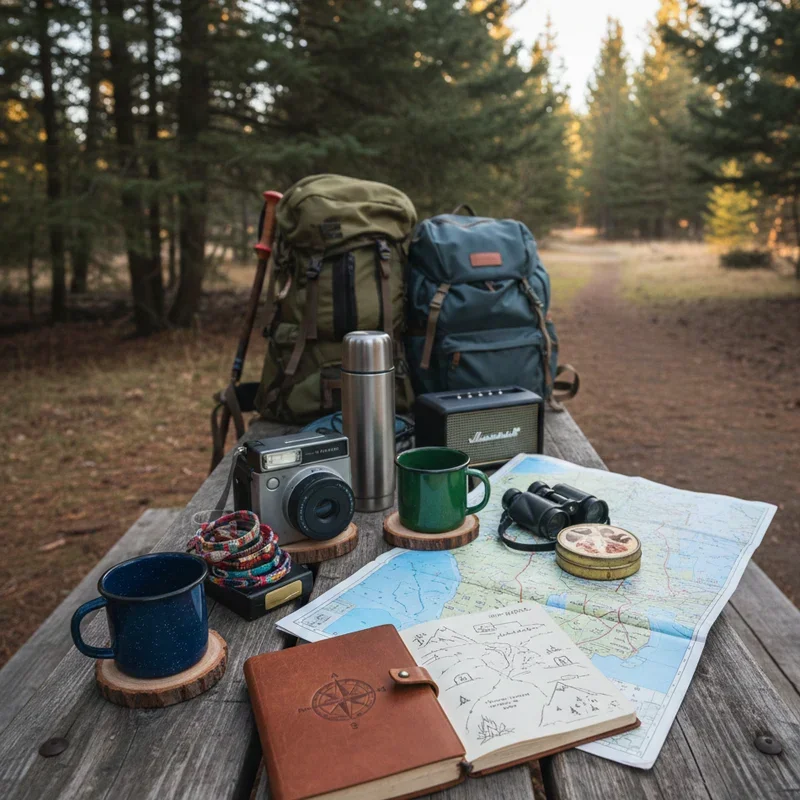
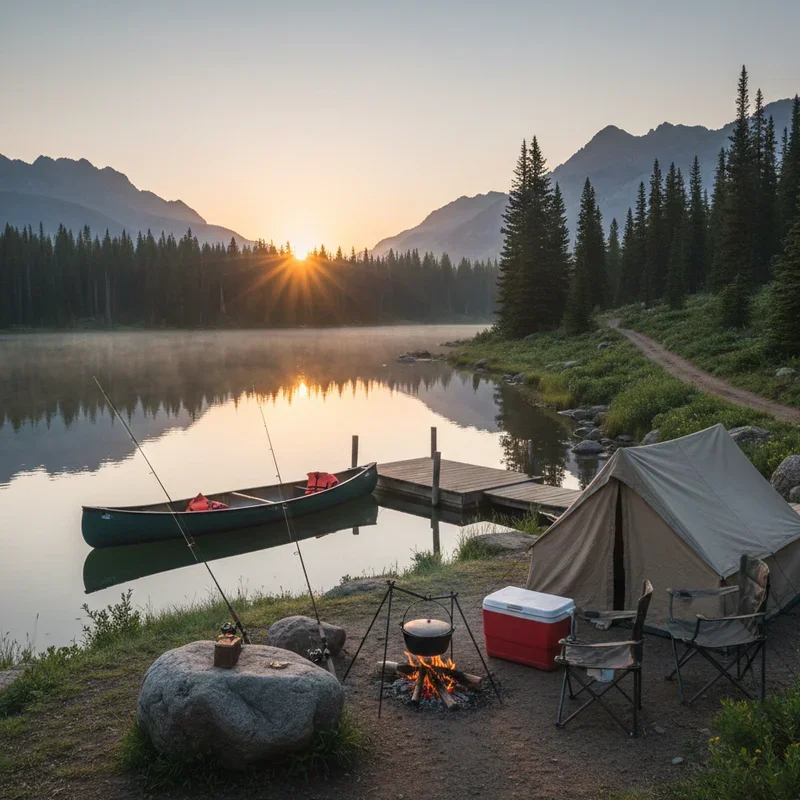
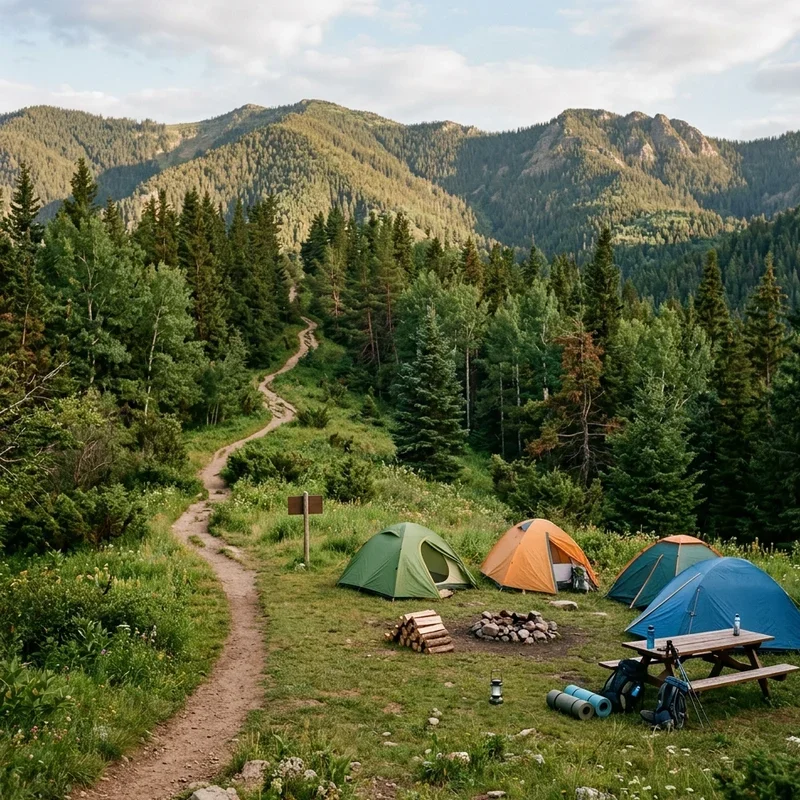
A camping and hiking retreat strips away digital distractions and drops your youth group directly into nature, where campfire conversations, trail challenges, and shared meals under open sky build bonds that indoor meeting rooms never forge with the same raw, unfiltered authenticity. Choose a state park or national forest with varied trail difficulty, since mixed hiking options accommodate both athletic teens and less experienced walkers within the same group outing. Pack tents, sleeping bags, and cooking supplies, because self-sufficient camping teaches practical skills alongside the relational bonding that shared outdoor discomfort surprisingly accelerates among young people. Add campfire devotions. Assign cooking teams. Tell stories beneath the stars. Think of camping trips like stripping life to essentials. Your group bonds through shared outdoor experience.
3. Beach Bonfire Weekend
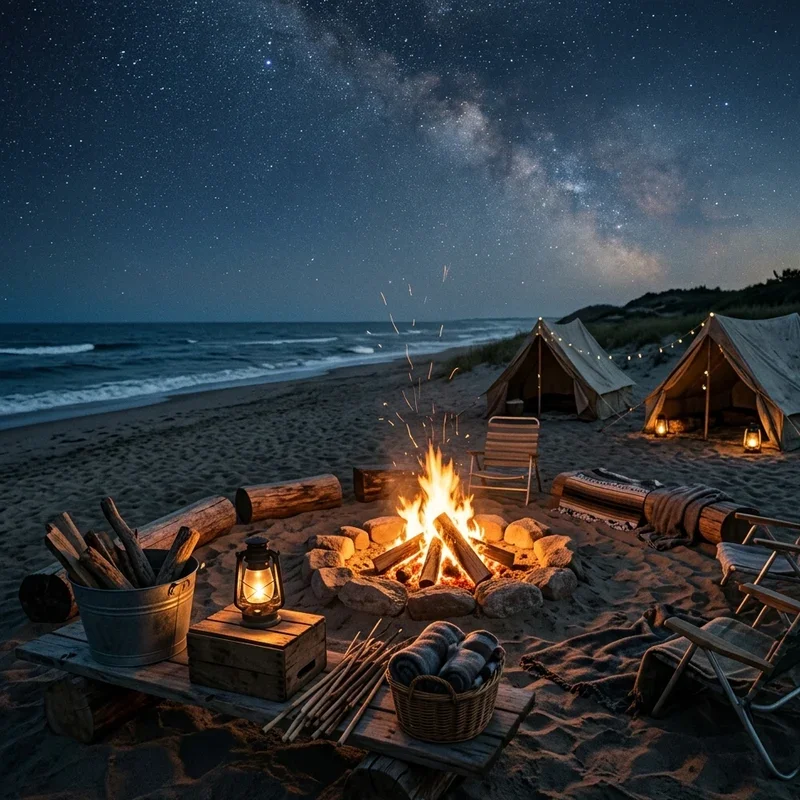
A beach bonfire weekend combines sun, sand, and evening fireside gathering into a laid-back trip that gives your youth group the relaxed environment where genuine conversations happen naturally rather than feeling forced through structured discussion formats. Book a beach house or campsite near the shore, since group accommodation keeps the crew together while the beach provides free, unlimited daytime entertainment requiring zero organized activity planning. Build a bonfire each evening, because the crackling flames, warm light, and circular seating arrangement create the intimate atmosphere that encourages vulnerable sharing and meaningful conversation among teenagers who might resist structured discussion but open up naturally beside warm fires. Add beach games during the day. Swim, surf, and explore together. Think of beach weekends like soul refreshers powered by ocean air. Your group relaxes and connects.
4. Amusement Park Day Trip
An amusement park day trip delivers pure, uncomplicated fun that reminds your youth group that not every trip needs a mission statement, because sometimes screaming down a roller coaster with your friends builds bonds just as effectively as any structured team activity designed by adults. Choose a park within driving distance, since day trips eliminate overnight logistics while delivering a full day of shared thrills, laughter, and adrenaline-fueled memories. Let teens choose their own small groups for riding, because the freedom builds trust and responsibility while natural social mixing happens organically when ride preferences bring different friend groups together unexpectedly. Set clear meeting times. Provide lunch money or pack meals. Think of theme parks like friendship accelerators powered by g-forces. Your group bonds through shared screams.

5. Soup Kitchen Volunteering Day
A soup kitchen volunteering day grounds your youth group in tangible service, where preparing, cooking, and serving meals to people experiencing hunger teaches compassion through direct, face-to-face interaction that abstract discussions about poverty simply cannot deliver with the same visceral impact. Contact a local soup kitchen or food bank, since most organizations welcome youth volunteer groups and provide training, aprons, and structured assignments that keep young workers productive without requiring prior experience. Assign teens to varied stations including food prep, serving, and cleanup, because rotating roles prevents boredom while exposing each volunteer to the complete scope of feeding operations. Debrief afterward over a shared meal. Think of soup kitchen days like empathy taught through ladles. Your group serves with humble hearts.

6. White Water Rafting Adventure
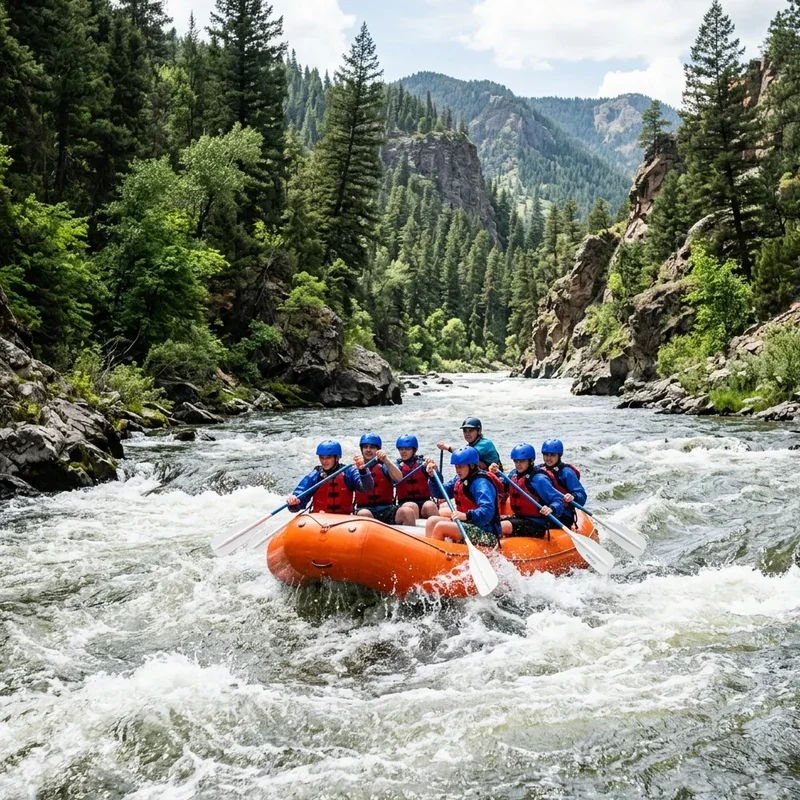
A white water rafting adventure throws your youth group into churning rapids together, where the shared adrenaline of navigating a raft through rushing water creates instant, unbreakable bonds forged through genuine physical challenge and mutual reliance on every paddler doing their part. Book a guided rafting trip on a river rated for your group's experience level, since professional guides provide safety instruction, equipment, and emergency expertise that unsupervised youth trips on unfamiliar rivers dangerously lack. Choose Class II or III rapids for most youth groups, because moderate challenge delivers exciting adventure without the genuine danger that advanced rapids present to inexperienced paddlers. Celebrate together afterward. Think of rafting like teamwork lessons written in whitewater. Your group paddles through challenges together.
7. Habitat Build Service Trip
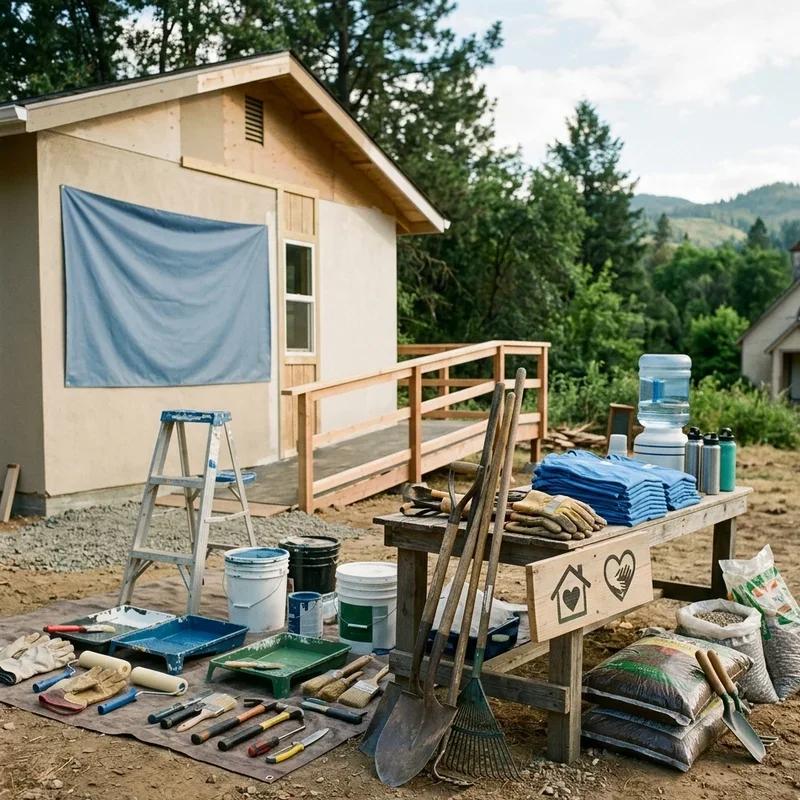
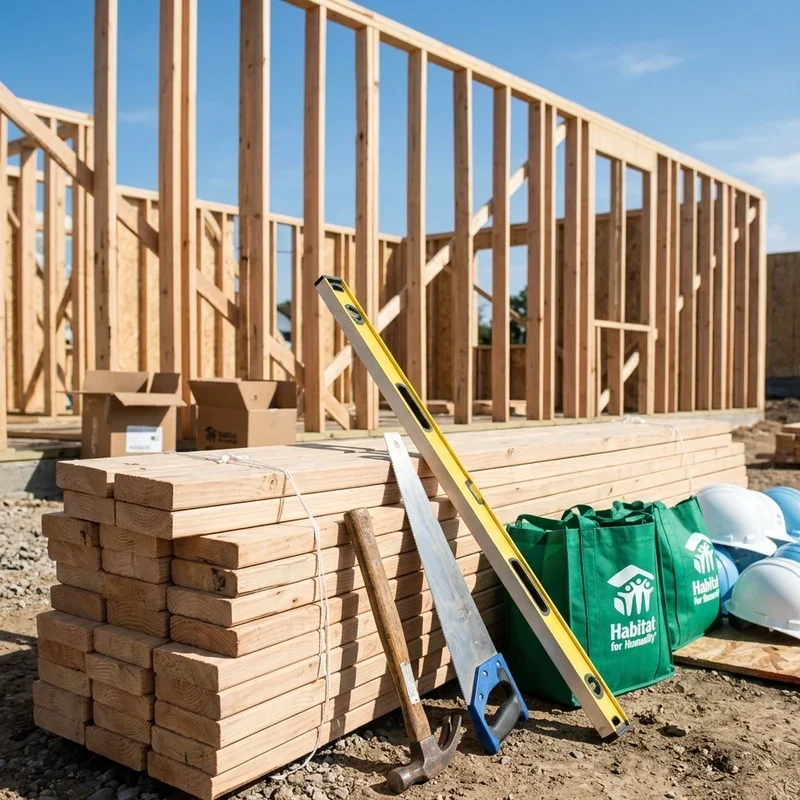
A habitat build service trip puts your youth group's energy into constructing homes for families in need, where swinging hammers, painting walls, and raising frames produces tangible results young people can physically see, touch, and take pride in completing before the trip ends. Partner with Habitat for Humanity or a similar organization, since established building programs provide materials, supervision, and project management that ensure productive workdays yielding genuine construction progress. Assign teens to supervised work stations, because structured tasks keep young, inexperienced builders safe while teaching basic construction skills they carry into adulthood. Watch the walls rise together. Take progress photos daily. Think of build trips like constructing purpose alongside physical structures. Your group builds homes and character simultaneously.
8. Escape Room Team Challenge
An escape room team challenge locks your youth group inside themed puzzle rooms, testing communication, problem-solving, and collaborative thinking under ticking-clock pressure that reveals leadership qualities and teamwork dynamics no standard meeting activity exposes as effectively. Book multiple rooms at a local escape room facility, since dividing the group into competing teams adds friendly rivalry that amplifies the engagement and intensity every team brings to their puzzle-solving session. Debrief afterward, discussing which communication strategies worked, how leaders emerged naturally, and what the experience taught about collaboration under pressure, because the post-activity reflection transforms entertainment into genuine learning about group dynamics. Award silly prizes. Think of escape rooms like teamwork laboratories. Your group discovers how they problem-solve together.

9. Nature Conservation Project
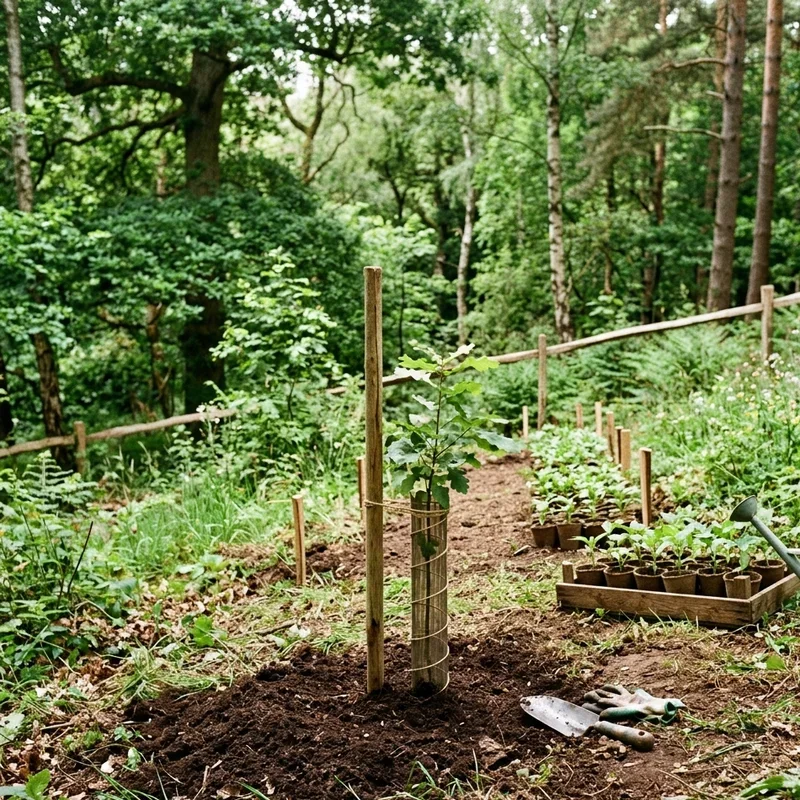
A nature conservation project sends your youth group into local natural areas for hands-on environmental stewardship, where trail maintenance, invasive species removal, tree planting, and stream cleanup teach ecological responsibility through direct, physical, result-producing work. Partner with local parks departments, conservation organizations, or environmental nonprofits, since established programs provide tools, training, and supervision that ensure productive workdays yielding genuine ecological improvement. Assign teams to different stations, because varied tasks prevent monotony while exposing each teen to different aspects of conservation work throughout the day. Add an educational hike led by a naturalist or ranger, since understanding why conservation matters deepens commitment beyond the single workday. Think of conservation trips like investing sweat equity into the planet. Your group protects nature actively.
10. Winter Ski Retreat
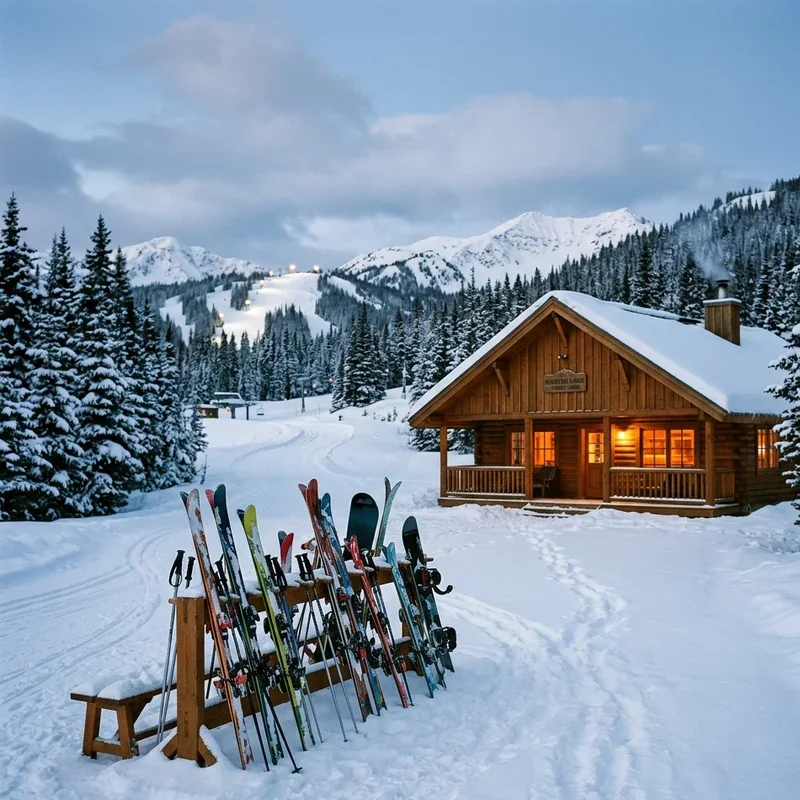
A winter ski retreat combines thrilling downhill action with cozy lodge bonding, creating a seasonal trip where daytime mountain adventure gives way to evening hot chocolate, games, and fireside conversations that the cold weather outside makes feel even warmer inside together. Book a group lodge near a ski resort, since shared accommodation builds community while proximity to slopes minimizes transit time that eats into precious skiing and snowboarding hours. Arrange lessons for beginners, because confident instruction prevents frustration that discourages first-time skiers from enjoying the sport rather than fearing it. Add tubing and sledding for non-skiers. Build evening activities around the lodge fireplace. Think of ski retreats like mountain playgrounds with cozy evening debriefs. Your group conquers slopes together.
11. Farm and Ranch Work Trip
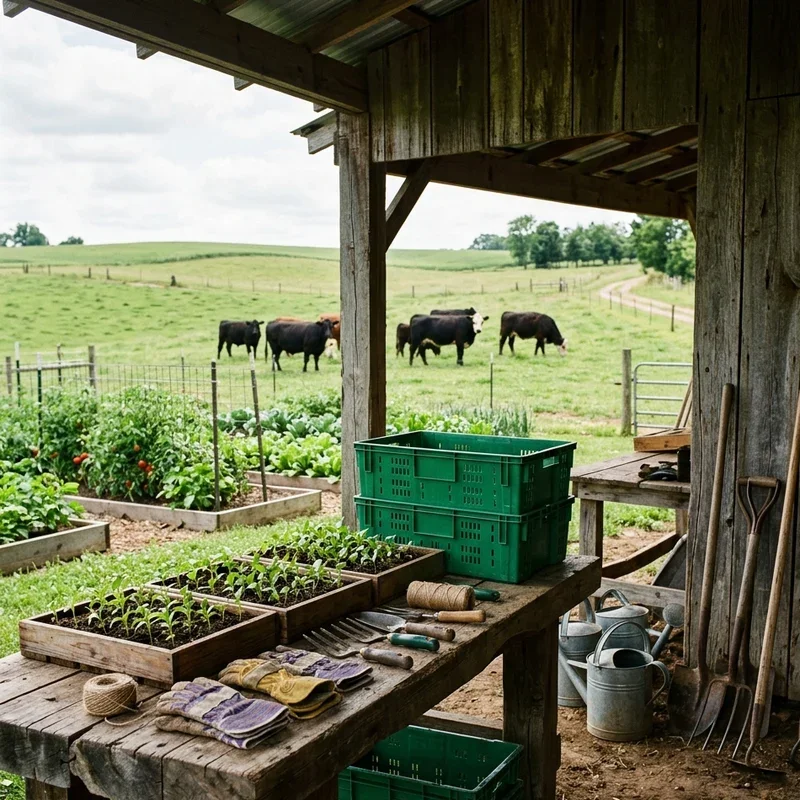
A farm and ranch work trip immerses your youth group in agricultural labor, where feeding animals, mending fences, and harvesting crops teach work ethic, humility, and appreciation for the food system through direct, physically demanding participation that suburban life rarely requires from modern teenagers. Book a working farm or ranch offering group volunteer programs, since established operations provide structured tasks, supervision, and educational context that random farm visits lack without proper coordination. Wake early, work alongside farmers, and share hearty communal meals, because the routine mirrors real agricultural life while building discipline and camaraderie through shared physical challenge. Add evening campfire reflection. Think of farm trips like boot camps for gratitude. Your group learns through honest, hard physical work.
12. City Exploration Cultural Tour
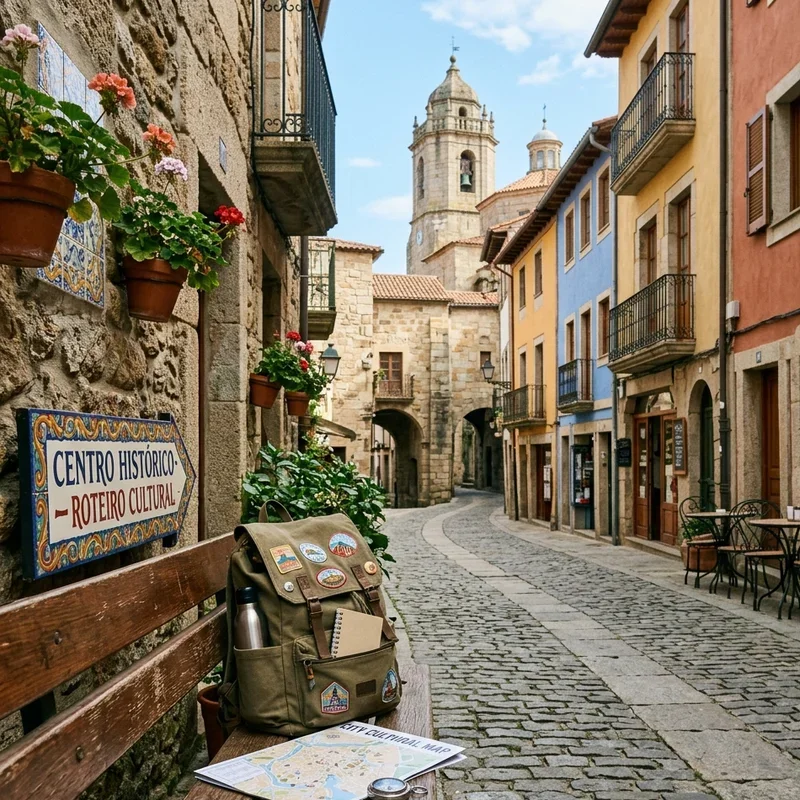
A city exploration cultural tour drops your youth group into an unfamiliar urban environment, where navigating public transit, exploring museums, eating diverse cuisines, and experiencing different neighborhoods broadens perspectives that familiar hometown routines keep narrow throughout ordinary adolescent life. Choose a major city offering cultural diversity, historic sites, and accessible public transportation, since urban environments expose teens to worldviews, lifestyles, and communities that suburban or rural home settings rarely introduce during everyday living. Assign small groups to navigate independently between designated meeting points, because supervised independence builds confidence and practical life skills that closely chaperoned, hand-held tours prevent developing. Add cultural dining experiences. Think of city tours like world-opening crash courses. Your group explores beyond familiar boundaries.
13. Ropes Course Team Building
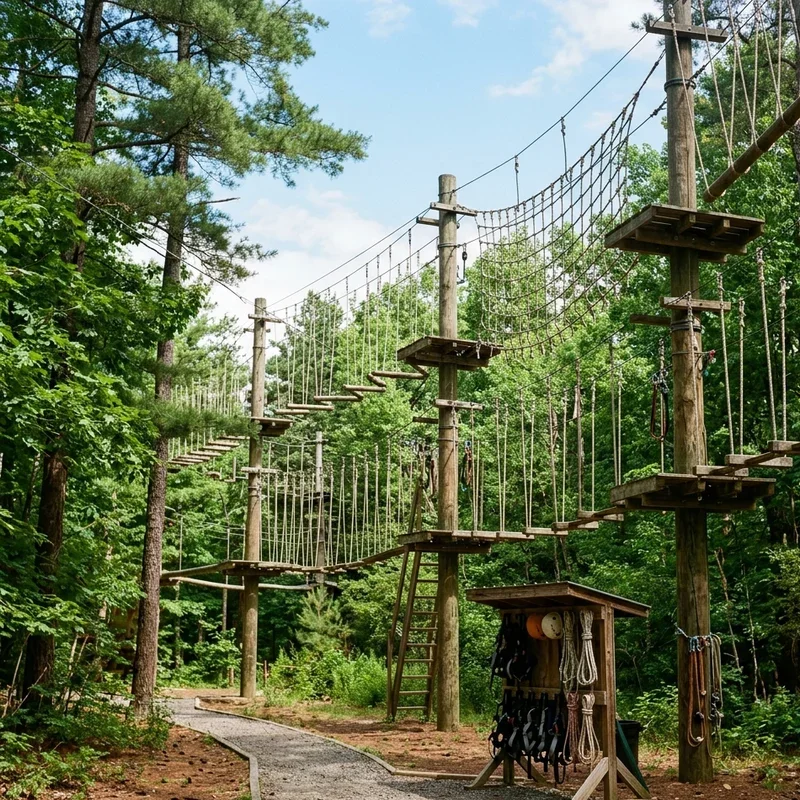
A ropes course team building adventure suspends your youth group on elevated platforms, zip lines, and swinging bridges, where conquering physical fear alongside supportive friends builds trust, courage, and group cohesion through shared vulnerability at genuine height above the ground. Book a professional ropes course facility, since trained staff provide safety equipment, instruction, and emotional support that unqualified leaders cannot deliver during genuinely frightening high-element challenges. Watch quiet teens discover unexpected courage while confident kids learn humility when fear strikes unexpectedly, because the leveling effect of genuine physical challenge reveals character depth that comfortable, low-risk activities never expose within the group. Celebrate every completion loudly. Debrief together. Think of ropes courses like trust-building machines suspended in trees. Your group conquers fear together.
14. Lake Kayaking Bonding Trip
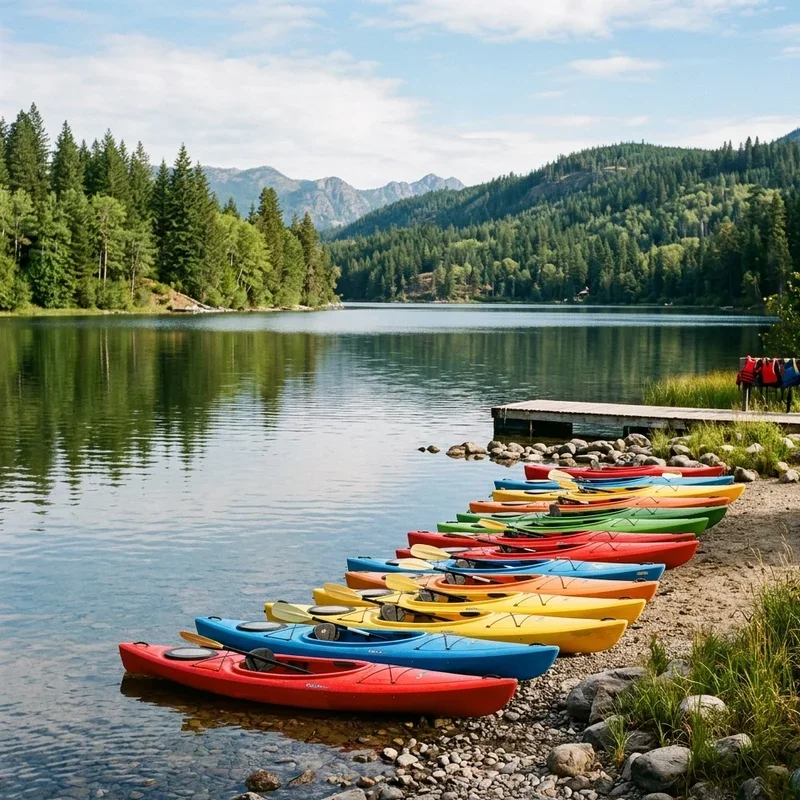
A lake kayaking bonding trip puts your youth group on calm water, where paddling tandem kayaks, exploring shorelines, and floating together beneath open sky creates the peaceful, conversation-rich environment that high-energy activities sometimes fill with noise rather than genuine connection between young people. Rent tandem kayaks, since paired paddling forces communication and cooperation between two people sharing one vessel for several hours of lake exploration. Pack a lakeside picnic lunch, because shoreline meals create natural gathering moments where the whole group reconnects between on-water paddling sessions throughout the day. Choose a calm lake rather than a river, since peaceful water suits mixed experience levels without the current-related safety concerns moving water introduces. Think of kayaking like floating friendship incubators. Your group bonds on calm water.
15. Food Drive Community Impact Day
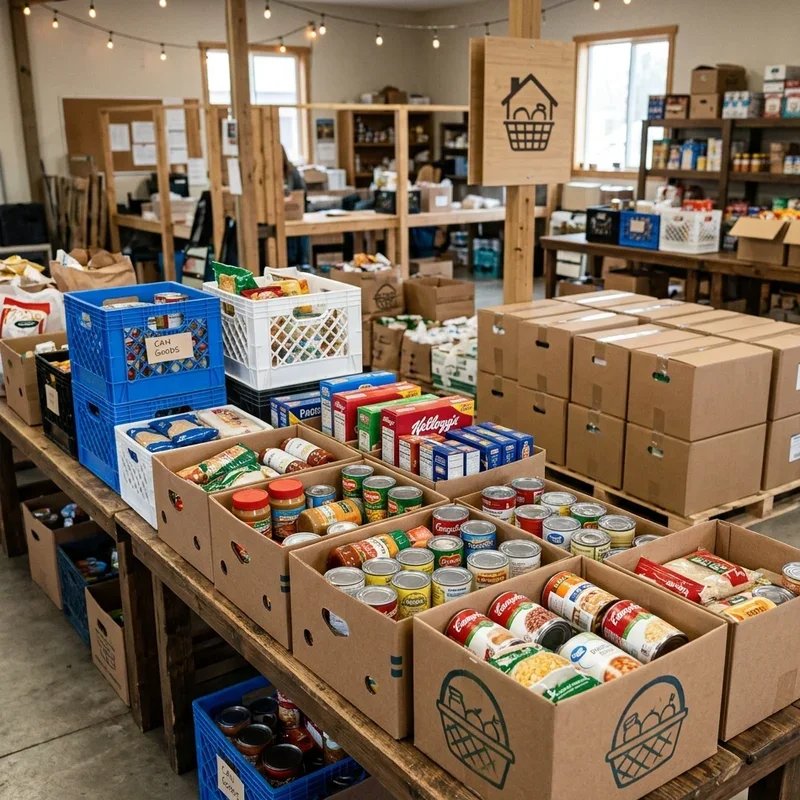
A food drive community impact day mobilizes your youth group for large-scale food collection, sorting, and distribution that delivers measurable community impact within a single organized day of focused, purpose-driven teamwork visible to everyone involved. Organize a neighborhood food drive, collect donations door to door, then sort and deliver everything to local food banks, since the complete collection-to-delivery cycle lets teens witness the full impact of their effort rather than contributing to an invisible process they never see completed. Assign teams to collection routes, sorting stations, and delivery, because structured roles ensure productive, organized execution that chaotic, unassigned volunteering often fails achieving among excited but unfocused young volunteers. Count and celebrate the total. Think of food drives like compassion measured in cans. Your group impacts the community tangibly.
Conclusion
Youth group trip ideas prove that the most transformative adventures combine genuine fun with meaningful purpose, where shared challenges, service opportunities, and new experiences shape young people's character far more powerfully than ordinary weekly meetings accomplish through routine programming alone. These fifteen ideas span mission service trips to kayaking bonding days, matching every group size, budget, and leadership goal with genuinely impactful adventure. Whether you build houses or paddle lakes together, intentional trips accelerate the friendship, maturity, and purpose that youth groups exist to cultivate. The secret lies in balancing fun with genuine meaning. Start planning your next trip today.
Frequently Asked Questions
Q1: How many chaperones should accompany a youth group trip?
A: Maintain a ratio of one adult chaperone for every five to eight youth group members minimum.
Q2: What's the best budget-friendly youth group trip idea?
A: Local camping retreats, food drives, and soup kitchen volunteering deliver meaningful experiences with minimal financial investment.
Q3: How far in advance should youth group trips be planned?
A: Begin planning three to six months ahead for proper booking, fundraising, permission forms, and logistics coordination.
Q4: What age range works best for youth group trips?
A: Most trips suit ages twelve through eighteen, though activity difficulty should match the specific age group attending.
Q5: How do I fundraise for a youth group trip?
A: Car washes, bake sales, sponsorship letters, and community service fundraisers effectively cover youth group travel costs.
Stay up to date with our latest ideas!