Discover 15 genius camping storage ideas! Organize tents, cookware, and gear with smart solutions that make outdoor adventures easier and more fun.
Have you ever spent the first hour of a camping trip digging through jumbled bins searching for that one essential item you know you packed somewhere? Camping gear chaos transforms exciting outdoor adventures into frustrating scavenger hunts where tent stakes hide beneath cooking supplies and flashlights disappear into sleeping bag crevices. The difference between stressful camping and smooth outdoor experiences often comes down to organization systems that keep gear accessible, protected, and ready for adventure without the pre-trip panic of wondering what you've forgotten. Think of camping storage as the invisible foundation supporting every successful outdoor trip, the behind-the-scenes organization that enables focusing on campfire conversations and morning mountain views rather than gear management headaches. Proper storage extends equipment lifespan, reduces forgotten item emergencies, and transforms packing from dreaded chores into quick grab-and-go departures. Whether you're a weekend car camper, dedicated backpacker, or family camping enthusiast, storage solutions exist for every gear quantity, vehicle configuration, and organizational preference. The investment in proper systems returns through years of smoother trips where equipment stays protected between adventures and ready when wanderlust calls. Ready to discover how smart storage transforms camping from chaotic to effortlessly organized? Let's explore these game-changing ideas!
1. Labeled Bin Category Systems
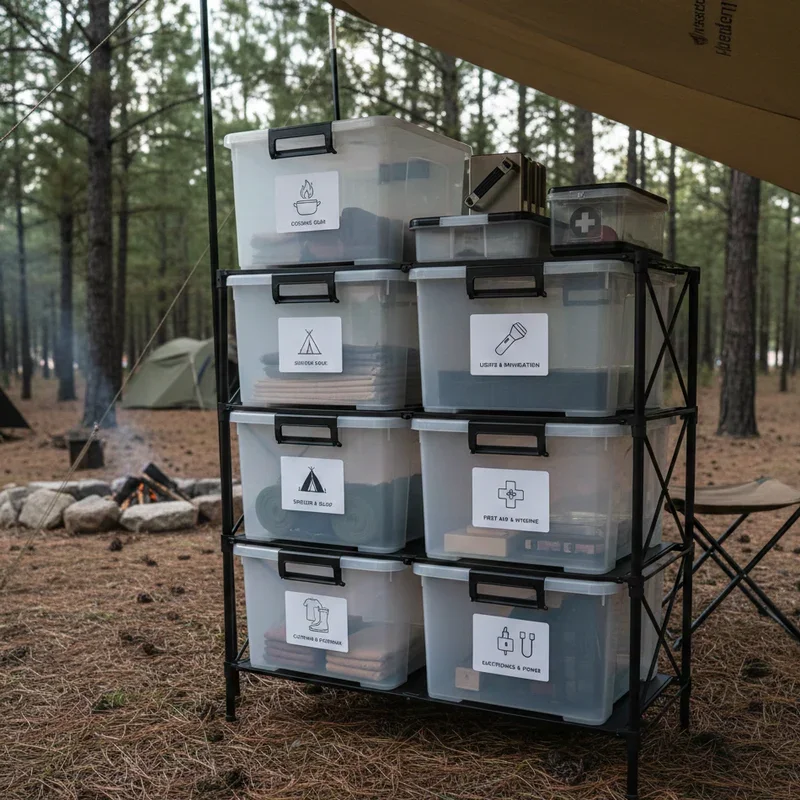
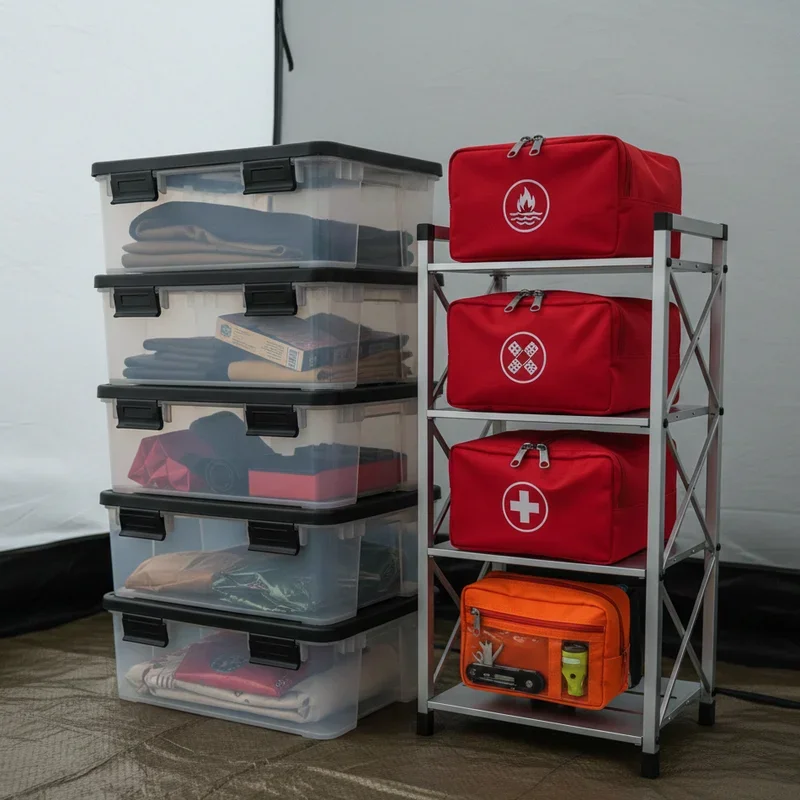
Transform camping chaos into organized efficiency through labeled bin systems that separate gear into logical categories enabling instant retrieval without searching! Assign dedicated bins to specific purposes including cooking equipment, sleeping gear, lighting and electronics, tools and repairs, and comfort items while clear labels eliminate guessing about contents. Consider transparent bins enabling visual identification alongside labels while consistent bin sizing simplifies vehicle packing through predictable dimensions. The category approach enables grabbing only needed bins for specific trips while the complete collection supports comprehensive expeditions requiring everything. These foundational systems demonstrate that camping organization begins with proper sorting while the labeled identification maintains order even when multiple family members access shared gear. Position most-used categories for easy access while seasonal or specialized equipment occupies less accessible storage positions.
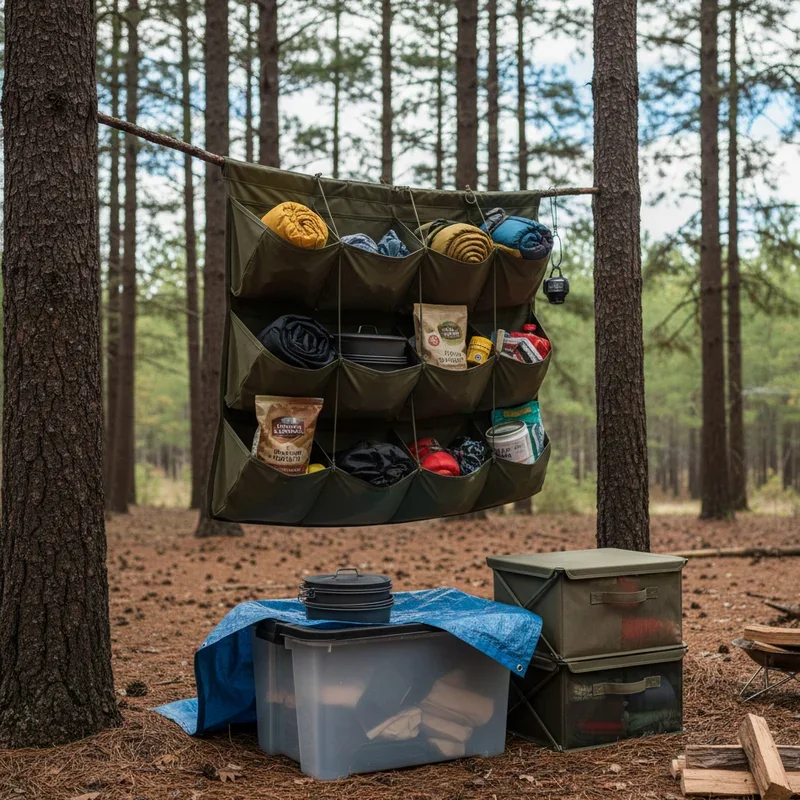
2. Hanging Organizer Solutions
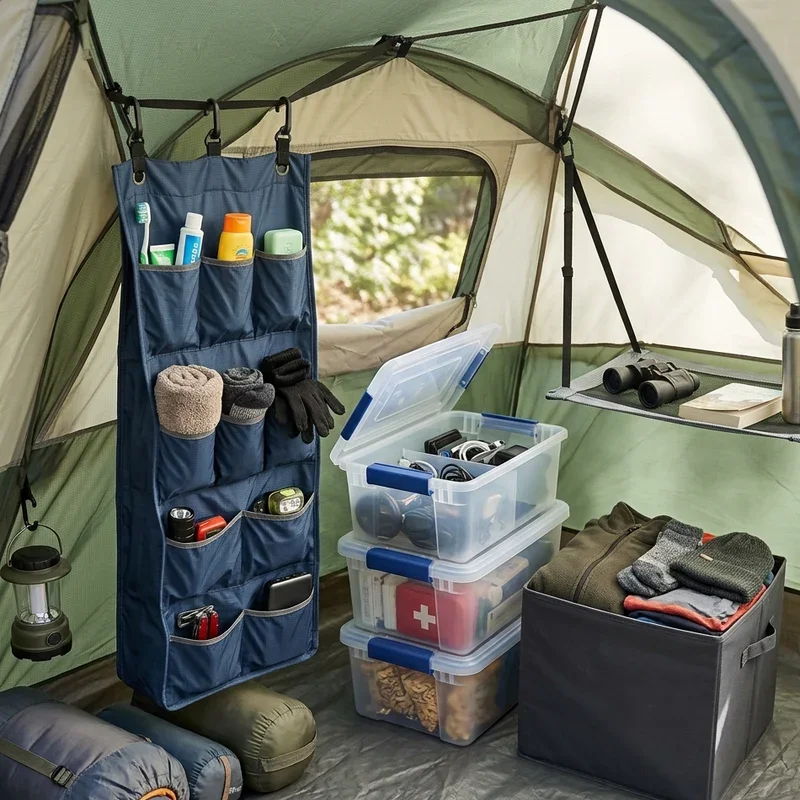
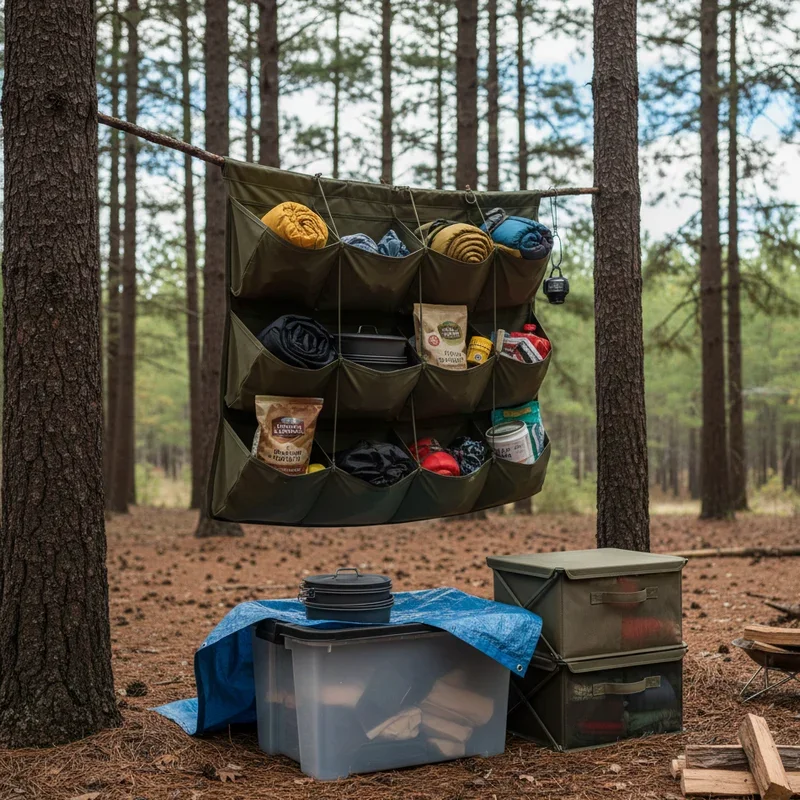
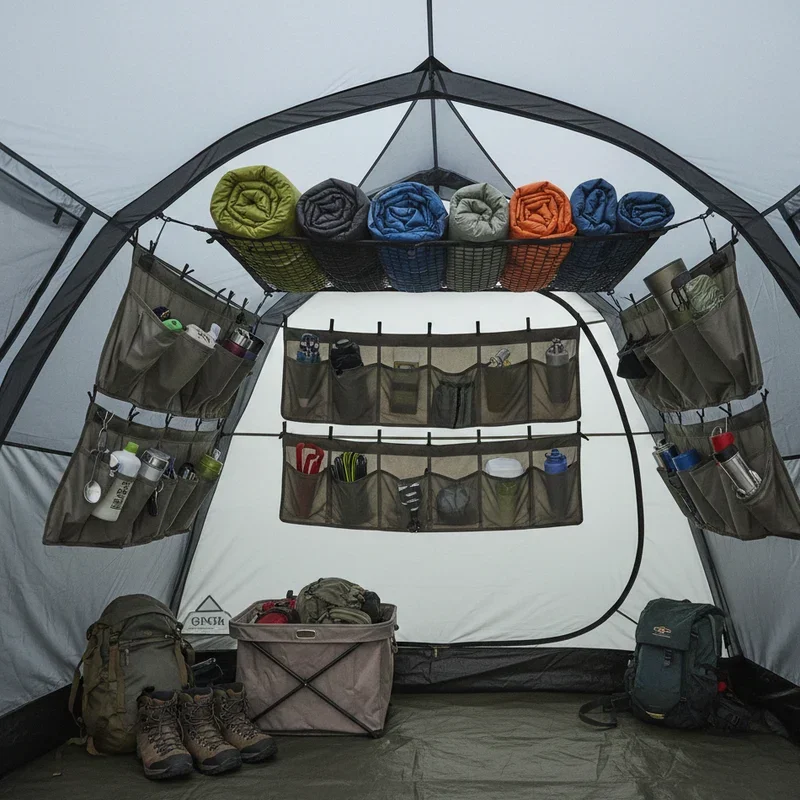
Maximize tent and campsite space through hanging organizers that utilize vertical surfaces for storage while keeping frequently needed items within easy reach! These fabric or mesh organizers hang from tent loops, tree branches, or dedicated hooks, creating accessible pockets for headlamps, phones, snacks, and countless small items that otherwise scatter across tent floors. Consider multipocket designs accommodating varied item sizes while the hanging position keeps contents visible and organized throughout camping duration. The vertical approach reclaims floor space for sleeping while the organized pockets prevent the midnight flashlight searches that disrupt campsite peace. These accessible solutions suit any camping style while the lightweight nature adds minimal pack weight for backpackers prioritizing every ounce. Pack hanging organizers where they're accessible upon arrival, enabling immediate setup that establishes organization from trip start.
3. Stackable Container Arrangements
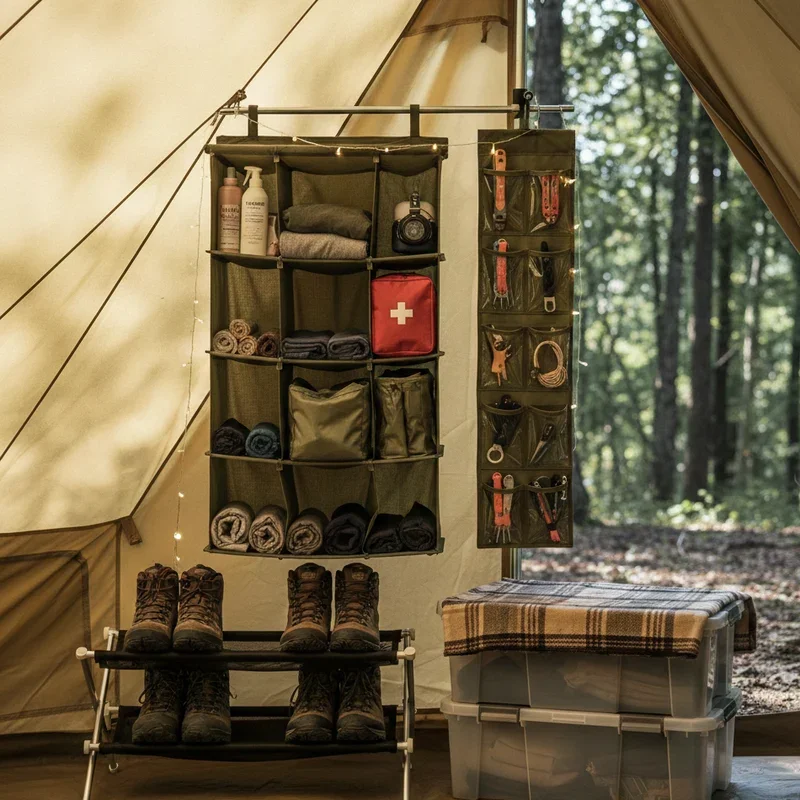
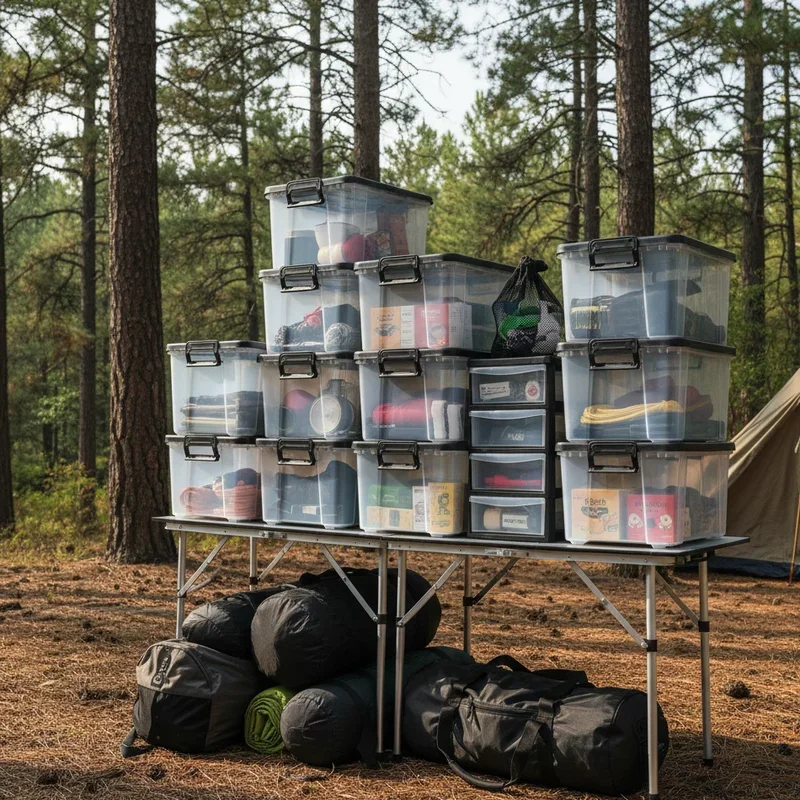
Optimize vehicle space through stackable container systems that create stable, space-efficient gear towers maximizing cargo capacity! Uniform container dimensions enable tetris-style packing where containers lock together, preventing shifting during transit while the vertical stacking utilizes full cargo height rather than just floor space. Consider containers with secure lids preventing spillage while the standardized sizing simplifies mental packing calculations before trips begin. The stackable approach enables accessing specific containers without complete vehicle unpacking while the stable towers survive winding mountain roads without avalanching. These practical systems suit car campers with significant gear quantities while the organized stacking creates satisfying visual order that random loading cannot achieve. Invest in quality containers whose durability justifies costs through years of reliable service rather than cheap alternatives requiring frequent replacement.
4. Vacuum Storage Bag Compression
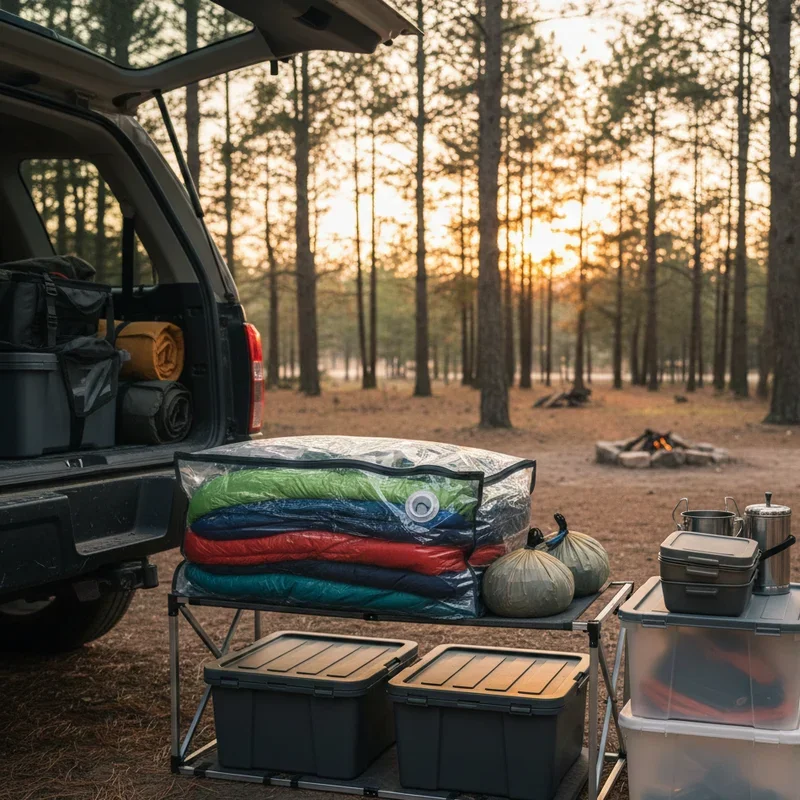
Dramatically reduce bulky item volumes through vacuum storage bags that compress sleeping bags, pillows, and clothing to fractions of original sizes! These space-saving solutions remove air from soft items, transforming puffy sleeping bags into flat packages that stack efficiently within limited storage spaces. Consider the substantial volume savings enabling carrying more gear or fitting camping supplies into smaller vehicles while the compression protects contents from moisture and dust during storage. The vacuum approach proves particularly valuable for seasonal storage when camping gear occupies closet space between trips while the compressed format enables storing more equipment in limited home spaces. These dramatic solutions suit campers with storage limitations while the visual transformation demonstrates impressive space recovery from bulky soft goods. Use quality bags preventing air leakage that would gradually re-expand compressed contents over storage duration.
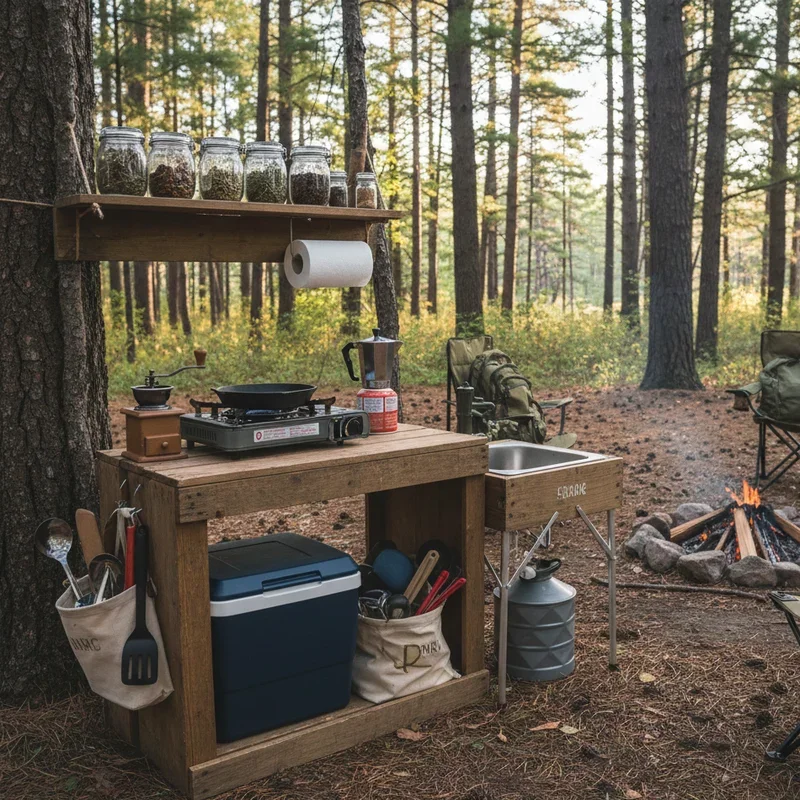
5. DIY Camp Kitchen Boxes
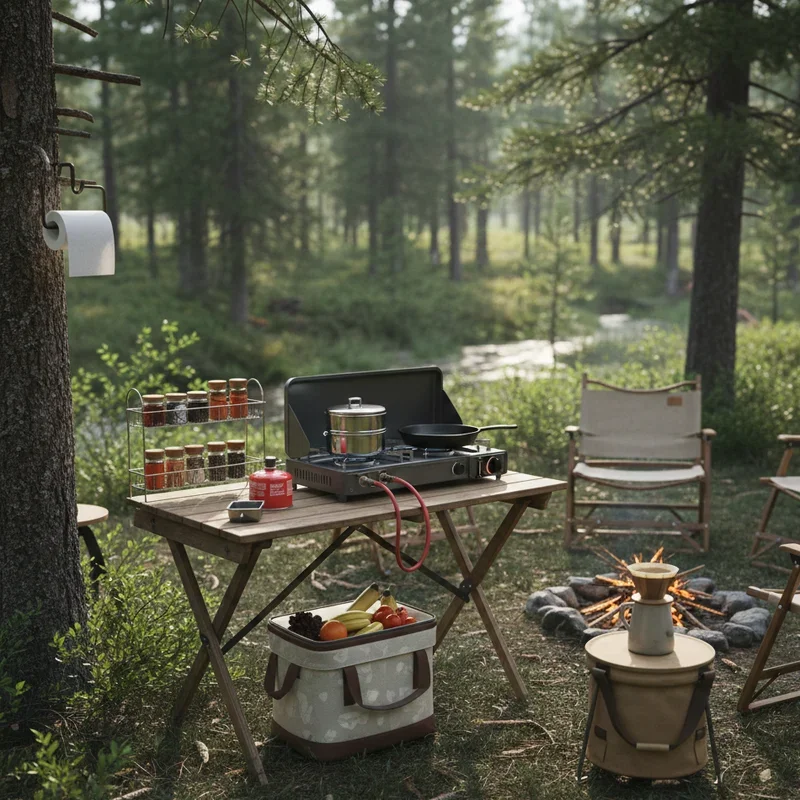
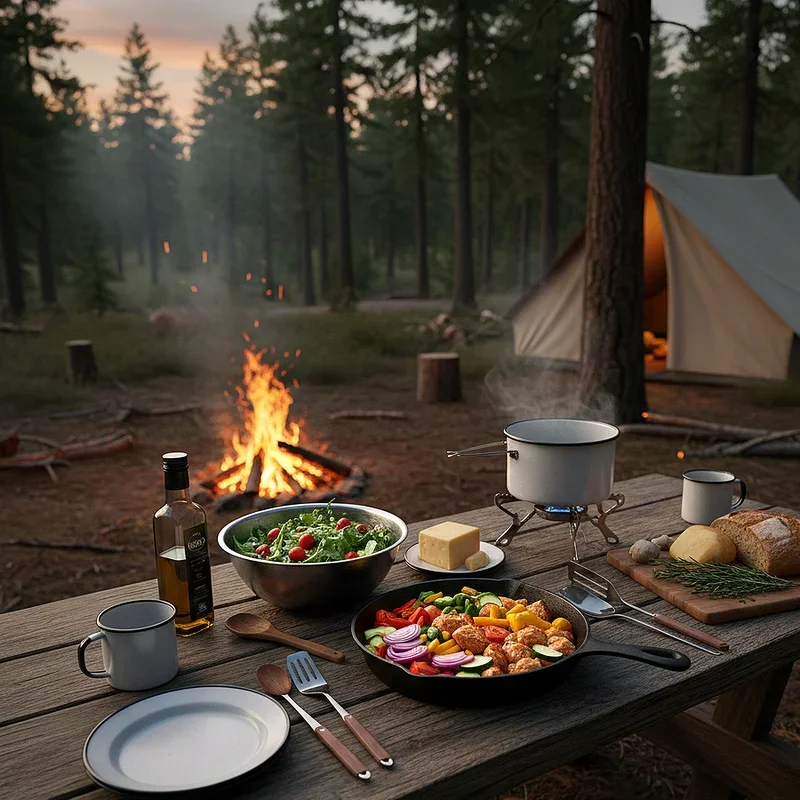
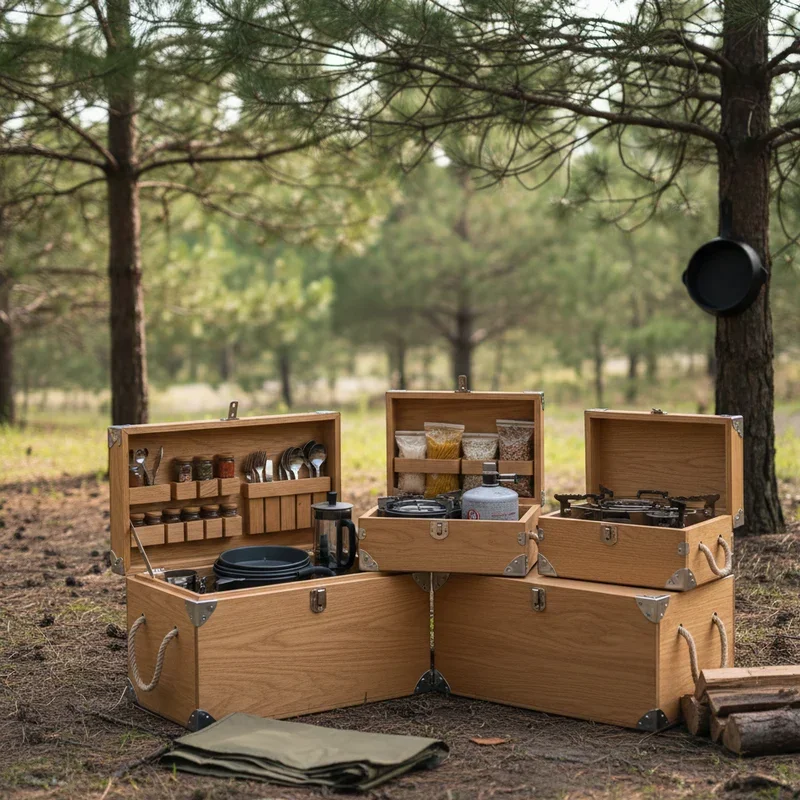
Streamline outdoor cooking through dedicated camp kitchen boxes that contain all cooking essentials in single grab-and-go packages! These organized containers hold stoves, fuel, cookware, utensils, spices, and cleaning supplies in logical arrangements enabling efficient meal preparation without searching through multiple bags for scattered cooking items. Consider building custom boxes matching your specific cooking style while commercial chuck boxes offer ready-made solutions requiring no construction. The dedicated approach ensures nothing gets forgotten since complete kitchens travel as single units while the organized interior enables finding specific items without emptying entire containers. Camp kitchen boxes suit serious outdoor cooks whose meal preparation extends beyond basic hot dogs while the comprehensive organization supports elaborate campsite cuisine. Return items to designated positions after each use, maintaining organization that prevents gradual descent into kitchen chaos.
6. Gear Loft Tent Organization
Utilize tent ceiling space through gear loft installations that create elevated storage platforms above sleeping areas! These mesh or fabric shelves attach to tent poles or loops, providing convenient overhead storage for items needed throughout the night including glasses, phones, books, and medications. The elevated positioning keeps items accessible without floor searching while the designated space prevents the scattered gear that makes tent interiors feel cluttered. Consider gear lofts as essential tent accessories rather than optional additions while the organizational benefits justify the minimal weight addition for backpackers. These simple solutions transform tent organization through utilizing otherwise wasted overhead volume while the consistent storage location enables finding items in darkness without fumbling. Install gear lofts during tent setup, establishing organization from occupation beginning rather than adding after disorder develops.
7. Vehicle Storage Optimization
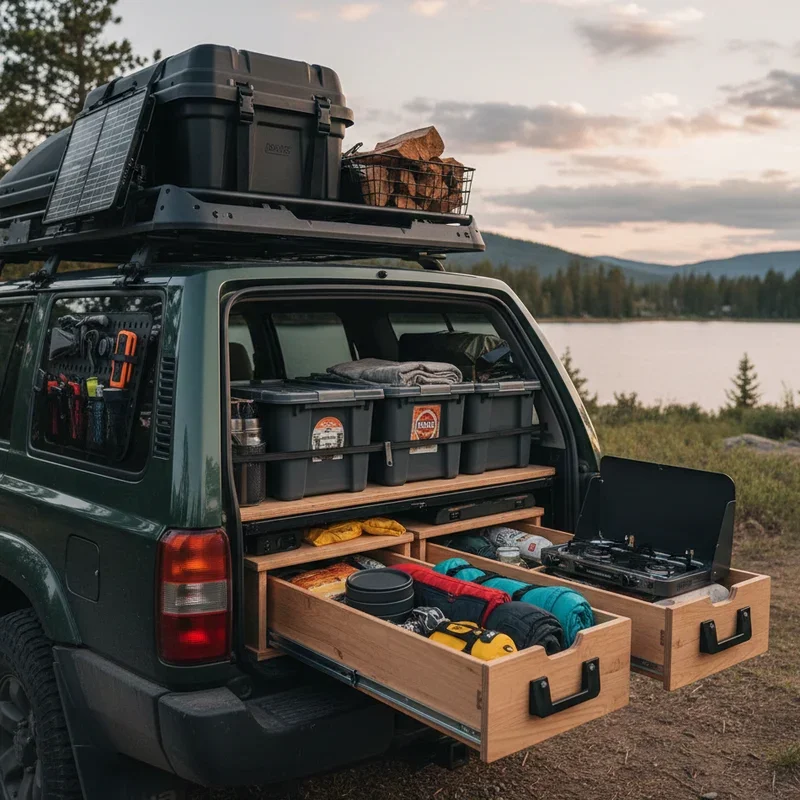
Maximize camping vehicle capacity through optimized loading strategies that utilize every available space efficiently! Consider roof storage expanding capacity beyond interior limits, door pocket organization for frequently accessed items, and seat-back systems utilizing passenger area vertical surfaces. The systematic approach identifies unused spaces while purpose-designed organizers transform awkward areas into functional storage. Vehicle optimization suits car campers whose gear quantities challenge available space while the strategic loading enables carrying more equipment without upgrading to larger vehicles. Map your specific vehicle's storage opportunities while custom solutions address unique spaces that universal products might miss. Load strategically with frequently needed items accessible without complete unpacking while heavy items position low for vehicle stability during transit.
8. Waterproof Dry Bag Systems
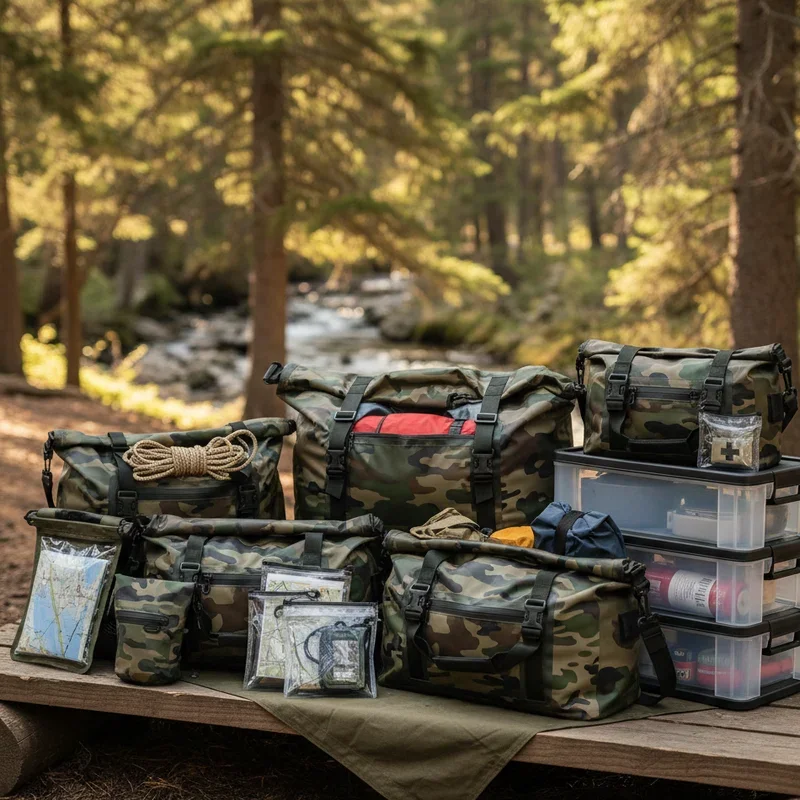
Protect gear from moisture damage through waterproof dry bag systems that safeguard sensitive equipment regardless of weather conditions or water crossings! These sealed containers protect electronics, clothing, sleeping bags, and any moisture-sensitive items from rain, river splashes, and accidental submersion. Consider varied sizes for different item categories while the waterproof nature enables worrying less about weather forecasts that might otherwise limit adventure options. The protection extends beyond camping into storage periods when garage humidity might otherwise damage unprotected gear while the durable construction withstands outdoor use demands. Dry bags suit any camping environment while water-adjacent activities including kayaking, rafting, and beach camping particularly benefit from waterproof protection. Invest in quality bags whose seals maintain integrity through years of use rather than cheap alternatives failing during critical moments.
9. Tool Roll Compact Solutions
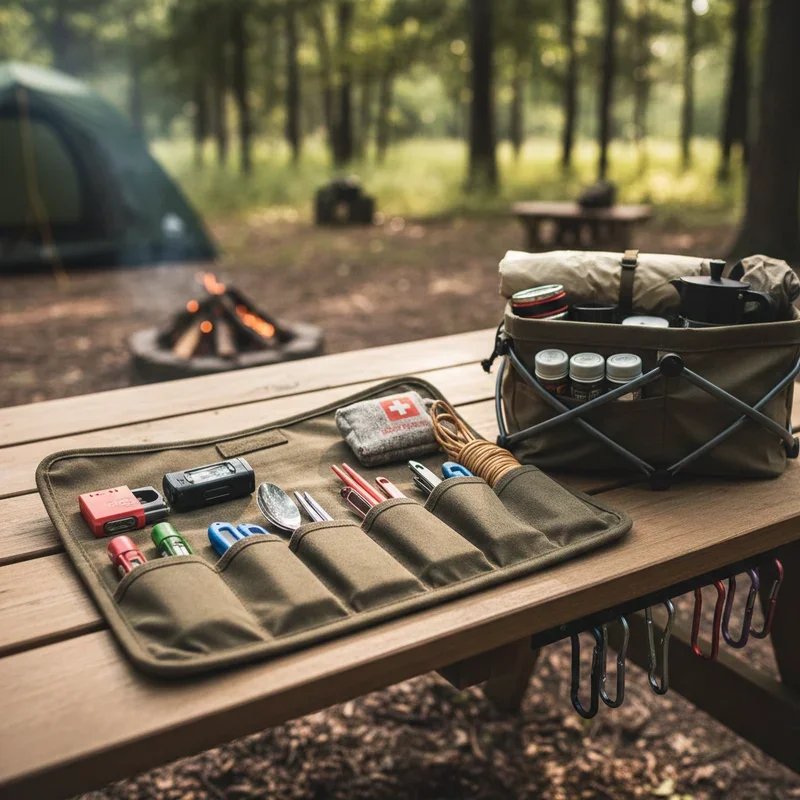
Organize small tools and accessories through roll-up systems that contain multiple items in compact, protected packages! Tool rolls provide individual pockets for stakes, multi-tools, repair kits, and countless small items that otherwise scatter throughout gear collections, losing themselves in larger container depths. Consider the visibility roll systems provide when opened flat, enabling scanning entire contents for specific items without digging while the rolled format protects items from damage during transit. The compact approach suits backpackers where every cubic inch matters while car campers appreciate the organized accessibility that prevents small item chaos. Tool rolls extend beyond literal tools into any small item category benefiting from individual pocket organization while the rolled storage prevents the tangling that loose items in shared containers experience.
10. Mesh Bag Sorting Methods
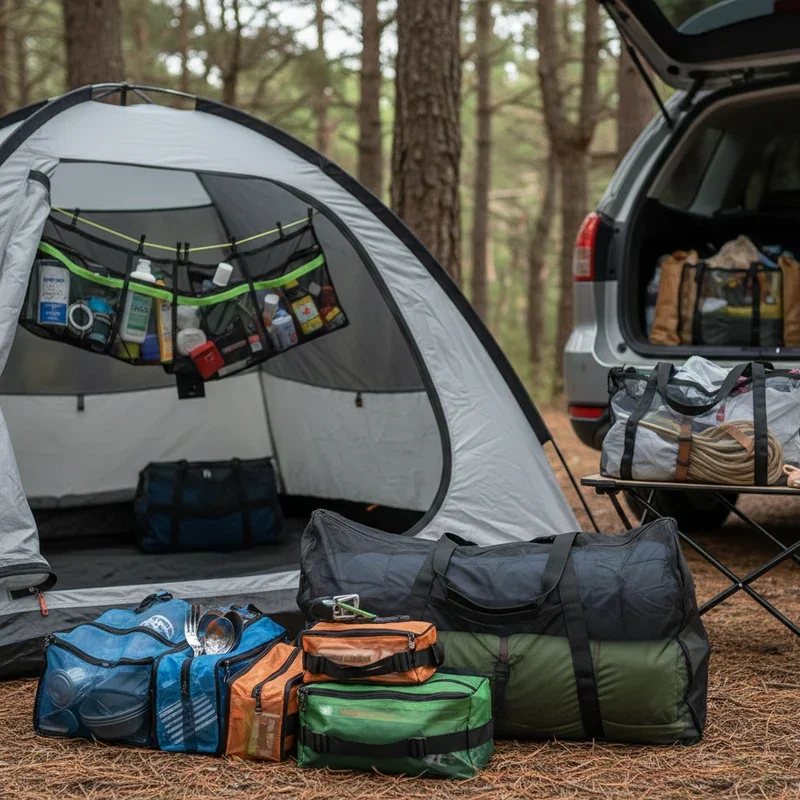
Enable visibility while maintaining organization through mesh bag systems that contain items while allowing visual identification without opening! These breathable containers suit items benefiting from air circulation including damp clothing, produce, and gear needing drying while the visible contents eliminate guessing about bag contents. Consider color-coding mesh bags by category, enabling visual sorting alongside the content visibility the mesh provides. The breathable nature proves particularly valuable for items stored while still damp, preventing mold growth that sealed containers might enable while the lightweight material adds minimal pack weight. Mesh systems suit campers who appreciate visual organization while the varied sizes accommodate different item categories from small accessories to bulky clothing collections. Pack mesh bags where the visibility benefits daily use rather than buried where the transparent nature provides no advantage.
11. Modular Packing Cube Approaches
Apply travel organization principles through packing cube systems that compartmentalize clothing and soft goods into organized, space-efficient packages! These rectangular containers enable packing varied items while maintaining category separation, preventing the jumbled clothing chaos that single-bag packing creates. Consider cubes sized for specific item types while the compression versions maximize space efficiency through built-in compression capabilities. The modular approach enables removing specific cubes without disturbing remaining contents while the organized extraction simplifies finding needed items during trips. Packing cubes suit any camping style while the systematic approach transfers from travel applications into outdoor adventure contexts seamlessly. Establish consistent packing patterns where specific cubes always contain specific items, creating muscle memory that speeds both packing and retrieval without conscious category consideration.
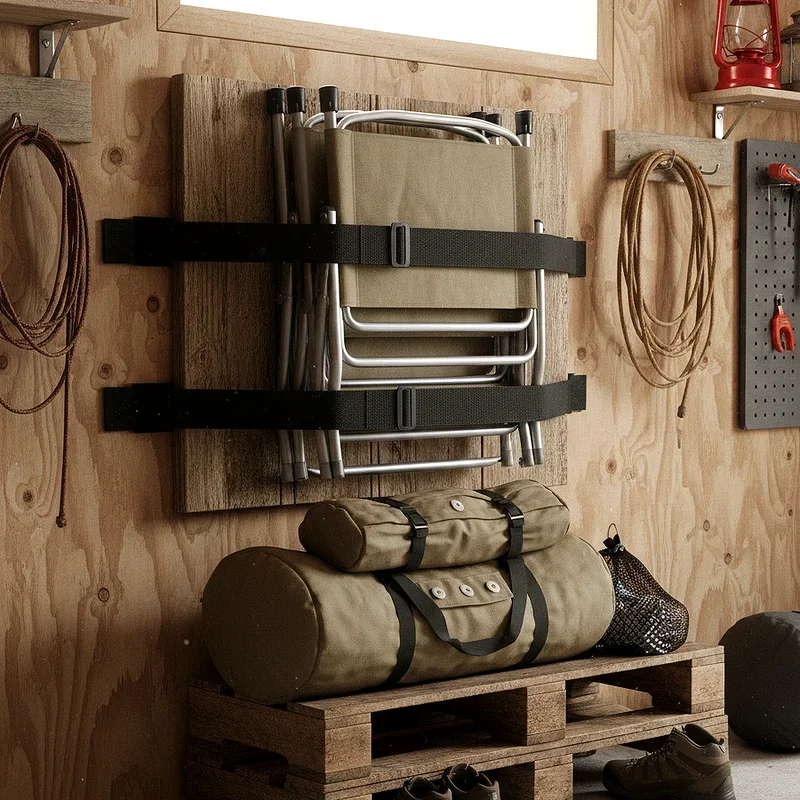
12. Garage Wall Mount Systems
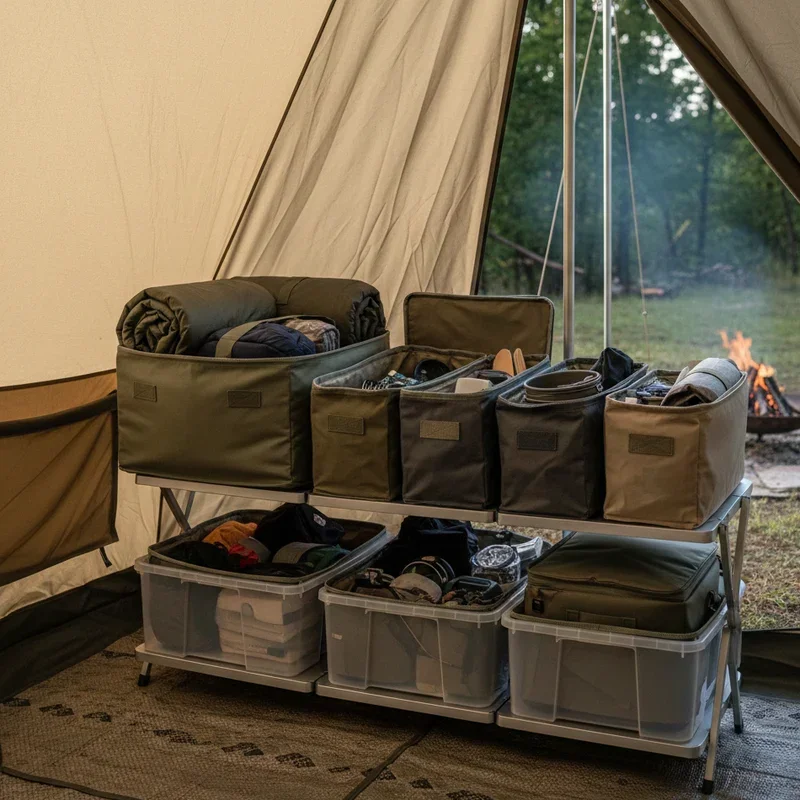
Reclaim garage floor space through wall mount systems that store camping gear vertically while keeping everything visible and accessible! Pegboard installations, slatwall systems, and dedicated hooks enable hanging tents, chairs, sleeping bags, and countless items along garage walls where vertical surfaces provide substantial storage capacity. The wall mounting keeps gear protected from floor-level moisture while the visible storage enables quick inventory assessment before trips without opening containers. Consider organizing wall space by category or trip type while the accessible positioning enables grabbing gear without moving obstacles blocking floor-stored equipment. These home storage solutions suit campers with garage access while the organized visibility prevents forgetting owned equipment during packing preparation. Install wall systems at heights enabling comfortable access while maximizing the vertical space garages typically provide.
13. Under-Bed Home Storage
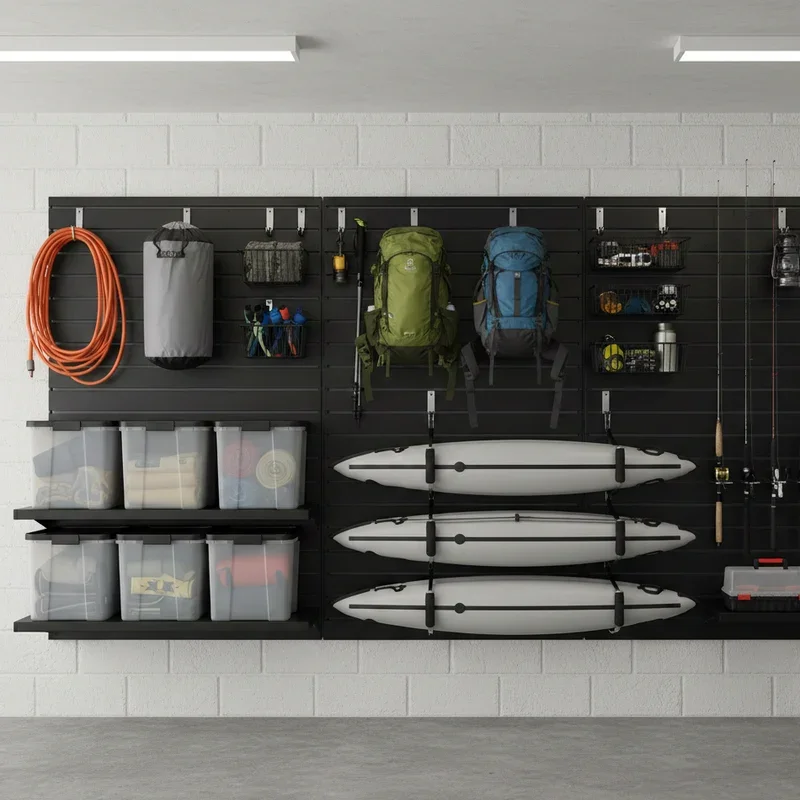
Utilize bedroom floor space through under-bed storage that keeps camping gear accessible while invisible during daily life! Flat containers designed for under-bed positioning accommodate sleeping bags, air mattresses, and seasonal gear within spaces otherwise contributing nothing to household storage capacity. Consider wheeled containers enabling easy pulling access while the hidden positioning keeps camping equipment separate from daily household items. The under-bed approach suits apartment dwellers lacking garage space while the accessible positioning enables quicker trip preparation than attic or distant closet storage provides. These space-maximizing solutions demonstrate that camping storage opportunities exist throughout homes while the bed-height clearance determines container sizing possibilities. Store frequently used items in under-bed positions while rarely accessed seasonal gear occupies less convenient locations within home storage hierarchies.
14. Checklist Integration Methods
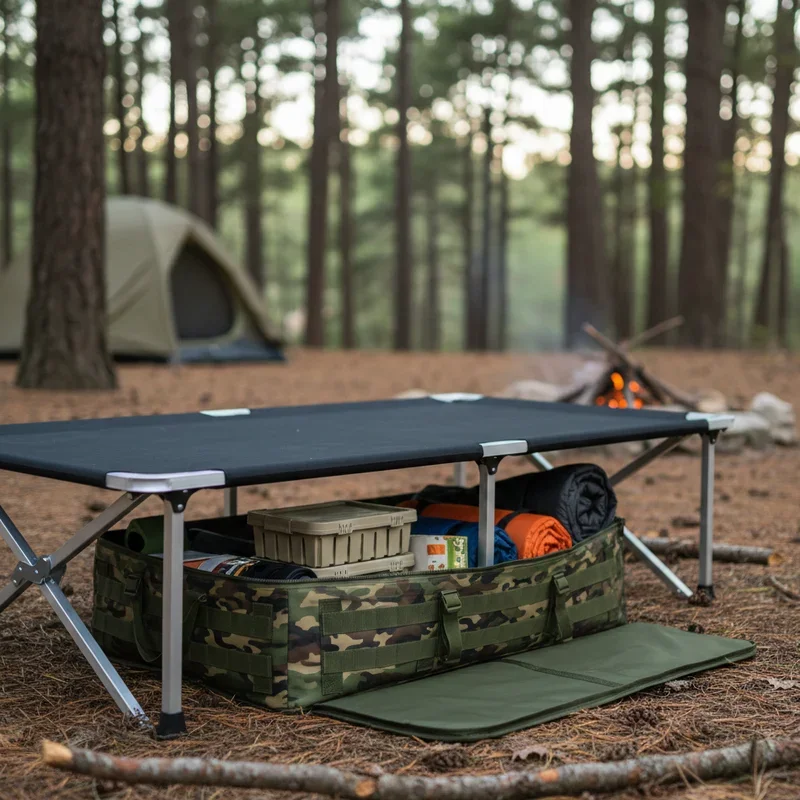
Prevent forgotten items through checklist systems integrated with physical storage organization ensuring nothing gets left behind! Maintain category-specific checklists corresponding to storage containers, enabling systematic packing verification that casual memory cannot reliably achieve. Consider laminated checklists attached directly to containers, enabling checking items as they're packed while the permanent attachment ensures lists remain with corresponding storage. The integration approach connects organizational systems with packing verification, creating comprehensive approaches addressing both storage and trip preparation simultaneously. Checklist methods suit detail-oriented campers while families benefit from systems preventing the inevitable forgotten essentials that disorganized packing creates. Update checklists after trips, adding items you wished you'd brought while removing equipment that consistently returns unused, continuously optimizing lists through accumulated experience.
15. Quick-Access Emergency Kits
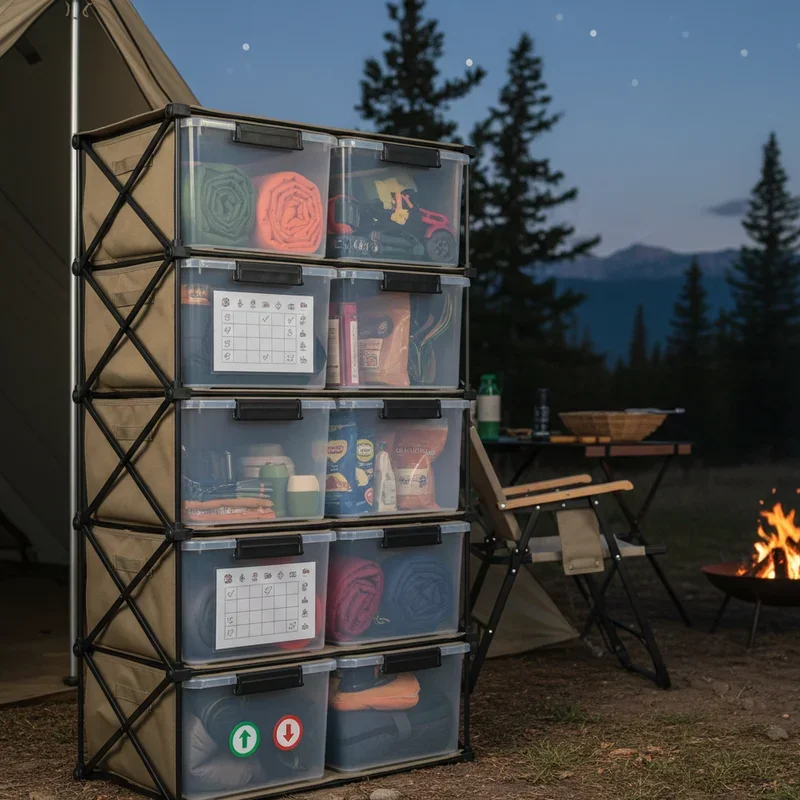
Maintain safety through dedicated emergency kits positioned for immediate access regardless of gear organization disruptions! First aid supplies, emergency communication devices, fire starters, and survival essentials deserve dedicated containers remaining accessible even when other gear stays packed or inaccessible. Consider the critical importance of immediate emergency access while the dedicated positioning ensures life-safety items never get buried beneath less essential equipment. Emergency kits suit all outdoor activities while the organized contents enable finding specific items during stressful situations when clear thinking may be compromised. Position emergency kits in consistent, memorable locations while the distinctive containers enable identification even in low-light emergency conditions. Check and replenish emergency supplies regularly, ensuring contents remain fresh and complete when hopefully never-needed situations arise.
Conclusion
Camping storage transforms outdoor adventures from chaotic gear scrambles into smooth experiences where organization enables focusing on nature's beauty rather than equipment management. From labeled bin systems to emergency kit positioning, these ideas address the complete range of storage challenges that camping enthusiasts face both at home and in the field. The investment in proper organization returns through protected gear lasting longer, faster trip preparation, and the peace of mind that comes from knowing exactly where everything is when you need it. Whether car camping with extensive equipment or backpacking with every ounce considered, storage systems reward attention through transformed outdoor experiences. Now assess your current chaos and start implementing the organization your camping adventures deserve!
Read next: 15 RV Camping Set Up Ideas for a Comfortable Trip
Frequently Asked Questions
Q1: How should I store camping gear between trips at home?
A: Store gear clean and dry in climate-controlled spaces; avoid damp garages or attics with temperature extremes.
Q2: What's the best way to organize a small camping vehicle?
A: Use stackable containers, roof storage, and door organizers; pack strategically with frequently needed items easily accessible.
Q3: How do I keep sleeping bags properly stored long-term?
A: Store sleeping bags loosely in large cotton sacks or hanging; avoid compressed storage which damages insulation loft.
Q4: Should I keep camping gear permanently packed?
A: Maintain dedicated camping containers ready to grab; replenish consumables after each trip for quick departure readiness.
Q5: How can I organize gear for different types of camping trips?
A: Create modular category bins; combine relevant bins for specific trip types without reorganizing entire gear collections.
Stay up to date with our latest ideas!