15 RV Camping Set Up Ideas for a Comfortable Trip
Transform your RV camping experience with these 15 setup ideas. Maximize comfort, organization, and convenience on every adventure you take.
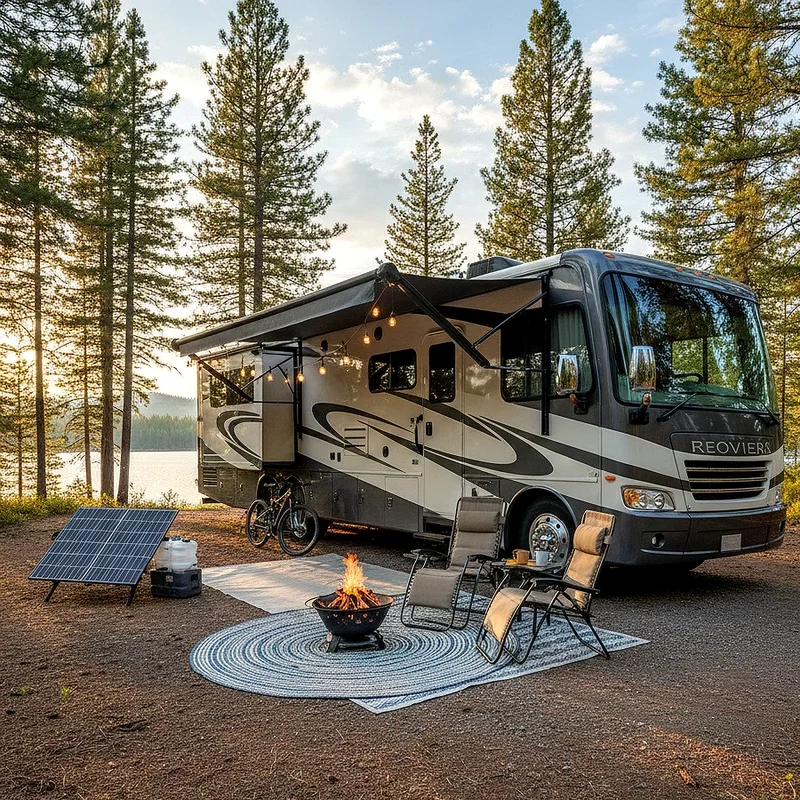
Have you ever arrived at a campsite only to realize your RV setup feels more chaotic than cozy? You're not alone in this struggle. Many RV enthusiasts dream of that perfect camping experience where everything just flows naturally, but achieving it requires more than just parking and hoping for the best. The difference between a stressful trip and a memorable adventure often comes down to how you organize and optimize your space. Think of your RV as a puzzle where every piece needs to fit perfectly to create the big picture of comfort. Whether you're a weekend warrior or a full-time nomad, smart setup strategies can transform your mobile home into a sanctuary on wheels. This guide walks you through fifteen practical ideas that'll elevate your camping game from basic to brilliant.
1. Create Designated Zones for Different Activities
Your RV becomes infinitely more livable when you assign specific purposes to different areas. Start by mapping out zones for cooking, relaxing, sleeping, and working before you even hit the road. This mental blueprint helps you avoid the common trap of clutter taking over your entire space. Think about traffic flow too, because nobody wants to squeeze past someone every time nature calls at midnight. Use rugs, curtains, or portable dividers to create visual boundaries between these zones. You'll find that psychological separation makes your RV feel larger than its actual square footage. Consider how you naturally move through your day and arrange zones accordingly for maximum efficiency and comfort.
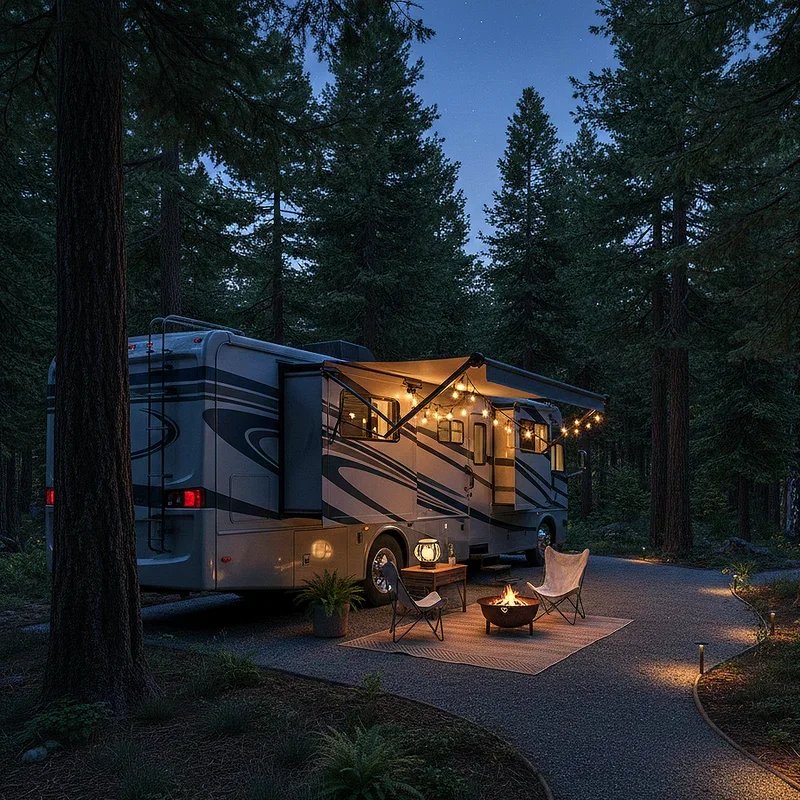
2. Install Outdoor Lighting for Evening Ambiance
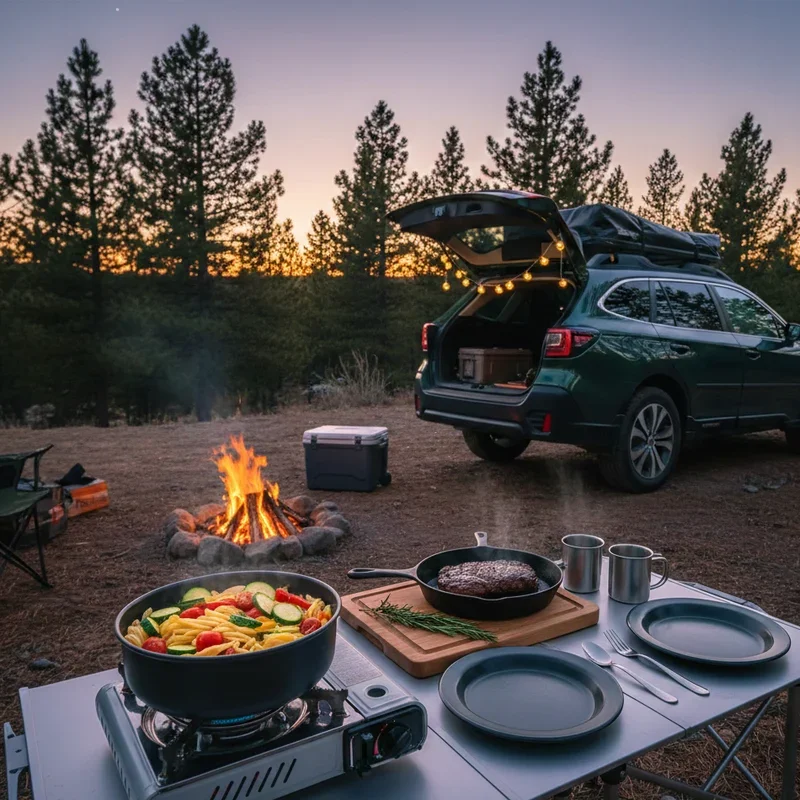
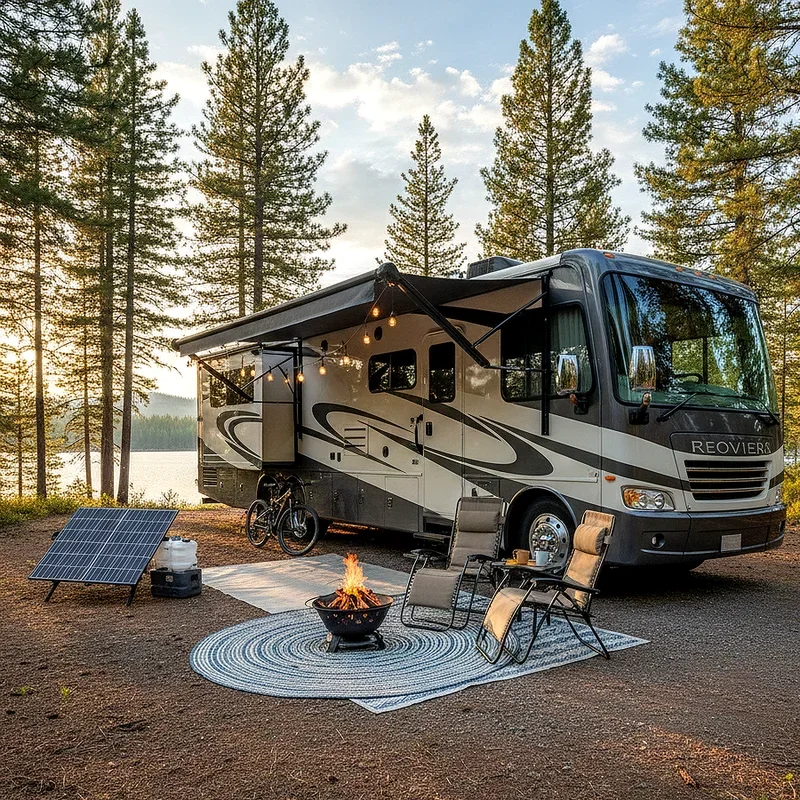
Nothing beats the magic of well-placed outdoor lighting when the sun goes down at your campsite. String LED lights around your awning or hang solar-powered lanterns from nearby trees to create an inviting atmosphere. These lights serve double duty by providing practical illumination and setting a relaxing mood for evening conversations. Motion-sensor lights near your RV entrance add both convenience and security without draining your battery. Consider color-changing options that let you adjust the vibe from bright white for cooking to warm amber for socializing. Don't forget ground-level pathway lights that prevent stumbling over tent stakes in the dark. Your neighbors might even compliment your setup at the next campfire gathering.
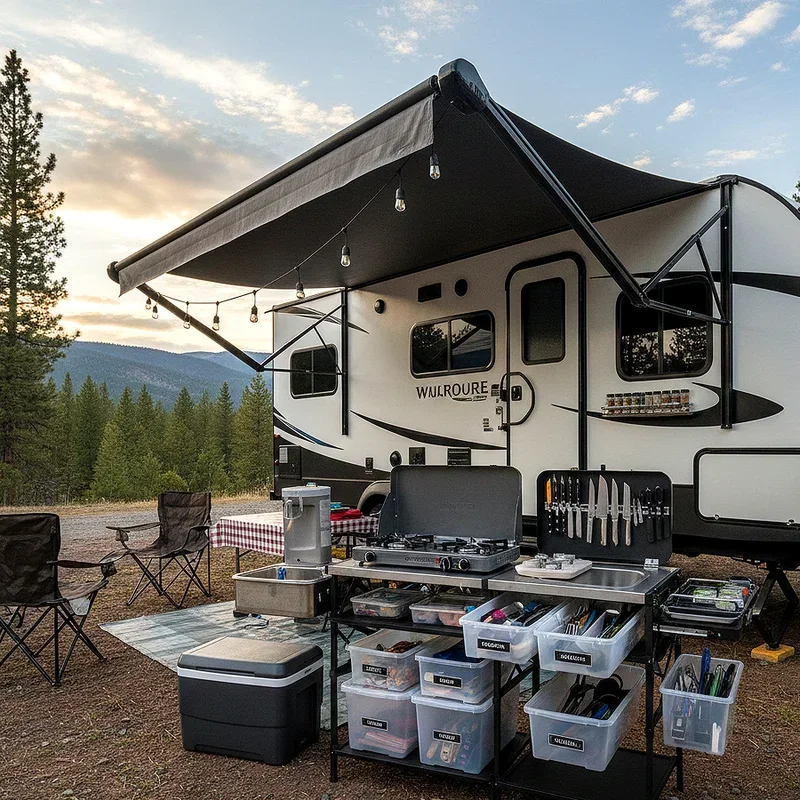
3. Set Up a Comprehensive Kitchen Organization System
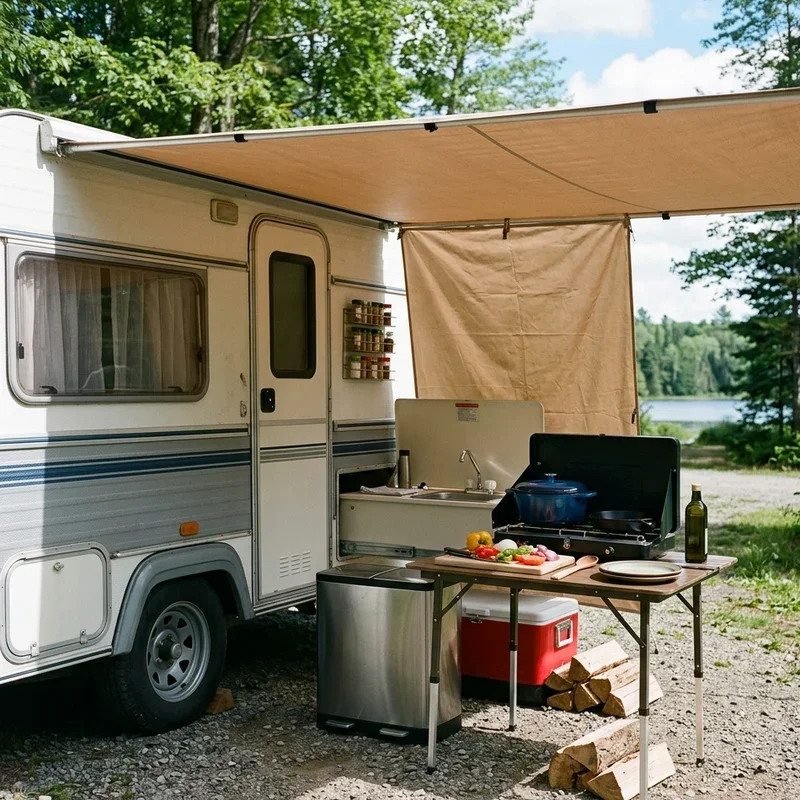
A chaotic RV kitchen can turn meal prep into a frustrating scavenger hunt through cabinets. Install drawer dividers, stackable containers, and magnetic spice racks to keep everything accessible and secure while driving. Use the inside of cabinet doors for storing lightweight items like measuring cups or pot holders. Tension rods work wonders for creating vertical storage in cabinets, preventing dishes from sliding around during transit. Label everything clearly so family members or travel companions can find ingredients without asking repeatedly. Keep your most-used items within easy reach and store occasional-use appliances in harder-to-access spots. A well-organized kitchen means less stress and more time enjoying your destination.
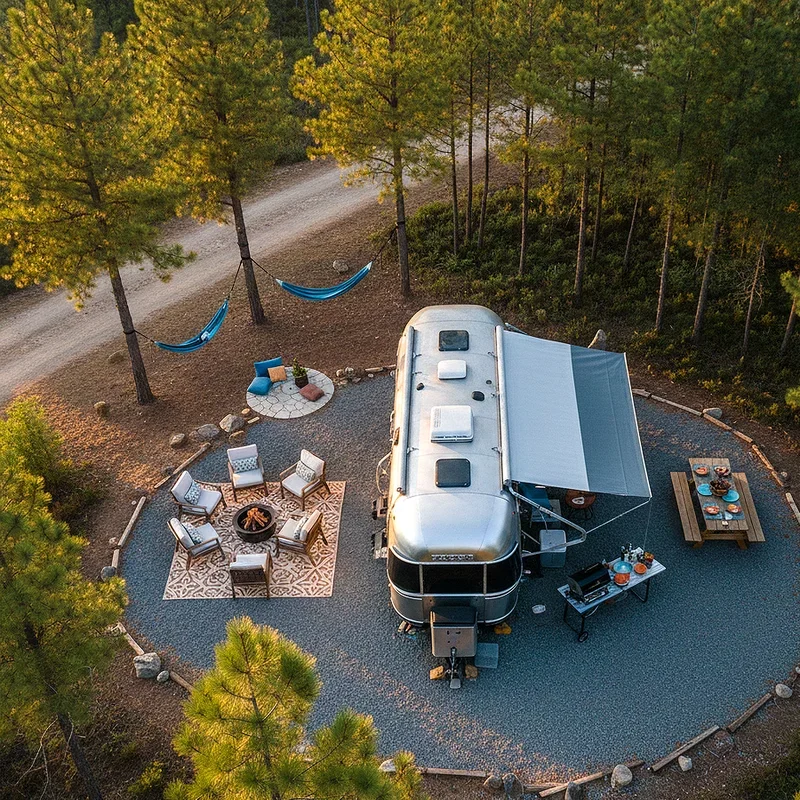
4. Design a Comfortable Outdoor Living Space
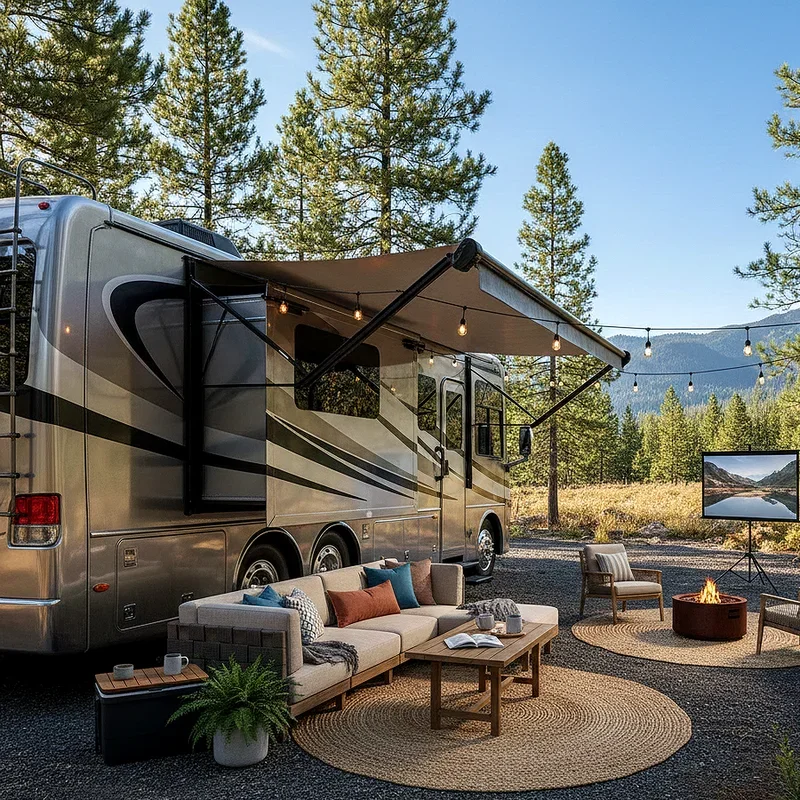
Your campsite isn't complete without an inviting outdoor area that extends your living space beyond the RV walls. Start with a quality outdoor rug that defines your territory and keeps dirt from tracking inside constantly. Add comfortable folding chairs with cushions, a portable table, and maybe even a hammock strung between trees. Consider a pop-up canopy for shade during hot days or shelter during unexpected drizzles. Outdoor storage boxes can hold games, books, and supplies while doubling as extra seating when guests arrive. Create multiple seating arrangements to accommodate different activities like morning coffee, afternoon reading, or evening stargazing. This outdoor room becomes your favorite spot for making memories under open skies.
5. Implement Smart Storage Solutions Throughout
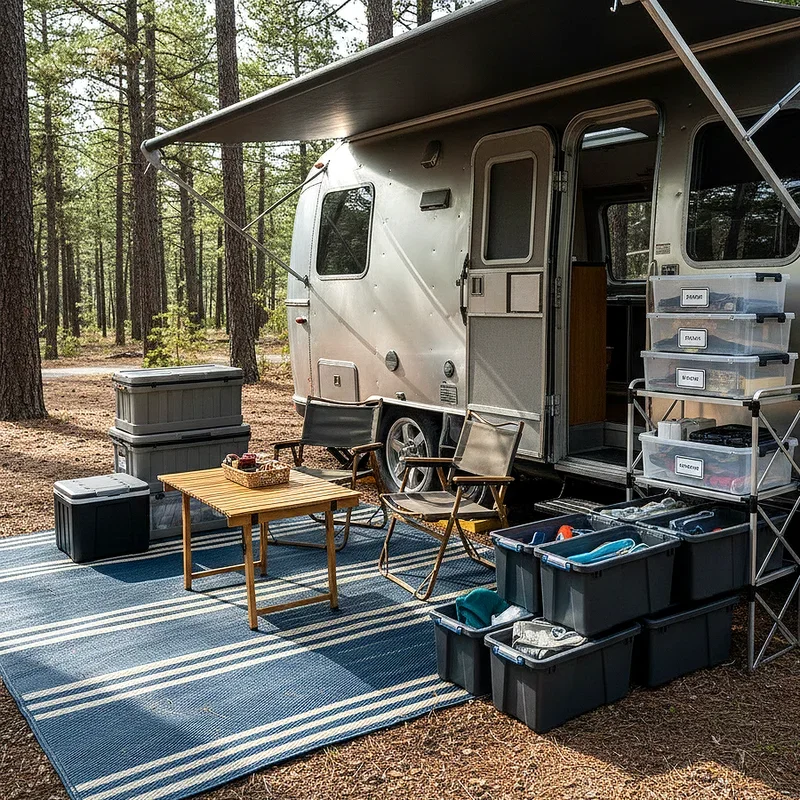
Every RV owner battles the eternal challenge of fitting ten pounds of stuff into a five-pound space. Maximize vertical space with hanging organizers on doors and walls for shoes, toiletries, and cleaning supplies. Invest in collapsible items like bowls, colanders, and laundry baskets that shrink when not in use. Under-bed storage containers keep seasonal clothing and extra linens organized without wasting valuable closet space. Use vacuum-sealed bags for bulky items like winter jackets or extra bedding to reduce their volume significantly. Hook systems and magnetic strips can hold everything from keys to kitchen knives securely. Remember that everything needs a designated home, or chaos inevitably takes over your carefully planned space.
6. Establish a Mudroom Area at the Entrance
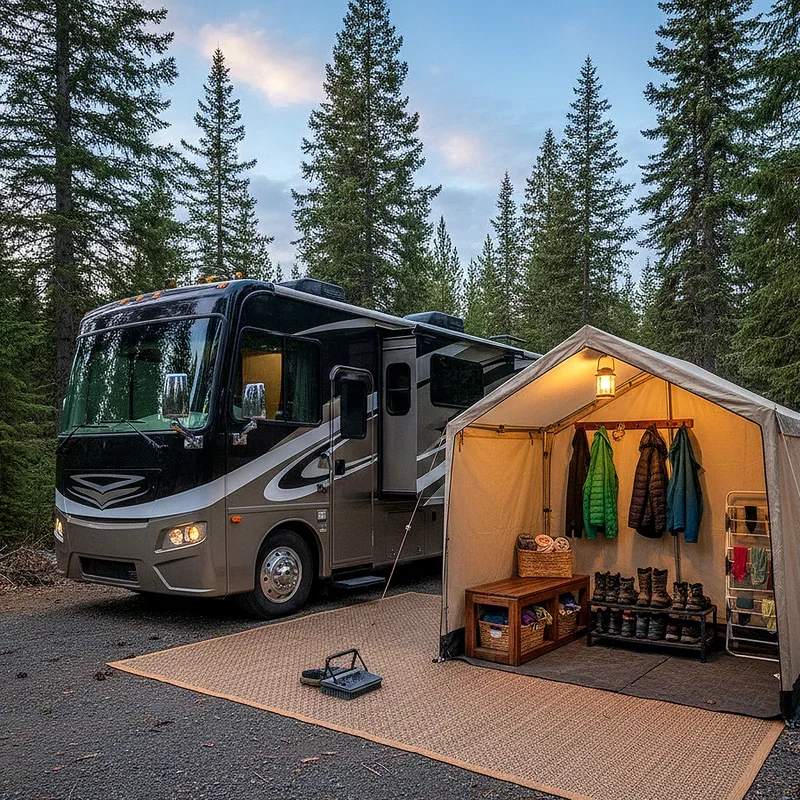
Creating a transition zone at your RV entrance prevents the great outdoors from invading your clean interior. Place a boot tray just inside or outside the door to contain muddy shoes and wet gear. Install hooks at varying heights for coats, hats, and backpacks so everyone's belongings stay organized. A small bench or stool makes removing shoes easier and provides temporary seating when needed. Keep a hand broom and dustpan nearby for quick cleanups before dirt spreads throughout your space. Consider a doormat both inside and outside to catch debris at multiple checkpoints. This dedicated area maintains cleanliness and establishes a routine that becomes second nature to all travelers sharing your RV adventure.
7. Arrange a Cozy Sleeping Environment
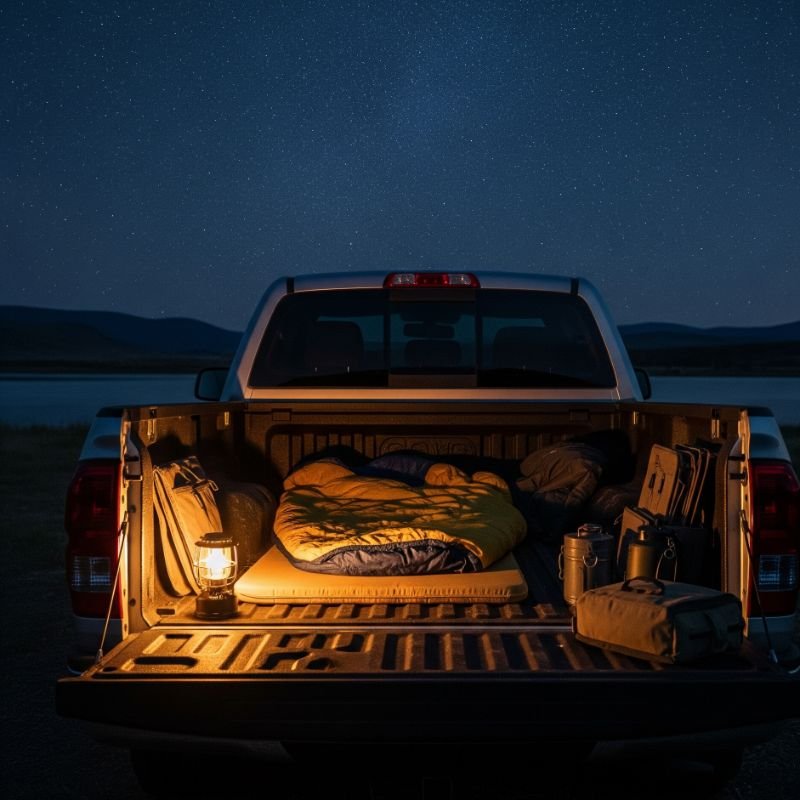
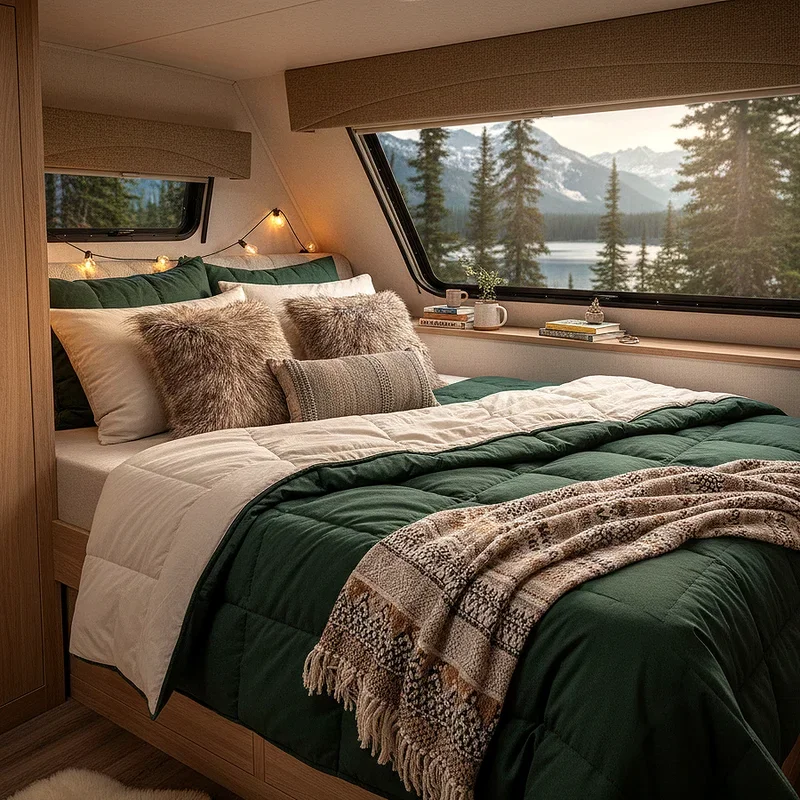
Quality sleep makes or breaks your camping experience, so invest time in perfecting your sleeping setup. Layer your mattress with a memory foam topper and high-quality sheets that feel luxurious even in the wilderness. Blackout curtains or window covers help you sleep past sunrise and maintain privacy from curious neighbors. Install small reading lights above each sleeping area for late-night book lovers who don't want to disturb partners. Consider a white noise machine or app to mask campground sounds like generators or early-morning birds. Temperature control matters too, so have extra blankets for cold nights and a portable fan for warm ones. Your bedroom should feel like a restful sanctuary.
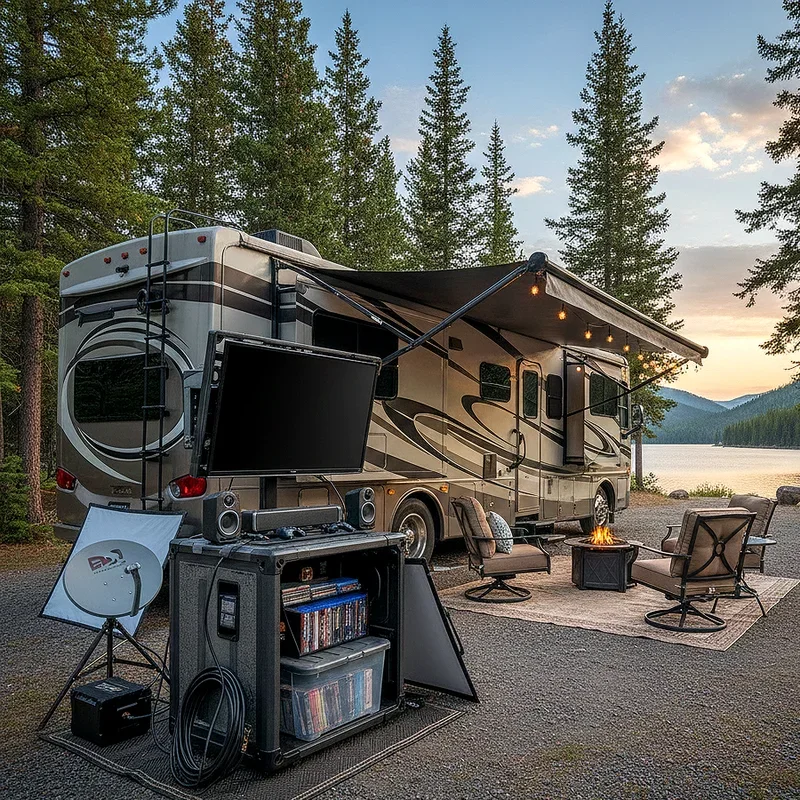
8. Organize a Mobile Entertainment Center
Downtime at camp calls for entertainment options that don't require electricity or perfect weather conditions. Create a media station with tablets loaded with downloaded movies, e-books, and games for offline enjoyment. Store board games, playing cards, and puzzle books in a dedicated bin that's easy to grab when boredom strikes. A portable Bluetooth speaker brings music to both indoor and outdoor spaces without complicated wiring. Consider a projector and collapsible screen for movie nights under the stars that'll make you the campground's coolest neighbor. Keep hobby supplies organized whether that's knitting, sketching, or model building for pursuing personal interests during quiet moments. Entertainment variety ensures everyone finds something enjoyable regardless of age or preferences.
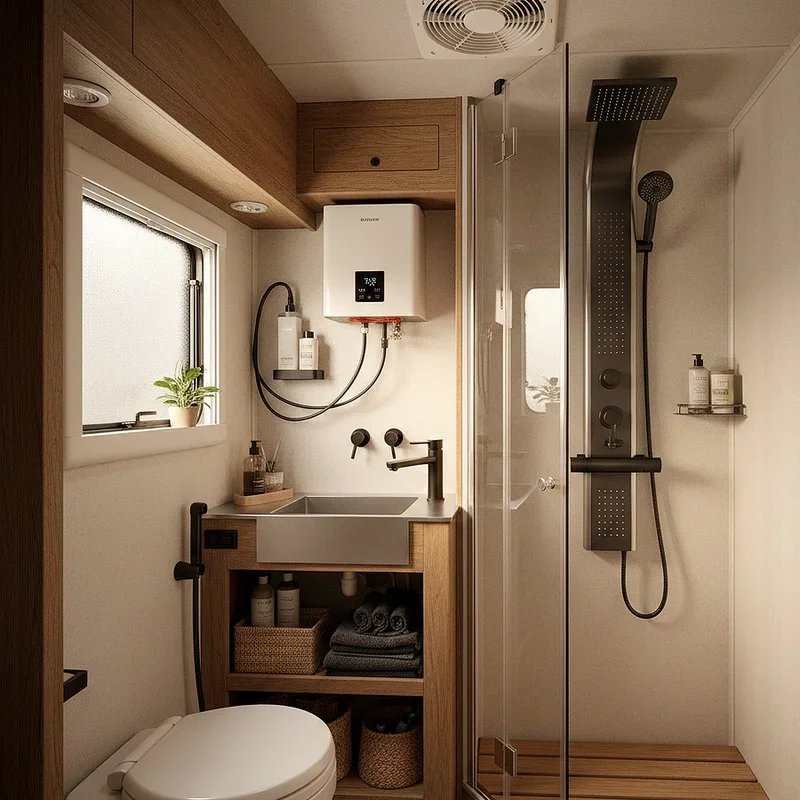
9. Create an Efficient Bathroom Setup
A well-organized bathroom prevents morning chaos when multiple people need to get ready simultaneously. Use over-the-door organizers, suction cup shelves, and shower caddies to maximize limited space. Keep toiletries in clear containers so you can see when supplies run low before emergencies happen. Install a tension rod shower curtain that actually keeps water contained instead of flooding the floor. Dedicate specific hooks for each person's towel to avoid the dreaded damp towel confusion. Consider a handheld showerhead for easier cleaning and rinsing, especially if you have pets or kids. Stock quick-dry towels that take up less space and actually dry between uses in humid conditions.
10. Set Up a Flexible Dining Area
Your RV dining space needs to adapt seamlessly from breakfast bar to workspace to game table throughout the day. Choose a table with adjustable height or removable leaves that accommodate different activities and group sizes. Add seat cushions that provide comfort during long meals or extended card games with fellow campers. Install fold-down tables or trays that create extra surface area when needed then disappear when space is tight. Keep placemats, napkins, and basic table settings in a nearby drawer for quick setup without rummaging through cabinets. Consider lap desks for times when the table is occupied but someone needs a flat surface elsewhere. Flexibility transforms one area into multiple functional spaces without requiring additional square footage.
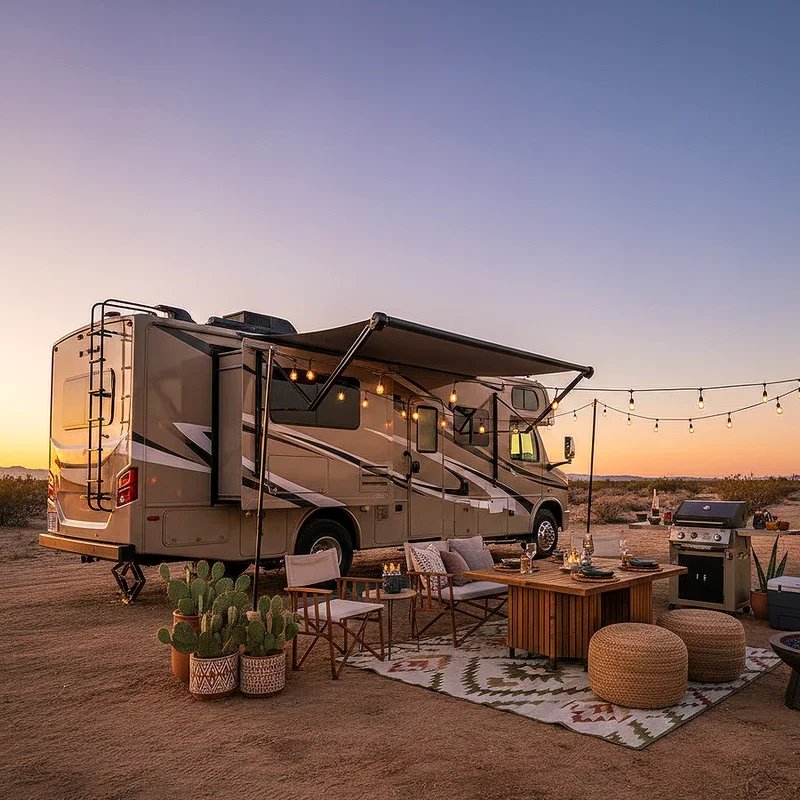
11. Install Weather Protection Elements
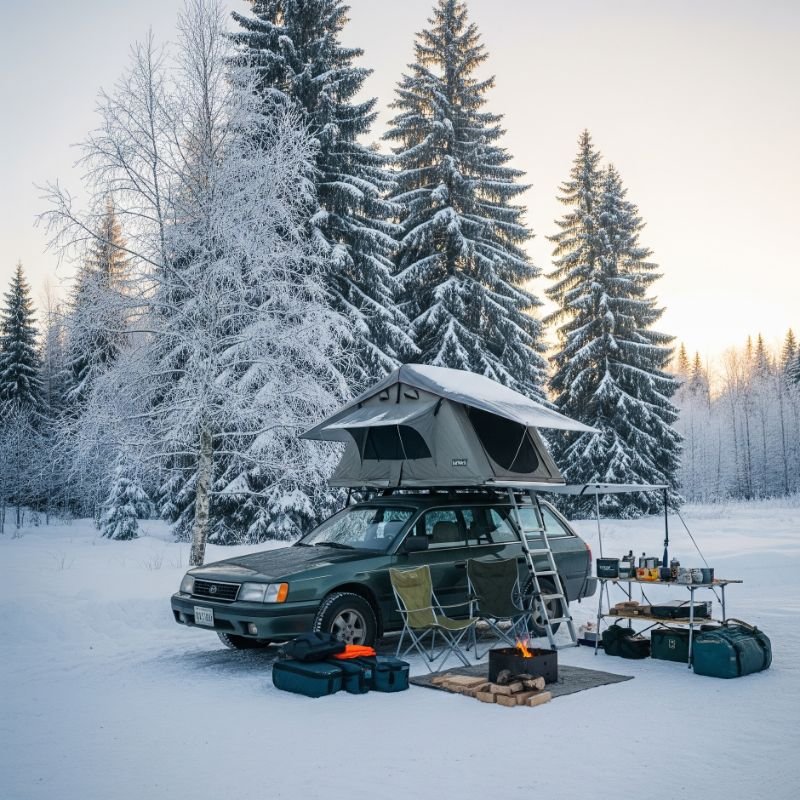
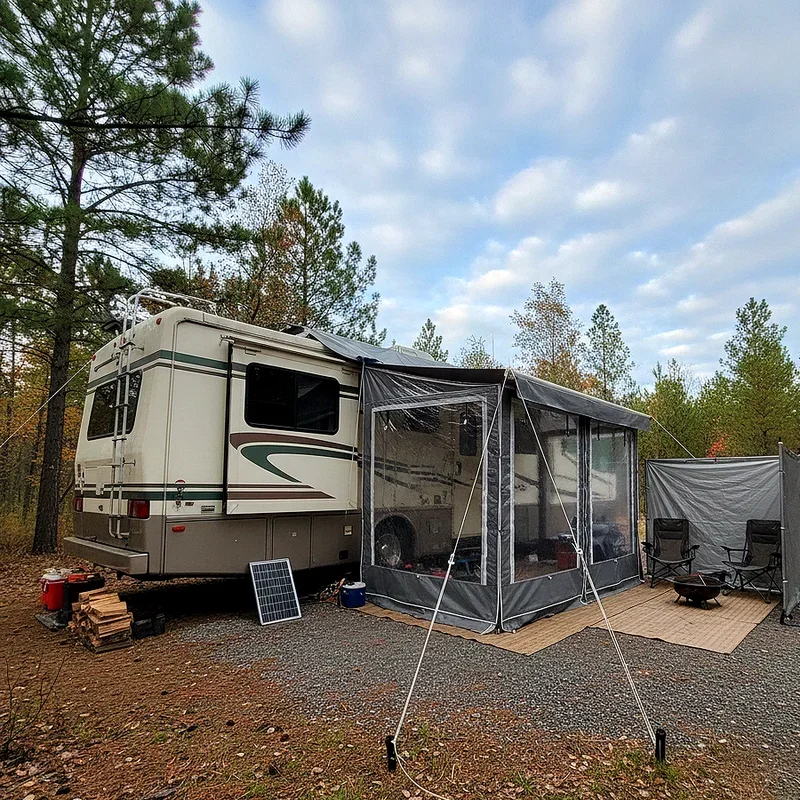
Mother Nature doesn't always cooperate with camping plans, so prepare your setup for whatever conditions arise. Invest in a quality awning with adjustable arms that provide shade during scorching afternoons or shelter during light rain. Add side panels or windbreaks that block gusty conditions without completely closing off your outdoor space. Weatherproof storage containers keep gear dry even when surprise storms roll through at midnight. Apply rain guards above windows and vents so you can maintain airflow even during showers. Secure outdoor items with bungee cords or tie-downs that prevent them from becoming projectiles in strong winds. Being weather-ready means you can enjoy your trip instead of constantly worrying about the forecast.
12. Design a Pet-Friendly Space
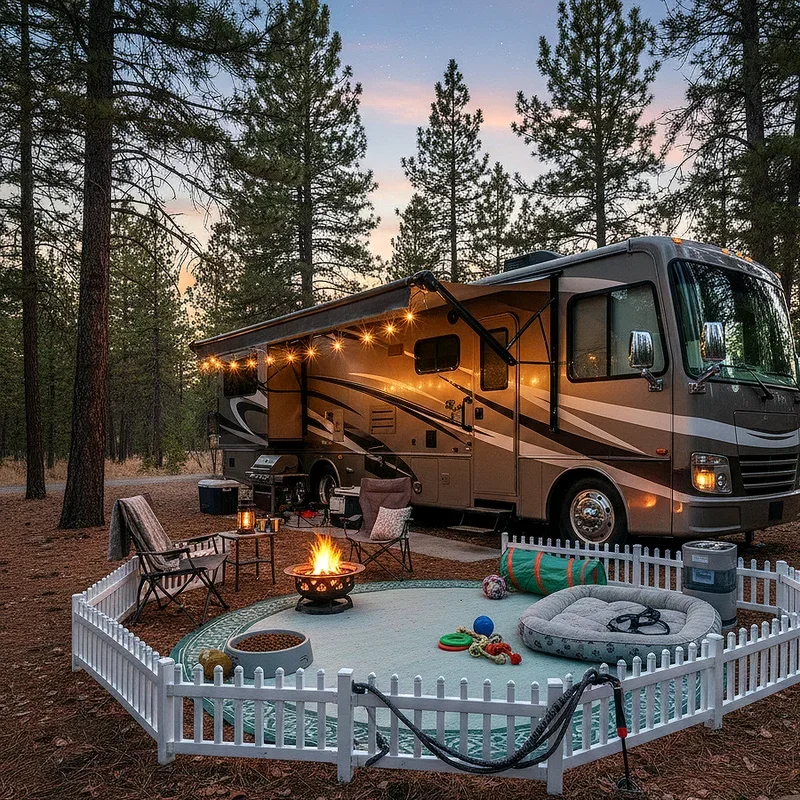
Furry companions deserve their own comfortable setup that keeps them happy and your RV protected from damage. Designate a specific sleeping area with a washable bed that contains pet hair and dander. Install a tie-out station outside where pets can safely enjoy fresh air without constant supervision. Keep food and water bowls in a mat or tray that catches spills before they soak into carpet or flooring. Store pet supplies like leashes, toys, and grooming tools in a dedicated bin that's always accessible. Consider a portable fence or exercise pen for creating a safe outdoor play area at any campsite. Create a cleanup station near the door with wipes, towels, and a brush for managing muddy paws immediately.
13. Establish a Utility Management Station
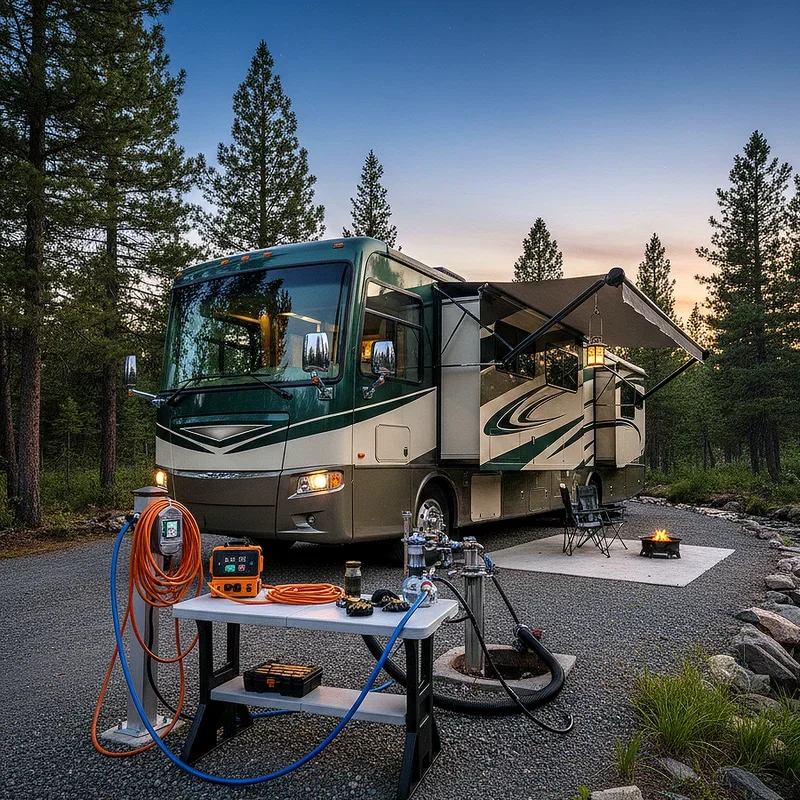
Staying connected and powered requires organizing all your charging cables, adapters, and utility connections in one accessible location. Create a charging station with a power strip specifically for phones, tablets, cameras, and other essential devices. Label all cables and cords to eliminate the frustration of grabbing the wrong charger repeatedly. Store extra batteries, portable power banks, and flashlights together so they're findable during emergencies or power outages. Keep your water hose, electrical adapters, and sewer connections organized in a separate bin that stays outside your living area. Monitor your propane levels, battery status, and tank capacities regularly using a checklist system. Utility management prevents those panic moments when you realize something critical isn't charged or connected properly.
14. Create a Personal Workspace Corner
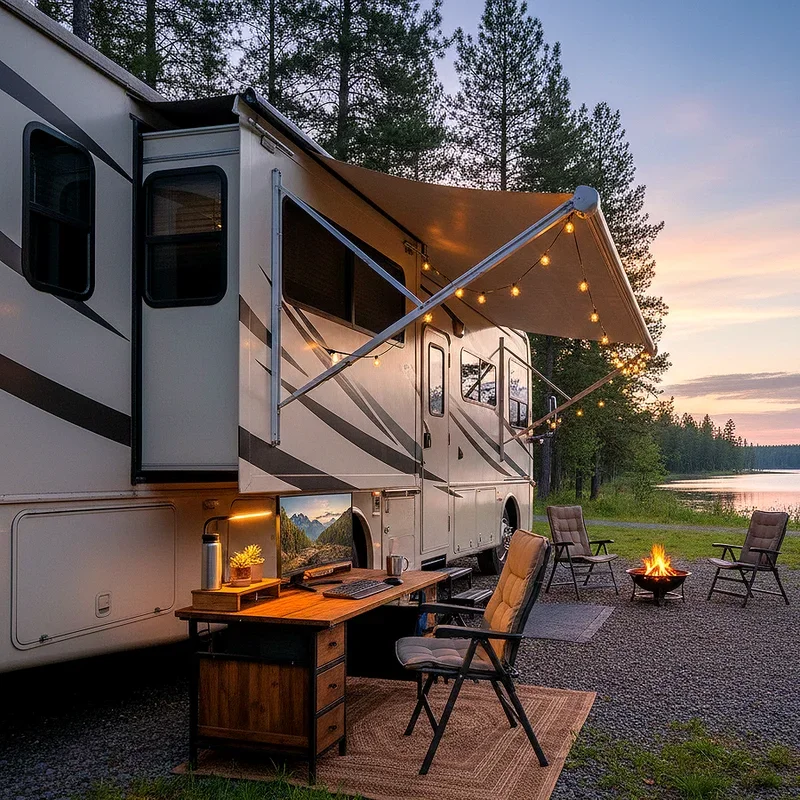
Remote work and digital nomad life mean many RV travelers need functional workspace that doesn't sacrifice comfort. Carve out a dedicated desk area with proper lighting and ergonomic seating that supports productivity during work hours. Install shelving or organizers specifically for office supplies, files, and equipment that stays separate from recreational items. Ensure reliable internet connectivity through mobile hotspots, signal boosters, or campground WiFi that meets your professional needs. Set boundaries around this workspace so it transitions from office mode to relaxation mode when work ends. Consider noise-canceling headphones for video calls when the campground gets lively or your travel companions are enjoying their day. A defined workspace helps maintain work-life balance even when your office has wheels and changes locations regularly.
15. Set Up Emergency and Safety Systems
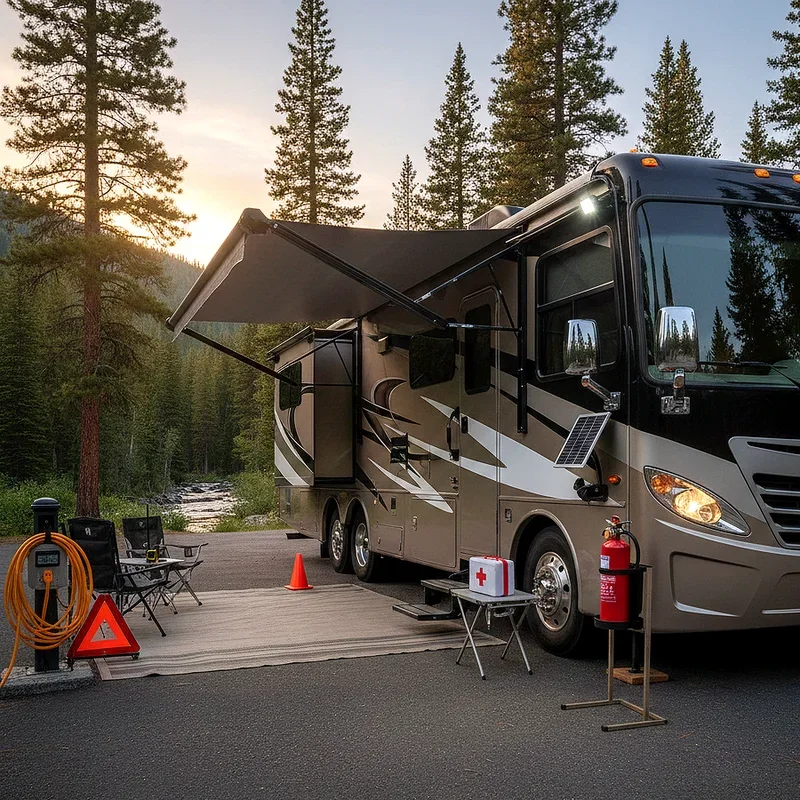
Preparation for emergencies transforms potential disasters into manageable inconveniences that don't ruin your entire trip. Install smoke detectors, carbon monoxide alarms, and fire extinguishers in accessible locations throughout your RV. Create a first aid kit stocked with medications, bandages, and supplies specific to your family's needs and medical conditions. Keep emergency contact information, campground details, and important documents in a waterproof folder that's easy to grab quickly. Store basic tools, duct tape, and repair supplies for addressing minor issues before they become major problems. Develop an evacuation plan that everyone understands in case you need to leave your RV quickly. Safety preparations provide peace of mind that lets you fully relax and enjoy your camping adventures.
Conclusion
Transforming your RV into a comfortable, organized home on wheels doesn't happen by accident. It requires thoughtful planning, smart organization, and creative solutions that maximize every inch of available space. These fifteen setup ideas provide a solid foundation for creating camping experiences that feel more like vacations than survival challenges. Remember that customization is key, so adapt these suggestions to match your specific travel style, family needs, and personal preferences. Start implementing one or two ideas per trip rather than overwhelming yourself with a complete overhaul overnight. Your future self will thank you when everything has its place and your camping routine flows effortlessly from setup to breakdown.
Read next: 15 RV Camping Food Ideas for Easy Meals on the Road
Frequently Asked Questions
Q1. How long does it typically take to set up an RV campsite completely?
A: Most experienced campers complete setup in thirty to forty-five minutes with organized systems.
Q2. What's the most important organizational investment for new RV owners?
A: Quality storage containers and organizational systems provide the best long-term value and functionality.
Q3. Can I implement these ideas in a small camper or van?
A: Absolutely, many ideas scale perfectly to smaller spaces with minor adjustments and creativity.
Q4. How do I prevent items from shifting during travel?
A: Use non-slip mats, tension rods, bungee cords, and secure storage containers throughout.
Q5. Should I set up outdoor spaces even for one-night stops?
A: Quick outdoor setups enhance even short stays, creating comfortable spaces for meals and relaxation.
Stay up to date with our latest ideas!