How to Fold Shirts for Travel: Simple Space-Saving Tips
Master how to fold shirts for travel with simple space-saving tips. Pack smarter, prevent wrinkles, and fit more in your luggage.
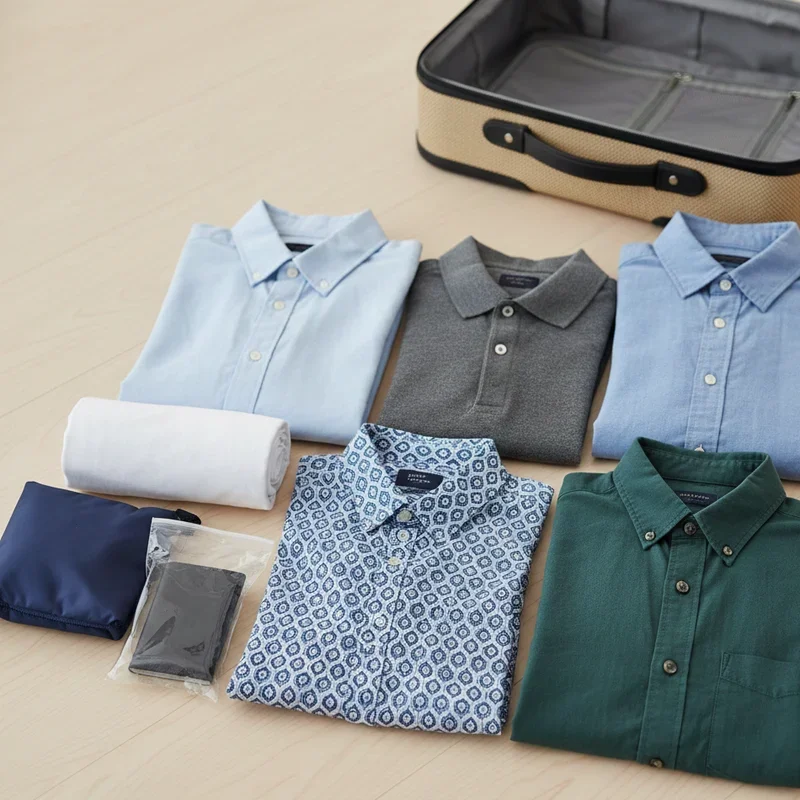
We've all been there, haven't we? Standing over an open suitcase, staring at a mountain of clothes, and wondering how on earth everything is supposed to fit. You start stuffing things in haphazardly, sitting on the lid to force it closed, and then arriving at your destination only to find your shirts looking like they've been through a wrestling match. What a nightmare!
But here's the thing. Packing doesn't have to be a battle you lose every single time. With the right folding techniques up your sleeve, you can actually fit more clothes into less space while keeping everything looking crisp and ready to wear. Sounds too good to be true? It really isn't!
This How to Fold Shirts for Travel: Simple Space-Saving Tips guide is about to change your entire packing game. Whether you're heading out for a weekend getaway or embarking on a month-long adventure, these techniques will help you maximize every inch of your luggage. No more arriving at your hotel looking like you slept in your clothes!
The beauty of proper shirt folding goes beyond just saving space, though that's certainly a huge perk. It's also about reducing wrinkles, staying organized, and honestly, just feeling like you've got your life together when you unzip that perfectly packed bag. Ready to become a packing pro? Let's dive right in!
Why Traditional Folding Methods Fall Short
Before we get into the good stuff, let's talk about why that old fold-and-stack method your mom taught you just doesn't cut it for travel. Understanding the problem helps you appreciate the solutions, after all.
Traditional flat folding works fine for dresser drawers where shirts can lay undisturbed. But toss that neatly folded stack into a suitcase, and chaos ensues pretty quickly. Shirts shift around, layers compress unevenly, and those crisp edges you worked so hard on become wrinkled messes.
The conventional approach also wastes tons of space. When you stack flat-folded shirts, you're essentially creating layers of air pockets between garments. That might not matter in your closet, but when you're trying to squeeze a week's worth of outfits into a carry-on, every cubic inch counts!
Plus, finding specific items in a traditionally packed bag means destroying your careful organization. Looking for that blue polo? Better dig through everything and mess up half your luggage in the process. There's got to be a better way, right? Spoiler alert: there absolutely is.
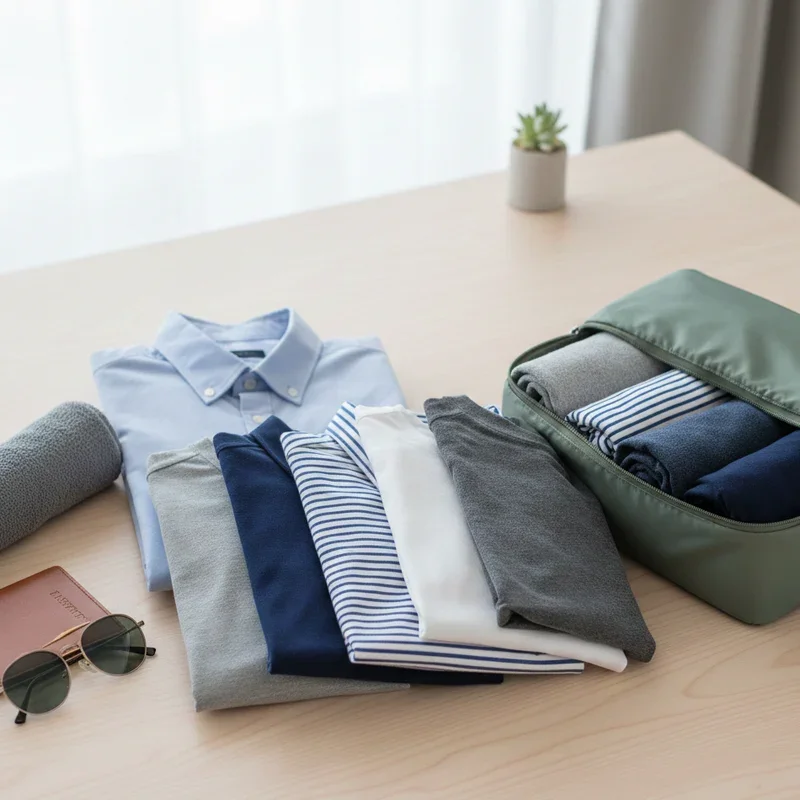
The Rolling Method: A Game-Changer for Travelers
If you haven't discovered the magic of rolling your shirts yet, prepare to have your mind blown! This technique has been a favorite among seasoned travelers, military personnel, and backpackers for ages, and for very good reason.
Rolling works by eliminating those pesky fold lines that cause wrinkles while simultaneously compressing your clothes into tight, space-efficient cylinders. It's like turning your shirts into little fabric burritos that stack beautifully and stay put during transit.
Step-by-Step Rolling Instructions
Getting the perfect roll takes just a little practice, but you'll have it down pat in no time.
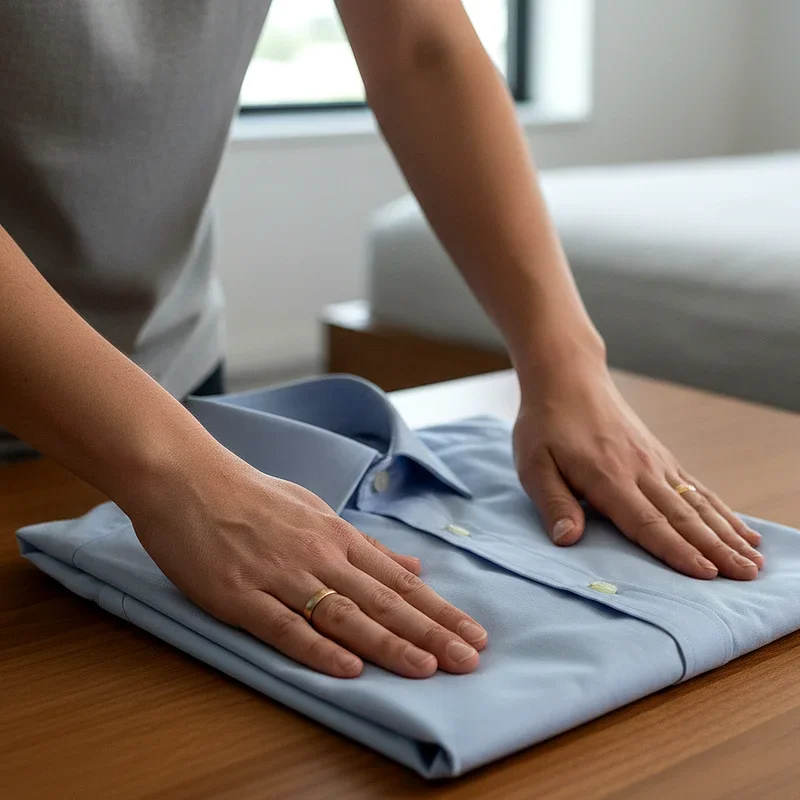
Start by laying your shirt face-down on a flat surface. Smooth out any existing wrinkles with your hands because starting with a bumpy shirt defeats the purpose entirely. Take your time with this step since it really does make a difference.
Fold the sleeves inward so they lay flat against the back of the shirt. For long-sleeved shirts, you might need to fold the sleeves back on themselves to keep everything compact. The goal is creating a neat rectangle without any bits sticking out.
Now here's where the magic happens. Starting from the bottom hem, begin rolling the shirt upward toward the collar. Keep the roll tight and even as you go, smoothing the fabric with each turn. Don't rush this part! A loose, sloppy roll won't hold its shape and defeats the whole purpose.
When you reach the collar, you should have a nice, firm cylinder. Some folks like to tuck the roll into the collar or fold the collar over to secure everything, though this isn't strictly necessary if your roll is tight enough.
Why Rolling Works So Well
The physics behind rolling is actually pretty interesting if you're into that sort of thing. When you roll rather than fold, you're distributing tension evenly across the entire garment instead of creating concentrated stress points along fold lines. Those stress points are exactly what causes those stubborn creases that even hotel irons struggle to remove.
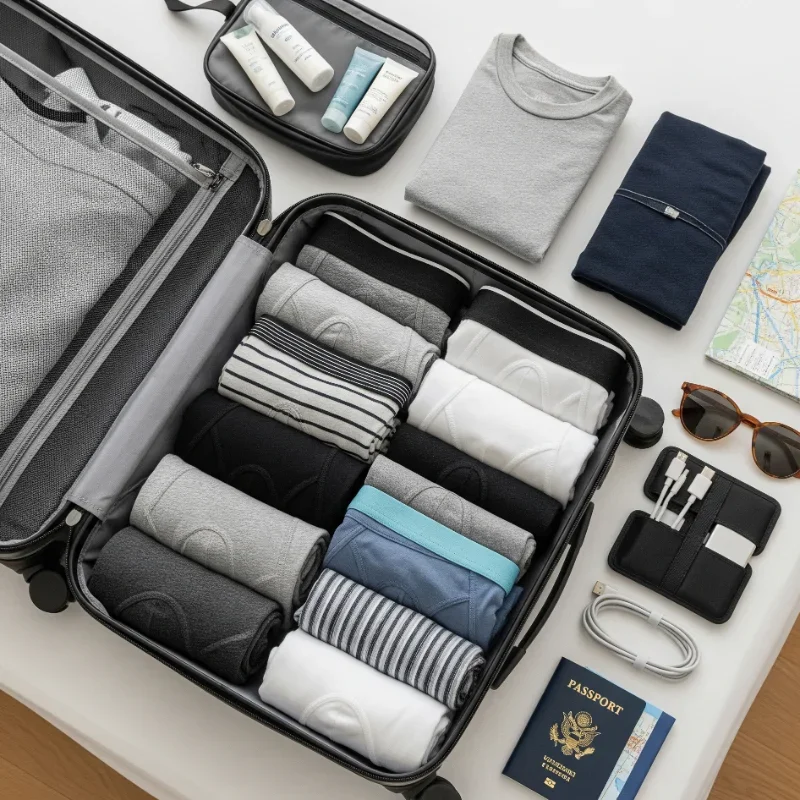
Rolling also lets you see everything in your suitcase at a glance. Stand your rolls upright in your bag, and suddenly you've got a visual inventory of your entire wardrobe. No more digging and destroying your organization just to find one specific item!
The Bundle Wrapping Technique: Maximum Wrinkle Prevention
Now, if wrinkle prevention is your absolute top priority and you're willing to put in a bit more effort, bundle wrapping might just become your new best friend. This technique sounds fancy, but it's really just a methodical way of wrapping clothes around a central core.
The bundle method works particularly well for dress shirts, blouses, and other garments where looking sharp really matters. Business travelers swear by this approach because nobody wants to show up to an important meeting looking rumpled.
How Bundle Wrapping Works
Think of bundle wrapping like building a fabric onion, layer by layer. You'll start with your most wrinkle-prone items on the outside and work your way in with increasingly casual pieces.
Begin by selecting a core object. This could be a packing cube filled with underwear and socks, a small toiletry bag, or even a folded pair of jeans. This core gives your bundle structure and uses space that would otherwise go to waste.
Lay your dress shirts flat, one at a time, in alternating directions. The first shirt goes with its collar facing one way, the next with its collar facing the opposite direction. This alternation helps maintain even bulk throughout the bundle.
Once you've layered all your shirts, place your core object in the center. Then, working from the last shirt you laid down to the first, wrap each garment snugly around the growing bundle. Tuck sleeves in neatly and smooth as you go.
The finished bundle should be a compact package with no visible fold lines on any of your nicer shirts. When you unpack, simply unwrap layer by layer, and voila! Wrinkle-free clothing awaits.
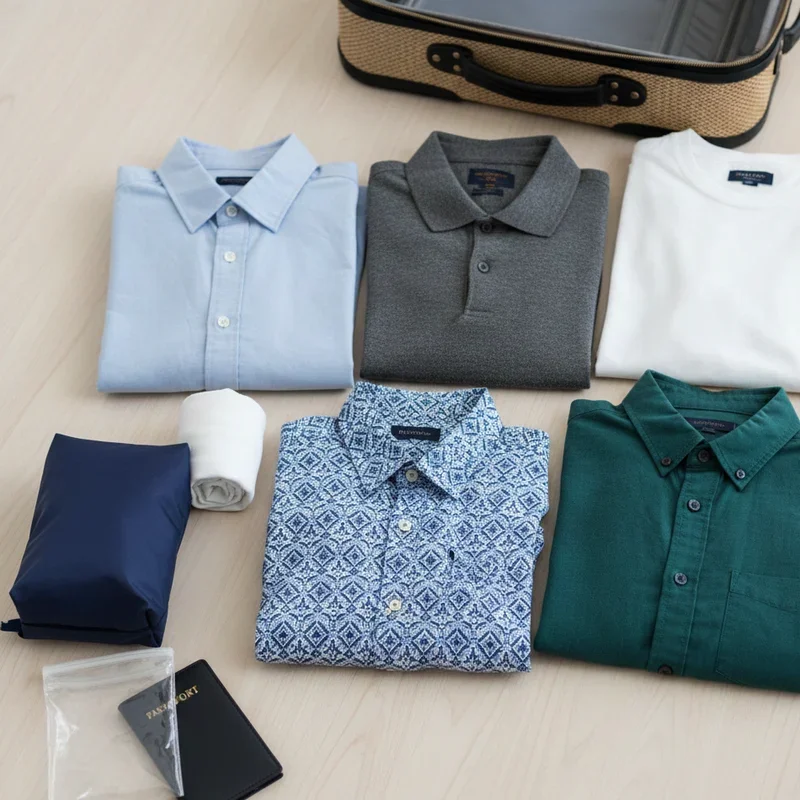
The Ranger Roll: Military-Approved Efficiency
Speaking of techniques that really deliver results, the ranger roll deserves a special mention. Developed by military personnel who needed to pack efficiently while maintaining mobility, this method creates incredibly compact results.
The ranger roll is essentially an advanced version of regular rolling with one key difference: the garment secures itself without any additional tools or ties needed.
Mastering the Ranger Roll
Lay your shirt face-up and smooth it completely flat. Fold about two to three inches of the bottom hem upward, creating a cuff along the bottom edge. This cuff is crucial because it becomes your securing mechanism later.
Fold the shirt in thirds lengthwise by bringing each side toward the center. You'll have a long, narrow rectangle with that cuff still visible at the bottom.
Starting from the collar end, roll the shirt tightly down toward the cuffed bottom. Keep the roll as tight as possible while maintaining even tension throughout.
Here's the magic moment. When you reach that bottom cuff, take the folded hem and stretch it up and over the entire roll, essentially turning the cuff inside out to encase the whole bundle. The shirt is now self-contained and won't unroll no matter how much your luggage gets jostled around.
Applying How to Fold Shirts for Travel: Simple Space-Saving Tips to Different Shirt Types
Different shirts call for slightly different approaches, and knowing how to adapt these techniques makes all the difference.
Casual T-Shirts and Everyday Wear
T-shirts are the easiest garments to work with, honestly. They're forgiving, rarely show wrinkles badly, and respond beautifully to basic rolling. Feel free to roll these tightly without worrying too much about finesse.
For super casual trips where appearance isn't a major concern, you can even use the file fold method. Fold your t-shirt normally, then fold it in half again to create a small rectangle that stands upright in your drawer or packing cube. This works great for organizing but doesn't save quite as much space as rolling.
Button-Down and Dress Shirts
These require a gentler touch since the fabric tends to crease more readily. Rolling still works, but consider the bundle wrap method if you've got important events on your itinerary.
When rolling dress shirts, leave the top button fastened to help the collar maintain its shape. Roll more loosely than you would with t-shirts to reduce pressure on the fabric. Some travelers place tissue paper between layers for extra wrinkle protection, though this isn't always necessary.
Polo Shirts and Knits
Polos fall somewhere between casual tees and dress shirts in terms of care requirements. The collar needs attention, but the fabric is generally more forgiving than woven dress shirts.
Roll these with moderate tightness, and consider folding the collar down flat before beginning. If your polo has a tendency to lose collar shape, try placing a folded sock inside the collar to maintain structure during transit.
Packing Organization Strategies
Knowing how to fold is only half the battle! Where and how you place those perfectly folded shirts matters tremendously for both space optimization and wrinkle prevention.
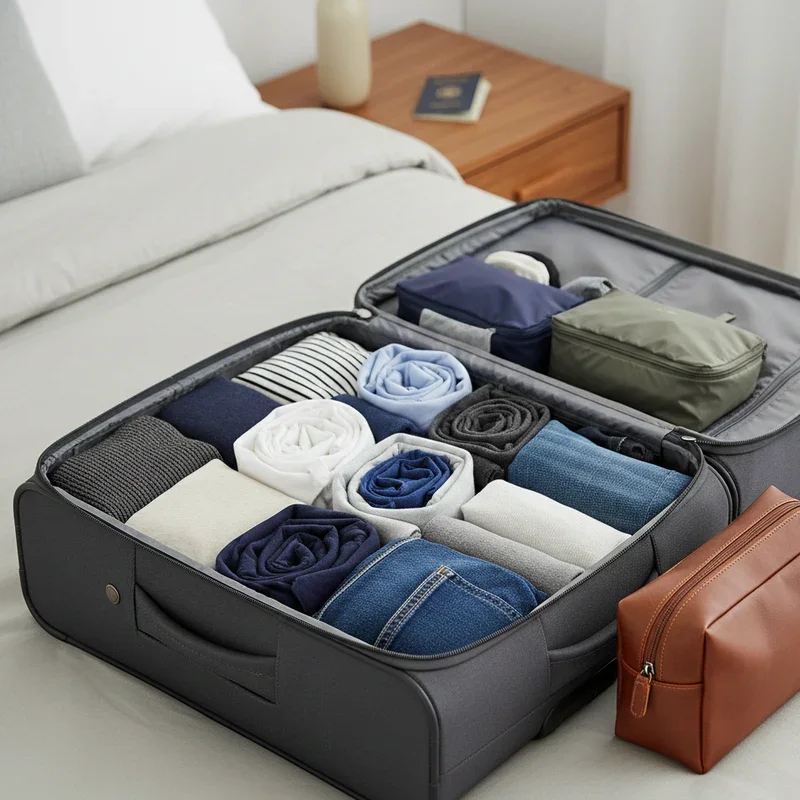
Packing cubes have absolutely revolutionized travel organization, and combining them with proper folding techniques is a match made in heaven. These lightweight fabric containers keep similar items together while compressing everything neatly.
Place rolled shirts standing upright in packing cubes rather than laying them flat. This approach lets you see everything at once and prevents items at the bottom from getting crushed under the weight of those on top.
Consider organizing by outfit rather than by garment type. Having everything you need for day one in one cube and day two in another streamlines getting dressed and prevents overpacking since you can clearly see what you've allocated for each day.
Quick Tips and Tricks for Packing Success
Beyond the core folding techniques, these additional pointers will take your How to Fold Shirts for Travel: Simple Space-Saving Tips knowledge to the next level.
Always pack your heaviest items at the bottom of your suitcase, nearest the wheels if you're using a roller bag. This keeps the bag balanced and prevents heavy objects from crushing your carefully folded shirts during transport.
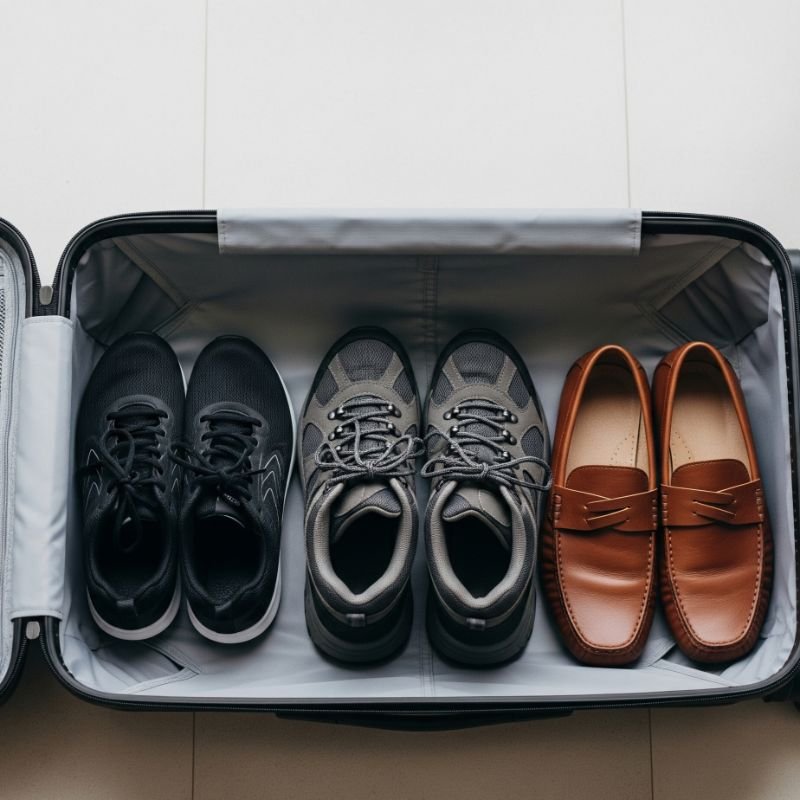
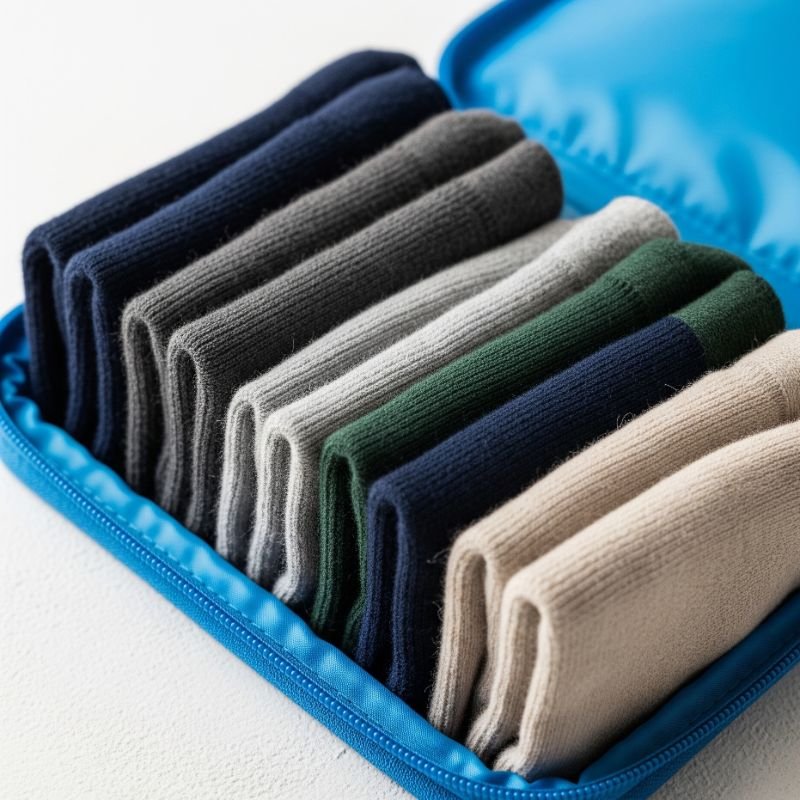
Stuff socks and underwear inside shoes to maximize space usage. Those shoes are taking up room anyway, so fill every cavity with smaller items that benefit from the protection.
Consider wearing your bulkiest shirt during travel rather than packing it. That chunky flannel or thick sweater takes up valuable real estate in your luggage but costs nothing to wear onto the plane.
Resist the urge to overpack! Having perfectly folded shirts means nothing if you've crammed so many into your bag that everything gets compressed beyond recognition. Leave a little breathing room for everything to stay in shape.
Unpacking Like a Pro
Your folding technique extends all the way through to your destination. Don't just leave everything crammed in your suitcase all week!
Immediately upon arrival, unpack your shirts and either hang them or place them in dresser drawers. Any minor wrinkles from travel will usually relax and fall out within a few hours once the garments can breathe.
For stubborn wrinkles, hang shirts in the bathroom while you shower. The steam works wonders for relaxing fabric fibers without needing to hunt down an iron.
Conclusion
Mastering shirt folding transforms travel from a stressful packing nightmare into a smooth, organized experience you might actually enjoy. Whether you prefer rolling, bundle wrapping, or ranger rolls, these techniques save precious space while keeping your clothes looking sharp. Remember that practice makes perfect, so try these methods before your next trip and discover which approach suits your travel style best. Your future self will thank you when that suitcase closes effortlessly!
Read next: How to Fold a Suit for Travel and Keep It Neat
Frequently Asked Questions
1. Which folding method saves the most space in a suitcase?
Rolling typically saves the most space while also preventing wrinkles effectively for most travelers.
2. Can I use these techniques for folding dress shirts without wrinkling?
Yes, bundle wrapping works exceptionally well for dress shirts that need to stay crisp.
3. How many shirts can I fit using these space-saving methods?
Most travelers fit approximately thirty to fifty percent more shirts using rolling versus traditional folding.
4. Should I fold shirts differently for carry-on versus checked luggage?
The techniques work equally well for both, though tighter rolls suit smaller carry-on bags.
5. Do packing cubes really make a difference when folding shirts for travel?
Absolutely! Packing cubes combined with proper folding dramatically improve organization and compression results.
Stay up to date with our latest ideas!