How to Fold a Dress Shirt for Travel Without Wrinkles
Master the art of packing dress shirts wrinkle-free with easy folding techniques that keep you looking sharp on every business trip.
Look, we've all been there. You arrive at your hotel after hours of travel, unzip your suitcase with anticipation, and what greets you? A dress shirt that looks like it's been through a wrestling match. Not exactly the professional image you were going for, right? Whether you're jetting off to a crucial business meeting or heading to a wedding across the country, knowing how to fold a dress shirt for travel without wrinkles isn't just a nice skill to have. It's practically essential for anyone who values looking put-together without the hassle of hunting down an iron in an unfamiliar hotel room. The truth is, packing dress shirts doesn't have to be a nightmare. With the right techniques and a bit of practice, you can keep your shirts looking crisp and ready to wear straight from your luggage.
Understanding Why Dress Shirts Wrinkle
Before diving into the folding techniques, it's worth understanding what causes those pesky wrinkles in the first place. Fabric fibers are held together by hydrogen bonds, and when pressure, moisture, or heat disrupts these bonds, wrinkles form. Cotton dress shirts are particularly susceptible because cotton fibers naturally want to return to their plant-like, crumpled state.
When you stuff a shirt carelessly into your bag, you're creating stress points where the fabric bends sharply. These areas hold creases stubbornly, especially after being compressed for hours during travel. The key to preventing wrinkles isn't just about folding. It's about minimizing sharp creases and distributing pressure evenly across the fabric.
Temperature and humidity also play roles in wrinkle formation. That's why shirts often look worse after sitting in a hot car trunk or a humid suitcase. Understanding these factors helps you make smarter packing decisions beyond just the folding technique itself.
Preparing Your Dress Shirt for Folding
Honestly, preparation is half the battle when it comes to wrinkle-free packing. You can't just grab a shirt from the hamper and expect miracles. Start with a freshly laundered and pressed shirt. If there are existing wrinkles before you even begin folding, they'll only get worse during travel.
Make sure your shirt is completely dry before packing. Any residual moisture will encourage wrinkle formation and might even lead to mildew if you're traveling for several days. Hang your shirt for at least an hour after ironing to let it cool and set properly.
Button up the shirt completely, including the collar button and any cuff buttons. This helps maintain the shirt's structure during folding and prevents the collar from getting misshapen. A buttoned shirt holds its form better and creates cleaner fold lines that are less likely to become permanent creases.
The Classic Business Fold Method
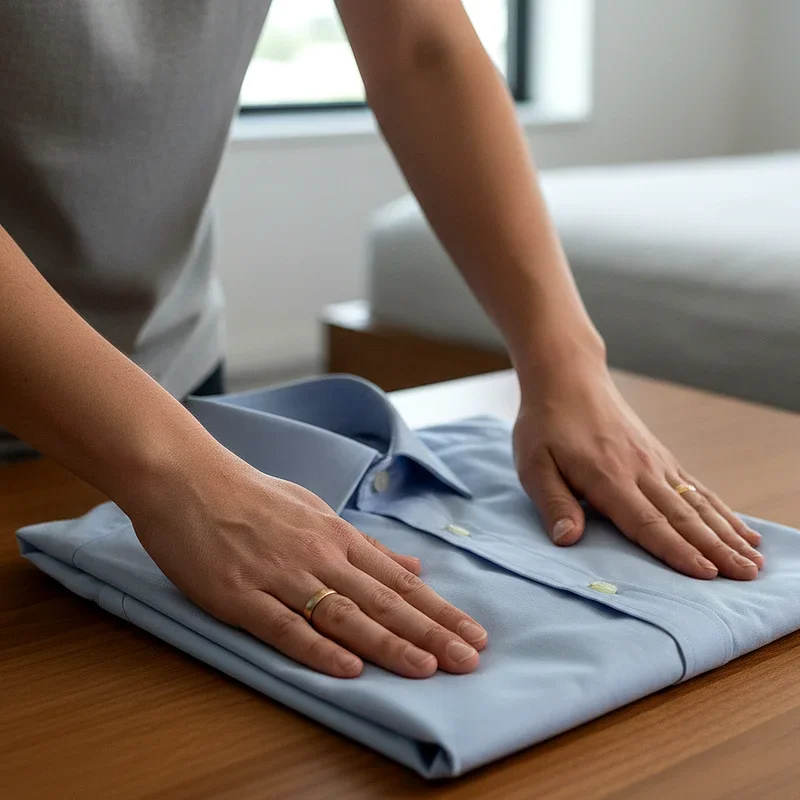
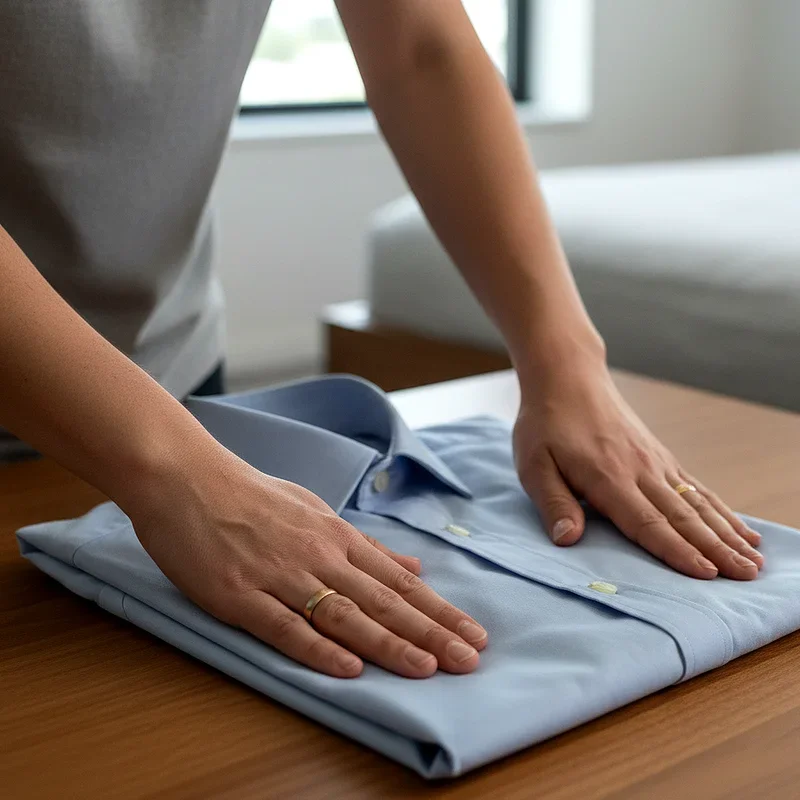
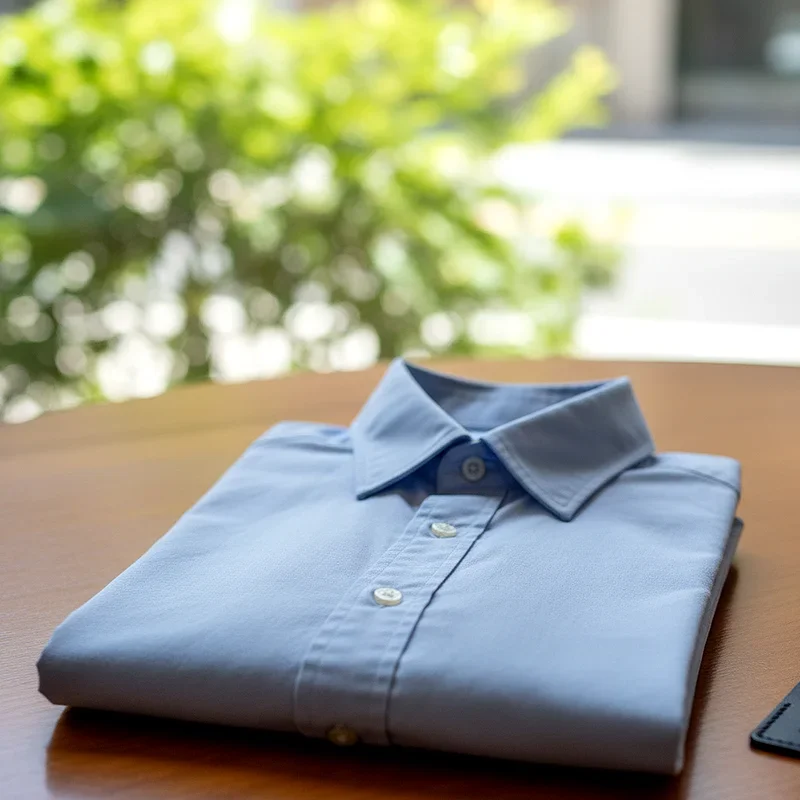
This tried-and-true technique is what you'll see professional retailers use, and for good reason. It creates minimal creases while keeping everything compact. Lay your buttoned shirt face-down on a flat surface, smoothing out any wrinkles with your hands. The smoother you get it now, the better it'll look later.
Take one side of the shirt and fold it vertically about a third of the way across the back. The sleeve should be lying flat along this fold. Now here's the trick that makes all the difference. Fold the sleeve back on itself, creating a diagonal line from the shoulder seam. The cuff should end up near the shirttail hem. Repeat this exact process on the other side, creating a symmetrical fold.
At this point, your shirt should look like a long rectangle with both sleeves neatly tucked in. Fold the bottom of the shirt up to meet the collar, or if it's a longer shirt, fold it in thirds. Some folks prefer folding the collar down first to protect it, though this isn't strictly necessary.
The beauty of this method is that it distributes the fabric evenly without creating harsh pressure points. The folds follow the natural lines of the shirt's construction, which helps minimize visible creases.
The Roll Method for Casual Dress Shirts
Here's where things get interesting. Rolling rather than folding has become incredibly popular among frequent travelers, and it really does work wonders for preventing wrinkles. This technique works best with slightly more casual dress shirts or those made from wrinkle-resistant fabrics.
Start by laying the shirt face-up and buttoning it completely. Smooth out any wrinkles thoroughly. Fold the sleeves across the chest in an X pattern, with each cuff touching the opposite shoulder. This creates a narrower profile that's easier to roll tightly.
Beginning at the collar, start rolling the shirt down toward the hem. Keep the roll tight and even, smoothing the fabric as you go. A loose roll will shift during travel and defeat the purpose. The goal is to create tension in the fabric that prevents it from creasing.
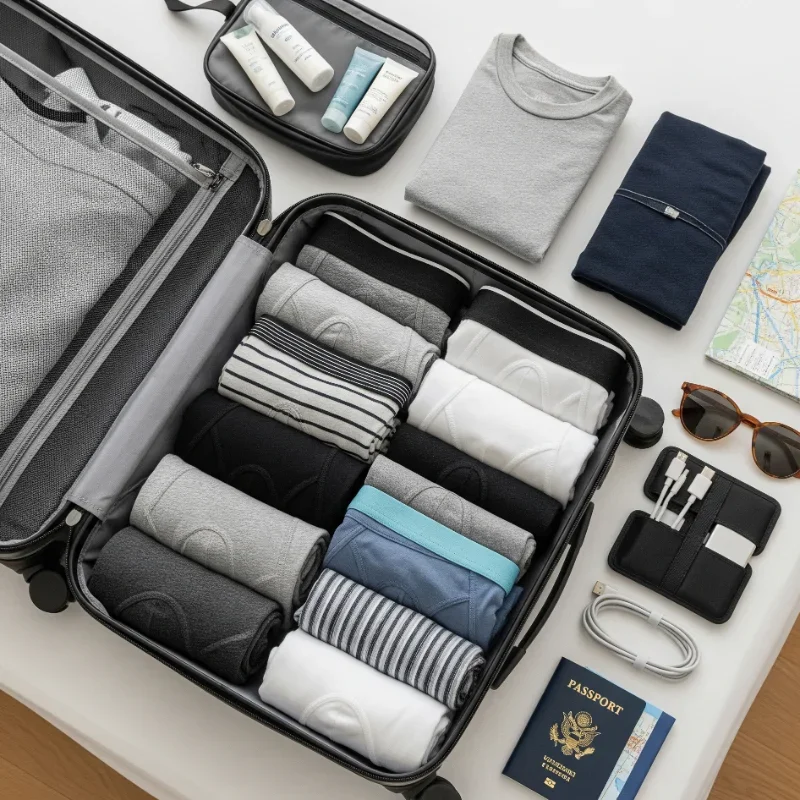
When you reach the bottom, you should have a compact cylinder. Some travelers like to secure this with a rubber band or place it in a packing cube, though that's optional. The rolled method takes up less space than traditional folding and allows you to pack shirts vertically in your suitcase, making them easier to access without disturbing everything else.
Using Tissue Paper and Plastic for Extra Protection
Want to take your shirt packing game to the next level? Tissue paper is your secret weapon. Professional packers at high-end stores use this technique for a reason. It creates a buffer between fold lines and helps the fabric maintain its shape.
Lay two or three sheets of tissue paper on your flat surface before placing your shirt down. As you fold using either the classic or roll method, insert additional tissue paper at each fold line. This prevents the fabric from creasing sharply at pressure points. The paper acts like a cushion, distributing weight more evenly.
Dry cleaner bags or thin plastic garment bags work similarly. After folding your shirt, slip it into a plastic bag before packing. The slippery surface of the plastic allows the shirt to move slightly within your luggage rather than staying locked in one compressed position. Plus, plastic provides a moisture barrier if you're traveling somewhere humid.
The Bundle Wrapping Technique
This method sounds complicated but it's actually genius for preventing wrinkles across multiple garments. The bundle technique involves wrapping clothes around a central core, creating one large soft package where nothing has hard fold lines.
Start with a rectangular packing core. This could be a small toiletry bag, a stuff sack, or even just a bundle of socks and underwear. Lay your dress shirt face-up on a flat surface with the collar toward you. Place your core object on the chest area of the shirt.
Wrap one side of the shirt over the core, then wrap the other side over that. Fold the sleeves over the wrapped body. Finally, bring the bottom hem up and over everything. The shirt is now wrapped around the core with smooth, curved folds rather than sharp creases. The technique creates tension that holds everything in place while eliminating the sharp creases that cause visible wrinkles.
How to Fold a Dress Shirt for Travel Without Wrinkles Using Packing Cubes
Packing cubes have revolutionized the way smart travelers organize their luggage. These zippered fabric containers aren't just for organization. They're excellent tools for keeping dress shirts wrinkle-free during transit.
Choose a packing cube that's appropriately sized for folded dress shirts. Too small and you'll have to cram the shirt in, creating unwanted creases. Too large and the shirt will shift around during travel. Medium-sized cubes typically work best for one or two folded dress shirts.
Fold your shirt using the classic business fold method, then place it in the packing cube with the collar facing the zipper side. This protects the most visible part of the shirt from compression. If you're packing multiple shirts, place tissue paper between each one to prevent them from rubbing against each other.
The compression feature on some packing cubes can be tricky. While light compression keeps things organized, too much pressure will guarantee wrinkles. Zip the cube closed but avoid over-stuffing it.

Choosing the Right Fabrics for Travel
Not all dress shirts are created equal when it comes to travel. If you're someone who travels frequently for business, investing in shirts made from wrinkle-resistant fabrics can save you tons of frustration and time.
Cotton blends with polyester or elastane tend to resist wrinkles better than 100 percent cotton shirts. The synthetic fibers add stretch and resilience that help the fabric bounce back from compression. Look for shirts labeled as non-iron or wrinkle-free, though keep in mind these terms aren't regulated and quality varies between brands.
Performance fabrics designed for athletic wear have also entered the dress shirt market. These moisture-wicking, quick-drying materials are fantastic for travel because they resist wrinkles naturally and can be washed in a hotel sink if needed.
That said, there's something about the look and feel of a proper cotton dress shirt that synthetics can't quite replicate. If you prefer traditional fabrics, opt for higher thread counts and tighter weaves. These generally wrinkle less than cheaper, loosely woven cotton shirts.
Strategic Packing in Your Suitcase
Even perfectly folded shirts can emerge wrinkled if you pack your suitcase carelessly. The placement of your dress shirts within your luggage matters just as much as the folding technique itself.
Always pack dress shirts last, placing them on top of other items. This minimizes the weight pressing down on them during travel. If you're using a hard-sided suitcase, position folded shirts against the flat interior surfaces rather than near the hinges where the case bends.
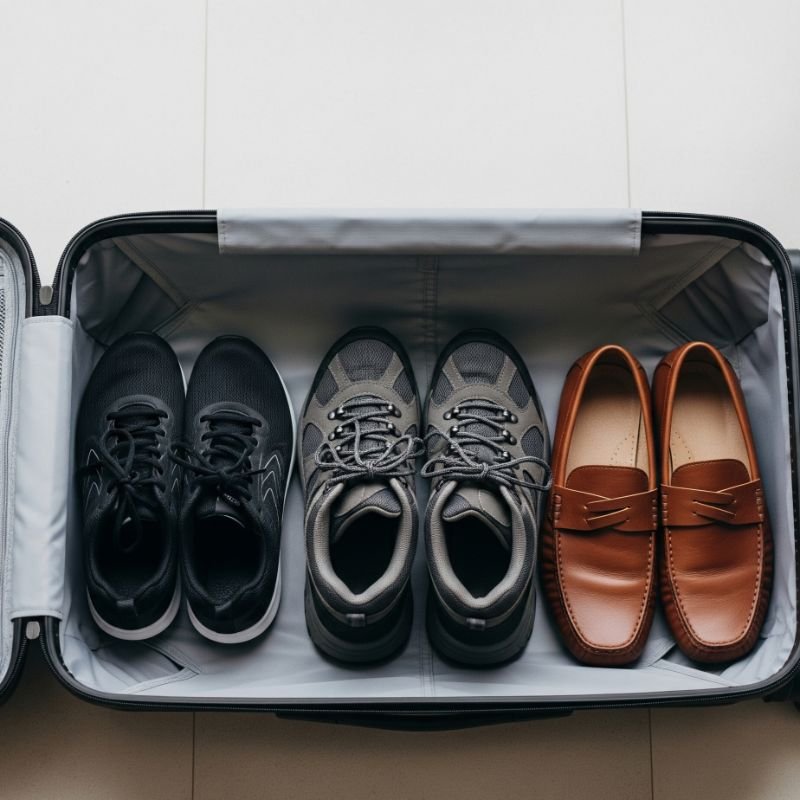
Create a stable base layer with heavier items like shoes, toiletries, and jeans. These should go on the bottom or in separate compartments. Build up to lighter, more delicate items as you pack upward. Your dress shirts should be among the final items you add before closing the suitcase.
Avoid the temptation to stuff additional items on top of your shirts at the last minute. That extra pair of shoes or heavy jacket could undo all your careful folding work.
How to Fold a Dress Shirt for Travel Without Wrinkles in a Carry-On
Carry-on packing presents unique challenges because space is limited and bags often get stuffed into overhead bins at awkward angles. However, with the right approach, you can absolutely pack dress shirts in a carry-on without sacrificing their appearance.
The roll method works particularly well for carry-on bags because it maximizes vertical space. Roll your shirts and pack them standing upright like files in a filing cabinet. This arrangement lets you see all your shirts at once and pull one out without disturbing the others.
If you're using a backpack as your carry-on, place rolled shirts in the compartment closest to your back. This area stays most stable during travel and provides natural support that prevents excessive compression.
For wheeled carry-ons, pack shirts on the side opposite the wheels and handle. These areas typically have more consistent, flat surfaces. Consider wearing your bulkiest dress shirt on the plane if you're traveling with multiple shirts. This frees up valuable carry-on space for other items and keeps at least one shirt completely wrinkle-free.
Common Mistakes to Avoid
Even experienced travelers sometimes make these common errors that lead to wrinkled shirts. Learning what not to do is just as important as mastering the right techniques.
Don't overstuff your suitcase. This is the number one cause of wrinkled clothes. If you're forcing the zipper closed or sitting on your suitcase to get it shut, your shirts are going to suffer. Pack less or get a bigger bag.
Avoid packing shirts when they're even slightly damp from washing or ironing. Moisture plus compression equals disaster. The wrinkles that form in damp fabric are incredibly stubborn and sometimes permanent.
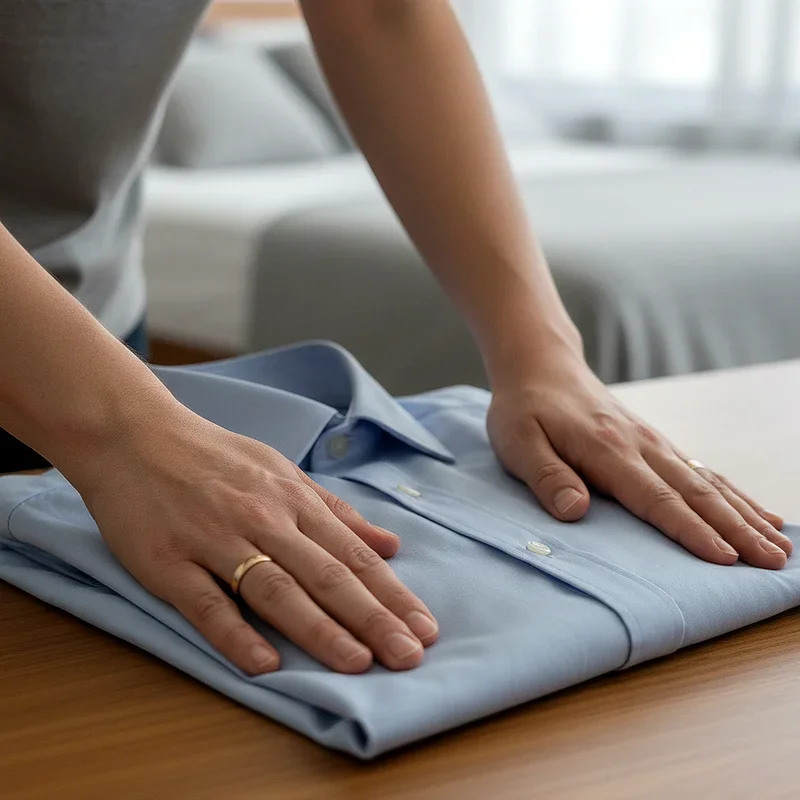
Don't fold shirts on uneven surfaces. That wrinkly bedspread or carpeted floor seems convenient, but uneven surfaces create irregular folds that translate to visible creases. Always use a flat, hard surface like a table or countertop.
Never pack dress shirts in exterior pockets or expandable sections of luggage. These areas offer the least protection from compression and are most likely to get bumped during handling.
Conclusion
Mastering how to fold a dress shirt for travel without wrinkles transforms your travel experience from stressful to seamless. Whether you prefer the classic business fold, the space-saving roll method, or the ingenious bundle technique, the key lies in preparation, practice, and choosing the right approach for your specific needs. Remember that preventing wrinkles starts with proper fabric selection and careful folding, but extends to strategic packing and immediate unpacking. With these techniques in your arsenal, you'll arrive at every destination looking polished and professional, ready to tackle whatever the trip brings your way.
Read next: How to Fold a Suit for Travel and Keep It Neat
Frequently Asked Questions
Q1. What is the fastest way to fold a dress shirt for travel?
A: The roll method is fastest, taking under a minute once you master the technique.
Q2. Can you completely eliminate wrinkles when packing dress shirts?
A: Complete elimination is difficult, but proper techniques dramatically reduce wrinkles and make them manageable.
Q3. Should dress shirts be folded or rolled for carry-on luggage?
A: Rolling works better for carry-ons as it maximizes space and allows vertical packing.
Q4. How many dress shirts can fit in a standard carry-on bag?
A: Typically three to five dress shirts fit comfortably depending on the rolling or folding technique.
Q5. Does tissue paper really prevent wrinkles in packed dress shirts?
A: Yes, tissue paper creates cushioning at fold points and significantly reduces crease formation during travel.
Stay up to date with our latest ideas!