Discover is stealth camping illegal with our complete guide on laws, risks, and essential tips. Learn what every camper needs to know.
Picture this. You've been driving for hours, the sun's dipping below the horizon, and exhaustion is creeping in fast. The next campground is still two hours away, and those paid camping fees are starting to add up on your road trip budget. That quiet pullout you just passed looks awfully tempting. Just pull in, catch some sleep, and be on your way before dawn. No harm, no foul, right?
Welcome to the world of stealth camping, where outdoor enthusiasts and budget travelers set up camp in unconventional spots without permission or official sanction. It's a practice as old as travel itself, yet it exists in a murky legal gray area that confuses even experienced campers.
The appeal is undeniable. Free accommodation, adventure off the beaten path, and that slightly rebellious thrill of sleeping somewhere you're probably not supposed to be. For van lifers, long-distance hikers, and budget backpackers, stealth camping often feels less like a choice and more like a necessity.
But here's where things get complicated. What feels harmless can carry real legal consequences depending on where you lay your head. Trespassing charges, fines, and even encounters with law enforcement aren't just theoretical possibilities. They happen to stealth campers regularly.
Understanding is stealth camping illegal requires diving into a patchwork of laws that vary wildly by location, land type, and local enforcement attitudes. There's no simple yes or no answer, which frustrates folks looking for straightforward guidance.
That's exactly why we've put together this comprehensive guide. By the time you finish reading, you'll understand the legal landscape, know how to minimize risks, and make informed decisions about whether stealth camping fits your travel style.
What Exactly Is Stealth Camping?
Before discussing legality, let's nail down what we're actually talking about.
Defining the Practice
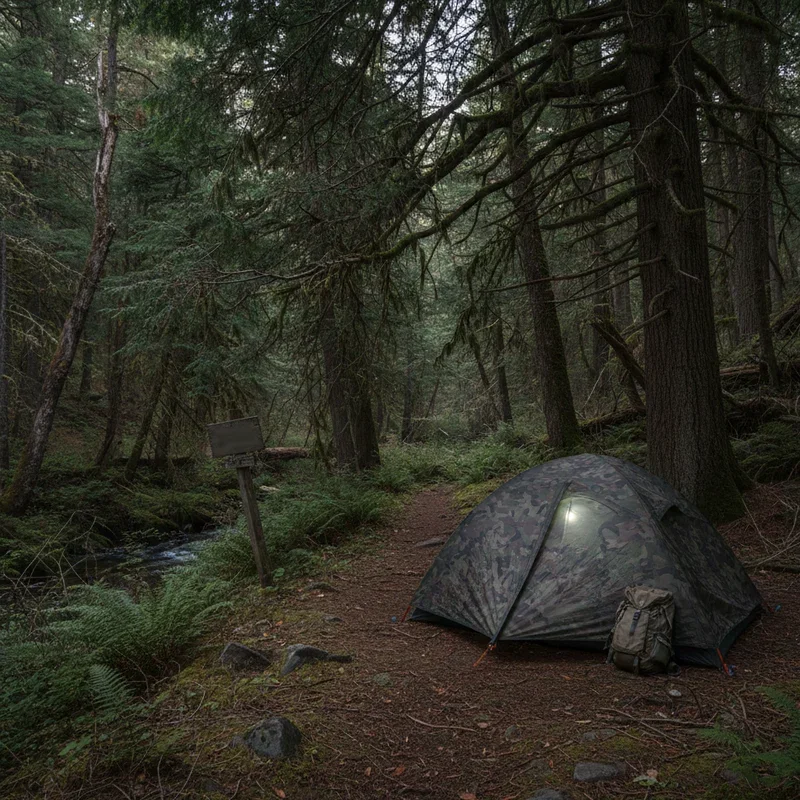
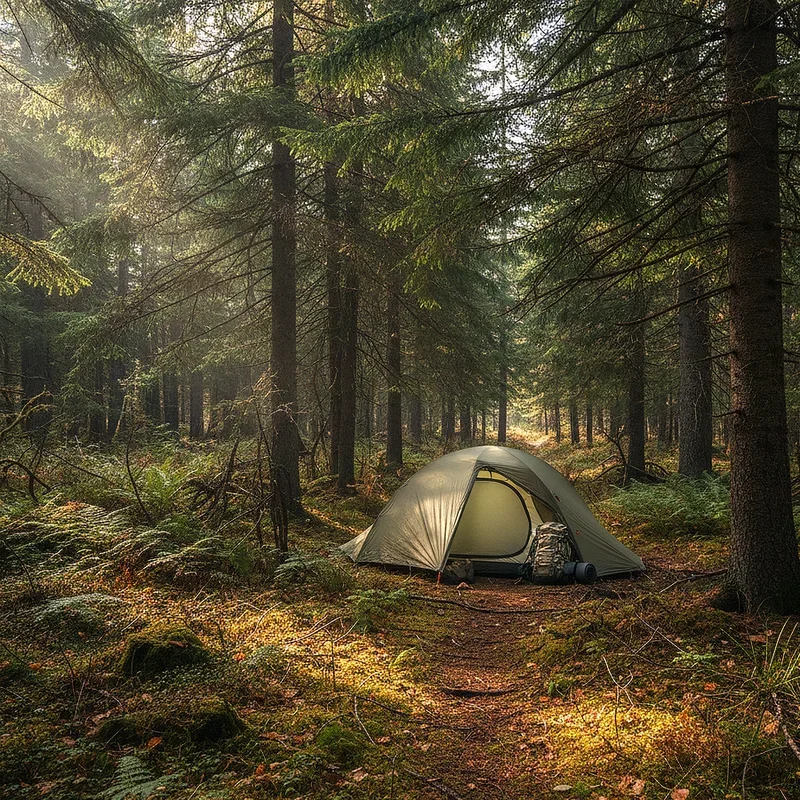
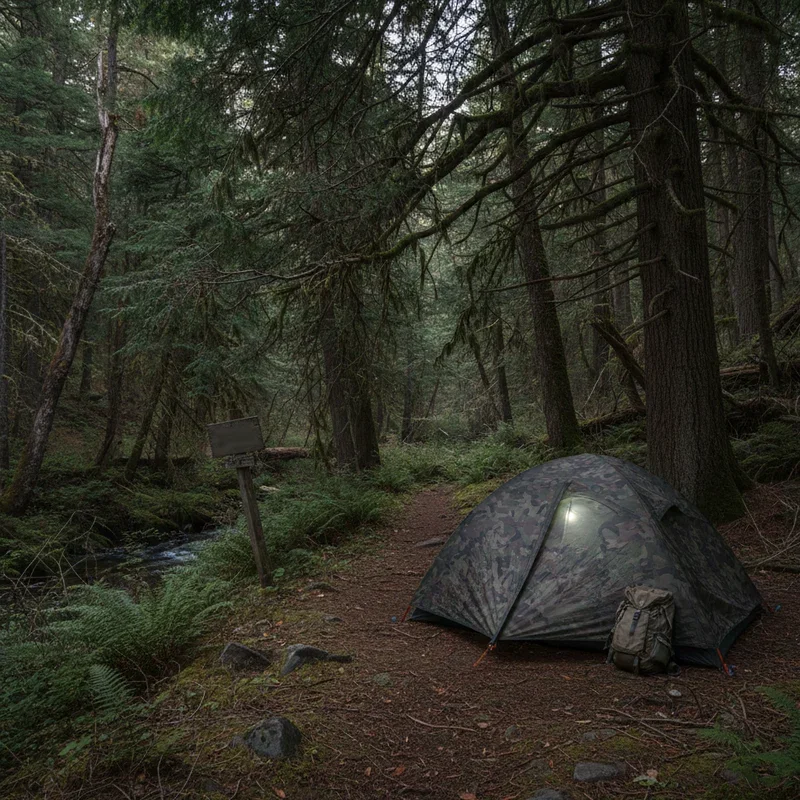
Stealth camping means setting up camp in locations not officially designated for camping, typically without permission and often with the intention of remaining undetected. The "stealth" part is key here. Practitioners aim to arrive late, leave early, and avoid drawing attention to their presence.
This differs fundamentally from dispersed camping or boondocking, which occur on public lands where camping is actually permitted, just not in developed campgrounds. Stealth camping specifically refers to sleeping in places where camping isn't officially allowed.
Common stealth camping locations include parking lots, rest areas, industrial zones, vacant lots, residential street parking, church parking lots, and undeveloped private property. Some practitioners camp in natural areas where regulations prohibit overnight stays.
Who Stealth Camps and Why
The stealth camping community is surprisingly diverse. Van lifers and RV travelers use the practice to extend their travel budgets and reach destinations between established campgrounds. Long-distance hikers sometimes stealth camp when official sites are full, closed, or inconveniently located.
Homeless individuals often have no choice but to stealth camp, though their situation differs significantly from recreational stealth camping. Budget travelers, adventure seekers, and those simply caught between destinations all find themselves considering stealth camping at various points.
The motivations range from financial necessity to philosophical rejection of paid camping culture to pure convenience. Understanding these motivations helps frame discussions about legality and ethics surrounding the practice.
Is Stealth Camping Illegal? Laws, Risks, and What to Know About Location
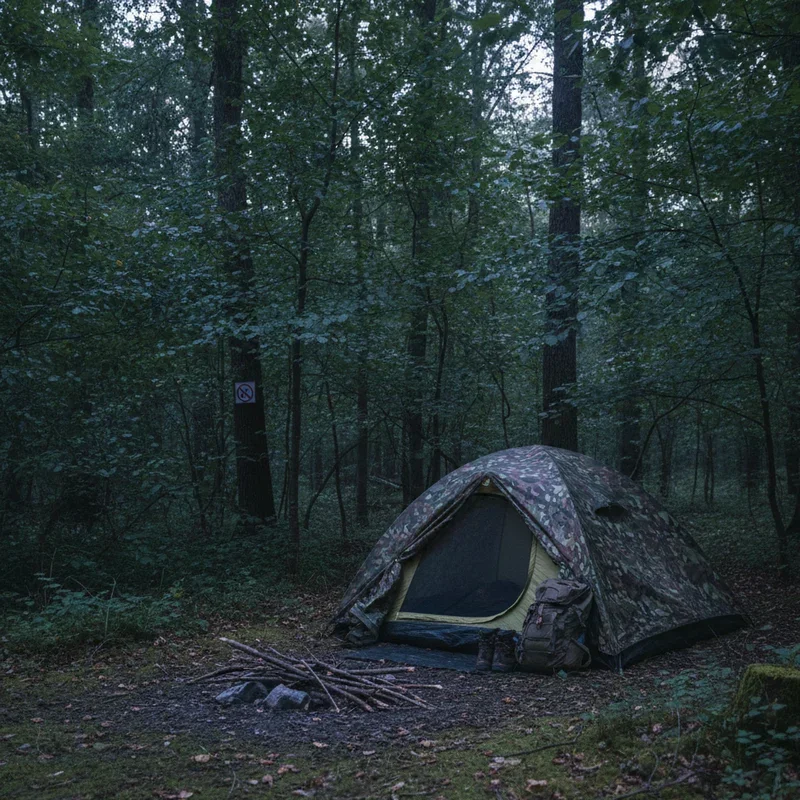
The legality question doesn't have a universal answer. Everything depends on where you're trying to camp.
Private Property Considerations
Let's start with the clearest situation. Camping on private property without permission is trespassing, full stop. Every state has laws against trespassing, though penalties vary considerably.
In some jurisdictions, simple trespassing is a minor infraction carrying small fines. Others treat it as a misdemeanor that can result in more serious consequences. If property owners post "No Trespassing" signs, penalties often increase.
The catch with stealth camping on private property is that owners might not discover you until morning. By then, they might call police rather than simply asking you to leave. What could have been an awkward conversation becomes a legal matter.
Some stealth campers argue that if they cause no damage and leave no trace, they're not really causing harm. While philosophically interesting, this reasoning doesn't change the legal reality. Property rights remain property rights regardless of how respectfully you violate them.
Public Land Complexities
Public lands present a more nuanced picture. Bureau of Land Management (BLM) areas, national forests, and certain state lands often permit dispersed camping, but specific rules apply.
You typically can't camp within certain distances of water sources, trailheads, or developed areas. Time limits usually restrict how long you can stay in one spot. Some areas require permits even for dispersed camping during high-use seasons.
National parks are generally strict about camping only in designated areas. Backcountry permits exist for wilderness camping, but simply pulling off and setting up camp isn't allowed. Getting caught camping in unauthorized national park locations can result in significant fines.
State parks vary tremendously. Some allow dispersed camping in certain zones while others prohibit any camping outside developed campgrounds. Researching specific park regulations before arrival prevents unpleasant surprises.
Urban and Suburban Settings
Cities and towns present the trickiest stealth camping environments. Municipal codes often specifically prohibit sleeping in vehicles, camping in public spaces, or overnight parking in various locations.
These ordinances exist partly to address homeless camping issues and partly to maintain public space aesthetics. Whatever the motivation, they directly impact recreational stealth campers too.
Walmart parking lots have legendary status in the stealth camping community. Many locations allow overnight RV parking, though this policy varies by store and isn't guaranteed. Other businesses with large parking lots sometimes tolerate overnight parking, but corporate policies change and local managers have discretion.
Rest areas occupy another gray zone. Some states explicitly allow overnight parking for safety reasons, recognizing that tired drivers need somewhere to sleep. Others limit parking duration to a few hours, technically prohibiting overnight stays.
Understanding the Real Risks Involved
Legal consequences represent just one category of stealth camping risks. The full picture includes several other concerns.
Legal Consequences Breakdown
Trespassing charges range from citations with small fines to misdemeanor convictions depending on jurisdiction and circumstances. Repeat offenses or trespassing with posted warnings typically carry harsher penalties.
Vehicle impoundment is possible in some situations, particularly in urban areas with strict parking enforcement. Getting your vehicle back involves fees, paperwork, and significant inconvenience.
Criminal records, even for minor offenses, can affect employment, housing applications, and professional licensing. Most stealth camping violations won't derail your life, but accumulating citations adds up in ways that matter.
Safety Concerns
Beyond legal issues, stealth camping introduces safety risks that developed campgrounds minimize. Isolated locations might seem peaceful until you're alone in the dark without nearby help if problems arise.
Wildlife encounters vary by region but represent real dangers in certain areas. Bears, mountain lions, and venomous snakes don't distinguish between permitted and unpermitted campers.
Human threats exist too. Stealth camping spots sometimes overlap with areas frequented by people engaged in illegal activities. Criminal elements aside, simply camping somewhere unexpected can lead to confrontations with property owners, security personnel, or concerned citizens.
Vehicle break-ins and theft occur even in seemingly safe areas. Stealth camping often means sleeping in locations without security presence or community oversight.
Environmental Impact
Leave No Trace principles become harder to follow without proper facilities. Human waste disposal, in particular, presents challenges when you're camping somewhere without restrooms.
Repeated stealth camping in the same locations can create visible impacts even when individual campers try to minimize their footprint. Vegetation damage, fire rings, and informal trails develop over time.
Wildlife habituation to human presence and food sources causes problems in popular stealth camping areas. What seems like harmless feeding or careless food storage contributes to larger ecological issues.
Is Stealth Camping Illegal? Laws, Risks, and What to Know for Safer Practice
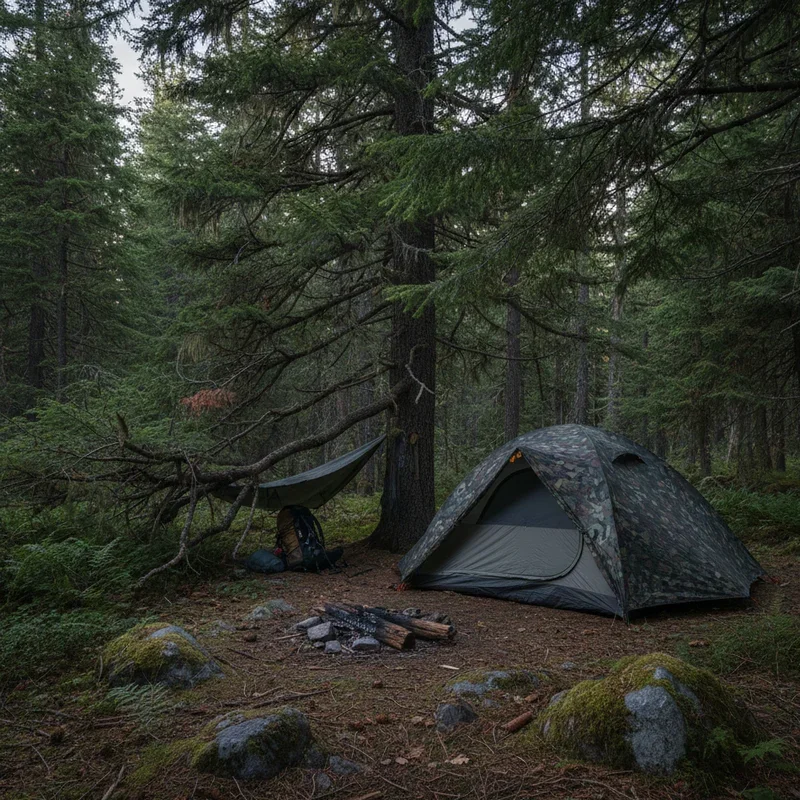
If you're going to stealth camp despite the risks, minimizing problems is possible with thoughtful approaches.
Location Selection Strategies
Research before you need a spot. Waiting until exhaustion forces a decision leads to poor choices. Apps and websites exist specifically to help travelers identify legal overnight parking and camping options.
Look for locations where your presence seems natural rather than suspicious. A camper van in a Walmart parking lot raises fewer questions than one parked on a residential street.
Avoid obviously posted areas. "No Camping," "No Overnight Parking," and "Private Property" signs represent clear legal boundaries. Ignoring them eliminates any reasonable defense if problems arise.
Scout during daylight when possible. Arriving somewhere unfamiliar after dark makes it hard to assess safety, legality, and suitability.
Behavioral Best Practices
Arrive late and leave early. The classic stealth camping mantra exists for good reason. Brief presence reduces detection probability and demonstrates you're passing through rather than establishing residence.
Keep a low profile. No campfires, minimal exterior lighting, quiet behavior, and closed curtains help you blend in rather than stand out.
Be prepared to leave immediately if asked. Having an exit strategy, staying mostly packed, and maintaining a cooperative attitude transforms potential confrontations into minor inconveniences.
Don't argue with property owners or law enforcement. Even if you believe you're legally permitted somewhere, escalating conflicts creates problems far exceeding any benefit from staying put.
Legitimate Alternatives Worth Considering
Before defaulting to stealth camping, explore legal options that might work.
Free camping exists on millions of acres of BLM and national forest land. These areas offer legal overnight stays without campground fees. Planning routes to utilize dispersed camping zones eliminates legal concerns entirely.
Casino parking lots in some states welcome RV overnight parking as a courtesy to potential customers. No gambling required, though they're hoping you'll come inside.
Cracker Barrel restaurants have historically allowed overnight RV parking in many locations, though policies vary. Other businesses occasionally offer similar courtesies when asked politely.
Harvest Hosts and similar programs connect travelers with farms, wineries, and businesses that welcome overnight camping. Membership fees apply but remain far cheaper than nightly campground costs.
Ethics Beyond Legality
Even where technically possible, stealth camping raises ethical questions worth considering.
Impact on Communities
Communities that experience significant stealth camping sometimes respond with restrictive ordinances affecting everyone. One person's consequence-free night creates policy changes impacting future travelers.
Property owners dealing with repeated unauthorized camping often develop hostile attitudes toward the broader camping community. Responsible campers end up paying the price for irresponsible ones.
Local residents in popular stealth camping areas sometimes face genuine nuisances from noise, litter, and disruption. Their frustration, while possibly misdirected, stems from real experiences.
Responsibility to Fellow Travelers
Stealth camping works partly because most practitioners fly under the radar. Drawing attention through poor behavior closes locations for everyone.
Leaving any trace, especially visible camps or trash, guarantees that spot becomes unavailable to future campers. Pack everything out, including gray water that some campers carelessly dump.
Treating every interaction as ambassadorship for the camping community generally pays dividends. Friendly, respectful engagement can actually open doors while hostile or entitled behavior slams them shut.
When Stealth Camping Makes Sense
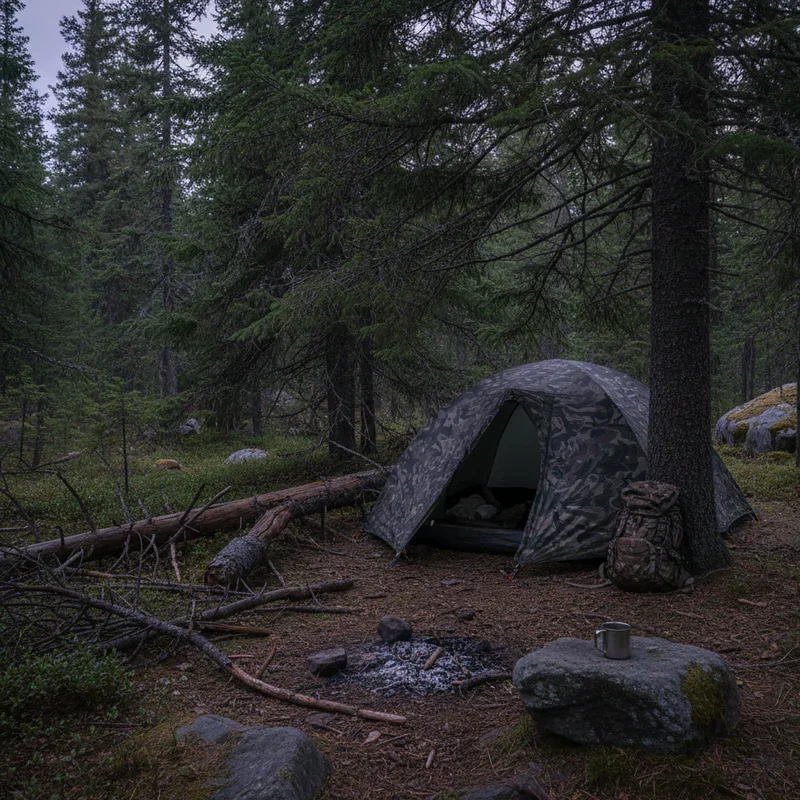
Despite the complications, situations exist where stealth camping remains reasonable.
Genuine Safety Emergencies
Driving while exhausted kills thousands annually. If you're too tired to continue safely and no legal options exist nearby, prioritizing immediate safety over camping regulations makes sense.
Emergency situations, severe weather, vehicle breakdowns, and health issues all create circumstances where finding perfect legal camping spots becomes secondary to survival.
Remote Travel Necessity
Some travel routes simply lack camping infrastructure. Cross-country travelers passing through agricultural areas or industrial regions might find hundreds of miles between legitimate camping options.
International travelers in some countries discover that stealth camping represents the norm rather than the exception. Local customs and enforcement attitudes vary globally in ways that don't translate from American expectations.
Occasional Versus Habitual Practice
An occasional night in a rest area because circumstances demanded it differs significantly from making stealth camping your primary accommodation strategy.
Frequency matters for both practical and ethical reasons. Occasional stealth camping rarely creates community impacts or attracts enforcement attention. Regular practice in the same areas inevitably causes problems.
Conclusion
Understanding is stealth camping illegal requires accepting that the answer varies dramatically by location, land type, and local enforcement priorities. While not universally illegal, the practice carries real legal risks, safety concerns, and ethical implications that responsible campers should weigh carefully. Researching specific regulations, choosing locations thoughtfully, and maintaining low-impact practices minimize problems when stealth camping becomes necessary. Exploring legal alternatives first often provides better experiences with far fewer complications.
Read next: What Is Stealth Camping? A Beginner's Informative Guide
Frequently Asked Questions
1.Can I legally sleep in my car at rest areas overnight?
Laws vary by state, with some permitting overnight stays and others limiting parking to few hours.
2.What happens if police find me stealth camping?
Outcomes range from friendly warnings to leave to citations, fines, or trespassing charges depending on location.
3.Is stealth camping the same as dispersed camping on public land?
No, dispersed camping occurs where legally permitted while stealth camping happens in unauthorized locations specifically.
4.Will I get a criminal record from stealth camping violations?
Most violations result in citations or fines, though repeat offenses can escalate to misdemeanor charges.
5.Are Walmart parking lots legal for overnight camping?
Many Walmarts allow overnight RV parking, but policies vary by location and require individual store permission.
Stay up to date with our latest ideas!